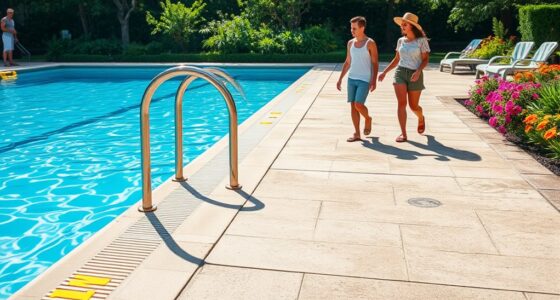
To make your pool childproof, focus on installing a secure, tall fence at least four feet high with a self-closing, self-latching gate out of children’s reach. Add alarms on doors and around the pool area, and use strong pool covers when not in use. Non-slip surfaces and proper lighting also help prevent accidents. Combining these safety features creates a safer environment—keep going to discover more essential tips for protecting your loved ones.
Key Takeaways
- Install a tall, durable fence (at least four feet) with self-closing, child-proof gates around the pool area.
- Use lockable, high-mounted latches on gates to prevent children from opening them.
- Incorporate pool covers and safety alarms to add extra layers of protection.
- Ensure non-slip surfaces and proper lighting around the pool for safe access and supervision.
- Include accessible rescue equipment nearby and educate children on water safety rules.

Are you wondering how to make your pool safer for children? It’s a common concern for many parents and guardians, and the key lies in understanding water safety and choosing the right fencing options. Creating a childproof pool setup isn’t just about installing a fence; it’s about designing a thorough safety plan that minimizes risks and provides peace of mind.
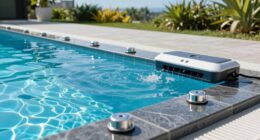
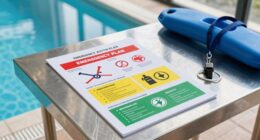
Water safety begins with establishing clear boundaries and supervision. Never leave children unattended near water, even if they’re strong swimmers. Educate them about pool rules and the importance of following safety guidelines. Keep rescue equipment, such as life rings or reaching poles, nearby and accessible. Installing alarms that alert you when someone enters the pool area adds an extra layer of security, especially for younger children who might be curious or unpredictable. These measures help prevent accidental drownings and ensure you’re always aware of who’s in or around the pool.
Never leave children unattended near water; establish boundaries, educate, and keep rescue equipment and alarms nearby.
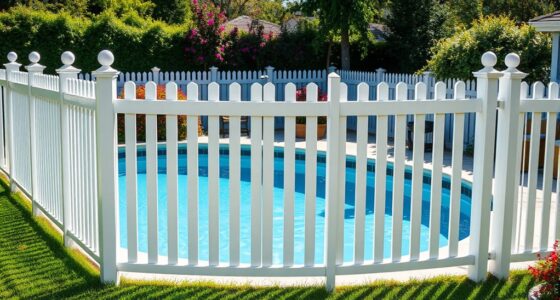
Fencing options are crucial when it comes to physically restricting access to the pool. When choosing fencing, prioritize height, durability, and self-closing, self-latching gates. A fence that’s at least four feet tall makes it difficult for children to climb over. Materials vary from vinyl, mesh, to wrought iron, each offering different levels of security and maintenance considerations. Vinyl fences are popular because they’re sturdy, weather-resistant, and provide a clean look, while mesh fences are more affordable and easier to install but may require more frequent maintenance. Wrought iron fences offer a classic appearance and strength but may be more costly. Ensure that the gate opens outward from the pool and is equipped with a latch placed high enough so children can’t reach it. Locking mechanisms should be secure and child-proof to prevent accidental openings.
In addition to fencing, consider adding a pool cover that is strong, secure, and easy to operate. A safety cover can prevent children from falling into the water when the pool isn’t in use. It’s wise to combine fencing options with other safety features like pool alarms, non-slip surfaces around the pool’s perimeter, and proper lighting for nighttime supervision. These features work together to create a safer environment, reducing the likelihood of accidents and giving you confidence that your pool is as childproof as possible.
Ultimately, making your pool safer for children involves a combination of education, supervision, and physical barriers. By understanding water safety essentials and investing in the right fencing options, you’re taking proactive steps to protect your loved ones and ensure that everyone can enjoy the pool responsibly.
Additionally, staying informed about childproofing standards and regularly inspecting safety features ensures your pool remains as safe as possible over time.
childproof pool fence with self-closing gate
As an affiliate, we earn on qualifying purchases.
As an affiliate, we earn on qualifying purchases.
Frequently Asked Questions
How Effective Are Pool Alarms in Preventing Accidents?
Pool alarms can be quite effective if you choose reliable options and follow proper placement strategies. Their reliability depends on quality and regular maintenance, alerting you quickly if someone enters the pool area. To maximize safety, place alarms near doors, gates, and water entry points where they’ll detect movement or unauthorized access. When used correctly, pool alarms markedly reduce the risk of accidents, giving you peace of mind.
What Maintenance Is Required for Childproof Pool Covers?
Imagine your pool cover as a trusty steed from the 19th century, needing regular care to stay reliable. You should inspect it weekly for tears or debris, and clean it with gentle brushes and mild soap to maintain pool cover durability. Follow a maintenance schedule that includes checking the tension and ensuring the cover’s secure. Proper upkeep prevents wear and tear, keeping your childproof cover ready to protect whenever you need it.
Are There Specific Safety Standards for Pool Fencing?
Yes, there are specific safety standards for pool fencing. You must follow fencing regulations that require a minimum height, typically four feet, and make certain there are no gaps that children can squeeze through. The gate latches should be self-closing and child-resistant to prevent accidental access. Regularly check that all fencing and latches are secure and in good condition, maintaining a safe environment around your pool.
How Can I Teach Children Water Safety Effectively?
You can teach children water safety effectively by enrolling them in swimming lessons to build their skills and confidence. Always supervise them closely and practice water rescue techniques so they know what to do in emergencies. Use clear, simple rules about never swimming alone or near the pool without an adult. Reinforce safety regularly, and make sure they understand the importance of following pool safety guidelines, making water safety a priority in their routines.
What Are the Costs Associated With Childproof Pool Features?
You might think childproof pool features are too costly, but investing in durable pool covers and fencing that meets height regulations can save you money long-term. The costs vary based on materials and size, usually ranging from a few hundred to several thousand dollars. Remember, a sturdy pool cover with high durability and proper fencing not only guarantees safety but also reduces potential liabilities, making it a worthwhile investment.
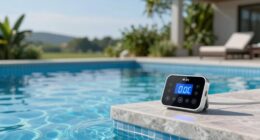
pool safety alarm system
As an affiliate, we earn on qualifying purchases.
As an affiliate, we earn on qualifying purchases.
Conclusion
By incorporating these childproof pool design features, you create a safe haven where kids can splash and play freely without constant worry. Imagine a backyard oasis, where a secure fence, a covered drain, and a self-closing gate work together like an invisible shield. It’s as if you’ve woven a protective net around your little ones, allowing them to enjoy the water’s fun while you breathe easy, knowing safety is built right into the design.
pool safety cover for children
As an affiliate, we earn on qualifying purchases.
As an affiliate, we earn on qualifying purchases.
non-slip poolside mats
As an affiliate, we earn on qualifying purchases.
As an affiliate, we earn on qualifying purchases.