
Pool alarms are effective safety tools that quickly notify you of unexpected water entry, helping prevent drownings. They feature advanced sensors to distinguish between debris, animals, and humans, and can connect to your smartphone for instant alerts. While they don’t physically prevent access, they work best when combined with other safety measures like fences and supervision. To learn more about how these devices fit into your overall safety plan, keep exploring the details.

Get pool and patio gear delivered free with Prime
- Fast, free delivery on millions of items
- Prime Video, Amazon Music and more included
- Member-only deals all year
Key Takeaways
- Pool alarms provide immediate alerts upon water entry, enhancing safety and compliance with regulations.
- Advanced sensors reduce false alarms caused by debris, animals, or environmental factors.
- They effectively complement physical barriers and supervision as part of a comprehensive safety strategy.
- Technological improvements have increased detection accuracy and reliability over time.
- While not physically preventative, they serve as valuable tools for prompt emergency response.
Swimming pools offer great fun, but they also pose safety risks, especially for children and pets. That’s where pool alarm devices come into play, providing an extra layer of security to help prevent tragic accidents. These alarms are designed to alert you immediately if someone enters the water unexpectedly, giving you precious seconds to respond. While many pool owners rely on them, it’s essential to understand what these devices do well and where they might fall short.
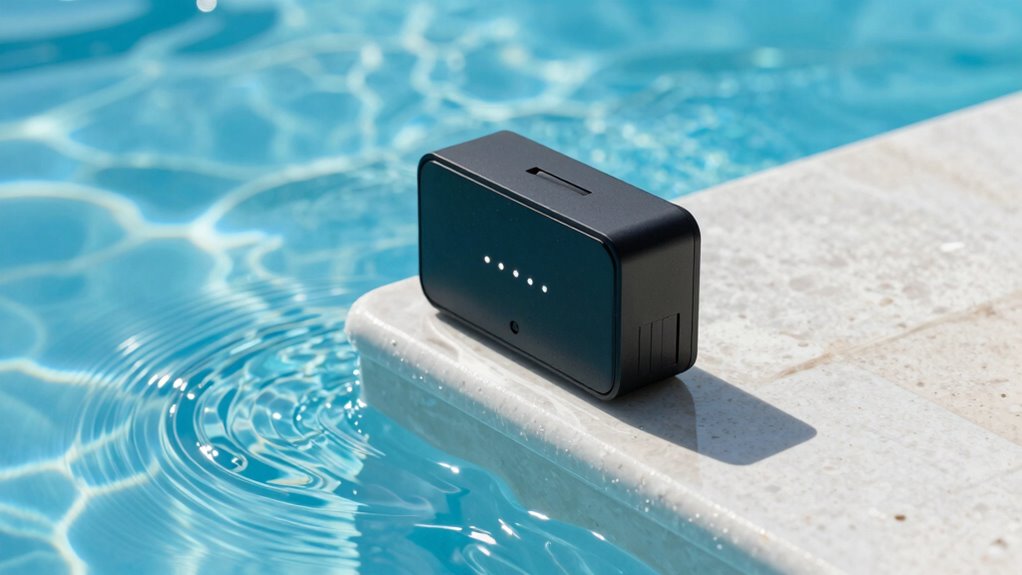
One of the biggest advantages of pool alarm devices is their ability to meet safety regulations. Many jurisdictions now mandate the use of such alarms for residential pools, recognizing their role in reducing drowning incidents. These regulations often specify the types of alarms that are most effective, whether they’re surface wave sensors, pressure-sensitive mats, or motion detectors. By adhering to safety regulations, you can guarantee that your pool setup complies with legal standards, providing peace of mind for you and your family.
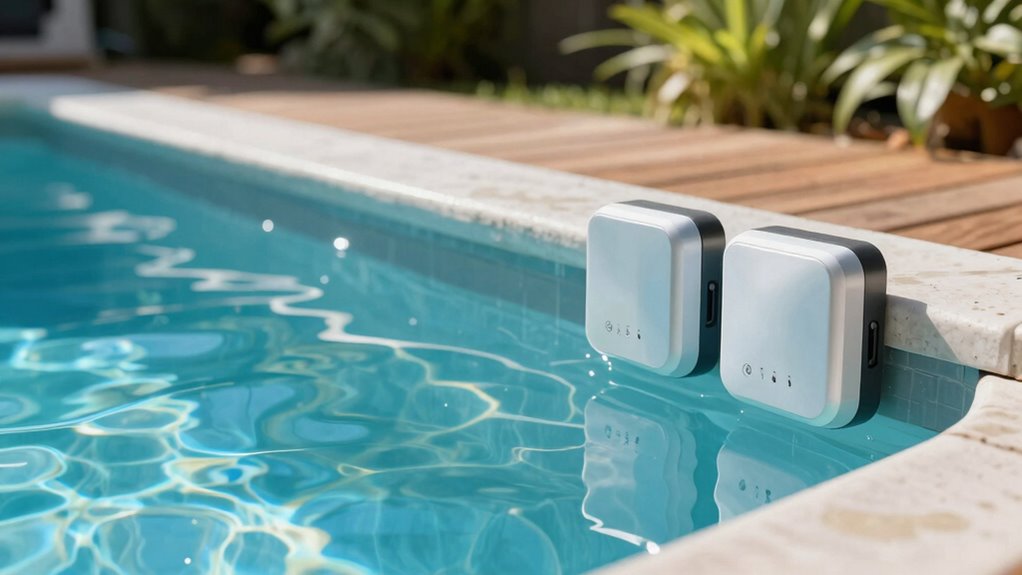
Technological advancements have considerably improved the performance of pool alarm devices over the years. Modern alarms now feature more sensitive sensors and smarter detection systems that can differentiate between a person falling in and, say, debris or animals hitting the water. Some alarms are equipped with wireless connectivity, allowing you to receive alerts directly on your smartphone, no matter where you are. This innovation means you don’t have to be physically near the pool to stay informed. Additionally, integration with home security systems has made these alarms more versatile, enabling complete safety coverage. Enhanced safety features have further increased their reliability and user confidence. Moreover, ongoing research and development in safety technology continue to enhance the effectiveness of these devices. For example, advances in sensor technology have improved their ability to reduce false alarms caused by environmental factors. A comprehensive understanding of pool safety can help you better evaluate the effectiveness of different alarm systems and other safety measures. As safety standards evolve, the design of alarms also adapts to incorporate new safety innovations.
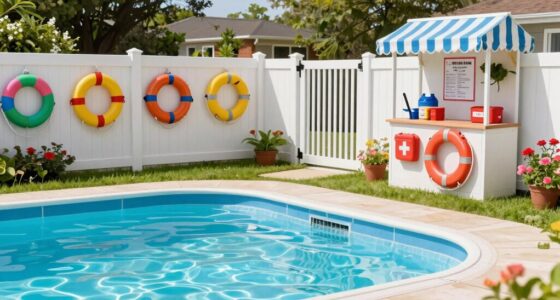
However, it’s important to recognize that pool alarms are not foolproof. They can sometimes generate false alarms, especially if they’re not properly maintained or calibrated. For example, heavy rain, wind-blown debris, or even certain pool covers might trigger alerts unnecessarily. Furthermore, while alarms alert you to a problem, they don’t physically prevent someone from entering the pool. That’s why they should be part of a broader safety plan that includes fencing, supervision, and other precautions.
In the end, pool alarm devices do well at providing immediate alerts and helping you stay compliant with safety regulations, thanks to ongoing technological advancements. Still, they’re most effective when used alongside other safety measures. These devices serve as a valuable tool, but the best safety strategy combines alarms with vigilant supervision and secure barriers. Only then can you truly minimize the risks and enjoy your pool with confidence.
pool alarm system with smartphone alerts
As an affiliate, we earn on qualifying purchases.
As an affiliate, we earn on qualifying purchases.
Frequently Asked Questions
How Accurate Are Pool Alarms in Detecting Unauthorized Entry?
Pool alarms are generally quite accurate at detecting unauthorized entry when properly maintained. Regular sensor calibration guarantees they respond accurately to movement or water disturbances, reducing false alarms. The alarm volume is also essential—if it’s too low, you might miss alerts; if too high, it could cause unnecessary panic. When you keep sensors calibrated and choose the right alarm volume, these devices become reliable tools for keeping your pool secure.
Can Pool Alarms Distinguish Between Humans and Animals?
Pool alarms generally can’t distinguish between humans and animals, but some models incorporate wildlife detection features to reduce false alarms. Alarm sensitivity settings play a vital role; if set too high, small animals might trigger the alarm, while lower sensitivity might miss human entry. To improve accuracy, choose a pool alarm with adjustable sensitivity and wildlife detection capabilities, ensuring it responds primarily to larger, human-sized movements and minimizes false triggers from animals.
What Is the Typical Lifespan of a Pool Alarm Device?
A typical pool alarm lasts about 3 to 5 years, depending on usage and maintenance. The lifespan is influenced by pool alarm features, like sensor quality and battery life. You might face installation challenges if the device isn’t compatible with your pool setup or if you don’t follow the manufacturer’s instructions carefully. Regularly checking and replacing batteries can extend your alarm’s functionality and guarantee it stays reliable.
Are Pool Alarms Suitable for All Pool Types and Sizes?
Pool alarms suit many pool types and sizes, but their effectiveness varies. You’ll find different Pool alarm types—surface, subsurface, and perimeter—each fitting specific setups. Larger pools may need more thorough coverage, while smaller ones benefit from simpler alarms. Installation considerations, like pool shape and location, influence suitability. You should evaluate your pool’s size and type carefully, ensuring the alarm system matches your pool’s needs for maximum safety and coverage.
How Much Maintenance Do Pool Alarm Systems Require?
Pool alarm systems require minimal maintenance, making them user-friendly. You should regularly check the alarm’s batteries and test its functionality to guarantee it works properly. During pool alarm installation, follow the manufacturer’s instructions for ideal setup. If your system becomes outdated, consider alarm system upgrades to enhance performance or add new features. Routine inspections and timely upgrades keep your pool alarm reliable, giving you peace of mind and safety.
As an affiliate, we earn on qualifying purchases.
Conclusion
Think of pool alarms as guardians at the gate—they’re there to alert you when something’s amiss. While they won’t stop every intruder, they serve as an essential warning system, much like a lighthouse guiding ships away from rocky shores. Rely on them as part of your safety toolkit, but remember, they’re just one piece of the puzzle. Ultimately, your vigilance and proactive measures are what truly keep your loved ones safe in the water.
pressure-sensitive pool alarm mat
As an affiliate, we earn on qualifying purchases.
As an affiliate, we earn on qualifying purchases.
As an affiliate, we earn on qualifying purchases.
Fall Picks
fall essentials
As an affiliate, we earn on qualifying purchases.