
Cheap patch jobs fail because they use low-quality adhesives and fillers that can’t withstand water, chemicals, or pressure. If you skip proper surface preparation, the patch won’t stick well and will peel or crack over time. Different pool surfaces need specific repair techniques, but cheap materials and methods often ignore this. As a result, the repair comes apart quickly, costing you more in the long run. To learn how to do it right, keep going.

Get pool and patio gear delivered free with Prime
- Fast, free delivery on millions of items
- Prime Video, Amazon Music and more included
- Member-only deals all year
Key Takeaways
- Low-quality adhesives and materials lack water, chemical, and pressure resistance, leading to quick deterioration.
- Inadequate surface preparation results in poor bonding and early patch failure.
- Using incompatible patches for specific pool surfaces causes cracks and leaks.
- Inferior patches cannot withstand environmental stresses like water exposure and chemical treatments.
- Cheap repairs often overlook professional techniques, reducing durability and increasing long-term costs.
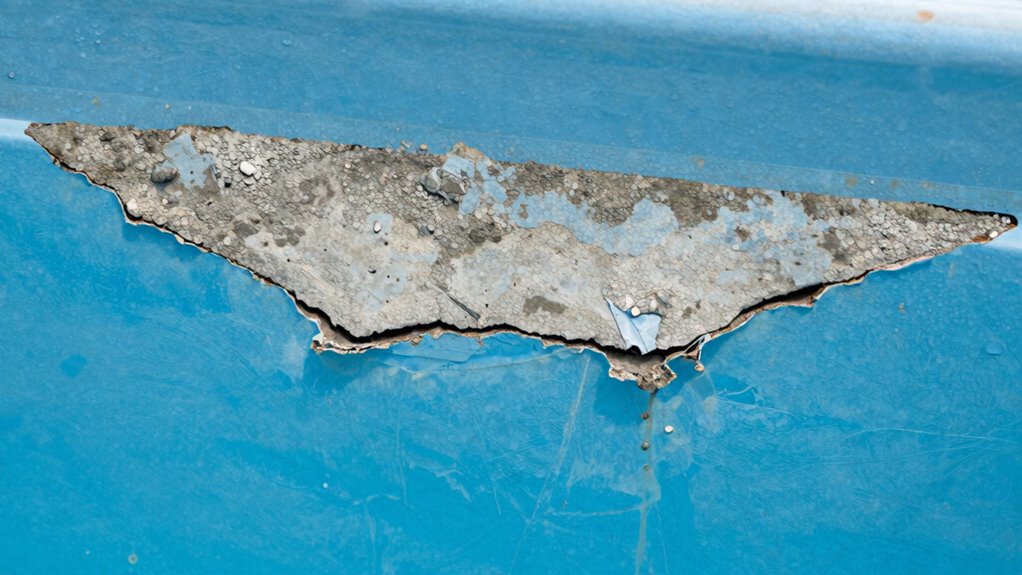
Thinking about repairing your pool surface? If you’re considering a quick, inexpensive patch job, you might want to pause and think twice. Cheap patch repairs often seem like a good idea at first, but they tend to fail sooner rather than later, costing you more in the long run. When it comes to pool maintenance, the goal should be to preserve surface durability. Subpar patch jobs rarely achieve this, leaving your pool vulnerable to further damage and more expensive repairs down the line.
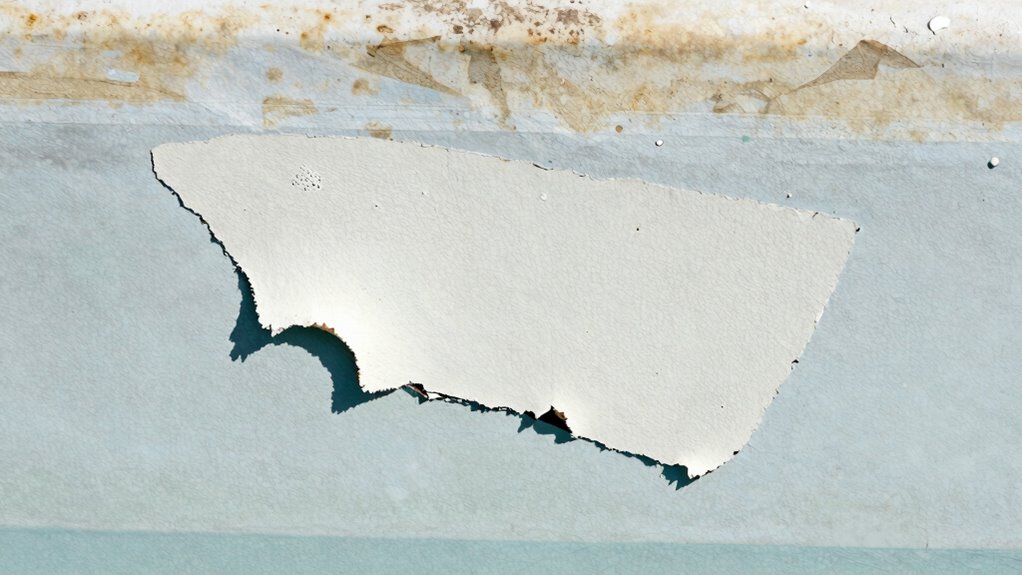
One major reason cheap patches fail is that they often don’t adhere properly to the existing surface. Pool surfaces are exposed to constant water, chemical treatments, and constant pressure, all of which test the strength of any repair. When a patch isn’t applied with the right materials or technique, it can peel, crack, or lift over time. Cheap patches usually use low-quality adhesives or fillers that aren’t designed to withstand the harsh environment inside a pool. This results in a temporary fix that looks okay at first but quickly deteriorates, exposing the underlying surface to more damage.
Another common problem with inexpensive patch jobs is the failure to prepare the surface correctly before applying the patch. Proper surface preparation is essential for ensuring good adhesion and long-lasting repairs. Skipping steps like cleaning, etching, or roughening the area can lead to poor bonding and eventual failure. Cheap repairs often neglect this critical step, which is why they tend to come apart or become ineffective within a few months. Without proper preparation, even the best patching material will struggle to stick and hold under the stress of regular pool use. Additionally, understanding the specific requirements of the pool surface material can significantly enhance the success of the repair, especially when selecting the right patching products. A thorough assessment of the surface condition can also guide you in choosing the most suitable repair method.
In addition, cheap patch jobs often neglect surface compatibility, which can significantly impact the longevity of the repair. Different surfaces—like plaster, fiberglass, or vinyl—require specific patching techniques and materials. Using a generic or unsuitable patch can compromise surface durability, making the repair more prone to cracks and leaks. Skilled pool repair professionals understand these nuances and choose the right products and methods tailored to your pool’s surface, ensuring a more durable, long-lasting fix. Recognizing the environmental stresses your pool surface faces can also help in choosing the correct repair approach and materials.
Ultimately, attempting to save money with a cheap patch might seem like a smart move initially, but it often leads to more expenses later. The best way to protect your pool’s surface and maintain its integrity is to invest in quality repairs handled by experienced professionals. Properly patched surfaces will last longer, resist damage better, and save you time and money in the long run. Remember, a well-executed repair isn’t just about fixing a problem; it’s about preserving your pool’s surface durability for years to come.
pool patch kit for vinyl surfaces
As an affiliate, we earn on qualifying purchases.
As an affiliate, we earn on qualifying purchases.
Frequently Asked Questions
How Long Does a Typical Pool Patch Last?
A typical pool patch lasts about 1 to 3 years, depending on factors like pool resurfacing quality and chemical compatibility. If you choose a high-quality patch and guarantee proper surface prep, it can extend the lifespan. Regular maintenance and balancing pool chemicals prevent early deterioration. Cheap patches often fail sooner because they lack durability and proper chemical resistance, leading to leaks or surface breakdown, so investing in quality guarantees longer-lasting results.
Are There Specific Patch Materials for Different Pool Surfaces?
Think of your pool like a garden—each surface needs the right soil. For patching, using specific patch materials tailored to your pool surface guarantees compatibility, like choosing the right fertilizer. Whether it’s plaster, vinyl, or fiberglass, selecting the right patch material for your pool surface compatibility guarantees a durable fix. Mismatched patches are like wrong plants in the garden—they won’t thrive, so always match patch material to your pool surface.
Can DIY Patch Jobs Prevent Future Leaks?
Diy patch jobs can prevent future leaks if you follow proper pool maintenance practices and use the right materials. While they offer cost-effective solutions, success depends on accurate application and surface preparation. If you neglect these steps, leaks may reoccur, leading to more costly repairs. To guarantee a long-lasting fix, invest time in proper patching techniques and regular maintenance, helping you save money and keep your pool in good shape.
What Signs Indicate a Patch Has Failed?
You notice cracks or leaks reappearing after a patch, which signals failure. Sometimes, it’s a coincidence—despite proper surface preparation and good chemical adhesion, the patch might not bond well if the surface wasn’t thoroughly cleaned or if the patch material was subpar. When these signs appear, it’s clear that the patch didn’t hold, likely due to inadequate surface prep or poor adhesion, leading to future leaks or surface deterioration.
How Often Should Pool Surface Repairs Be Performed?
You should schedule pool surface repairs annually or whenever you notice significant cracks, chips, or deterioration. Maintaining proper pool chemistry helps prevent damage, reducing the need for frequent repairs. For long-lasting results, rely on professional repairs rather than DIY fixes, as experts guarantee the surface is properly prepared and patched. Regular inspections and timely repairs keep your pool safe and in top condition, saving you money in the long run.
As an affiliate, we earn on qualifying purchases.
Conclusion
So, next time you consider a cheap patch job, ask yourself: is saving a few dollars worth risking bigger, costlier repairs down the line? When it comes to pool surfaces, cutting corners often leads to failure, leaks, and even more damage. Investing in quality repairs now can save you time, money, and frustration later. Don’t settle for temporary fixes—your pool deserves lasting solutions that keep it in top shape for years to come.
As an affiliate, we earn on qualifying purchases.
As an affiliate, we earn on qualifying purchases.
Halloween Picks
halloween
As an affiliate, we earn on qualifying purchases.