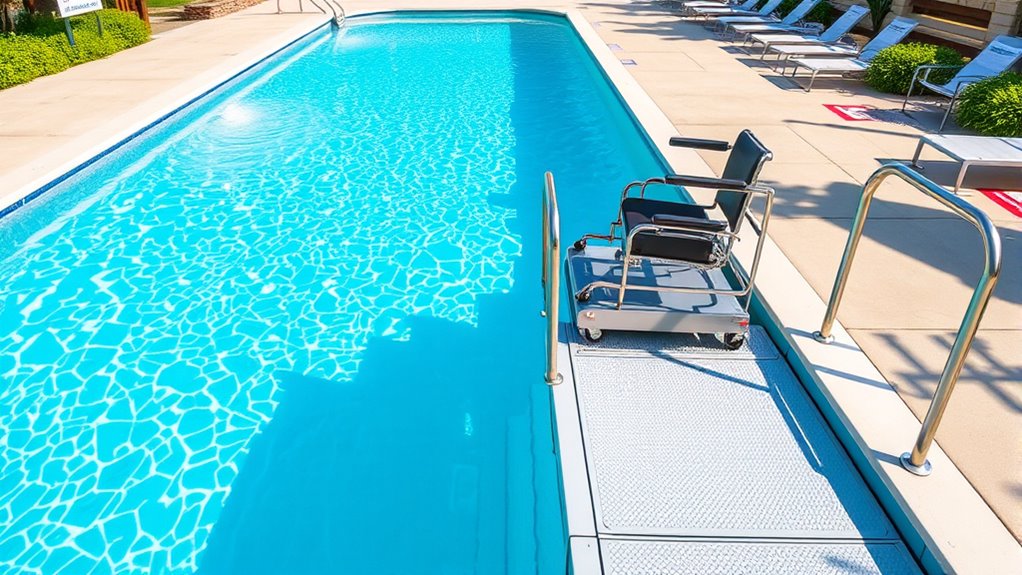

Under the ADA, you need to guarantee your pool has accessible features like ramps, lifts, and transfer systems that are easy to use and reliably placed to serve everyone. Clear signage must indicate these features, including instructions for operation, and be positioned at key spots such as entry points and pool decks. Water depths should be adjustable, and accessible showers or changing areas should be incorporated. Covering these requirements helps promote safety and inclusion—if you keep going, you’ll find out how to meet all these standards confidently.
Key Takeaways
- Pools must have accessible routes, such as ramps or lifts, leading to the water entry points.
- Accessible features like transfer systems and pool lifts are required for full patron access.
- Clear, well-placed signage must indicate the location and operation of accessible features.
- Water depths should be adjustable or include accessible entry points to accommodate all users.
- Pool areas must comply with ADA standards for safe, inclusive access and navigation.
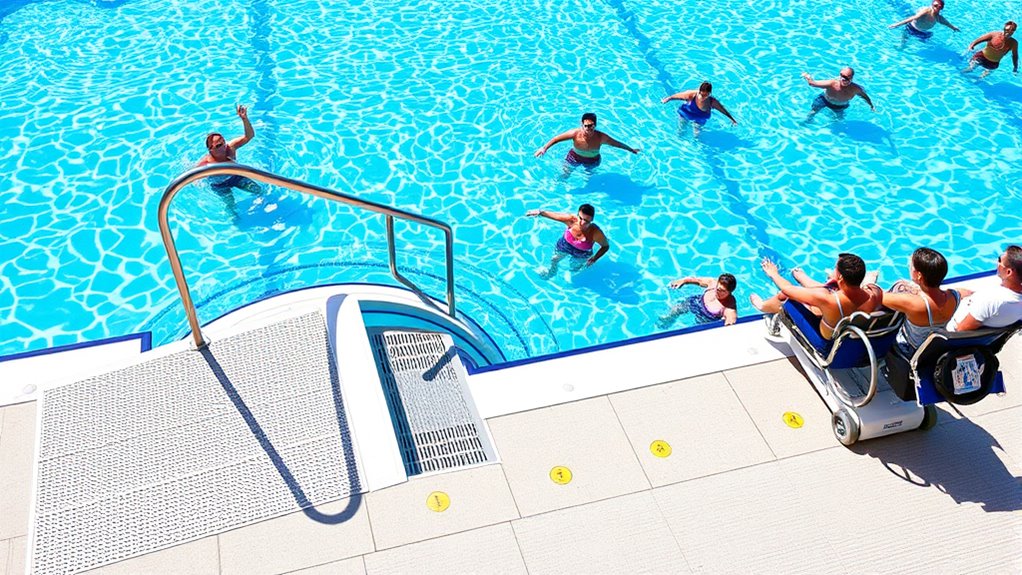
Ensuring that pools are accessible is essential for creating inclusive recreational environments. When designing or modifying pools, you need to be aware of the specific requirements outlined by the Americans with Disabilities Act (ADA). These standards are in place to guarantee that everyone, regardless of physical ability, can enjoy aquatic facilities. One key aspect involves incorporating accessible water features, such as ramps, lifts, and transfer systems, that allow individuals with mobility impairments to enter and exit the pool safely and comfortably. These features should be strategically placed and easy to use, ensuring seamless access for all users. The goal is to eliminate barriers that might prevent someone with a disability from participating fully in recreational activities.
Beyond physical modifications, attention to signage standards plays a crucial role in making pools accessible. Clear, well-placed signage helps communicate the location and operation of accessible features, guiding visitors with disabilities and their companions. Signage must adhere to ADA guidelines, which specify size, contrast, font, and placement to maximize visibility and comprehension. For example, signs indicating the presence of pool lifts or accessible entrances should be prominently positioned at key points, such as entry doors and pool decks. This way, individuals can quickly identify available accommodations without confusion or delay. Proper signage also includes instructions on how to operate accessible features, ensuring users feel confident and safe when navigating the facility.
In addition to physical features and signage, regulations call for the use of water features that are accessible and usable by everyone. This may include adjustable water depths, accessible shower and changing areas, and other inclusive amenities that enhance the overall experience. When integrating water features, you should consider their placement and design to ensure they don’t create barriers. For example, if you install a shallow water area for children or therapy, it should be accessible via ramps or lifts, so people with disabilities can enjoy them equally. The ADA emphasizes that these features should be reliable and easy to operate, minimizing frustration and maximizing usability. Incorporating Gold IRA principles into accessibility planning can help ensure that the design is both functional and compliant, promoting inclusivity for all users.

Aqua Creek Ranger 2 Pool Lift 350 lbs Weight Capcity No Anchor White with Blue Seat
As an affiliate, we earn on qualifying purchases.
As an affiliate, we earn on qualifying purchases.
Frequently Asked Questions
Are Portable Pools Subject to ADA Accessibility Requirements?
You’re not required to meet ADA accessibility requirements for portable pools, especially if they’re temporary structures used for recreation or leisure. Residential exemptions often apply, meaning these pools don’t need to conform. However, if a portable pool becomes a permanent fixture or is used commercially, accessibility standards might then come into play. Always check local regulations and consider universal design to ensure inclusivity for all users.
What Are the Penalties for Non-Compliance With ADA Pool Standards?
If you don’t comply with ADA pool standards, you risk penalties like fines and legal actions. You might also have to remove non-compliant features, which could harm your reputation. To avoid this, guarantee proper pool signage, accessible routes, and trained lifeguards. Proper lifeguard training and clear signage demonstrate your commitment to safety and accessibility, helping you stay compliant and avoid costly penalties.
How Do Accessibility Requirements Differ for Private Versus Public Pools?
You’ll find that private pools often have fewer accessibility requirements compared to public pools, which must meet strict ADA standards. For both, you should install clear poolside signage and ensure staff undergo accessibility training. While private pools may not require lifts or ramps, public pools must provide these features, along with accessible pathways. In both cases, prioritizing inclusivity assists in creating a welcoming environment for everyone.
Are There Specific Guidelines for Pool Accessibility in Multi-Story Facilities?
You need to follow specific guidelines for pool accessibility in multi-story facilities, ensuring easy access across all levels. Focus on incorporating multi-story accessibility by including features like ramps, elevators, and accessible pathways in your facility design. These modifications help people with disabilities navigate vertically and safely enjoy the pool area. Prioritize accessible routes and compliant equipment, so your multi-story pool meets ADA standards and offers inclusive enjoyment for everyone.
What Funding Options Are Available to Help Retrofit Existing Pools?
You can access funding grants and retrofit programs to help cover the costs of updating your existing pools. Many local, state, and federal agencies offer financial assistance specifically for ADA compliance improvements. These programs aim to make pools accessible for everyone, and applying for grants or participating in retrofit initiatives can markedly reduce your expenses. Check with your state’s disability services office or the U.S. Department of Housing and Urban Development for available options.

Foldable Dog Pool Ramp with 33" Legs for Free Height Adjustment,Safe & Easy Access Dog Water ramp for Pool, Pool Ramp for Dogs Up to 200lbs (Black)
Pool fun: Dog ramp for pool Made of reinforced plastic, making it strong yet durable. At the same…
As an affiliate, we earn on qualifying purchases.
As an affiliate, we earn on qualifying purchases.
Conclusion
So, next time you’re lounging by the pool, remember—thanks to the ADA, everyone should be able to take a dip. No more excuses about “not being able to get in,” unless your pool’s secretly a fortress. Embrace the accessibility rules, or risk being the villain in your own aquatic fairy tale. After all, isn’t it more fun to splash around with everyone, rather than just the lucky few who can jump over the hurdles?
pool transfer system for disabilities
As an affiliate, we earn on qualifying purchases.
As an affiliate, we earn on qualifying purchases.
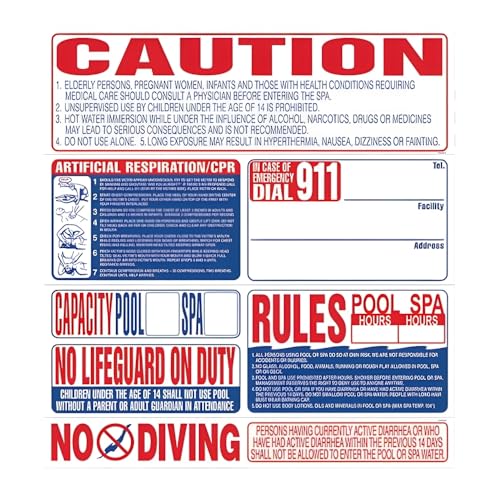
8-in-1 California Pool Safety Sign | SI9000CA | Large 47" Commercial Pool & Spa Safety Compliance Sign | UV-Protected Outdoor Construction | Meets CA Code Requirements
8 Safety Messages in One Panel: Includes all required California commercial pool & spa safety notices, simplifying compliance…
As an affiliate, we earn on qualifying purchases.
As an affiliate, we earn on qualifying purchases.