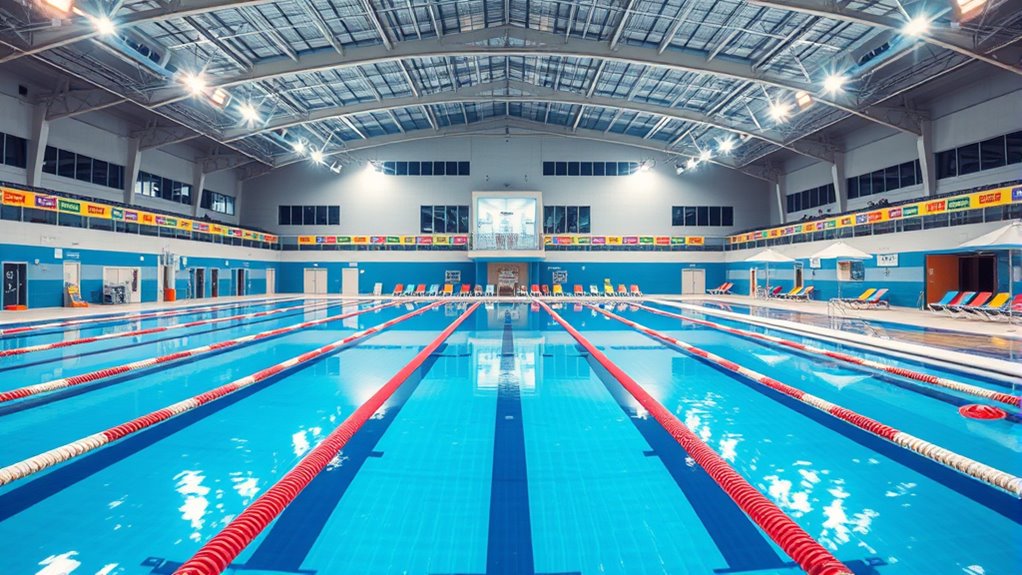
The Model Aquatic Health Code (MAHC) guides you with safety, sanitation, and health standards for public pools and aquatic centers. It covers water quality, proper disinfection, filtration systems, and maintenance routines. The MAHC also emphasizes swimmer safety through lifeguard training, safety signage, and emergency procedures. Additionally, it includes hygiene policies and chemical handling best practices. Exploring these areas helps you create safer aquatic environments—continue to see how these guidelines support your needs.

Get pool and patio gear delivered free — and shop member deals
- Fast, free delivery on millions of items
- Access to Prime Big Deal Days deals on October 6–7
- Prime Video, Amazon Music and more included
Key Takeaways
- The MAHC provides guidelines on sanitation, water quality, and safety protocols for recreational aquatic facilities.
- It covers facility design, proper water chemistry, filtration, and disinfection to prevent waterborne illnesses.
- The code establishes standards for swimmer safety, lifeguard training, safety equipment, and emergency preparedness.
- It emphasizes health policies like hygiene practices, restricting access for contagious illnesses, and equipment sanitation.
- Routine maintenance, safety signage, hazard prevention, and safe chemical handling are key operational focuses of the MAHC.
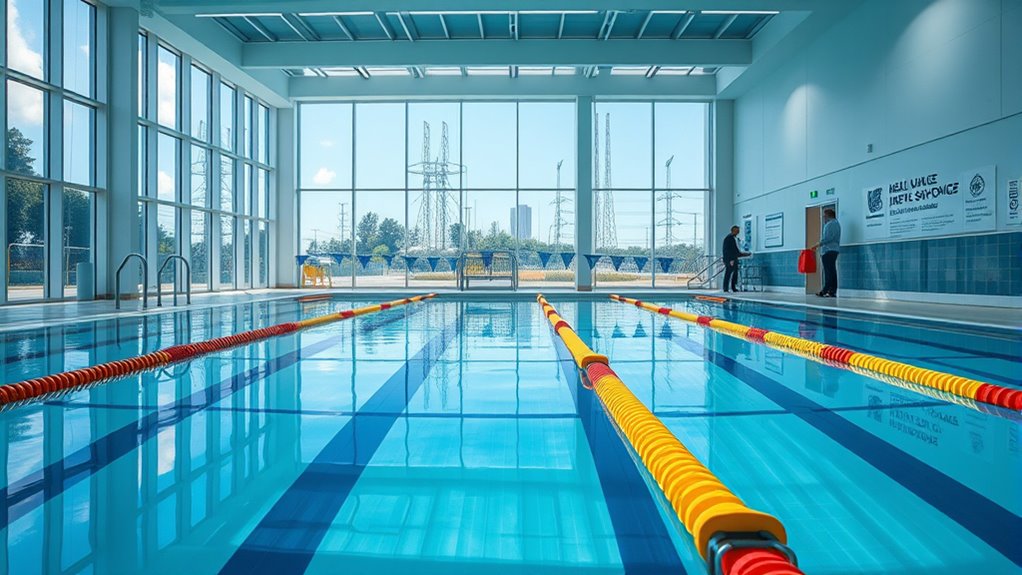
Are you curious about what the MAHC is and how it functions? The Model Aquatic Health Code (MAHC) is a extensive set of guidelines designed to promote safe and healthy aquatic environments. It’s created by the CDC to help public health officials, pool operators, and facility managers prevent injuries and illnesses related to recreational water use. Think of it as a blueprint that covers nearly every aspect of managing public pools, hot tubs, and water parks, ensuring safety standards are consistent across the country. The MAHC is flexible, allowing jurisdictions to adapt it to their specific needs while maintaining core safety principles.
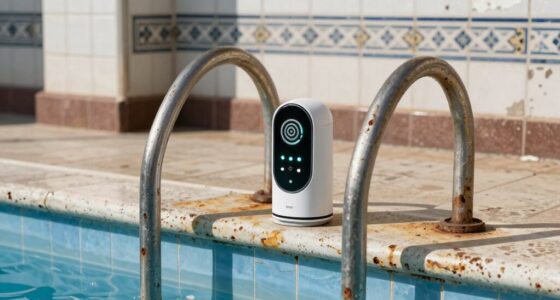
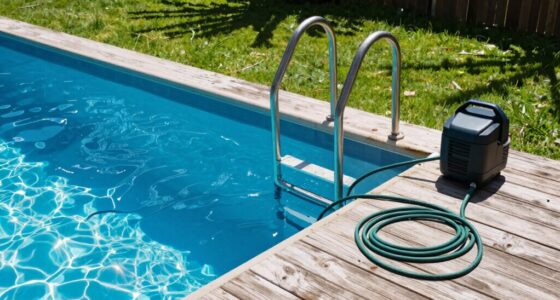
At its core, the MAHC addresses sanitation, water quality, and safety protocols. It provides detailed recommendations for maintaining appropriate water chemistry, including pH and disinfectant levels. Proper disinfection is critical to eliminating harmful bacteria and viruses, such as Cryptosporidium, which can cause severe gastrointestinal illness. The code emphasizes routine testing and proper filtration to keep water clean and safe for swimmers. It also guides the design and operation of filtration systems, ensuring they function effectively to remove debris and contaminants.
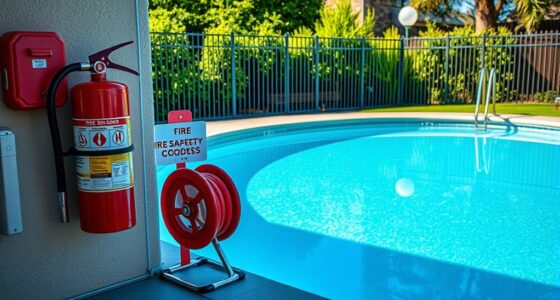
Another key focus of the MAHC is swimmer safety and facility management. It sets standards for lifeguard training, emergency action plans, and safety equipment, such as rescue devices and first aid supplies. The code encourages clear signage and rules to inform swimmers about safe behaviors while in the water. It also emphasizes the importance of water depth markings, non-slip surfaces, and barriers to prevent accidental drownings, especially for young children. Regular maintenance, inspections, and record-keeping are critical components, helping operators identify potential hazards before they cause harm.
The MAHC also tackles issues related to health and hygiene. It recommends policies for sick guests, such as restricting access to those with communicable illnesses, and promotes hygiene protocols like showering before swimming. Pool facilities are expected to implement sanitation procedures for shared equipment, such as lane lines and diving boards, to prevent cross-contamination. Additionally, the code covers the proper handling and storage of chemicals used for water treatment, ensuring operators follow safe practices to protect both staff and patrons.
As an affiliate, we earn on qualifying purchases.
Frequently Asked Questions
How Often Is the MAHC Updated?
You should know that the MAHC is updated every two years. The CDC and other experts review current scientific data, emerging risks, and industry feedback to revise the code. These updates guarantee that your aquatic facilities stay safe and compliant with the latest health standards. Staying informed about the biennial updates helps you implement best practices, reduce risks, and maintain a healthy environment for swimmers and staff alike.
Who Enforces Compliance With MAHC Standards?
You can’t manage what you don’t measure, so enforcement of MAHC standards is essential. Typically, local health departments oversee compliance, inspecting facilities regularly and responding to complaints. They ensure aquatic venues follow safety protocols and health codes. If you operate a pool or aquatic facility, stay proactive—understand the standards, conduct self-inspections, and collaborate with health officials. This way, you help protect public health and keep your facility in line with regulations.
Are Private Pools Included in the MAHC Guidelines?
Yes, private pools are included in the MAHC guidelines. While the code mainly targets public and semi-public pools, it also provides recommendations for private pools, especially those used for commercial purposes or large residential communities. As someone responsible for pool safety, you should follow these guidelines to guarantee proper sanitation, safety measures, and maintenance. Adhering to MAHC standards helps prevent waterborne illnesses and accidents in private pool settings.
How Does MAHC Differ From Local Regulations?
Imagine a world where every pool inspector is a superhero—okay, maybe just a cautious lifeguard—but that’s what MAHC aims for. It’s a set of nationally recognized guidelines, unlike local rules that might be more like a quirky neighborhood watch. So, while local regs can vary wildly, MAHC offers a consistent, science-backed blueprint to keep everyone safe. Think of it as the superhero cape for aquatic safety standards.
Can the MAHC Be Customized for Different Facility Types?
Yes, you can customize the MAHC for different facility types. The code provides a flexible framework, allowing you to adapt standards based on your facility’s size, services, and specific needs. You can modify certain protocols or add procedures to better suit your environment, ensuring safety and health compliance. Just make sure your customizations align with the core principles of the MAHC and local regulations to maintain safety standards.
As an affiliate, we earn on qualifying purchases.
Conclusion
Think of the Model Aquatic Health Code as your guiding star, illuminating safe waters amidst the vast ocean of aquatic recreation. It’s your trusted compass, steering you clear of unseen hazards and ensuring every splash stays fun and safe. By embracing its standards, you become the captain of a well-charted vessel, steering through the currents of health and safety. With this code, you hold the map to a safer, healthier aquatic world—where everyone can plunge in with confidence.
As an affiliate, we earn on qualifying purchases.
As an affiliate, we earn on qualifying purchases.
Evergreen bestsellers Picks
bestsellers
As an affiliate, we earn on qualifying purchases.