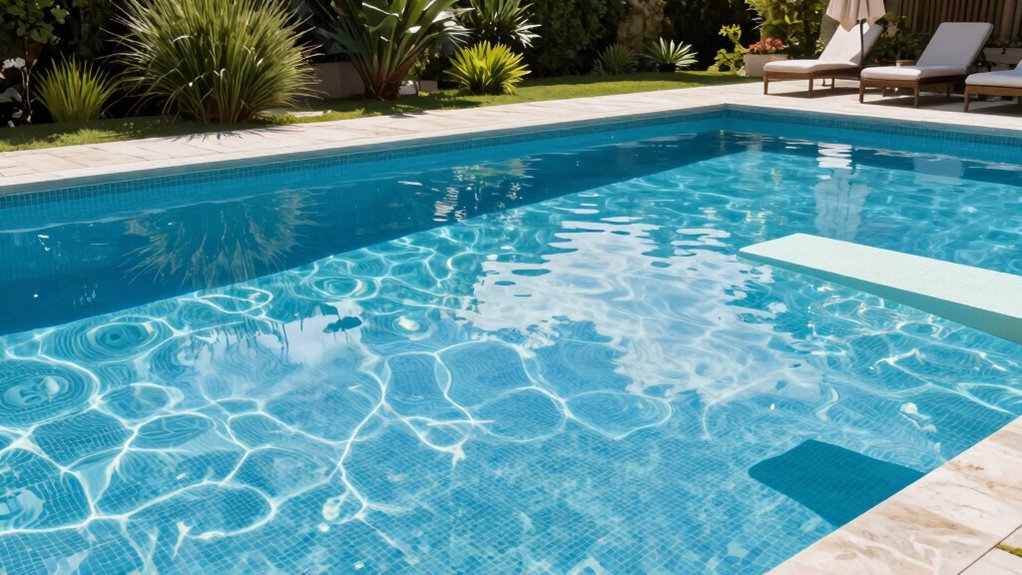

Before building or buying a pool, you wish you had asked about local safety requirements like fencing height, self-closing gates, and safety covers. Understanding these codes can prevent costly modifications, legal issues, and safety hazards later. Skipping permits or ignoring regulations might lead to fines, insurance problems, or unsafe conditions. Knowing the details now helps guarantee quick approval and safe operation. Keep exploring to discover more tips that could save you time and trouble down the line.
Key Takeaways
- Clarify specific fencing height and gate safety requirements to prevent future modifications.
- Confirm permit requirements and inspection processes to ensure legal compliance from the start.
- Understand approved safety features like covers and alarms for long-term pool safety.
- Verify electrical and drainage standards to avoid costly corrections later.
- Ask about potential penalties or legal issues for non-compliance to mitigate risks.
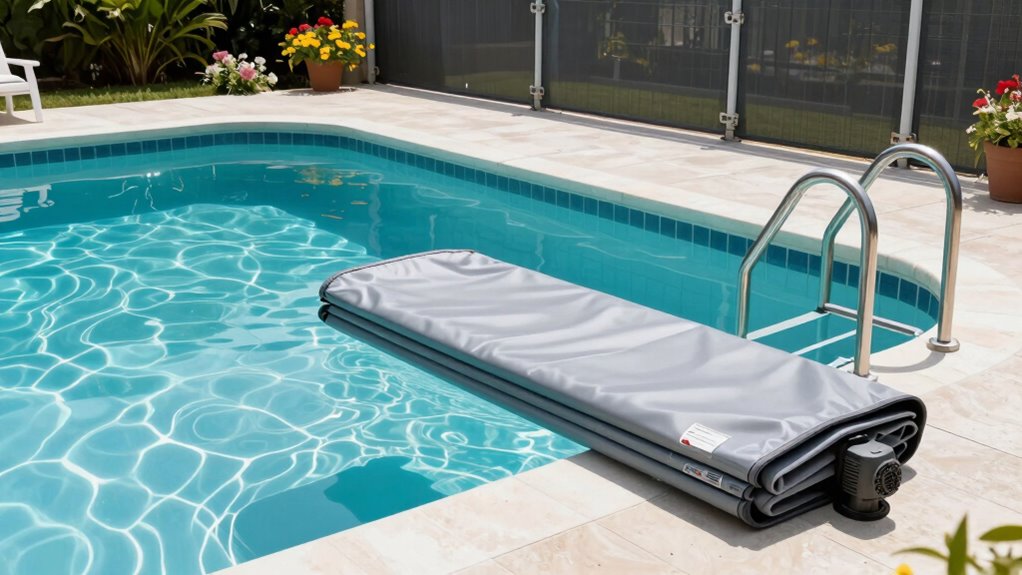
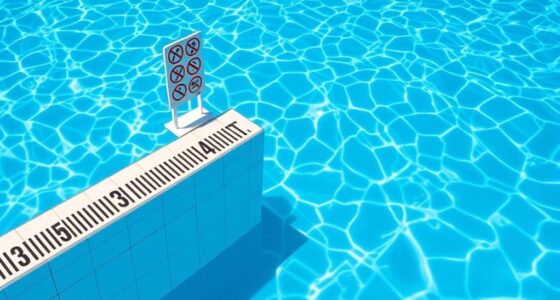
When you’re enthusiastic to enjoy your new pool, it’s easy to overlook the importance of understanding local pool code requirements. But skipping this step can lead to surprises that delay your fun and possibly increase costs. One of the most critical aspects is ensuring your pool complies with local regulations designed to keep everyone safe. Pool safety isn’t just about having a secure barrier or alarm; it also involves adherence to specific standards that prevent accidents and injuries. Before you dive in, it’s essential to know what safety features are legally required in your area. These might include fencing height, self-closing gates, and safety covers. Failing to meet these standards could mean costly modifications later or, worse, risking safety for family and guests. Ensuring your pool’s compliance with safety standards** can also help you avoid legal issues and potential liability. Additionally, understanding local building codes** can help you better communicate your plans with contractors and inspectors, ensuring everyone is on the same page from the start.
Understanding local pool safety requirements helps prevent costly modifications and ensures your family’s safety.
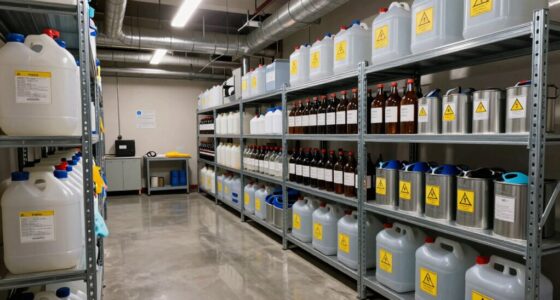
Another vital factor many buyers overlook is the need for proper construction permits. These permits aren’t just bureaucratic hurdles—they’re legal requirements that validate your pool’s construction. When you skip obtaining the necessary permits, you risk fines, forced modifications, or even having to drain and rebuild parts of your pool. Permits ensure your pool is constructed according to safety standards and local codes, which can include everything from proper electrical wiring to adequate drainage. They also provide a record that your pool was built legally, which can be invaluable when you decide to sell your home. Additionally, understanding local regulations can help you navigate the permitting process more smoothly and avoid unnecessary delays. Being aware of the permitting process in your area can save time and prevent frustrations. Recognizing the importance of building code compliance can also help you work more effectively with contractors and inspectors, ensuring a smoother process overall. Ignorance of these requirements can lead to costly and stressful issues later on.
Understanding the importance of construction permits can save you from headaches down the line. Many buyers assume that if the pool looks good and appears functional, it’s fine. But unpermitted work might not meet safety standards, and insurances may refuse to cover damages or liabilities if your pool was built without proper permits. Plus, if future inspections reveal non-compliance, you could be forced to make costly adjustments or even face legal action.
Knowing about pool safety regulations and construction permits upfront helps you make informed decisions. It’s wise to ask your contractor or local building department about the exact requirements before starting construction or filling your pool. Doing so not only ensures your pool is legal but also safeguards everyone who uses it. Safety features, proper permits, and adherence to local codes might seem like a hassle initially, but they’re investments in peace of mind and long-term enjoyment. Remember, a well-built, code-compliant pool offers more than just fun; it provides security and peace of mind for you and your loved ones.

Pool Fence DIY by Life Saver Self-Closing Gate Kit, Black (Pack of 1)
- Easy DIY installation: Simple to install with the Pool Fence system
- Walk-through opening: 2-foot wide access point for convenience
- Recommended height: 4 feet tall for safety and visibility
As an affiliate, we earn on qualifying purchases.
As an affiliate, we earn on qualifying purchases.
Frequently Asked Questions
Are There Any Hidden Fees in the Pool Code Regulations?
There usually aren’t hidden fees in pool code regulations, but compliance costs can surprise you if you’re unaware. Some local jurisdictions might require additional permits or inspections, which could add to your expenses unexpectedly. It’s wise to ask your contractor or local authorities upfront about any potential fees beyond the standard code requirements. Being informed helps you budget accurately and avoid surprises during your pool installation or renovation process.
How Often Does the Pool Code Get Updated?
You might wonder how often pool code updates happen, especially when considering pool maintenance and water chemistry. Typically, these updates occur every few years to guarantee safety, environmental standards, and new technology integration. Staying informed about these changes helps you maintain water chemistry properly and ensure your pool complies with current regulations. Regularly checking local or national pool safety agencies’ updates keeps you ahead, avoiding costly mistakes or violations.
What Are the Consequences of Non-Compliance?
If you don’t comply with pool codes, you face serious liability concerns and legal penalties. Non-compliance can lead to hefty fines, lawsuits, or even the shutdown of your pool. You might also be held responsible for accidents or injuries, which could result in costly damages or liability claims. To avoid these consequences, make sure your pool meets all current regulations and gets inspected regularly. Staying compliant protects you legally and financially.
Can I Request a Custom Pool Design Under the Code?
Yes, you can request a custom design, but it’s vital to take into account code restrictions. Communicate clearly with your contractor about your dream design, and make sure it aligns with local pool codes. While custom features add flair, they must meet safety standards and zoning rules. Planning proactively helps prevent problems, allowing your unique pool to become a safe, stunning centerpiece that satisfies both your style and the standards set by the code.
Are There Specific Safety Features Mandated by the Code?
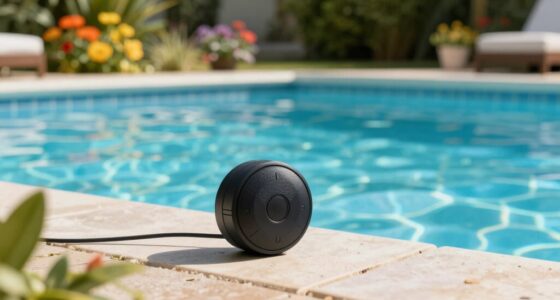
Yes, the code mandates specific safety features for pools to guarantee safety. You’re required to install pool safety barriers, such as fences with self-latching gates, to prevent unsupervised access. Pool safety also involves proper lighting, safety covers, and alarms around the pool area. These code mandates aim to reduce accidents, especially for children. Make sure to check local regulations, as requirements can vary by jurisdiction.

Automatic Motorized Solar Blanket Cover Reel/Roller for Pools up to 20×40'
- Easy Installation: Fits 20 ft pool reels, quick setup
- Solar-Powered Operation: Battery-powered, grid-independent, eco-friendly
- Complete Kit Included: Motor unit, charger, and adapter included
As an affiliate, we earn on qualifying purchases.
As an affiliate, we earn on qualifying purchases.
Conclusion
Just like Icarus soaring too close to the sun, diving into pool ownership without understanding the code can lead to costly mistakes. By asking the right questions beforehand, you steer clear of surprises and guarantee your backyard oasis is both beautiful and compliant. Remember, knowledge is your shield against future regrets. So, before you take the plunge, arm yourself with all the details—your dream pool deserves a wise start.

Pool Alarm for Inground & Above Ground Pools,Adjustable Sensitivity Water Detection Alarms Covers 20x40ft,85dB+ Safety Alert for Kids,Pets & Accidental Entry,Weatherproof UV&Corrosion Resistant BU&GR
- Pool Safety for Kids and Pets: Protects against unexpected water entry
- Easy Setup, No App or WiFi: Plug and place in water for quick installation
- Loud 85dB+ Audible Alarm: Alerts from up to 10 feet away
As an affiliate, we earn on qualifying purchases.
As an affiliate, we earn on qualifying purchases.

CRAFTMARK Swimming Pool Pipe and Equipment Identification Sticker Kit,Premium Grade-Sheet Form Pool/Spa Marker Kit (White)
- Durable outdoor-grade material: Resistant to outdoor conditions
- UV laminated for longevity: Extended outdoor lifespan
- Five color options: Multiple standard color combinations
As an affiliate, we earn on qualifying purchases.
As an affiliate, we earn on qualifying purchases.