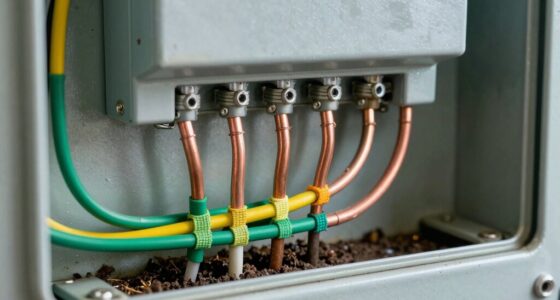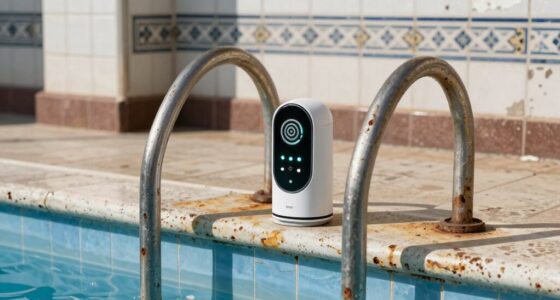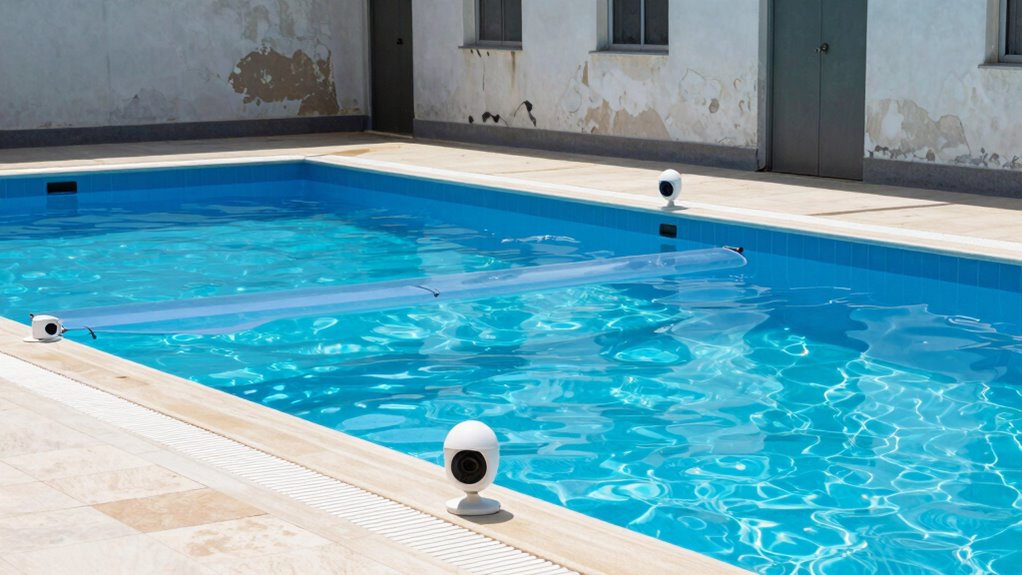

When adding new safety tech to an older pool, you need to check your existing infrastructure first. Make certain that the current drain covers are in good condition and meet safety standards, and verify that alarms and sensors are clean, calibrated, and functioning properly. Inspect equipment for wear or corrosion before integration. Confirm that safety signage remains visible and effective. Keeping detailed records of upgrades helps maintain compliance. If you’re interested in more tips, keep exploring how to guarantee a seamless safety upgrade.

Get pool and patio gear delivered free with Prime
- Fast, free delivery on millions of items
- Prime Video, Amazon Music and more included
- Member-only deals all year
Key Takeaways
- Ensure new safety systems integrate seamlessly with existing pool infrastructure and control panels.
- Verify all sensors and alert devices are properly calibrated, unobstructed, and functioning correctly.
- Conduct thorough testing of new safety features to confirm prompt alerts and response capabilities.
- Update safety signage and emergency procedures to reflect the new technology and protocols.
- Keep detailed records of equipment upgrades, inspections, and maintenance for compliance and future reference.
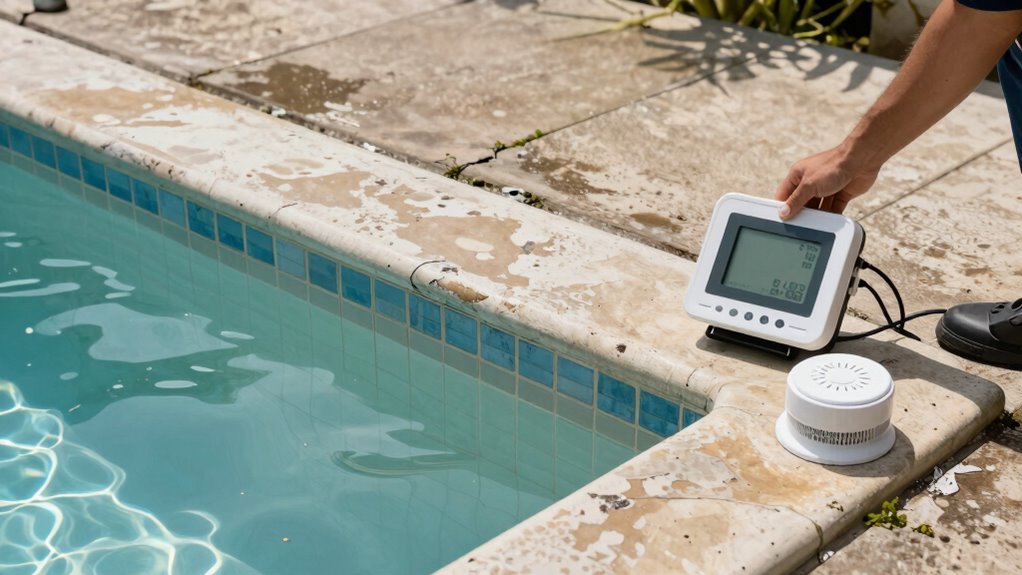
As pools age, their safety features can become outdated or malfunction, increasing the risk of accidents. When you add new safety tech to an older pool, it’s vital to guarantee everything works seamlessly together. Automated alert systems are a game-changer, but they won’t serve their purpose if they’re not properly integrated or maintained. Check that the alert system is connected to all key areas, such as the main drain, pool perimeter, and entry points. Test the system regularly to confirm that it triggers alerts promptly when there’s a problem, like a person in distress or a drain cover displacement. If the system relies on sensors, make sure they’re clean, unobstructed, and calibrated correctly. Remember, the goal is immediate notification; any delay could have serious consequences. Ensuring that safety features are properly maintained is crucial for their effectiveness. Regular maintenance includes inspecting all safety-related equipment for signs of deterioration and ensuring they meet current safety standards. It’s also beneficial to review safety standards periodically to ensure your pool’s safety features are up-to-date with industry best practices. Equally important are enhanced drain covers, which have become a standard safety upgrade for older pools. These covers are designed to prevent entrapment and reduce suction hazards, but they only work if they’re installed correctly and in good condition. Inspect the covers for cracks, corrosion, or signs of wear. Confirm that they fit securely over the drains and aren’t loose or damaged. If you notice any issues, replace the covers immediately. It’s also wise to verify that your drain covers meet current safety standards, as older covers might not comply. Upgrading to modern, compliant enhanced drain covers can markedly lower the risk of entrapment and suction accidents, especially in aging pools where equipment may have deteriorated over time. Beyond these specific features, check the entire safety system for overall functionality. Make sure alarms are audible and loud enough to alert anyone nearby. Test the pool’s emergency shut-off mechanisms to ensure they trigger when needed. It’s also worth reviewing any existing safety signage around the pool, updating or adding clear, visible instructions for emergency situations. Regular maintenance is key; even the most advanced safety tech can fail if neglected or improperly installed. Keeping detailed records of inspections, upgrades, and repairs helps you stay on top of your pool’s safety status. By combining updated alert systems with reliable, compliant drain covers, you create a safer environment for everyone. Remember, aging pools require proactive checks and timely upgrades to guarantee that all safety measures work together effectively, minimizing risks and protecting your loved ones.
pool drain covers compliant safety
As an affiliate, we earn on qualifying purchases.
As an affiliate, we earn on qualifying purchases.
Frequently Asked Questions
How Often Should Safety Tech Be Inspected in Older Pools?
You should inspect your older pool’s safety tech monthly to guarantee it’s functioning properly. During these inspections, check the pool chemical levels to maintain water quality and safety. Also, verify that water circulation systems are working efficiently, preventing stagnation and ensuring safety features operate as intended. Regular inspections help catch issues early, keeping your pool safe and well-maintained as new safety technology gets integrated.
Can New Safety Tech Be Installed Without Draining the Pool?
Ever wondered if you can upgrade your pool’s safety tech without draining it? Yes, you can install new safety features like modern pool lighting and chemical sensors without draining your pool. These systems are typically designed for retrofit installation, often requiring only minimal adjustments. However, it’s wise to consult a professional to guarantee compatibility and proper setup, so you keep your pool safe and functional with the latest technology.
Are There Compatibility Issues With Existing Pool Equipment?
Yes, compatibility issues can arise with existing pool equipment when adding new safety tech. You should check if the new system works with your current pool chemical levels and equipment, like pumps or filters. Make sure the materials and connectors are compatible to avoid leaks or malfunctions. Consulting a professional can help verify equipment compatibility, so your upgraded safety features operate smoothly and keep your pool safe without disrupting existing systems.
What Maintenance Is Required for New Safety Devices?
Did you know that properly maintained safety devices can extend their lifespan by up to 30%? When caring for new safety tech, you need to regularly inspect and clean the equipment to guarantee peak performance. Keep your pool aesthetics in mind by avoiding harsh chemicals that could damage devices, and monitor water chemistry closely to prevent corrosion. Routine maintenance helps guarantee safety devices work effectively and keep your pool safe and attractive.
How Do Safety Tech Updates Affect Pool Warranty Coverage?
Safety tech updates can impact your pool warranty coverage if not properly maintained or installed. You need to make certain these updates don’t compromise pool aesthetics or water chemistry, as neglecting these aspects might void warranties. Regular inspections and following manufacturer guidelines help protect your coverage. Keep detailed records of all updates and maintenance, so if issues arise, you can demonstrate proper care and prevent warranty disputes.
As an affiliate, we earn on qualifying purchases.
Conclusion
When adding new safety tech to your older pool, it’s essential to double-check that everything integrates seamlessly and functions correctly. Are you prepared to guarantee your safety upgrades truly protect everyone? Regular maintenance and testing are key to catching issues early. By staying proactive, you can enjoy peace of mind knowing your pool remains a safe, fun haven for family and friends. Isn’t it worth taking a few extra steps to keep everyone secure?
As an affiliate, we earn on qualifying purchases.
As an affiliate, we earn on qualifying purchases.
Fall Picks
fall essentials
As an affiliate, we earn on qualifying purchases.