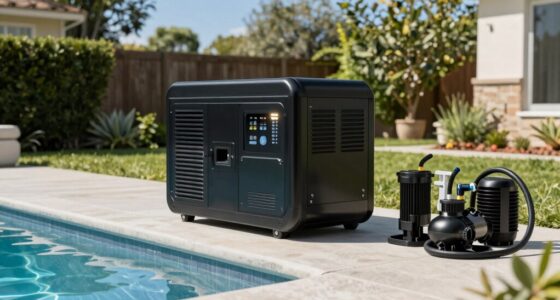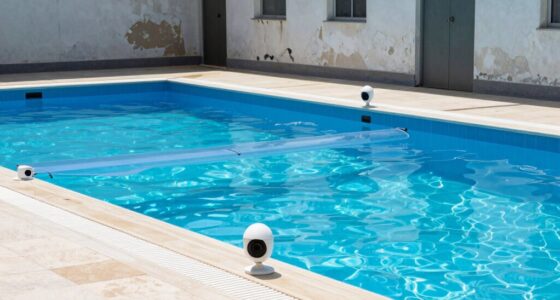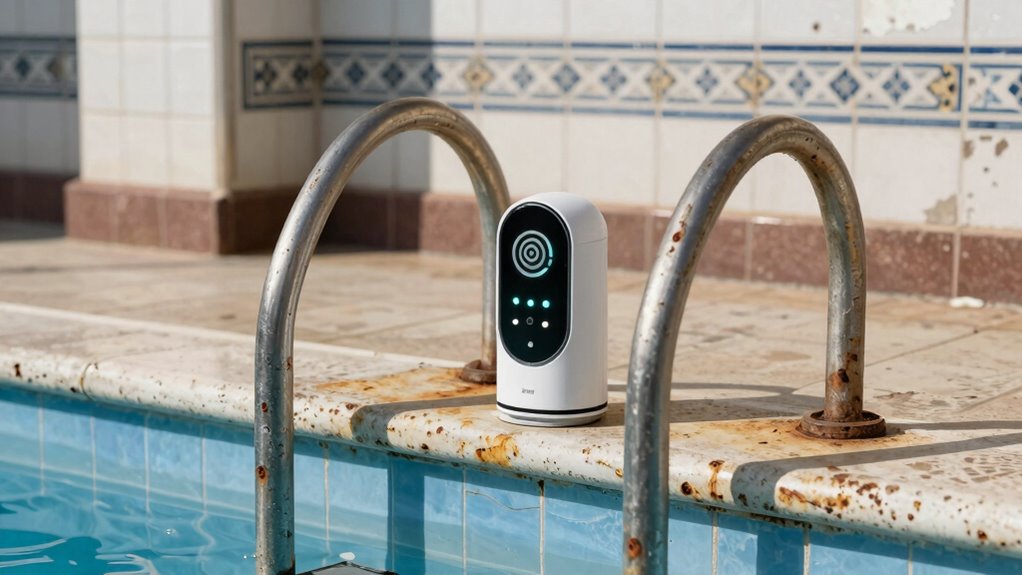

Integrating new safety tech into older pool codes can be challenging because many regulations focus on manual inspections and traditional safety measures, which don’t account for real-time automated systems. You might face hurdles like outdated guidelines, unclear standards for installation, or acceptance of automated alerts. To succeed, you’ll need to work with local authorities, demonstrate how your tech exceeds current standards, and advocate for updates. Keep going to learn more about bridging this regulatory gap effectively.

Get pool and patio gear delivered free with Prime
- Fast, free delivery on millions of items
- Prime Video, Amazon Music and more included
- Member-only deals all year
Key Takeaways
- Modern safety tech often conflicts with outdated regulations focused on manual inspections and static safety measures.
- Regulatory gaps exist due to lack of guidance on deploying and maintaining automated monitoring systems.
- Collaboration with authorities can demonstrate compliance and facilitate acceptance of new safety technologies.
- Updating or amending existing codes is necessary to recognize automated alerts and real-time safety systems legally.
- Proactive communication and advocacy help align innovative safety solutions with traditional regulatory frameworks.
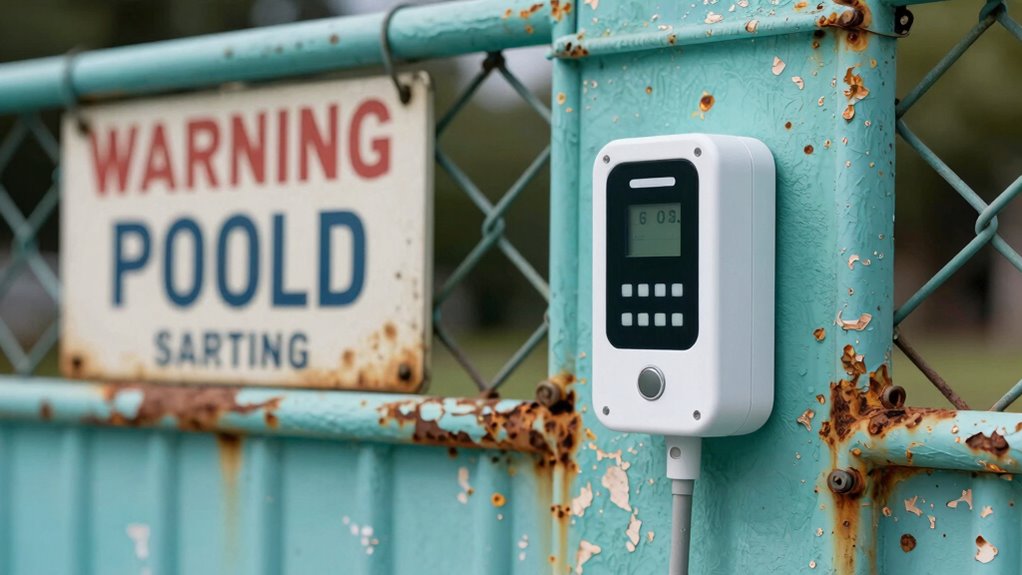
As safety technology advances, many older pool code frameworks struggle to keep up with modern standards, leaving pool owners and operators uncertain about compliance and safety. New safety tech, like automated monitoring systems and advanced emergency response tools, can considerably enhance pool safety, but integrating them into outdated frameworks isn’t always straightforward. These older codes were designed around manual inspections and static safety measures, which can clash with the dynamic, real-time capabilities of modern systems. This disconnect raises questions about whether current regulations accommodate innovations like automated monitoring, which constantly tracks water quality, user activity, and safety hazards to alert you immediately if something’s wrong.
Automated monitoring plays an essential role in catching hazards early. It can detect sudden changes in water chemistry, unauthorized access, or unusual activity that might indicate a safety risk. However, older codes often don’t specify how these systems should be installed, maintained, or integrated with existing safety protocols. As a result, you might worry whether your modern system complies with local standards or if it’s considered an acceptable safety measure. This uncertainty can delay upgrades or cause hesitation in adopting new tech, even when it could prevent accidents.
Older codes often lack guidance on installing and maintaining modern automated safety systems, causing compliance concerns and delays.
Emergency response is another area where modern safety tech makes a difference, yet old frameworks may not fully recognize these advancements. Today’s emergency response systems can automatically alert emergency services, notify pool staff, or activate alarms the moment a problem is detected. These features drastically reduce response times and can save lives. But if your local regulations focus solely on lifeguards or manual emergency procedures, you might question whether these automated responses are legally acceptable or if you need special permissions to implement them. This creates a gap between what technology offers and what regulations allow, making it harder for you to justify investing in these systems. Recognizing how regulatory flexibility supports the integration of new safety systems can make the process smoother.
Despite these challenges, integrating new safety tech into older frameworks is essential. You need to stay compliant while leveraging the latest innovations that can prevent drownings, chemical imbalances, or unauthorized access. To do this, you might have to work closely with local authorities or safety regulators to demonstrate how your automated monitoring and emergency response systems meet or exceed existing safety standards. In some cases, you may need to advocate for updates or amendments to current codes, emphasizing how these technologies enhance safety and compliance. Recognizing the importance of modern safety regulations can help bridge the gap between technology and compliance. Additionally, understanding how regulatory adaptability supports the integration of new safety systems can make the process smoother.
In the end, embracing modern safety tech within outdated frameworks requires proactive communication and a clear understanding of your local regulations. While these systems can seem incompatible at first, they’re invaluable tools that, when properly integrated, markedly improve pool safety and help you respond swiftly to emergencies.
automated pool safety monitoring system
As an affiliate, we earn on qualifying purchases.
As an affiliate, we earn on qualifying purchases.
Frequently Asked Questions
How Do Safety Tech Upgrades Affect Existing Pool Inspections?
Safety tech upgrades, like automated monitoring and remote alerts, can streamline your pool inspections by providing real-time data on safety features. You’ll quickly identify issues, ensuring compliance with safety standards. These upgrades may require updates to your existing inspection routines, but they ultimately make inspections more efficient and thorough. Embracing this technology helps you proactively address potential hazards, keeping swimmers safer and inspections more accurate.
Are There Legal Restrictions on Installing New Safety Tech in Older Pools?
You can generally install new safety tech in older pools, but you must guarantee legal compliance with local regulations. Some areas have restrictions, so check with your local authority before upgrading. Additionally, installing modern safety features can impact your insurance implications positively by demonstrating proactive safety measures. However, always verify specific rules to avoid legal issues, and consult professionals to make sure your upgrades meet all safety and legal standards.
What Training Is Required for Maintaining New Safety Technology?
You need to undergo specific training in pool maintenance and safety compliance to properly maintain new safety technology. Manufacturers often provide detailed instructions or certification programs that guarantee you understand how to operate and troubleshoot the tech effectively. Staying updated on safety standards is essential for legal compliance and ensuring the safety of swimmers. Proper training helps you maintain the technology correctly, preventing accidents and ensuring your pool remains compliant with safety regulations.
How Do Safety Tech Costs Compare to Traditional Safety Measures?
You’ll find safety tech costs are a tiny fraction of traditional measures, making them incredibly affordable—almost like paying for a fancy coffee instead of a new pool fence! The cost comparison shows technology affordability skyrockets when you consider long-term benefits like reduced accidents and lower liability. Investing in modern safety tech is a smart move, because it offers advanced protection without draining your wallet, unlike costly, outdated safety measures.
Can Safety Tech Be Retrofitted Without Major Pool Renovations?
Yes, you can retrofit safety tech without major renovations. Installing a pool cover provides an effective barrier and is relatively simple to add. Water sensors can be integrated to monitor pool activity and alert you to potential issues. These upgrades don’t require extensive remodeling and can be tailored to fit existing pool setups, enhancing safety while keeping costs and disruptions minimal.
As an affiliate, we earn on qualifying purchases.
Conclusion
As you consider upgrading your pool safety, it’s helpful to know that over 80% of swimming pool drownings happen in residential pools. New safety technologies, like automatic covers and alarms, can greatly reduce these risks. By integrating these innovations into existing code frameworks, you’re not just complying with regulations—you’re actively protecting loved ones. Embracing this tech guarantees your pool remains a safe, enjoyable space for years to come.
As an affiliate, we earn on qualifying purchases.
As an affiliate, we earn on qualifying purchases.
Halloween Picks
halloween
As an affiliate, we earn on qualifying purchases.