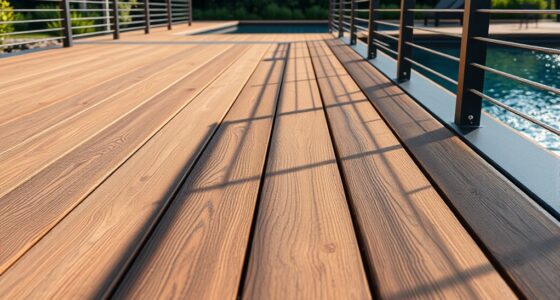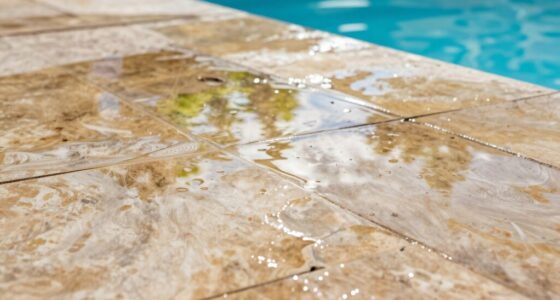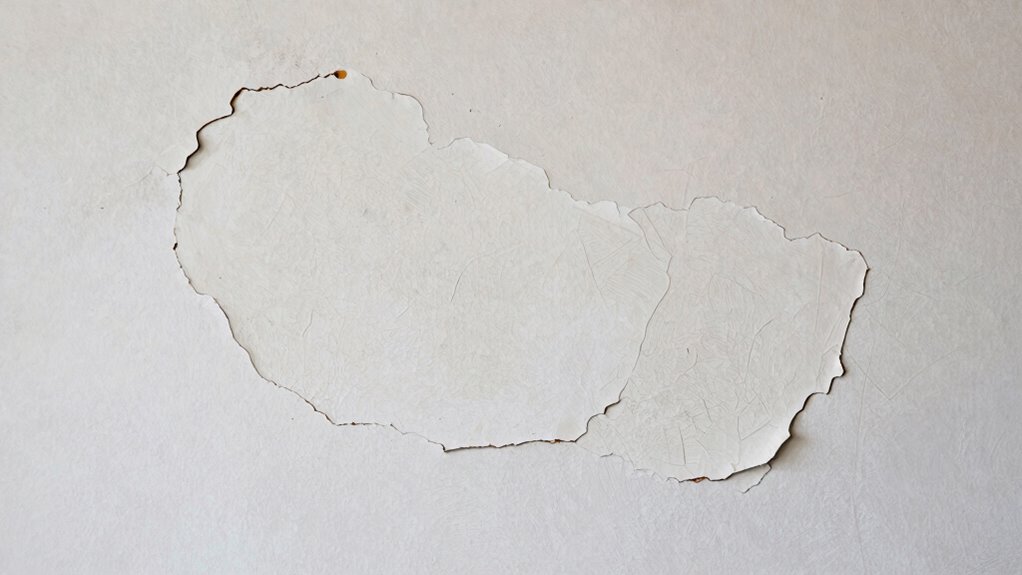

If you use patch materials that aren’t compatible with the surface, your repair might fail. Mismatched materials can lead to weak bonds, deterioration, or even long-term breakdown. Factors like chemical reactions, environmental conditions, and material properties influence compatibility. Ignoring these details increases the risk of cracks, detachment, or poor adhesion. To guarantee your repair lasts, it’s essential to choose the right patch material and understand its interaction with your surface. Keep going to learn more about avoiding these common issues.

Get pool and patio gear delivered free with Prime
- Fast, free delivery on millions of items
- Prime Video, Amazon Music and more included
- Member-only deals all year
Key Takeaways
- Using incompatible patch materials can lead to weak bonds and eventual repair failure.
- Mismatched materials may react negatively with the substrate, causing deterioration over time.
- Different materials have varying physical and chemical properties, affecting adhesion and durability.
- Environmental conditions can exacerbate compatibility issues, leading to material breakdown.
- Failing to consider surface material specifics can result in poor adhesion and compromised repairs.
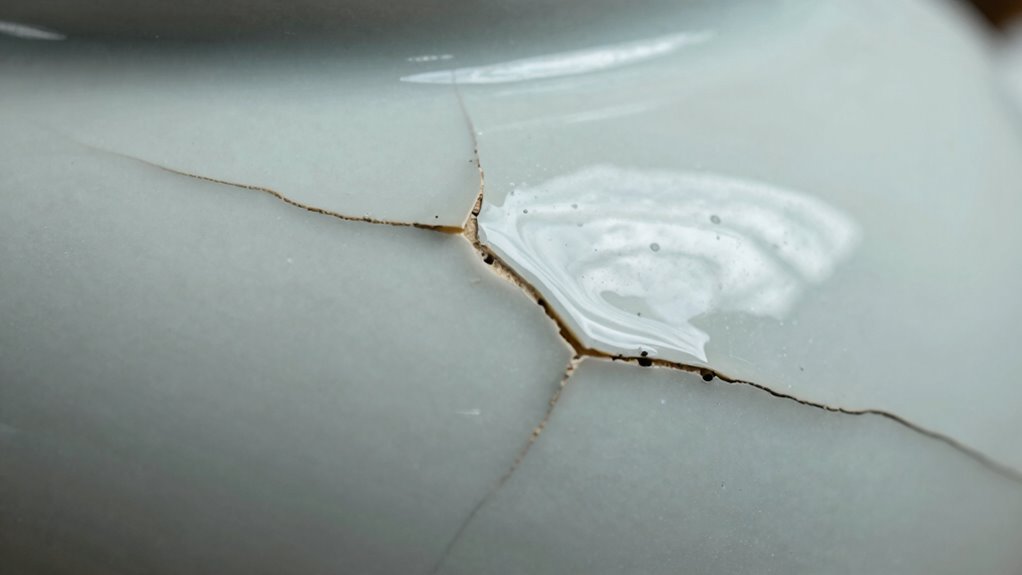
Have you ever tried repairing a device only to find it doesn’t quite fit or work with your existing parts? It’s frustrating, especially when you’re eager to fix the problem quickly. One common reason repairs fail is because of issues with surface preparation and material compatibility. These two factors are essential for ensuring that your patch or repair material adheres properly and functions as intended. If surface preparation isn’t thorough, the repair material won’t bond effectively, leading to weak spots or complete failure. Dirt, grease, rust, or uneven surfaces can prevent proper adhesion, so cleaning and preparing the surface meticulously is necessary before applying any patch. Proper surface preparation involves not just cleaning but also ensuring the surface is free of contaminants that could interfere with bonding. Additionally, understanding the surface material is crucial because different surfaces may require specific cleaning or preparation methods to achieve optimal adhesion.
Material compatibility is just as significant. Not all repair materials work well with every surface or substrate. For example, using a patch designed for plastic on metal can cause problems because the materials react differently to environmental conditions or stress. Some materials may expand or contract at different rates, causing cracks or detachment over time. Others might chemically react, weakening the bond or damaging the substrate altogether. When selecting repair materials, you need to consider the specific properties of your surface and choose a product formulated for that particular material. Ignoring this step can lead to a repair that looks okay initially but fails prematurely. Additionally, understanding the environmental conditions that the repaired area will face can help you select the most suitable materials for lasting repairs. Using incompatible repair products can lead to material failure under certain conditions, emphasizing the importance of careful selection. Moreover, selecting the right repair method often requires considering the physical and chemical properties** of the materials involved to prevent future problems. Properly addressing these aspects ensures a more reliable and durable repair, reducing the chances of repair failure** over time.
best patch repair kits for metal
As an affiliate, we earn on qualifying purchases.
As an affiliate, we earn on qualifying purchases.
Frequently Asked Questions
How Can I Test Patch Material Compatibility Before Application?
To test patch material compatibility, you should perform a small-scale patch test first. Mix a small amount of the patch material with the substrate and observe for chemical reactions or material degradation over 24 to 48 hours. This helps you identify potential issues like discoloration, bubbling, or weakening, ensuring the patch won’t cause unexpected damage or failure once applied on a larger scale.
Are There Specific Brands Known for Better Compatibility?
Yes, some brands are known for better compatibility, thanks to their strong reputation and rigorous material certifications. You should look for brands with a proven track record for reliable patch materials, ensuring they meet industry standards. Checking product reviews and certifications helps confirm compatibility. Opt for reputable brands that prioritize quality and tested materials, reducing the risk of repair failures due to incompatibility.
What Environmental Factors Affect Patch Material Performance?
Environmental conditions act like unpredictable weather, influencing how patch materials behave. Excessive moisture, extreme temperatures, or UV exposure can turn your repair into a fragile illusion, disrupting material interactions and weakening bonds. When moisture seeps in or temperature swings occur, the patch struggles to integrate seamlessly, risking failure. You must consider these environmental factors to guarantee your repair remains resilient, adapting to nature’s whims rather than succumbing to them.
Can Incompatible Patches Cause Long-Term Structural Damage?
Incompatible patches can indeed cause long-term structural damage. When patch materials don’t properly adhere to the surface, it leads to poor surface adhesion, which allows moisture and contaminants to penetrate. Over time, this causes material degradation, weakening the structure. You might notice cracks or deterioration developing, indicating that the repair isn’t holding. To prevent this, make sure the patch material matches the surface and maintains strong adhesion for lasting durability.
How Often Should Patch Materials Be Inspected for Compatibility Issues?
Think of patch materials as a relationship—they need regular check-ins to stay compatible. You should inspect your patches at least once a year, especially if you notice signs of material degradation or surface preparation issues. Regular inspections help catch compatibility problems early, preventing long-term damage. Keep an eye on how well the patch adheres over time, and address any issues promptly to make sure your repair remains solid and lasting.
As an affiliate, we earn on qualifying purchases.
Conclusion
Understanding repair compatibility is key to lasting fixes. Imagine patching a cracked concrete wall with a material that doesn’t bond properly—soon, the crack reappears, wasting your effort and money. By choosing compatible patch materials from the start, you guarantee stronger, more durable repairs. Always research and test materials beforehand, or consult professionals. Proper compatibility isn’t just a detail; it’s the difference between a temporary fix and a lasting solution.
As an affiliate, we earn on qualifying purchases.
surface preparation cleaning tools
As an affiliate, we earn on qualifying purchases.
As an affiliate, we earn on qualifying purchases.
Columbus Day / Indigenous Peoples' Day Picks
long weekend sales
As an affiliate, we earn on qualifying purchases.