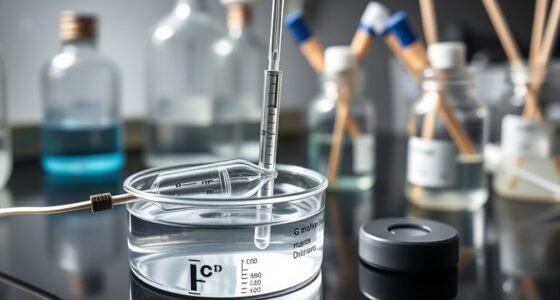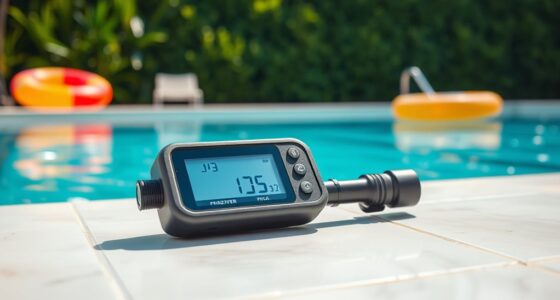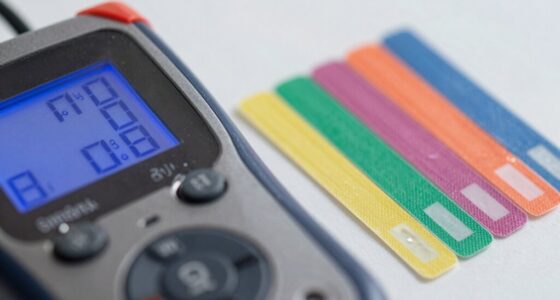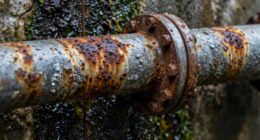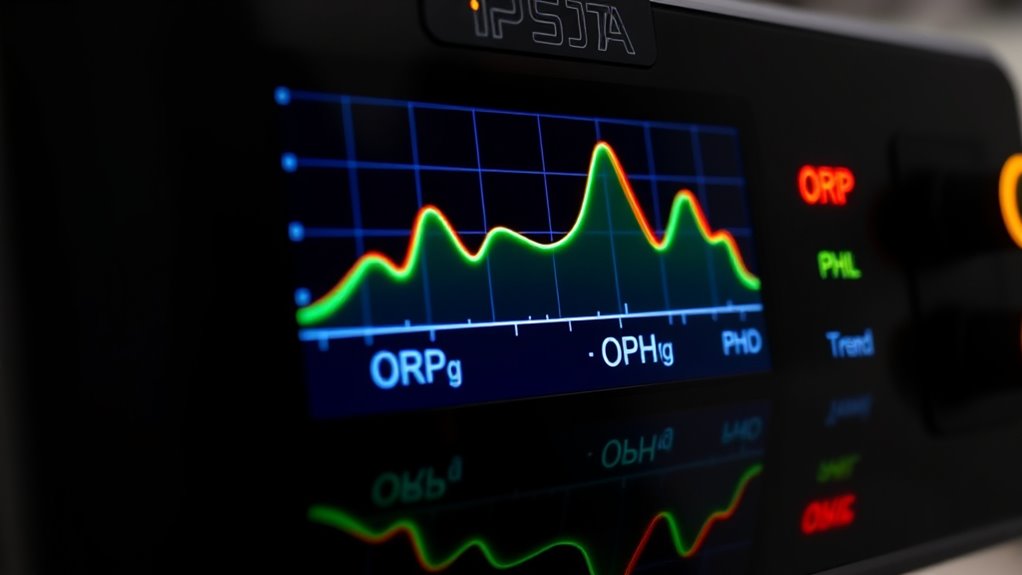

When interpreting ORP and pH data from controllers, focus on how the values relate to ideal water quality. A stable pH between 6.5 and 8.5 indicates system stability, while deviations suggest adjustments are needed to prevent corrosion or scaling. Higher ORP levels mean better disinfection, but too high can be harmful. Regularly analyze trends and correlations to maintain safe, efficient operation. Understanding these patterns helps prevent issues before they escalate—discover how to fine-tune your system for ideal results.

Get pool and patio gear delivered free — and shop member deals
- Fast, free delivery on millions of items
- Access to Prime Big Deal Days deals on October 6–7
- Prime Video, Amazon Music and more included
Key Takeaways
- Monitor pH and ORP readings continuously to detect deviations from optimal ranges for water stability and safety.
- Understand that low pH indicates acidity, risking corrosion, while high pH suggests alkalinity, possibly causing scaling.
- Recognize that higher ORP levels reflect stronger oxidative disinfection, whereas low ORP signals reduced microbial control.
- Use trending data to identify shifts in water quality, enabling timely adjustments of chemical treatments.
- Correlate pH and ORP readings to optimize treatment processes and prevent system damage or contamination.
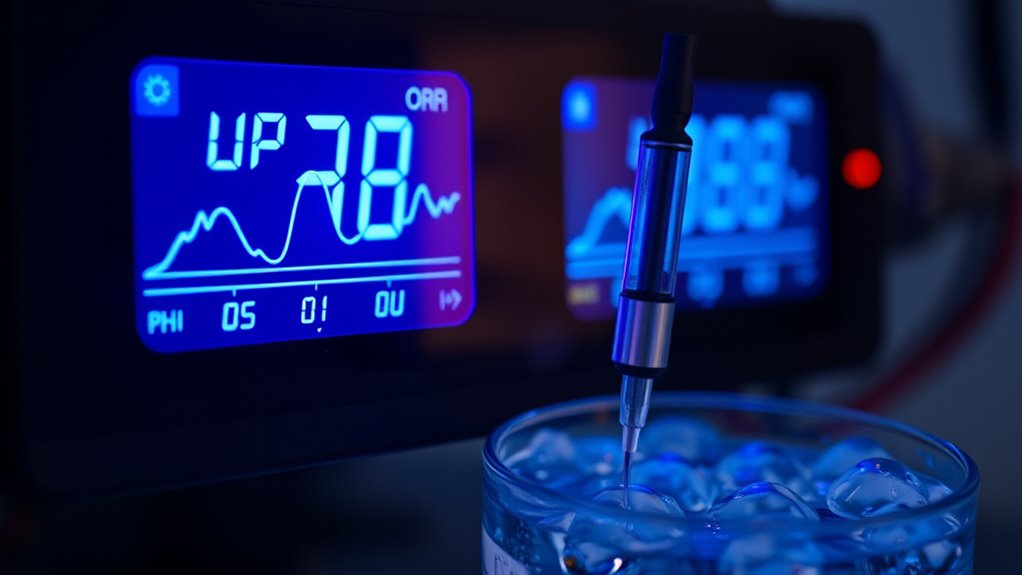
Understanding how to interpret ORP (oxidation-reduction potential) and pH data is vital for maintaining water quality in various applications, from aquaculture to industrial processes. When you monitor these parameters accurately, you can make informed decisions that directly impact system health, safety, and efficiency. ORP measures the water’s ability to oxidize or reduce substances, reflecting the overall oxidative environment, while pH indicates the acidity or alkalinity of the water. Together, these readings help you assess the water’s condition and guarantee it meets specific water quality standards. Proper interpretation of this data allows you to prevent problems like corrosion, which can compromise equipment and infrastructure. Corrosion prevention hinges on maintaining appropriate pH levels and ORP values; if these fall outside ideal ranges, metal parts may degrade faster, leading to costly repairs and contamination risks. By closely monitoring ORP and pH, you can adjust chemical treatments, dosing, or aeration to keep conditions within safe limits.
You should recognize that water quality standards vary depending on the application, but generally, maintaining pH within a certain range—typically between 6.5 and 8.5—is vital for system stability. When the pH drops too low, the water becomes acidic, accelerating corrosion, especially in metal components. Conversely, excessively high pH can cause scaling and interfere with treatment processes. ORP values also need to be within specific ranges to ensure water remains safe and effective. For example, in disinfection, higher ORP levels indicate strong oxidative conditions, which are necessary to eliminate bacteria and viruses. If ORP drops too low, disinfection efficiency decreases, risking contamination. Conversely, excessively high ORP might indicate over-oxidation, which can harm aquatic life or lead to unwanted chemical reactions.
Interpreting these readings in real-time allows you to take immediate corrective actions. For instance, if you notice the pH trending downward, adding alkaline substances can restore balance, preventing corrosion and ensuring compliance with water quality standards. Similarly, if ORP levels are too low, you might need to increase oxidative treatments like chlorination. Being proactive with these adjustments reduces the risk of system failure and extends equipment lifespan. Remember, consistent monitoring and a clear understanding of how ORP and pH interact make it easier to maintain water quality, prevent corrosion, and meet regulatory standards across various industries. By staying vigilant and responsive to your controller data, you safeguard your operations and ensure the longevity of your water systems.
As an affiliate, we earn on qualifying purchases.
Frequently Asked Questions
How Often Should ORP and Ph Sensors Be Calibrated?
You should calibrate your ORP and pH sensors regularly, typically every 1 to 4 weeks, depending on usage and water conditions. Regular calibration guarantees accurate readings and extends sensor lifespan, reducing the need for frequent sensor replacement. Always follow the manufacturer’s recommended calibration frequency, and check sensor performance frequently to catch any drift early. Proper maintenance helps maintain reliable data and prevents costly inaccuracies.
What Are Common Causes of Sensor Drift?
Sensor drift often occurs due to sensor aging and chemical buildup on the sensor surface. As sensors age, their accuracy decreases, causing readings to drift over time. Chemical buildup from contaminants or deposits can also interfere with the sensor’s response, leading to inaccurate data. Regular maintenance, proper cleaning, and timely calibration help minimize drift, ensuring your sensors provide reliable and precise pH and ORP measurements.
How Do Temperature Variations Affect ORP and Ph Readings?
Temperature variations can considerably impact your ORP and pH readings, causing inaccuracies if uncorrected. You should apply temperature compensation to adjust measurements accurately. Fluctuating temperatures can also reduce sensor lifespan, leading to more frequent replacements. By maintaining stable temperatures or using temperature-compensated sensors, you ensure more reliable data and extend your sensor’s longevity, ultimately improving your process control and reducing maintenance costs.
What Maintenance Is Required for Long-Term Sensor Accuracy?
To guarantee long-term sensor accuracy, you should regularly check your sensors’ lifespan and follow proper cleaning protocols. Replace sensors as needed when their accuracy diminishes. Clean the sensors gently with recommended solutions to prevent buildup that can skew readings. Consistent maintenance, including calibration and timely replacements, helps maintain precise ORP and pH measurements, ensuring your system runs smoothly and reliably over time.
How Can I Troubleshoot Inconsistent ORP and Ph Data?
To troubleshoot inconsistent ORP and pH data, first check your sensor placement to make certain it’s in a representative sample zone and free from interference. Then, verify your calibration frequency; infrequent calibration can lead to inaccuracies. Clean the sensors regularly and confirm connections are secure. If issues persist, replace aging sensors and re-calibrate to restore reliable readings. Proper placement and consistent calibration are key to accurate data.
water quality controller with ORP and pH display
As an affiliate, we earn on qualifying purchases.
As an affiliate, we earn on qualifying purchases.
Conclusion
By understanding how to interpret ORP and pH data from controllers, you can keep your water quality in check and prevent potential issues. Remember, knowledge is power, so don’t let small fluctuations slide—pay attention to the details. When you stay vigilant and act promptly, you’ll be ahead of the game. After all, a stitch in time saves nine, so trust your data and keep your system running smoothly.
industrial water pH and ORP meters
As an affiliate, we earn on qualifying purchases.
As an affiliate, we earn on qualifying purchases.
As an affiliate, we earn on qualifying purchases.
Fall Picks
fall essentials
As an affiliate, we earn on qualifying purchases.