You can see that commercial pools use automated sensors and detailed logs to monitor water quality continuously, which helps spot issues early and keep everything balanced. They analyze trend data to schedule maintenance before problems occur, reducing downtime and health risks. Unlike most homeowners, they rely on systematic data collection and digital alerts to guarantee safety and compliance. If you want to learn how these systems can improve your pool management, there’s more to discover ahead.
Open a free Amazon Business account
Business pricing, bulk buying and tax-exempt orders.
As an affiliate, we earn on qualifying purchases.
Key Takeaways
- Commercial pools utilize automated sensors for continuous water quality monitoring, ensuring real-time data collection and instant responses.
- They maintain detailed logs and trend analysis to identify issues early and optimize chemical adjustments proactively.
- Automated systems streamline compliance documentation, simplifying audits and safety protocol verification.
- Predictive maintenance based on trend data prevents equipment failures and reduces downtime more effectively than manual checks.
- Centralized data management enhances oversight, accuracy, and safety, surpassing the manual record-keeping typical of most homeowners.
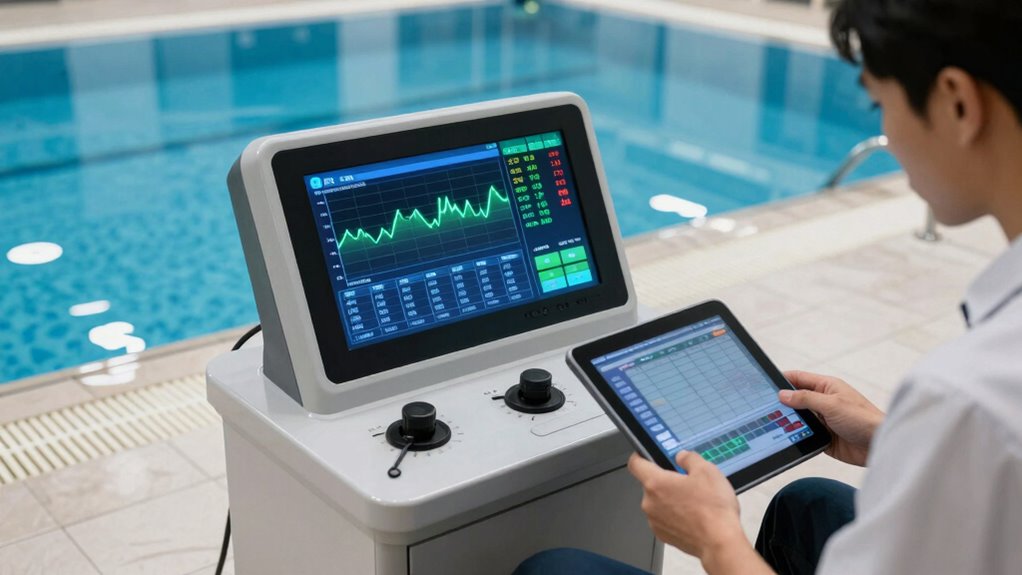
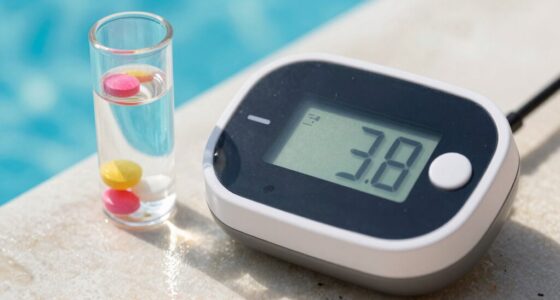
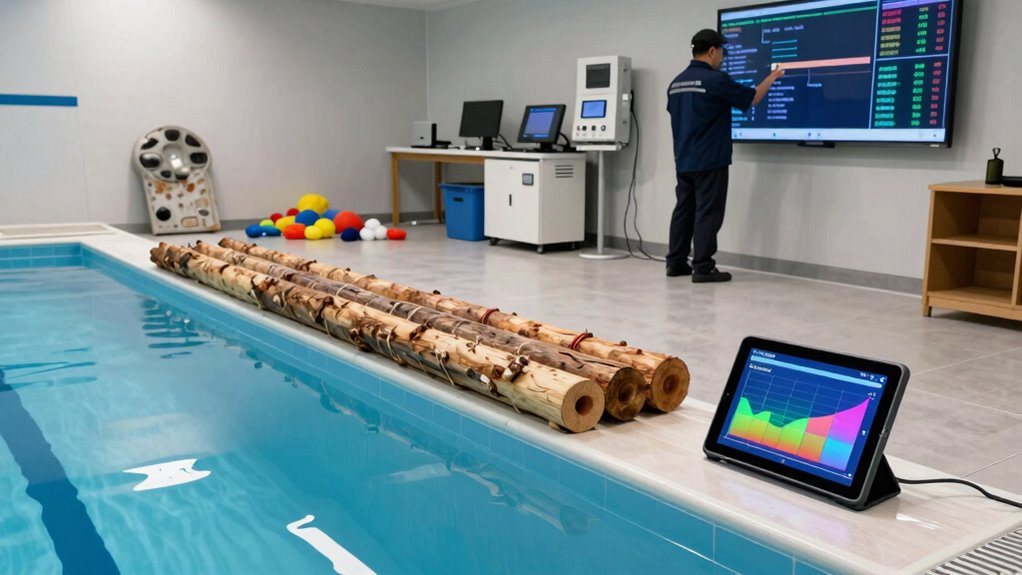
While homeowners often rely on memory or simple schedules to maintain their pools, commercial facilities consistently leverage detailed logs and data analytics to optimize their operations. This systematic approach isn’t just about convenience; it’s about guaranteeing ideal water chemistry and strict safety protocols that protect swimmers and extend equipment lifespan. Commercial pools use logs to record daily water test results, including pH levels, sanitizer concentrations, alkalinity, and temperature. These logs serve as a historical record, allowing staff to spot trends and identify issues before they become problems. For example, if pH levels consistently drift too high or low, staff can adjust chemical dosing proactively, preventing discomfort and potential health hazards. Additionally, the use of automated sensor systems ensures real-time monitoring and immediate responses to changing water conditions. Data analytics play a vital role in this process. Instead of relying on guesswork, commercial operators analyze the accumulated data to fine-tune chemical balances and improve water quality. This analytical approach ensures that water chemistry remains within safe, ideal ranges, reducing the risk of skin irritation, eye discomfort, or more serious health concerns. It also helps maintain compliance with health standards, avoiding costly violations. When it comes to safety protocols, logs document not only water chemistry but also routine inspections, filtration system maintenance, and emergency procedures. This thorough documentation ensures that safety measures are consistently followed and easily audited, providing accountability and peace of mind. In fact, many commercial pools utilize integrated data management systems that centralize all monitoring information for easier oversight. These systems often incorporate automated alerts, which notify staff immediately if any parameters fall outside acceptable ranges. Compared to most homeowners, commercial pools often have integrated systems that automatically log data from sensors placed in the water. These sensors continuously monitor key parameters, alert staff to anomalies, and even trigger automatic adjustments. This automation minimizes human error and guarantees that safety protocols are upheld at all times. Furthermore, these systems often include predictive maintenance features, which help prevent equipment failures by analyzing data trends and scheduling timely repairs. In contrast, homeowners typically record data manually, which can lead to overlooked issues or inconsistent testing. They may rely on visual cues or periodic testing, which isn’t as reliable or timely.
automatic pool water quality sensor
As an affiliate, we earn on qualifying purchases.
As an affiliate, we earn on qualifying purchases.
Frequently Asked Questions
How Do Commercial Pools Collect and Store Their Data?
You can collect and store data in commercial pools by using automated systems that monitor water chemistry and safety protocols constantly. These systems record real-time data on pH, chlorine levels, and other water chemistry parameters, storing the information digitally. This helps guarantee safety, compliance, and ideal water quality. You can access this data remotely, analyze trends, and make quick adjustments to maintain a safe and healthy swimming environment.
What Specific Software Do Commercial Pools Use for Data Analysis?
Commercial pools often use specialized software like PoolOps or Pentair’s IntelliPool for data analysis. These programs offer robust pool analytics, allowing you to monitor water quality, chemical levels, and equipment performance in real time. They also provide data visualization features, making it easier to identify trends and issues quickly. By leveraging these tools, you can optimize maintenance schedules, improve efficiency, and guarantee a safe, clean swimming environment.
How Often Do Commercial Pools Update Their Logs and Trend Data?
Commercial pools update their logs and trend data daily to maintain ideal chemical balance and water clarity. You’ll find that staff regularly records chemical levels, filtration, and sanitation data to spot issues early. This frequent updating helps guarantee the water stays safe and inviting, reducing the risk of problems like algae growth or imbalanced chemistry. Consistent data entry allows for quick adjustments, keeping the pool in top condition for swimmers.
What Training Is Required for Staff to Interpret Pool Data Effectively?
Imagine a clear, calm pool reflecting the sky—your staff needs the right skills to keep it that way. You’ll need staff training focused on data interpretation, teaching them to read logs and trend data accurately. This training covers understanding chemical levels, temperature changes, and filtration patterns, enabling staff to spot issues early. With proper training, your team confidently analyzes data, ensuring the pool stays pristine and safe for every swimmer.
How Does Data Accuracy Impact Commercial Pool Maintenance Schedules?
Data accuracy is essential for your commercial pool maintenance schedules because it guarantees consistency and reliable insights. When data is precise, you can calibrate your equipment correctly and spot issues early, preventing costly repairs or downtime. If data isn’t consistent or properly calibrated, it might lead to misdiagnoses and improper maintenance timing. Accurate, calibrated data empowers you to plan maintenance effectively, keeping your pool safe, clean, and operational at all times.
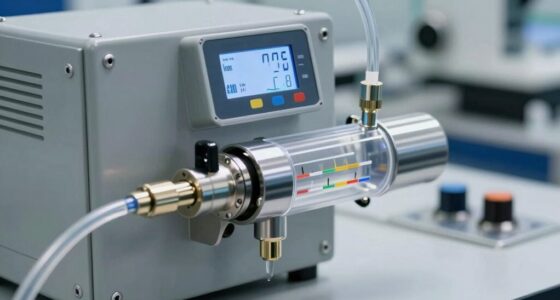
pool chemical analyzer and monitor
As an affiliate, we earn on qualifying purchases.
As an affiliate, we earn on qualifying purchases.
Conclusion
Remember, knowledge is power. Commercial pools harness logs and trend data to keep their water safe and inviting, often outperforming homeowners who rely on guesswork. By tracking every detail, they prevent problems before they start, saving time and money. Don’t wait until issues arise—be proactive, stay informed, and maintain your pool like a pro. As the saying goes, “An ounce of prevention is worth a pound of cure,” so start using data to protect your backyard oasis today.
automated pool water testing system
As an affiliate, we earn on qualifying purchases.
As an affiliate, we earn on qualifying purchases.
pool trend data logging software
As an affiliate, we earn on qualifying purchases.
As an affiliate, we earn on qualifying purchases.
Flea & tick season Picks
flea and tick prevention
As an affiliate, we earn on qualifying purchases.