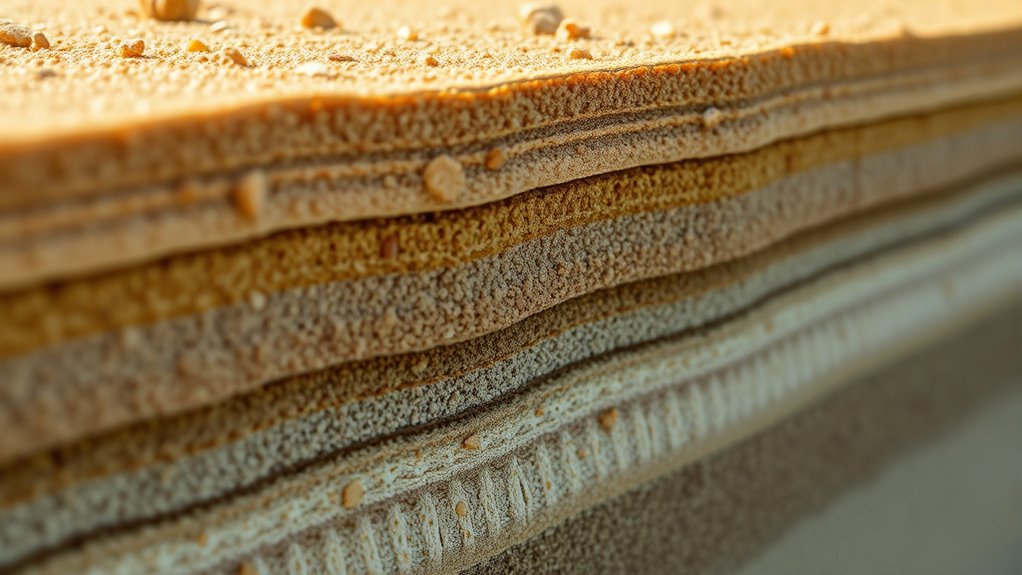

To keep your sand filter working well, make certain the bed depth is around 24 to 30 inches, as this balances filtration and efficiency. Watch for channeling, which causes uneven flow; proper media distribution and adding fines or upgraded media like glass beads can prevent it. Upgrading to newer media improves filtration and reduces backwashing. Keeping these factors in check helps maintain clear water, and if you continue, you’ll discover more ways to optimize your filter’s performance.

Get pool and patio gear delivered free — and shop member deals
- Fast, free delivery on millions of items
- Access to Prime Big Deal Days deals on October 6–7
- Prime Video, Amazon Music and more included
Key Takeaways
- Proper bed depth (24-30 inches) ensures optimal filtration without increasing backwash time or water use.
- Insufficient depth causes poor water clarity and frequent maintenance due to inadequate particle removal.
- Channeling occurs when water bypasses media; even media distribution and backwashing help prevent it.
- Signs of channeling include cloudiness and uneven pressure; addressing it restores filtration efficiency.
- Upgrading to media like ZeoSand or glass beads improves filtration, extends filter lifespan, and reduces backwashing frequency.

Sand Filters
Have you ever wondered how water gets cleaned so effectively in pools and filtration systems? The secret lies in the design and operation of sand filters, which use a bed of specially graded sand to trap dirt and debris. One critical aspect of a sand filter’s effectiveness is its bed depth. If the bed isn’t deep enough, water may pass through too quickly, allowing contaminants to slip by. Typically, a depth of 24 to 30 inches is ideal for most pools, providing enough contact time for particles to be captured. When the bed is too shallow, the filter’s capacity diminishes, leading to poor water clarity and increased maintenance. Conversely, a bed that’s too deep can increase backwashing time and water usage without offering substantial performance benefits. Proper bed depth guarantees maximum filtration efficiency, balancing thorough cleaning with manageable maintenance. Ensuring proper media distribution during installation is crucial for optimal performance. Channeling is another challenge you need to be aware of. It occurs when water finds a preferred pathway through the sand bed, creating channels that bypass large portions of the media. This reduces the filter’s ability to trap dirt evenly, causing uneven cleaning and potentially allowing debris to circulate back into the pool. To prevent channeling, you should ensure the sand is properly installed and evenly distributed during setup. Regular backwashing helps, too, as it removes accumulated debris that can create pathways. Sometimes, adding a layer of fine gravel or alternative media can help fill gaps and promote even flow. If you notice persistent cloudiness or uneven pressure readings, channeling might be the culprit. Addressing it promptly by adjusting the sand or media can restore filtration efficiency and extend the life of your filter. Upgrading your media can greatly improve your sand filter’s performance. Traditional silica sand remains popular, but newer media types, such as ZeoSand or glass beads, offer enhanced filtration capabilities. These media have more uniform sizes and better surface area, trapping smaller particles and reducing the need for frequent backwashing. Upgrading the media can also lower water and energy consumption, saving you money over time. When considering a media upgrade, it’s essential to follow manufacturer recommendations for grain size and depth to maximize benefits. Regular maintenance, combined with media upgrades, can dramatically improve water clarity and reduce chemical use. Whether you’re replacing worn-out sand or switching to a more advanced media, these upgrades can give your pool’s filtration system a noticeable boost, making your water crystal clear and maintaining a healthier swimming environment.
As an affiliate, we earn on qualifying purchases.
Frequently Asked Questions
How Often Should Sand Filter Media Be Replaced or Upgraded?
You should replace or upgrade your sand filter media every 3 to 5 years, depending on usage and water quality. Regularly inspect the media for signs of clogging, channeling, or contamination, which indicate it’s time for a change. Proper maintenance ensures maximum filtration and prevents system problems. If you notice decreased flow or clarity issues, consider upgrading sooner to maintain your pool’s cleanliness and performance.
What Are the Signs of Channeling in a Sand Filter?
Like a broken record, you’ll notice uneven water flow or cloudy water, which signals channeling in your sand filter. You might also see some spots where water bypasses the media, reducing filtration efficiency. Sometimes, the pressure gauge spikes unexpectedly. If you observe these signs, it’s time to backwash or consider media upgrades. Regular maintenance keeps your filter running smoothly, preventing costly repairs and ensuring crystal-clear water.
How Does Bed Depth Impact Filtration Efficiency?
You’ll notice that increasing bed depth generally improves filtration efficiency because it provides more surface area for particles to be trapped, reducing the chance of particles passing through. A deeper bed allows for longer contact time between water and media, enhancing contaminant removal. However, if the bed is too deep, it can cause higher head loss and require more energy to operate. Properly balancing bed depth optimizes performance without unnecessary energy costs.
Can Sand Filters Handle Variable Flow Rates Effectively?
Yes, sand filters can handle variable flow rates effectively if you design and operate them properly. You should guarantee the filter media is appropriate and maintain proper bed depth to prevent channeling. Regularly monitoring flow rates helps you adjust pump speeds or backwash schedules, maintaining filtration efficiency. Properly managed, your sand filter will perform well across fluctuating flow conditions, providing clean water without compromising system longevity.
What Are the Best Practices for Preventing Media Clogging?
To prevent media clogging, you should regularly backwash your sand filter to remove trapped debris and prevent buildup. Maintain proper flow rates to avoid overloading the media, and periodically inspect the filter for signs of clogging or channeling. Using high-quality media and upgrading to media with better filtration properties can also help. Additionally, verify your filter bed depth is appropriate for your system to promote even flow and reduce clogging risks.
As an affiliate, we earn on qualifying purchases.
Conclusion
Understanding sand filters is key to maintaining clean water. Proper bed depth, preventing channeling, and upgrading media can boost efficiency and lifespan. Did you know that properly maintained sand filters can remove over 99% of contaminants? By paying attention to these factors, you’ll ensure your system runs smoothly and effectively. So, keep an eye on bed depth and media quality—you’re investing in healthier, clearer water for years to come.
As an affiliate, we earn on qualifying purchases.
As an affiliate, we earn on qualifying purchases.
Evergreen bestsellers Picks
bestsellers
As an affiliate, we earn on qualifying purchases.