
Variable flow technology and control valves let you adjust fluid and air flow rates in real-time, making your systems more efficient and responsive. By modulating flow based on demand, you’ll reduce energy waste, extend equipment lifespan, and improve overall performance. These advanced controls integrate easily with automation systems, offering seamless monitoring and adjustments. Keep exploring to discover how this technology can transform your operations and deliver long-term savings.
Key Takeaways
- Variable flow technology dynamically adjusts flow rates in real-time for improved system efficiency.
- Advanced control valves enable precise regulation of airflow and fluid flow.
- Integration with automation systems allows remote monitoring and autonomous system adjustments.
- Enhances energy savings by modulating flow based on demand, reducing waste.
- Extends component lifespan and system reliability through optimized flow control.
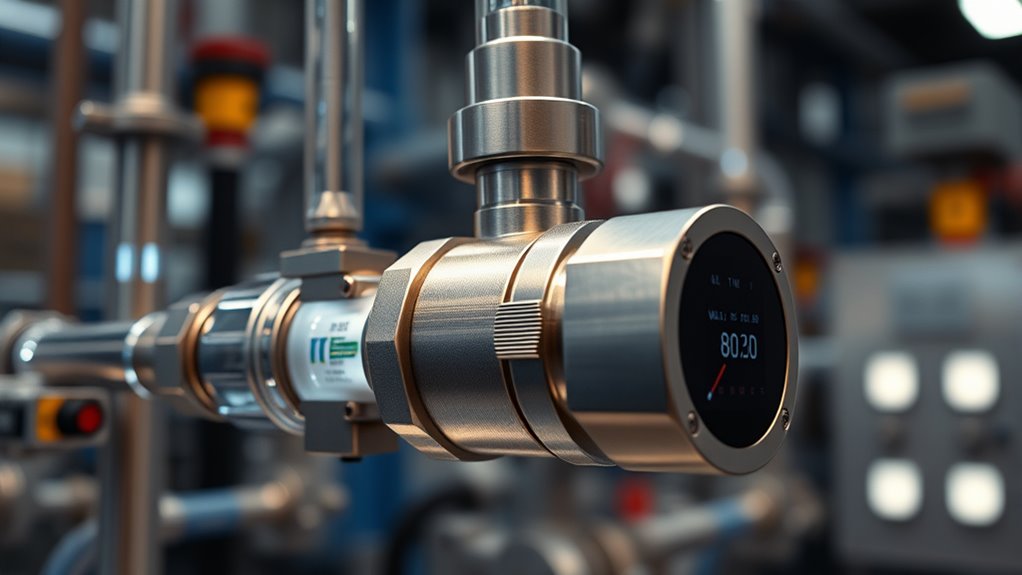
Variable Flow Technology is transforming how systems manage fluid and air delivery by adjusting flow rates in real-time to meet changing demands. This innovation allows you to enhance the performance of pneumatic systems through advanced control valves that respond dynamically to varying conditions. Instead of relying on traditional, fixed-flow setups, you gain the ability to precisely regulate airflow and fluid flow, leading to more efficient operations. When you incorporate variable flow control, pneumatic regulation becomes smarter, ensuring that your equipment receives the right amount of air or fluid at the right time. This adaptability reduces waste, minimizes energy consumption, and enhances overall system responsiveness.
By fine-tuning flow rates on the fly, variable flow technology makes your systems more energy-efficient. Instead of operating at maximum capacity constantly, your control valves modulate flow based on real-time needs. For example, during periods of low demand, the system reduces airflow, conserving energy. When demand increases, the system instantly ramps up, maintaining ideal performance without unnecessary energy expenditure. This method not only cuts down on wasted power but also extends the lifespan of components by avoiding stress caused by over-pressurization or excessive flow. As a result, your operations become more sustainable and cost-effective.
Control valves equipped with variable flow technology enable you to manage pneumatic regulation with greater precision. They respond quickly to process changes, ensuring consistent performance and reducing fluctuations that could affect product quality or safety. This level of control is especially valuable in applications requiring tight regulation, such as manufacturing, automation, and process industries. You’ll notice smoother operation, fewer disruptions, and an overall increase in reliability. As these valves continuously adapt to real-time conditions, your system maintains stable pressure and flow, even as external factors shift.
Moreover, the integration of variable flow control into your existing infrastructure is straightforward, thanks to modern valve designs that are compatible with automation systems. You can connect them seamlessly to sensors and controllers, enabling autonomous adjustments without manual intervention. This automation not only improves efficiency but also allows for remote monitoring and diagnostics, giving you better oversight of your system’s health. Embracing variable flow technology can also help optimize energy efficiency and reduce operational costs over time. Ultimately, embracing variable flow technology and control valves means you’re making a strategic investment in energy efficiency, operational flexibility, and long-term cost savings. It’s a powerful way to optimize pneumatic regulation and elevate your system’s performance to new levels.

Getanye Hydraulic Adjustable Variable Flow Control Valve with Relief, 1/2'' NPT, 500 PSI-3000 PSI, 30GPM, Adjustable Ball Spring Relief Port, FCR51-1/2 PFC51-1/2
1/2”NPT Adjustable Flow Control Valve, 30 GPM, FCR51 with Relief Valve
As an affiliate, we earn on qualifying purchases.
As an affiliate, we earn on qualifying purchases.
Frequently Asked Questions
How Do Variable Flow Control Valves Improve Energy Efficiency?
Variable flow control valves improve energy efficiency by adjusting flow rates based on system demands, which reduces unnecessary energy consumption. You’ll experience energy savings because the system operates only at the necessary capacity, preventing waste. This optimization helps maintain consistent performance while lowering power use, ultimately enhancing system efficiency. By actively managing flow, you optimize your system’s operation, leading to significant energy savings and more sustainable performance.
What Maintenance Is Required for Variable Flow Control Systems?
You’ll want to perform regular sensor calibration to keep your system running smoothly—think of it as fine-tuning your high-tech brain to avoid costly mistakes. Also, don’t forget leak prevention; even tiny drips can cause massive inefficiencies. Inspect valves frequently, tighten fittings, and replace worn parts promptly. By staying on top of these tasks, you’ll guarantee your control system remains reliable, efficient, and ready to handle whatever flow demands come your way.
Can Variable Flow Technology Be Integrated With Existing Systems?
Yes, you can integrate variable flow technology with your existing systems. However, you’ll face retrofit challenges and compatibility issues, especially if your current setup wasn’t designed for it. You’ll need to assess your system’s specifications, possibly upgrade some components, and make certain that the new technology aligns with your current infrastructure. Proper planning and expert consultation will help you minimize disruptions and ensure a smooth integration process.
What Are the Common Applications of Variable Flow Control Valves?
You’ll find variable flow control valves commonly used in HVAC systems, water treatment, and industrial processes. They help with flow regulation by adjusting the flow rate to match system demands, ensuring efficiency. These valves seamlessly integrate with existing systems, allowing for precise control and energy savings. Their adaptability makes them ideal for applications requiring flexible flow management, optimizing performance while reducing waste and operational costs.
How Do Environmental Factors Affect Variable Flow Valve Performance?
Environmental factors profoundly impact your variable flow valve’s performance. Harsh conditions like extreme temperatures, moisture, or chemicals can challenge its environmental durability, causing wear or malfunction. Corrosion resistance becomes essential in such environments, preventing rust and degradation that could compromise flow control. To guarantee optimal performance, choose valves designed with materials that withstand these environmental stresses, maintaining reliability and extending the lifespan of your system.

Flow-Rite V3 3-Position Automatic Valve (Option: Rear)
As an affiliate, we earn on qualifying purchases.
As an affiliate, we earn on qualifying purchases.
Conclusion
Think of variable flow technology as the heartbeat of your system, constantly adjusting to life’s rhythms. Control valves act as the steady hands guiding this pulse, ensuring harmony and efficiency. When you master their dance, you activate a symphony of smooth operation and energy savings. Embrace this dance, and your system becomes a resilient tree, its branches reaching toward growth while roots hold steady—symbolizing balance, adaptability, and strength in every flow.

TAILONZ PNEUMATIC SCF-1/4 Air Flow Control Valve with Push-to-Connect Fitting, in-Line Speed Controller Union Straight – 1/4 Inch Tube OD x 1/4 Inch Tube OD(Pack of 5)
【Product Name】Air flow control valve
As an affiliate, we earn on qualifying purchases.
As an affiliate, we earn on qualifying purchases.
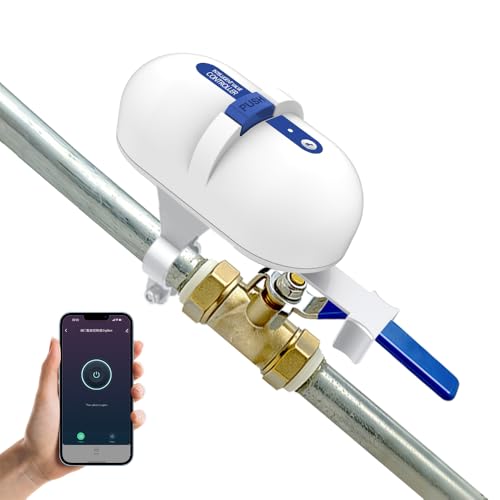
Smart Valve Controller, Compatible with Alexa & Google Voice Control Smart Life App Control, Remote Water ShutOff Valve, Easy Install on 1/2" to 1" in Pipe (WiFi Version)
Note: No Hub Required, our smart valve controller connects directly via 2.4g Hz WiFi.
As an affiliate, we earn on qualifying purchases.
As an affiliate, we earn on qualifying purchases.