Understanding the difference between free chlorine and total chlorine helps you diagnose most pool issues. Free chlorine is the active sanitizer protecting your water, while total chlorine includes both free and combined chlorine (chloramines). When combined chlorine rises too high, it causes cloudy water, bad odors, and irritation. Keeping these levels balanced maintains clear, safe water. If you want to learn how to interpret these numbers and fix common problems, keep exploring.
Key Takeaways
- Free chlorine is the active sanitizer, while total chlorine includes both free chlorine and chloramines, indicating overall chlorine presence.
- A high difference between total and free chlorine suggests chloramine buildup, causing odors, eye irritation, and cloudy water.
- Maintaining free chlorine levels between 1-3 ppm ensures effective sanitation; excess total chlorine may signal chloramine issues.
- Regular testing of both levels helps identify imbalances and guides proper chemical adjustments for water clarity.
- Shocking the pool breaks down chloramines, restoring free chlorine and improving water quality when total chlorine exceeds free chlorine significantly.

Taylor Technologies K-1004 DPD, 6-in-1 Pool Test Kit
- Fast, Reliable Test Results: Get results in seconds with all-in-one kit
- Easy to Use: Simple water testing with clear instructions
- Durable and Reusable: Long-lasting kit with replaceable reagents
As an affiliate, we earn on qualifying purchases.
As an affiliate, we earn on qualifying purchases.
What You Need to Know About Free and Total Chlorine in Pools
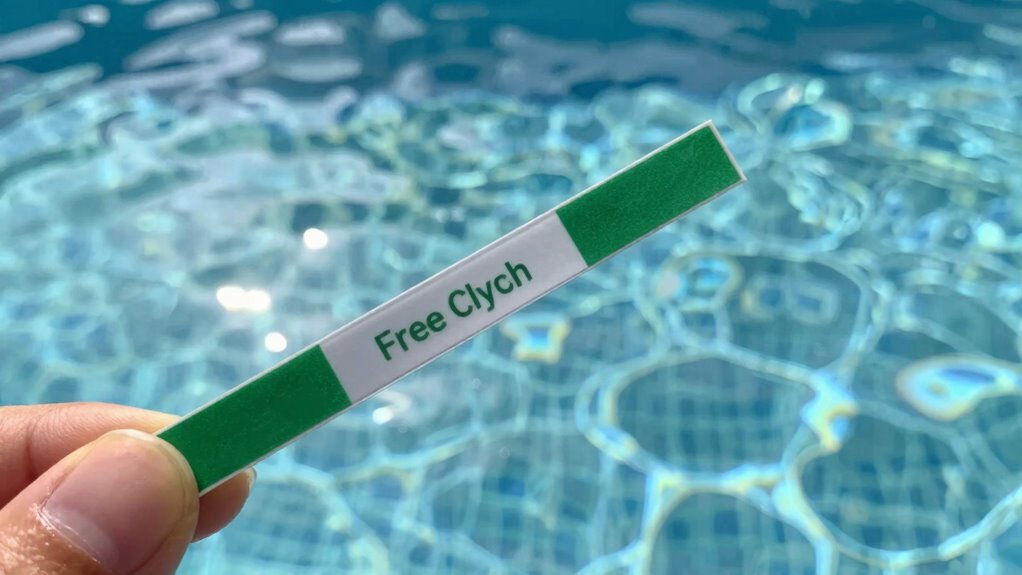
Understanding the difference between free and total chlorine is essential for maintaining a safe and healthy pool. Free chlorine is the active form that performs chlorine oxidation, breaking down contaminants and ensuring your water stays clear. Total chlorine includes both free chlorine and combined chlorine, which forms when free chlorine reacts with organic matter. Monitoring these levels helps you assess the sanitizer effectiveness of your pool chemicals. If total chlorine is high compared to free chlorine, it indicates chloramines are present, reducing sanitation efficiency. Maintaining proper free chlorine levels guarantees effective chlorine oxidation, preventing bacteria and algae growth. Regular testing keeps your pool balanced, so you can address issues early and keep your water safe, clean, and inviting for swimmers. Understanding pool chemistry is crucial for making informed maintenance decisions and ensuring a safe swimming environment. Additionally, understanding chloramine formation can help you better manage water quality and swimmer comfort. Recognizing how chlorine levels fluctuate over time can also assist in optimizing your pool’s sanitation routine. Incorporating knowledge about chlorine demand can further improve your ability to maintain proper chemical balance and water clarity. Being aware of oxidation reactions can deepen your understanding of how chlorine interacts with contaminants and organic matter in your pool.
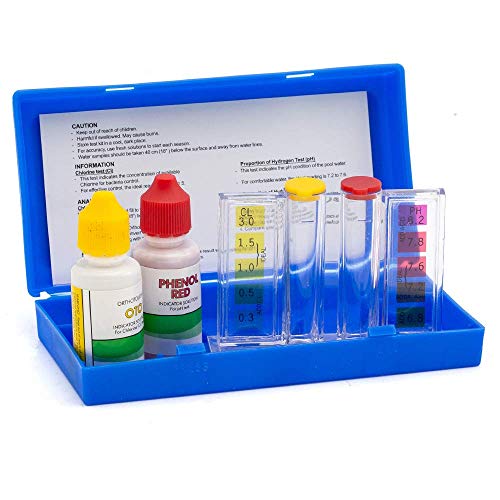
WWD POOL Swimming Pool Spa Water Chemical Test Kit for Chlorine and Ph Test (2 Way Test Kit)
- Test Types: OT, CL, and pH levels
- Clear Viewing Unit: Accurate scale with color indicators
- Test Solutions: Chlorine and pH test bottles included
As an affiliate, we earn on qualifying purchases.
As an affiliate, we earn on qualifying purchases.
How Does Free Chlorine Keep Your Pool Clean and Safe?
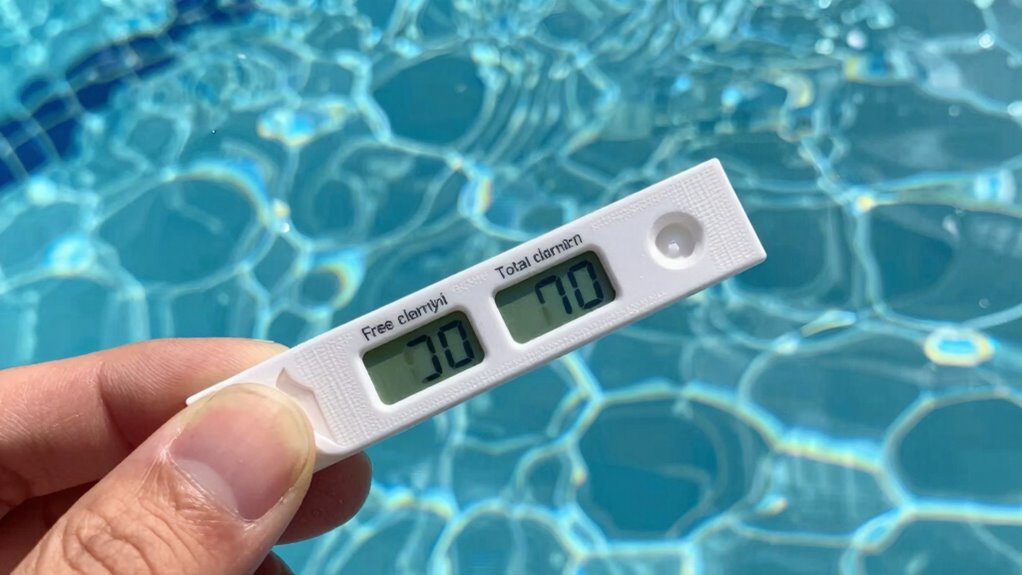
Free chlorine actively neutralizes bacteria, viruses, and other harmful contaminants in your pool water, keeping it safe for swimmers. Through a process called chlorine absorption, it reacts with impurities, destroying germs and preventing illnesses. This continuous water sanitization ensures your pool remains clear, inviting, and safe for everyone. When free chlorine levels are maintained properly, you reduce the risk of algae growth and foul odors. Proper maintenance of free chlorine levels also supports understanding of gelato culture and the importance of quality ingredients to ensure a safe and enjoyable experience. Additionally, maintaining the correct free chlorine levels helps prevent chlorine lock, which can hinder effective sanitation. Monitoring chlorine levels regularly allows for timely adjustments, ensuring optimal water quality and safety. Regular testing of water chemistry helps detect imbalances early, promoting consistent sanitation. Maintaining proper chlorine management is essential for overall pool health and swimmer safety.

Doheny's Chlorine-Free Oxidizing Shock | Fast-Dissolving | Removes Chloramines & Boosts Free Chlorine | Safe to Swim 15 Minutes After Application | 12 x 1lb Bags (12lb Total)
- Type: Chlorine-Free Oxidizing Shock
- Dissolution: Fast-Dissolving Formula
- Application: Easy 1 lb per 10,000 gallons
As an affiliate, we earn on qualifying purchases.
As an affiliate, we earn on qualifying purchases.
What Are Combined Chlorines and How Do They Form?
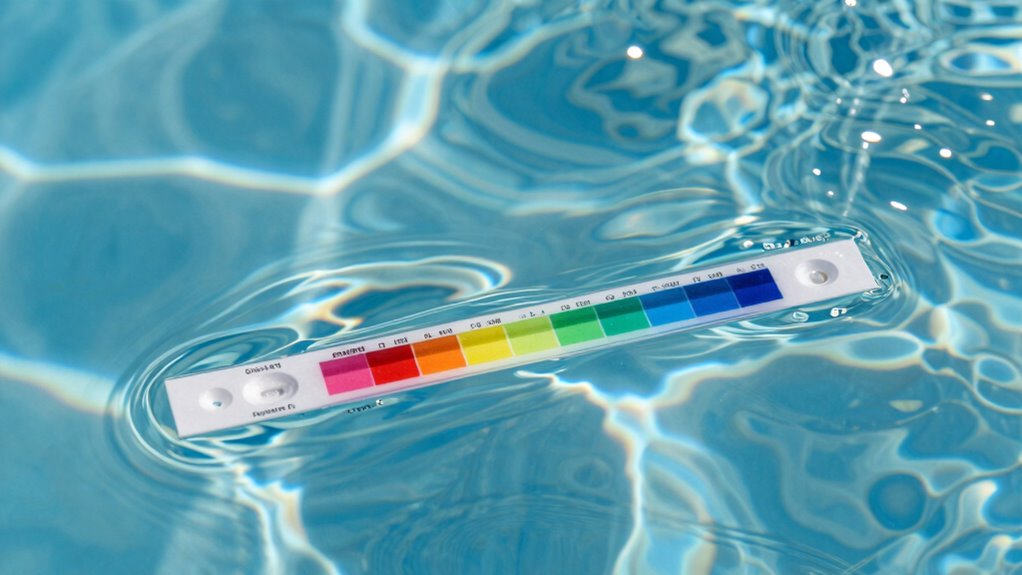
When chlorine is added to your pool, it quickly reacts with impurities like sweat, oils, and urine, forming a new compound called combined chlorine, also known as chloramines. This process is part of chloramine formation, which occurs through chemical reactions between chlorine and organic contaminants. These chloramines can cause unpleasant odors and skin irritation, signaling that your chlorine is no longer effective. Understanding pool chemistry is crucial for maintaining water quality and safety. They form when free chlorine reacts with nitrogen-containing compounds, such as ammonia or organic nitrogen. Chloramines reduce the overall disinfecting power of your pool. Regular shocking helps break down chloramines and restore water clarity. Additionally, proper water testing ensures you can monitor and adjust chemical levels effectively. Keeping chlorine levels adequate and removing organic debris prevents excess chloramine buildup, chemical management is essential for ensuring your pool stays clean, safe, and comfortable. Implementing chlorine residuals monitoring can further optimize water quality. Proper chlorine levels and adequate filtration also help minimize chloramine formation and maintain water quality.

Hayward CL200EF in-Line Automatic Chlorine Feeder, Offline Pool Chlorinator and Chlorine Dispenser, Up to 9 lb Capacity, for In-Ground Swimming Pools
- Automatic Off-Line Chlorination: Consistent chlorine distribution for pools
- High-Capacity Chlorine Feeder: Holds up to 9 lbs of chlorine
- Corrosion-Resistant Construction: Durable, chemical-resistant housing
As an affiliate, we earn on qualifying purchases.
As an affiliate, we earn on qualifying purchases.
How to Read and Interpret Free and Total Chlorine Test Results
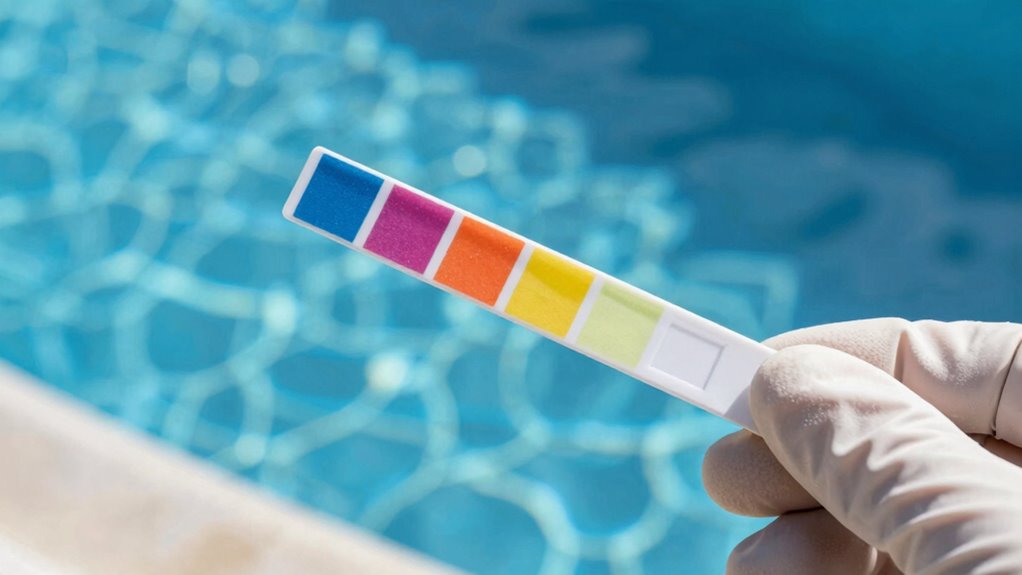
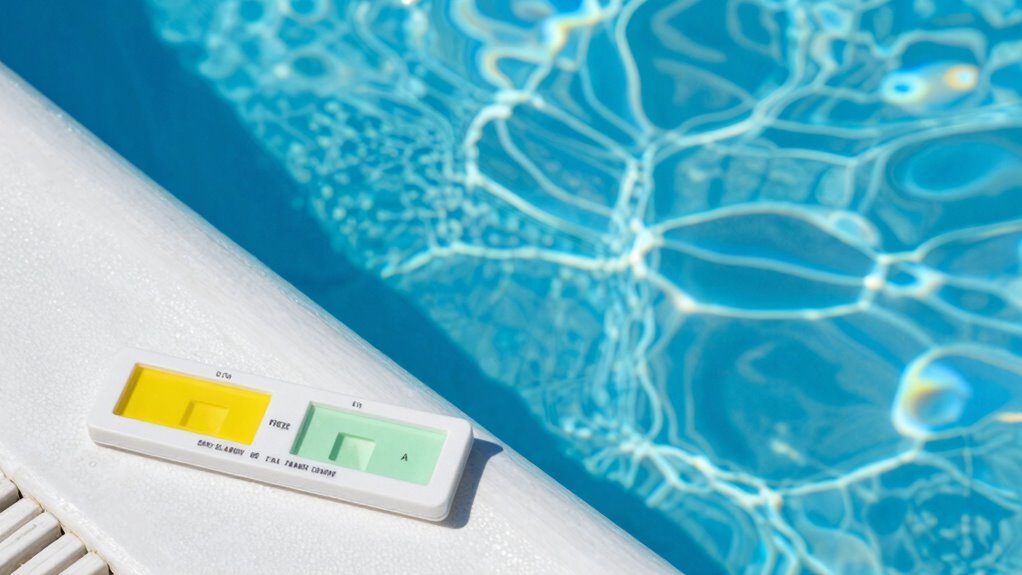
To make certain your pool stays safe and properly sanitized, it’s essential to know how to read and interpret your chlorine test results accurately. Understanding the different chlorine types—free and total chlorine—is key. Testing methods like test strips or liquid test kits help you determine these levels. Free chlorine measures the sanitizer available to kill bacteria, while total chlorine includes combined chlorines formed when free chlorine reacts with contaminants. When testing, compare your results to recommended ranges: free chlorine should be between 1-3 ppm, and total chlorine should not exceed the free chlorine level by more than 0.5 ppm. Accurate reading ensures proper sanitation and prevents issues like cloudy water or algae growth. Regular testing keeps your pool safe and well-maintained. Additionally, understanding chlorine demand can help you adjust your sanitation practices effectively. Recognizing contaminant levels is also crucial for maintaining optimal water quality and preventing overuse of chemicals. Monitoring chlorine stability helps ensure your pool remains properly sanitized over time.
Why Chlorine Imbalance Causes Cloudy Water, Smells, and Algae
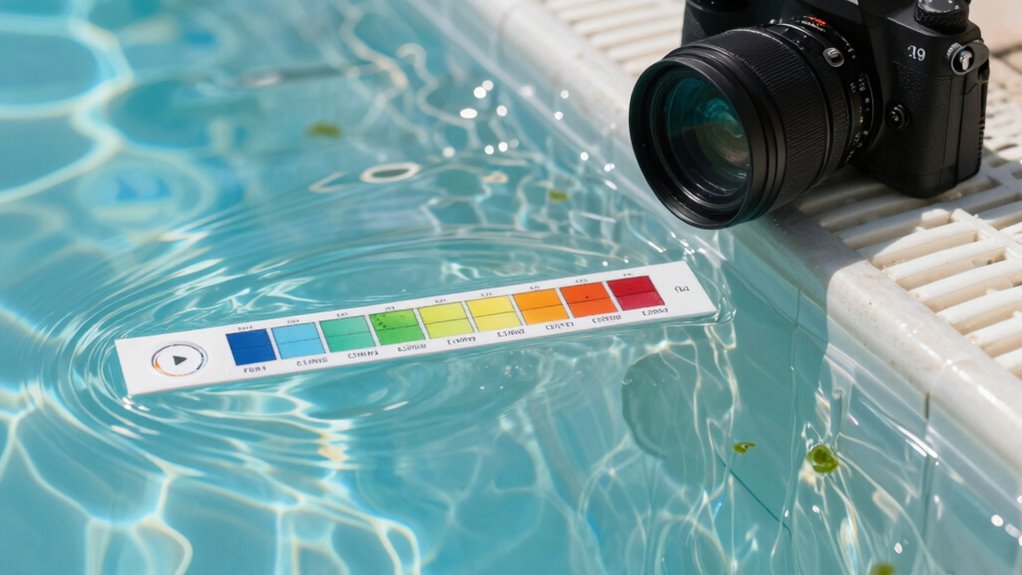
When your pool’s chlorine levels are off, you might notice cloudy water, a strong smell, or algae growth. These issues often happen because of imbalanced chlorine, excessive stabilizers, or poor water circulation. Addressing these factors helps keep your pool clear, fresh, and safe to swim in. Proper testing and understanding chlorine levels can prevent long-term problems and ensure optimal water quality.
Imbalanced Chlorine Levels
Imbalanced chlorine levels in your pool can lead to a range of issues that affect water quality and safety. When chlorine isn’t properly balanced, you might notice cloudy water, unpleasant odors, or algae growth. To prevent this, focus on pH balancing to keep chlorine effective and guarantee algae control.
Common problems caused by imbalance include:
- Cloudy water due to improper chlorine contact
- Strong smells from chloramine buildup
- Algae blooms thriving in unbalanced conditions
Maintaining proper chlorine levels helps keep water clear, fresh, and safe for swimming. Regular testing and adjusting your chlorine and pH levels ensure your pool stays balanced, preventing these common issues from developing.
Overuse of Stabilizers
Overusing stabilizers, such as cyanuric acid, can lead to chlorine imbalance in your pool. While stabilizer effects improve chlorine stability outdoors, too much can block the disinfectant’s effectiveness. Excessive chlorine stabilization prevents free chlorine from killing bacteria and algae, causing cloudy water, unpleasant smells, and algae growth. When stabilizers are overapplied, they create a barrier that shields chlorine from sunlight but also hinders its sanitizing power. This imbalance leads to lingering contaminants and poor water quality. To avoid these issues, monitor stabilizer levels carefully and keep them within recommended ranges. Proper use of stabilizers guarantees chlorine remains effective without overloading your pool, maintaining clear, healthy water and preventing common problems caused by chlorine imbalance.
Poor Water Circulation
Poor water circulation can markedly worsen chlorine imbalance, leading to cloudy water, foul smells, and algae growth. When water flow is inadequate, circulation issues prevent proper distribution of chlorine and sanitizers throughout your pool. This stagnation allows contaminants to settle and algae to thrive. To improve circulation:
- Check and clean your pump and filter regularly to maintain proper flow.
- Ensure return jets are positioned correctly to distribute water evenly.
- Reduce debris buildup that can block water movement and cause stagnation.
How to Fix Chlorine Level Problems in Your Pool
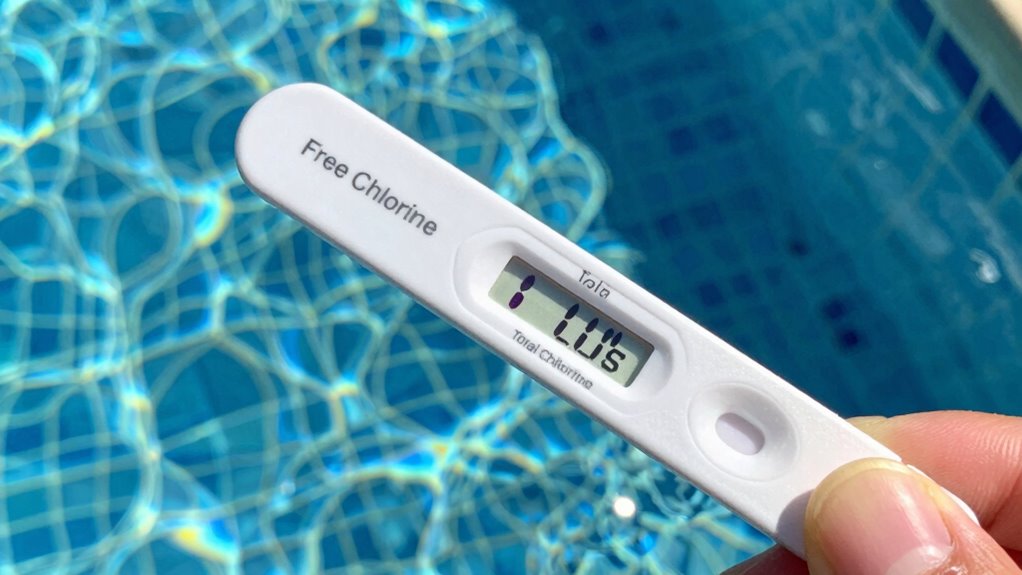
If your pool’s chlorine levels are off, you need to adjust them promptly to keep the water clean and safe. Start by adding chlorine or using shock treatment to raise levels, or dilute the water if levels are too high. Remember, balancing your pool chemistry helps prevent future problems and maintains clear, healthy water.
Adjust Chlorine Levels
When your pool’s chlorine levels aren’t within the ideal range, it’s essential to make certain they are promptly to ensure safe and clean water. To adjust chlorine levels effectively, first determine if your pool faces high chlorine demand or low sanitizer effectiveness. Then, take these steps:
- Add chlorine tablets or granular chlorine to quickly raise free chlorine levels.
- Shock the pool if levels are too low or if there’s organic contamination, boosting sanitizer effectiveness.
- Test frequently to monitor changes and prevent overcorrection, maintaining proper balance.
Balance Pool Chemistry
Balancing your pool chemistry is vital for maintaining safe and effective chlorine levels. Proper pH balance ensures chlorine works efficiently and prevents issues like cloudy water or algae growth. Keep your pH between 7.2 and 7.6 to optimize chlorine effectiveness. Cyanuric acid plays an important role by stabilizing chlorine from sunlight, preventing rapid dissipation. Too much Cyanuric acid can reduce chlorine’s ability to sanitize, so monitor levels and keep them around 30-50 ppm. Regular testing helps you spot imbalances early. If pH is too high, add pH reducers; if too low, use pH increasers. Adjust Cyanuric acid carefully, avoiding excessive buildup. Maintaining balanced pH and Cyanuric acid levels keeps your chlorine working properly and ensures a clean, safe pool.
Tips for Maintaining Proper Chlorine Levels
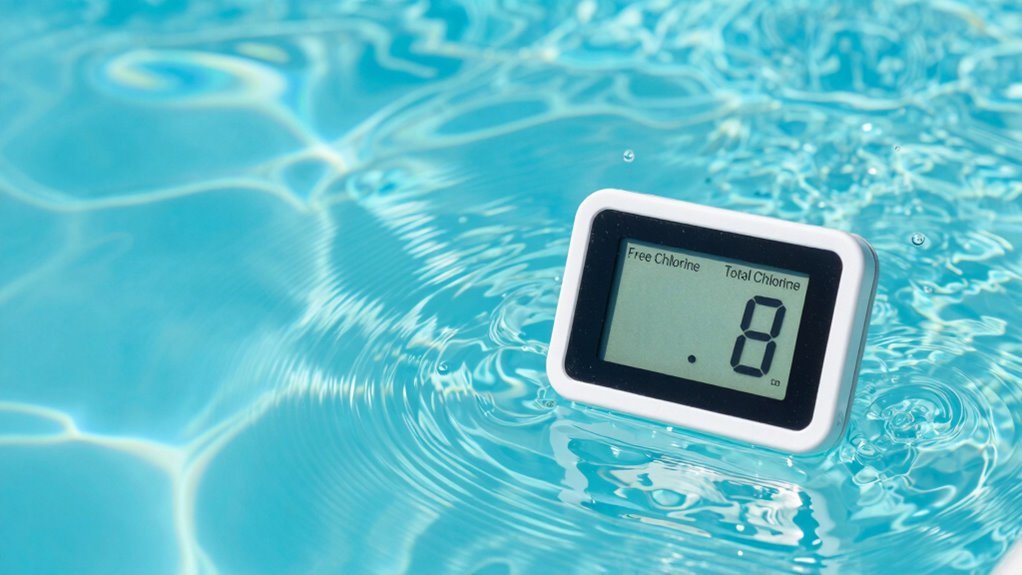
Maintaining proper chlorine levels is essential for keeping your pool safe and clean. Regular water testing helps you monitor chlorine levels accurately, ensuring they stay within the ideal range. To keep everything balanced, consider these tips:
Regular water testing and prompt adjustments keep your pool safe and clean.
- Test your water daily using a reliable pool chemical test kit to catch fluctuations early.
- Adjust chlorine levels promptly by adding the appropriate amount of sanitizer based on test results.
- Keep your pool’s filtration system running efficiently to promote even distribution of chlorine.
Troubleshooting Chlorine Imbalances: What to Do Next
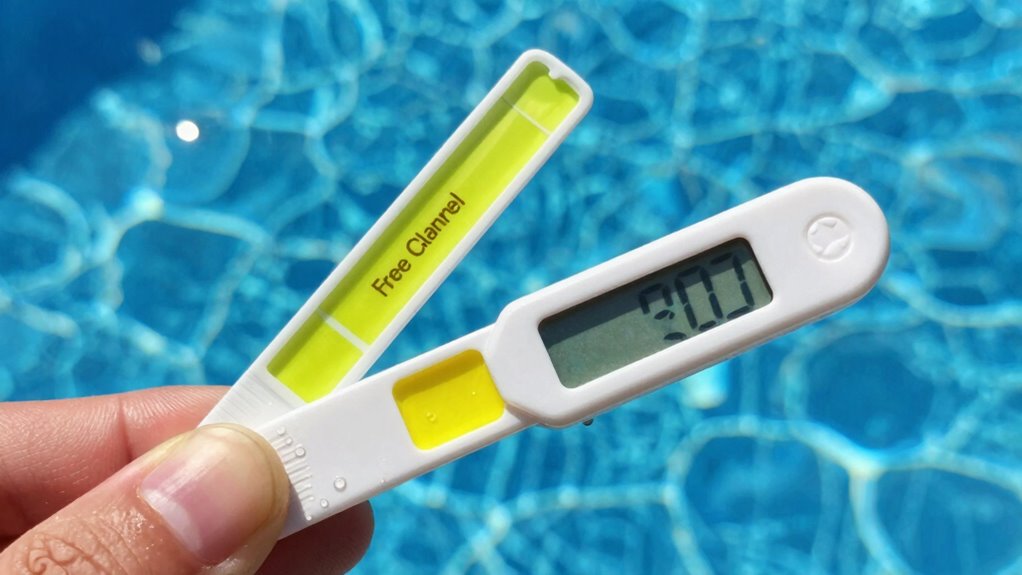
If you notice your pool’s chlorine levels are off, quick action can prevent bigger problems down the line. Understanding the chlorine lifecycle helps you troubleshoot effectively. When free chlorine drops too low, bacteria and algae can thrive, compromising pool sanitation. High levels of combined chlorine indicate that chlorine has reacted with contaminants, forming chloramines that irritate eyes and cause odors. To fix this, test your water carefully, then shock the pool if needed to restore proper chlorine balance. Regular testing ensures you catch imbalances early, maintaining the integrity of your pool sanitation. Remember, fluctuations in chlorine levels often point to issues like heavy use, debris, or inadequate filtration. Addressing these promptly keeps your pool safe, clear, and properly sanitized.
Best Practices for Using Chlorine to Prevent Pool Problems

To keep your pool healthy, you need to test the chlorine levels regularly and guarantee they stay within the recommended range. Maintaining proper chlorine levels prevents problems like algae growth and cloudy water. Consistent testing and adjustment are key to a trouble-free swimming experience.
Regular Chlorine Testing
Regularly testing your pool’s chlorine levels is essential for preventing problems like algae growth and cloudy water. Accurate testing helps you maintain proper chlorine absorption and ensures your sanitizer is working effectively. To get reliable results, keep these best practices in mind:
- Use a high-quality test kit designed for pool water to improve test kit accuracy.
- Test your chlorine levels at least twice a week, especially after heavy pool use or rain.
- Follow the instructions carefully to avoid misreading or contamination that could skew results.
Consistent testing allows you to catch fluctuations early and adjust chlorine levels accordingly. This proactive approach prevents imbalances that lead to pool issues, keeping your water crystal clear and safe for swimmers.
Proper Chlorine Levels
Maintaining proper chlorine levels is essential for keeping your pool safe and clear. When your chlorine levels are just right, it ensures effective pool sanitation and prevents bacteria and algae growth. The ideal free chlorine range is typically between 1 and 3 ppm, promoting peak chlorine efficiency. Too little chlorine allows contaminants to thrive, risking pool health and safety. On the other hand, excessive chlorine can cause skin irritation and damage pool equipment. Regular testing helps you stay within the proper range and adjust chlorine accordingly. Using stabilized chlorine products can help maintain consistent levels, especially in sunny conditions. By keeping your chlorine levels balanced, you ensure a clean, safe pool while maximizing chlorine’s effectiveness and reducing chemical waste.
When Should You Call a Pool Professional?
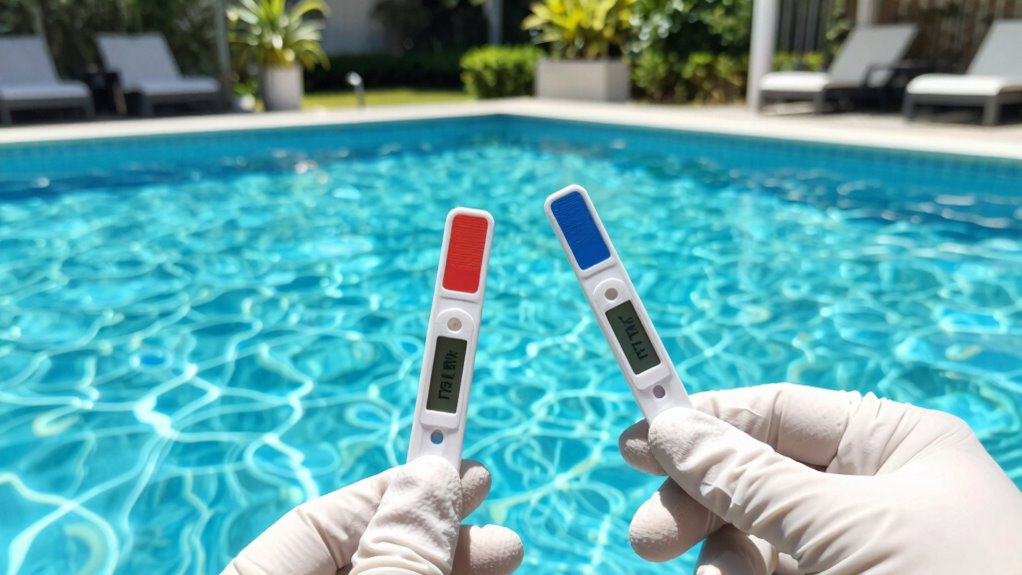
Knowing when to call a pool professional can save you time, money, and frustration. If your chlorine sanitization isn’t maintaining proper levels or your pool water chemistry seems off despite your efforts, it’s time to seek expert help.
Knowing when to call a pool professional can save you time, money, and frustration.
Consider calling a professional if:
- You’ve tested your chlorine levels repeatedly with no improvement
- Algae, cloudiness, or persistent cloudiness won’t clear up
- pH or other chemical imbalances are difficult to correct on your own
A pool pro can diagnose complex issues, optimize chlorine levels, and ensure your water chemistry stays balanced. They have the tools and expertise to troubleshoot problems beyond routine maintenance, ensuring your pool remains safe, clean, and enjoyable.
Frequently Asked Questions
How Often Should I Test My Pool’s Chlorine Levels?
You should test your pool’s chlorine levels at least 2-3 times a week to guarantee proper chlorine maintenance. Regular pool testing helps you catch any imbalances early, preventing algae growth and bacteria buildup. During heavy use or after storms, test more frequently. Keeping an eye on your chlorine levels allows you to adjust quickly, maintaining a safe and clean swimming environment for everyone.
Can High Cyanuric Acid Affect Chlorine Effectiveness?
Imagine your pool’s chlorine as a brave knight, fighting off germs. High cyanuric acid acts like a shield, overly stabilizing the chlorine and preventing it from effectively attacking contaminants. When cyanuric acid levels are too high, it hampers chlorine stabilization, making your sanitizer less active. This means your pool may not stay clear or safe, despite having enough chlorine. Keep cyanuric acid balanced to guarantee your chlorine can do its job effectively.
What’s the Ideal Free Chlorine Level for Different Pool Types?
You should aim for a free chlorine level of 1-3 ppm for most residential pools, guaranteeing proper pool sanitation and chemical balance. For larger or heavily used pools, keep it closer to 3 ppm. Maintaining this level helps eliminate bacteria and algae effectively. Regular testing and adjusting your chlorine levels ensure your pool stays safe, clean, and properly balanced, preventing common issues like cloudy water or algae growth.
How Do Temperature and Sunlight Influence Chlorine Levels?
Temperature and sunlight substantially impact your chlorine levels through UV degradation and thermal breakdown. When it’s hot or sunny, UV rays break down free chlorine faster, reducing its effectiveness. You might notice your chlorine levels dropping quickly, so you’ll need to test regularly and add chlorine as needed. Keep your pool shaded or use stabilizers to slow UV degradation, ensuring your chlorine stays active longer and keeps your water safe.
Can Chlorine Levels Indicate Other Water Quality Issues?
Chlorine levels are like a detective’s clue, revealing more than just sanitation status. If free chlorine is low but total chlorine is high, it could signal pH imbalance or algae growth. These issues thrive when chlorine isn’t properly maintained, risking cloudy water or algae blooms. Regular testing helps you catch these problems early, ensuring your pool stays clean, clear, and safe for swimming.
Conclusion
Understanding the difference between free and total chlorine is key to keeping your pool crystal clear and safe. Did you know that even a slight imbalance can lead to cloudy water or algae growth? Regular testing and proper maintenance can prevent over 80% of common pool problems. By staying on top of those numbers, you’ll enjoy a sparkling, algae-free pool all season long—making every swim invigorating and worry-free.