To protect metals, fasteners, and HVAC components in your indoor pool, keep water chemistry balanced by regularly monitoring pH, alkalinity, and sanitizer levels. Use corrosion-resistant materials like stainless steel, PVC, or composites, and apply protective coatings such as epoxy or polyurethane to create moisture barriers. Controlling humidity and ensuring proper ventilation minimize moisture buildup. Consistent inspection and maintenance help spot early corrosion signs and extend the lifespan of your equipment—discover how effective strategies can keep your pool in top condition.
Key Takeaways
- Use corrosion-resistant materials like stainless steel, PVC, or composites for metals, fasteners, and HVAC components.
- Apply protective coatings such as epoxy or polyurethane to create moisture and chloramine barriers.
- Maintain proper water chemistry, including pH and sanitizer levels, to prevent chemical imbalances that cause corrosion.
- Control indoor humidity with dehumidifiers and ventilation systems to reduce moisture buildup and metal deterioration.
- Conduct regular inspections and maintenance to identify early signs of corrosion and reapply protective coatings as needed.

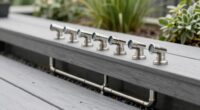
6 Packs Swimming Pool Ladder Bolts and Nuts, Pool Steps Screw Fasteners
- Threaded Head Design: Easy installation with wrench-compatible screws
- Premium Material: Made of durable, rust-resistant 304 stainless steel
- Size Details: Bolt length 3.13 inches, diameter 0.3 inches
As an affiliate, we earn on qualifying purchases.
As an affiliate, we earn on qualifying purchases.
What Causes Indoor Pool Corrosion?
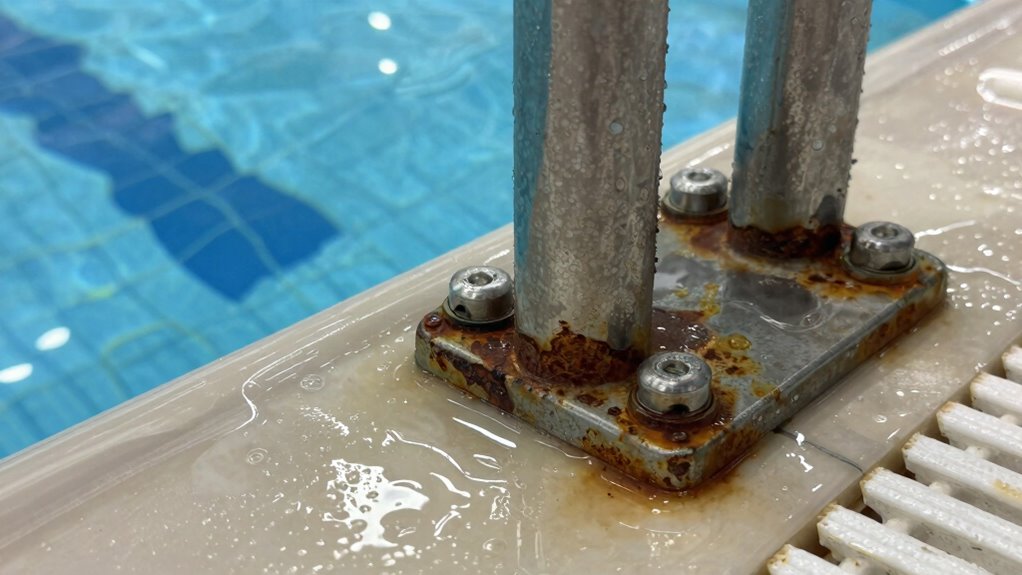
Indoor pool corrosion primarily occurs when the water’s chemical balance is off, causing metals to deteriorate over time. When the pH, alkalinity, or sanitizer levels aren’t properly maintained, chemical reactions accelerate, leading to material degradation. These reactions weaken metal surfaces, fasteners, and HVAC components, making them more vulnerable to rust and corrosion. For example, low pH levels increase acidity, speeding up metal breakdown, while high chlorine levels can also trigger damaging reactions. Proper balancing of chemicals minimizes material degradation, helping your pool’s equipment stay intact and functional longer. Staying vigilant about chemical levels is key to avoiding the gradual deterioration caused by corrosion. Additionally, corrosion resistance of materials used in pool construction can significantly reduce the impact of these chemical reactions. Selecting corrosion-resistant materials for pool components can provide an extra layer of protection against ongoing damage.

0801‑20H‑RK CR2 Series Pool Check Valve Replacement Kit Fit Magic Plastics
- Leakproof & Corrosion Resistant: Made from CPVC and silicone for durability
- Compatible with Magic Plastics: Fits 0801-20H2 and 0801-20 CR2 valves
- 2-Inch Slip Socket Connection: Ensures proper fit for specified models
As an affiliate, we earn on qualifying purchases.
As an affiliate, we earn on qualifying purchases.
How Moisture, Chlorine, and Humidity Damage Metals
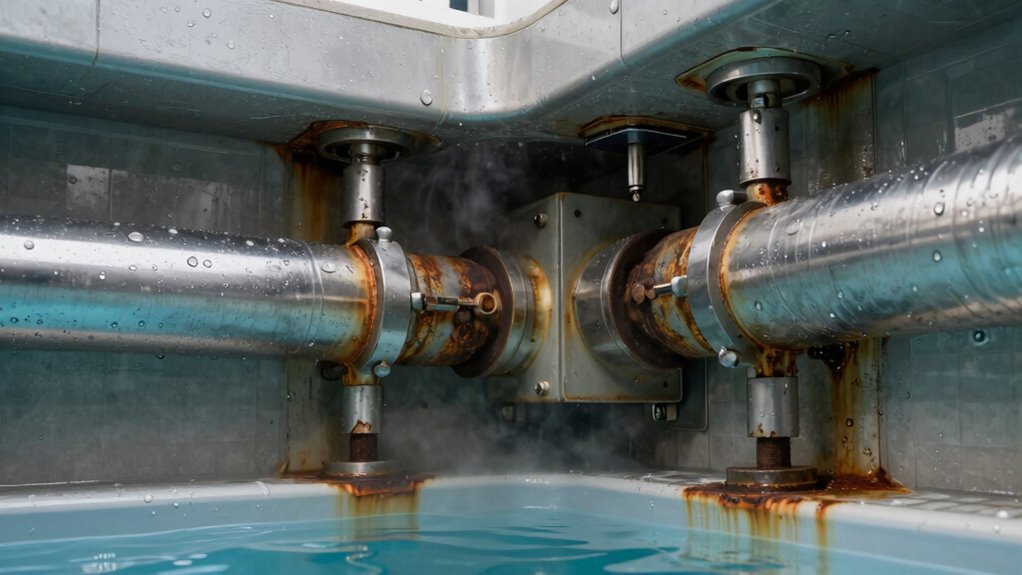
Moisture, chlorine, and humidity directly attack metal surfaces, accelerating corrosion in indoor pools. When these elements combine with metals, chemical reactions occur that lead to material degradation. Chlorine, a powerful oxidizer, reacts with metal atoms, forming chlorides that weaken the metal’s structure. Moisture provides the necessary environment for these reactions to proceed, facilitating rust and pitting. Humidity sustains the corrosive process by maintaining a moist surface, making it easier for chemicals to penetrate protective coatings. Additionally, air fryer accessories can contribute to moisture buildup if not properly maintained, potentially exacerbating corrosion issues. In indoor pool environments, the presence of microplastics in dust can also introduce additional contaminants that may accelerate material wear. Recognizing the role of corrosion mechanisms helps you understand why controlling moisture and chemical levels is vital for extending the lifespan of your indoor pool’s metal fixtures. Proper ventilation and corrosion-resistant materials are essential for minimizing damage in such settings. Implementing corrosion inhibitors can also provide added protection by reducing the rate of chemical reactions on metal surfaces.

Everbrite Protective Coating for Metal (4 Oz.)
- Durable Clear Coating: Restores color and luster of metals
- Protects Against Damage: Prevents tarnish, rust, corrosion, and fading
- UV and Oxidation Resistant: Protects metals from UV rays and oxidation
As an affiliate, we earn on qualifying purchases.
As an affiliate, we earn on qualifying purchases.
Choosing Corrosion-Resistant Materials for Indoor Pools
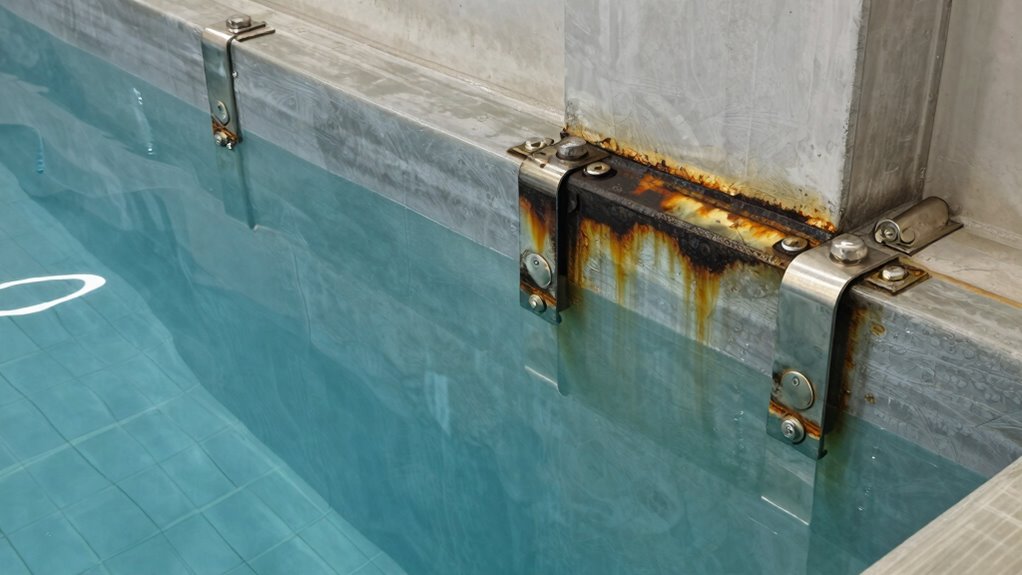
Selecting the right materials is essential to prevent corrosion in indoor pools. You want materials that withstand moisture, chlorine, and humidity while maintaining poolside aesthetics. Look for corrosion-resistant options like stainless steel alloys, PVC, or composite materials that resist rust and deterioration. These materials ensure longevity and reduce maintenance costs. When choosing surfaces, consider colorant options that complement your design, but verify they won’t compromise material integrity or promote corrosion. Using non-metallic fixtures and coatings can further enhance durability. Incorporating corrosion-resistant alloys can significantly enhance the durability of metal components exposed to indoor pool conditions. Additionally, understanding the corrosion mechanisms involved helps in selecting the most effective materials and protective treatments. Recognizing the importance of proper material selection can prevent costly repairs and safety issues. To further improve durability, consider implementing protective coatings that serve as barriers against moisture and chemicals. Understanding metal corrosion processes enables better prevention strategies. By selecting appropriate materials, you create a safe, beautiful environment that resists the damaging effects of indoor pool conditions.
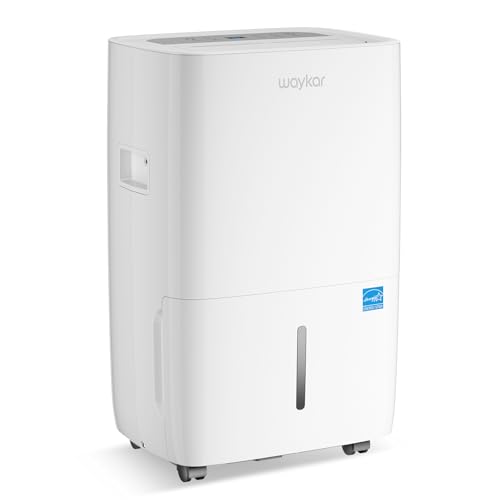
Waykar 80 Pints 5000 Sq. Ft 2025 Energy Star Dehumidifier for Basement
- High Capacity for Large Spaces: Removes 80 pints daily for up to 5,000 sq.ft.
- Even Airflow Distribution: 90° auto swing for balanced coverage
- Flexible Humidity Control: Adjusts from 30% to 80% RH
As an affiliate, we earn on qualifying purchases.
As an affiliate, we earn on qualifying purchases.
How to Protect Metal Components and Fasteners
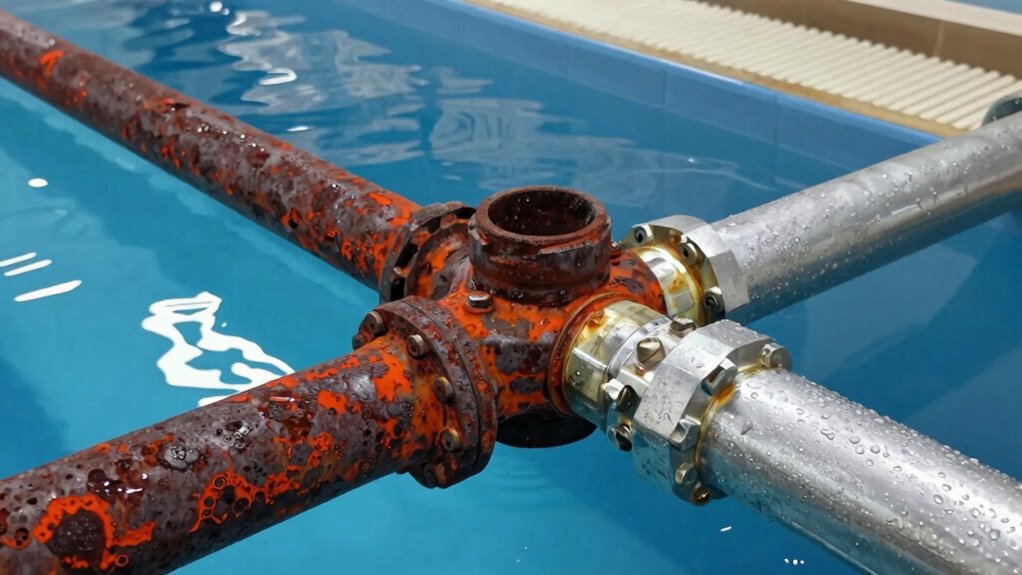
To effectively protect metal components and fasteners from corrosion, you need to apply proper coatings and treatments that create a barrier against moisture and chlorinated water. Protective coatings like epoxy or polyurethane coatings provide a durable layer that prevents water contact, markedly reducing corrosion risks. Additionally, galvanic protection can be employed by using compatible metals that are less reactive, minimizing galvanic corrosion when different metals are in contact. Ensure fasteners are coated or made from corrosion-resistant materials such as stainless steel or brass. Regular inspection and timely reapplication of protective coatings are essential to maintain their effectiveness. Implementing corrosion-resistant materials can further enhance protection against moisture-induced damage. Using air purification methods to keep indoor air free from excess moisture and pollutants can also help reduce corrosion risks around metal components. Proper ventilation systems are crucial in controlling indoor humidity levels, further protecting metal elements from corrosive environments. Additionally, reducing chlorine levels in the indoor pool environment can significantly decrease the rate of corrosion on affected components. Employing corrosion inhibitors in the water can provide an extra layer of protection by neutralizing corrosive agents. By combining these strategies, you can extend the lifespan of your metal components and fasteners, preventing costly repairs and ensuring the indoor pool remains safe and functional.
Maintenance Tips to Prevent HVAC and Equipment Corrosion
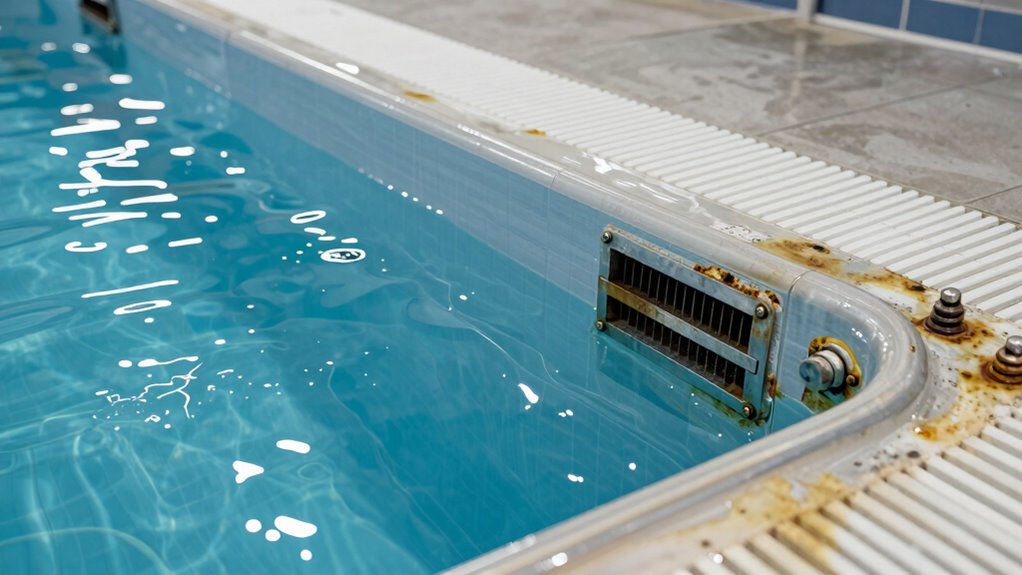
To keep your HVAC and equipment from corroding, you should conduct regular inspections to catch issues early. Using corrosion-resistant materials can also help extend the life of your systems. These proactive steps are essential for maintaining a safe, efficient indoor pool environment. Incorporating household maintenance tips can further prevent moisture buildup and corrosion around your equipment. Additionally, controlling humidity levels within the space can significantly reduce the risk of corrosion and mold growth.
Regular Equipment Inspections
Regular inspections of your indoor pool equipment are essential for preventing corrosion in HVAC systems and other machinery. During inspections, check for signs of rust, corrosion, or leaks that could indicate underlying issues. Look for areas where protective coatings may have worn or chipped, exposing metal surfaces to moisture. Apply chemical inhibitors as needed to reduce corrosion risk and ensure protective coatings remain intact. Regularly testing water pH levels helps maintain a balanced environment, minimizing corrosive effects. Pay close attention to fasteners, joints, and connections, replacing or treating any compromised parts promptly. Maintaining a schedule for inspections allows you to catch problems early, preventing costly repairs and prolonging equipment lifespan.
- Inspect for rust and corrosion signs
- Reapply or touch up protective coatings
- Monitor water chemistry regularly
Use of Corrosion-Resistant Materials
Using corrosion-resistant materials is one of the most effective ways to prevent damage to your indoor pool’s HVAC systems and equipment. Start by selecting metal alloys designed for moisture-rich environments, such as stainless steel or bronze, which resist rust and deterioration. Incorporate corrosion-resistant coatings on vulnerable surfaces to add an extra layer of protection against harsh chlorinated water and humidity. Proper metal alloy selection minimizes the risk of corrosion and extends equipment lifespan. When choosing materials, consider their compatibility with pool chemicals and humidity levels. Applying protective coatings during installation and maintenance helps prevent corrosion before it begins. By proactively using corrosion-resistant materials, you safeguard your equipment, reduce repair costs, and ensure your indoor pool remains safe and operational.
Monitoring and Upkeep Strategies to Extend Equipment Life
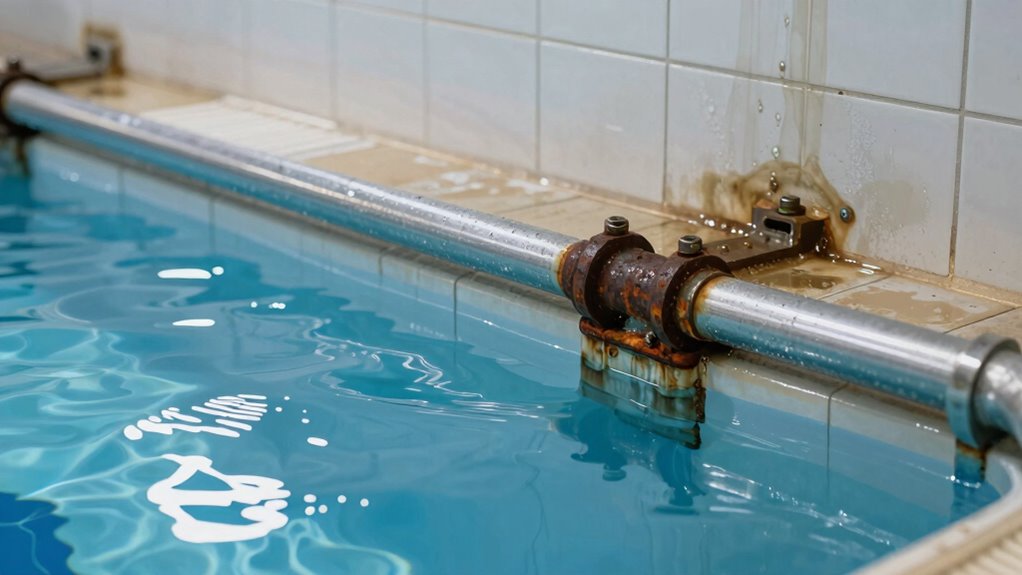
Effective monitoring and upkeep are essential for preventing corrosion and extending the lifespan of indoor pool equipment. Regularly checking chemical treatments ensures water chemistry remains balanced, reducing corrosive effects. Maintaining ideal air quality by controlling humidity and ventilation minimizes metal deterioration. Consistent inspections help identify early signs of corrosion or wear, allowing timely repairs. Consider implementing a maintenance schedule that includes:
- Monitoring and adjusting chemical levels to prevent pH imbalance
- Using air filtration and dehumidifiers to control indoor humidity
- Regularly inspecting fasteners, HVAC components, and metal surfaces for corrosion
Frequently Asked Questions
How Do Different Indoor Pool Designs Influence Corrosion Risk?
Your pool design markedly influences corrosion risk. Open layouts with good ventilation systems help reduce humidity and prevent metal corrosion, while enclosed designs may trap moisture, increasing risk. Using corrosion-resistant materials and strategic placement of fasteners also matter. Proper ventilation systems ensure air circulation, minimizing condensation and metal deterioration. By choosing the right pool design and maintaining excellent ventilation, you can effectively protect your metals, fasteners, and HVAC components from corrosion.
What Role Do Water pH Levels Play in Corrosion Development?
Think of pH levels as the secret weapon in corrosion mitigation—like a modern-day knight guarding your pool’s metals. If water’s pH drops below 7, it becomes more acidic, accelerating corrosion of fasteners, HVAC components, and metals. Regular pH monitoring is essential to maintain ideal levels, typically between 7.2 and 7.8. Keeping pH balanced helps protect your equipment and prolongs its lifespan, avoiding costly repairs down the road.
Are There Eco-Friendly Corrosion Inhibitors Suitable for Indoor Pools?
Yes, eco-friendly inhibitors like natural corrosion prevention options are available for indoor pools. You can use substances such as plant-based extracts, organic acids, or biopolymer-based products that reduce metal corrosion without harming the environment. These eco-friendly inhibitors effectively protect metals, fasteners, and HVAC components while aligning with sustainable practices. Incorporating natural corrosion prevention methods helps maintain pool equipment integrity and promotes a safer, greener indoor swimming environment.
How Can Automation Help in Corrosion Detection and Prevention?
Automation acts like a vigilant guardian, catching corrosion threats before they escalate. By integrating sensors, you get real-time data on metal health, while predictive analytics forecast potential issues. This proactive approach helps you prevent corrosion, saving time and costs. You stay ahead of problems, ensuring your indoor pool stays pristine. Embracing automation transforms corrosion prevention from a reactive chore into a smart, efficient system that keeps your pool safe and durable.
What Are the Latest Advancements in Corrosion-Resistant Materials?
You should explore the latest advancements in corrosion-resistant materials, like advanced coatings and material innovations, which substantially enhance durability. These coatings, such as ceramic-based or polymer-infused options, provide superior protection against moisture and chemicals. Material innovations also include corrosion-resistant alloys like stainless steel or titanium, which resist rust and degradation. By incorporating these cutting-edge solutions, you can effectively safeguard metals, fasteners, and HVAC components in indoor pool environments.
Conclusion
By understanding indoor pool corrosion and taking proactive steps, you can protect your metals, fasteners, and HVAC components effectively. Some might think maintenance is too time-consuming or costly, but investing in corrosion-resistant materials and regular upkeep actually saves you money long-term. Don’t let corrosion threaten your pool’s performance—stay vigilant, follow best practices, and enjoy a safe, durable indoor swimming environment for years to come.