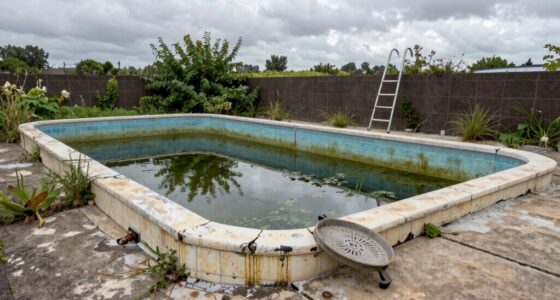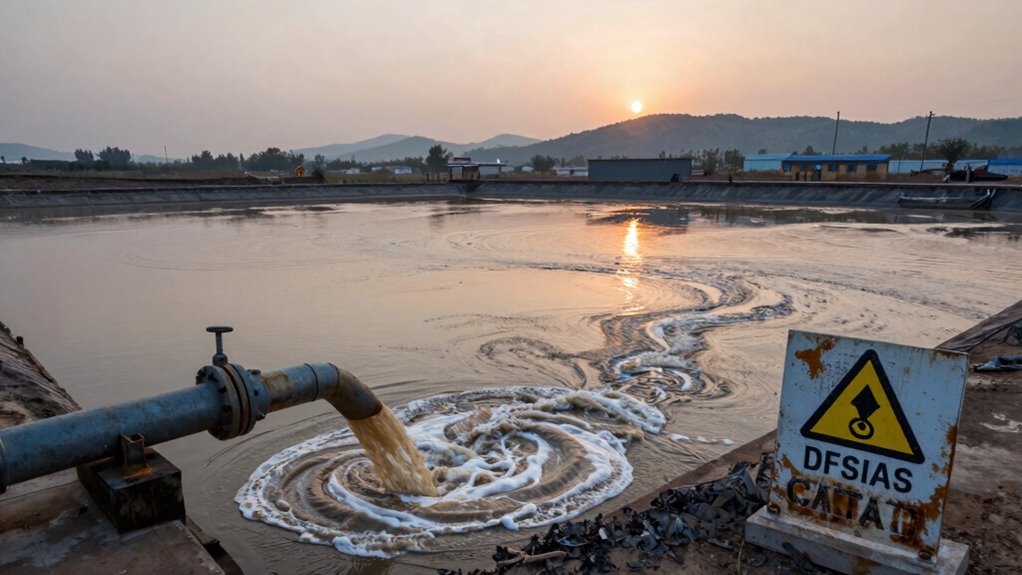

To avoid legal and environmental risks with backwash water disposal, you must follow proper procedures and comply with local, state, and federal regulations. Don’t neglect to treat water adequately, obtain necessary permits, and monitor water quality regularly. Avoid illegal dumping, improper chemical management, and outdated methods. Staying informed on legal standards and best practices helps prevent pollution and fines. Keep learning more about how to safely and legally manage waste to protect ecosystems and your operation.

Get pool and patio gear delivered free — and shop member deals
- Fast, free delivery on millions of items
- Access to Prime Big Deal Days deals on October 6–7
- Prime Video, Amazon Music and more included
Key Takeaways
- Always obtain proper permits and comply with local, state, and federal regulations before disposing of backwash water.
- Ensure thorough treatment, testing, and chemical balancing of backwash water to prevent environmental contamination.
- Avoid illegal dumping by using approved disposal sites and following designated procedures.
- Maintain detailed documentation of disposal practices and water quality monitoring for legal compliance.
- Stay updated on changing regulations and adopt innovative, eco-friendly treatment technologies to minimize environmental impact.
As an affiliate, we earn on qualifying purchases.
What You Need to Know About Backwash Water Disposal and Environmental Risks
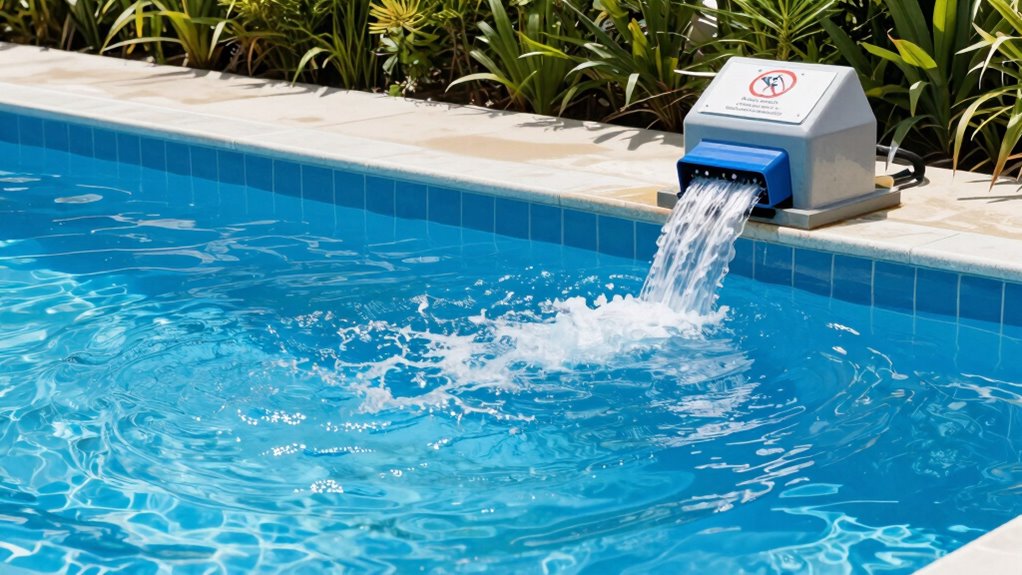
Understanding how to properly dispose of backwash water is essential because improper handling can pose significant environmental risks. Water contamination is a major concern when backwash water contains chemicals, debris, or pollutants that can seep into soil and groundwater. If not managed correctly, these contaminants can harm ecosystems, affect drinking water supplies, and create health hazards. To avoid these issues, you must adhere to regulatory compliance standards designed to protect the environment. Proper disposal methods help prevent water contamination and ensure you meet legal requirements. Failing to follow these guidelines can result in penalties, cleanup costs, and damage to your reputation. Being proactive about backwash water management safeguards both the environment and your operations. Additionally, understanding the environmental impact of improper disposal emphasizes the importance of implementing effective management practices. Incorporating proper disposal techniques is crucial for minimizing pollution and maintaining compliance with environmental regulations. Recognizing the long-term consequences of neglecting proper disposal can motivate more responsible practices to protect ecosystems and public health, especially considering the role of AI in discovery and innovation that can influence future regulations and safety standards.
As an affiliate, we earn on qualifying purchases.
Legal Requirements for Backwash Water Disposal: Stay Compliant
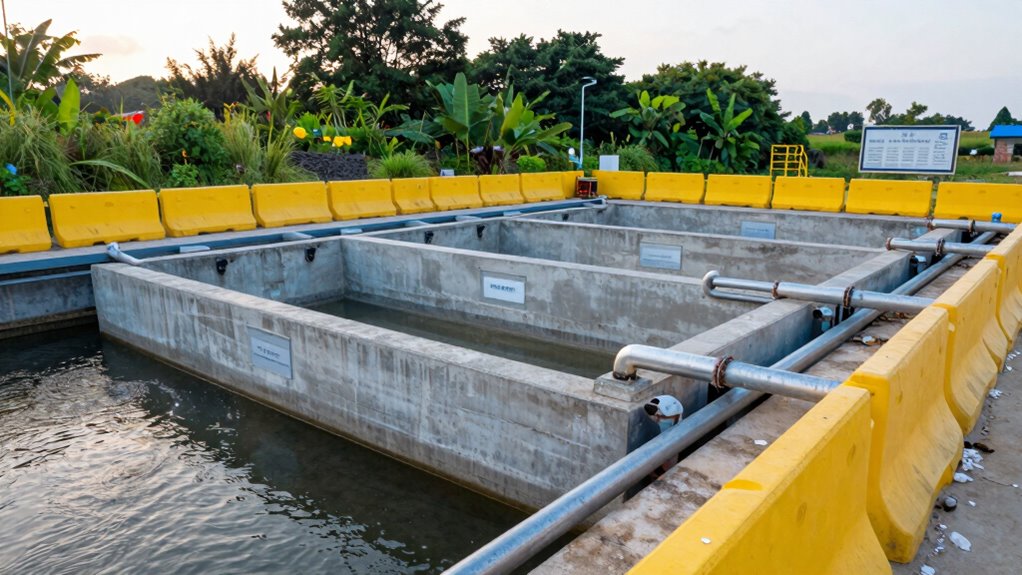
To guarantee you’re legally compliant when disposing of backwash water, it’s vital to familiarize yourself with local, state, and federal regulations that govern wastewater management. Proper water treatment is essential to meet these legal standards and avoid penalties. Regulatory compliance involves understanding permits required for backwash disposal, monitoring water quality, and adhering to discharge limits. Some regions may require specialized treatment processes before discharge, while others impose strict reporting obligations. Staying informed ensures you avoid violations that could lead to fines or legal action. Always check with environmental agencies to confirm you’re following the latest laws. Additionally, understanding electric power generation methods can help optimize your system’s efficiency and reduce waste. Implementing proper wastewater management practices is crucial for maintaining environmental safety and legal adherence. Developing a comprehensive water treatment protocol can further help ensure compliance and protect your operations. By prioritizing Regulatory compliance, you protect both your operations and the environment, minimizing legal risks associated with backwash water disposal. Incorporating environmental safety measures into your procedures can further enhance compliance and sustainability.
environmentally friendly backwash disposal
As an affiliate, we earn on qualifying purchases.
As an affiliate, we earn on qualifying purchases.
Common Mistakes in Backwash Water Disposal and How to Avoid Them
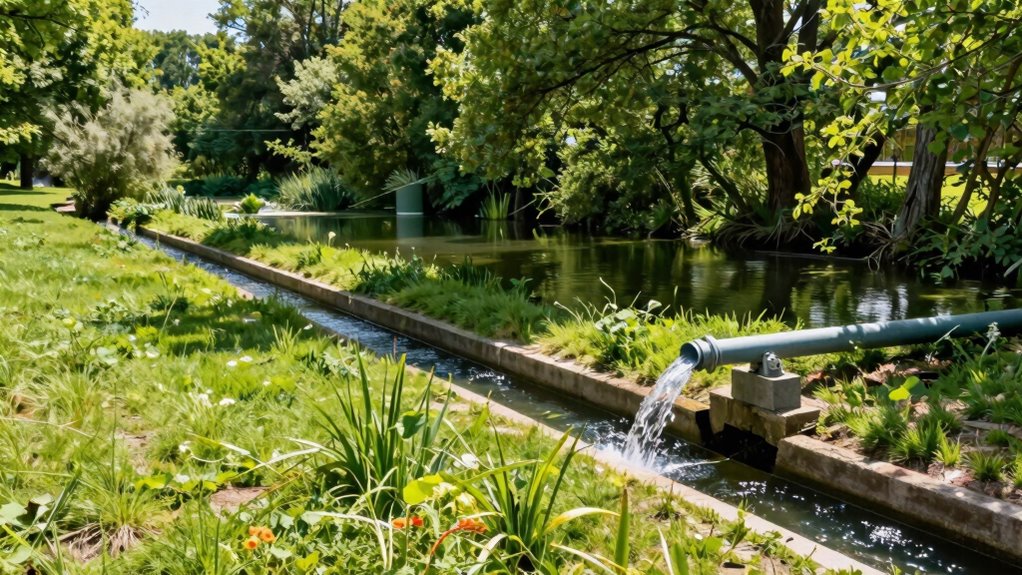
One of the most common mistakes in backwash water disposal is neglecting proper treatment before discharge, which can lead to regulatory violations and environmental harm. Poor pool maintenance often results in improperly managed backwash, increasing pollutant levels. Additionally, overlooking chemical management can cause imbalanced water with high levels of contaminants or residual chemicals that harm ecosystems. Failing to treat backwash water thoroughly before disposal allows harmful substances, like algae blooms or toxic chemicals, to enter natural water bodies. To avoid these mistakes, ensure your pool maintenance routines include regular water testing and appropriate filtration. Manage chemicals carefully, balancing and neutralizing them as needed. Proper treatment and diligent chemical management are key to environmentally safe and compliant backwash water disposal. Incorporating high flow toilet systems can help reduce water waste during backwash processes, minimizing environmental impact and wastewater management issues. Furthermore, utilizing proper disposal techniques can prevent the spread of pollutants and ensure compliance with local environmental regulations. Implementing environmentally conscious practices can significantly reduce the ecological footprint associated with backwash water disposal. Additionally, staying informed about regulatory updates ensures your disposal methods remain compliant with current environmental standards.
As an affiliate, we earn on qualifying purchases.
Best Practices for Environmentally Safe and Legal Disposal of Backwash Water

Implementing best practices for environmentally safe and legal disposal of backwash water requires careful planning and adherence to regulations. You should prioritize innovative treatment methods that reduce pollutants and comply with local standards. Eco-friendly practices, such as recycling backwash water or using natural filtration systems, help minimize environmental impact. Developing a disposal plan involves understanding regulations, evaluating water quality, and choosing appropriate treatment options. To clarify these concepts, consider the following table:
| Practice | Description | Benefits |
|---|---|---|
| Innovative treatment | Using advanced technologies to clean water | Reduces pollutants, improves safety |
| Reuse of backwash water | Recycling water within the system | Conserves resources, lowers costs |
| Natural filtration | Using eco-friendly filters or wetlands | Minimizes environmental footprint |
| Regulatory compliance | Following local disposal laws | Avoids legal penalties |
| Regular monitoring | Tracking water quality and treatment progress | Ensures ongoing safety |
Additionally, understanding the principles of regulatory compliance ensures that disposal methods meet all legal requirements and avoid potential penalties. Incorporating proper documentation of disposal practices further supports compliance efforts and helps demonstrate adherence during inspections. Maintaining consistent documentation is essential for demonstrating compliance and streamlining reporting procedures. Regularly reviewing disposal procedures and staying informed about environmental regulations can help prevent costly mistakes and promote sustainable practices.
Monitoring, Documentation, and Staying Up-to-Date on Regulations
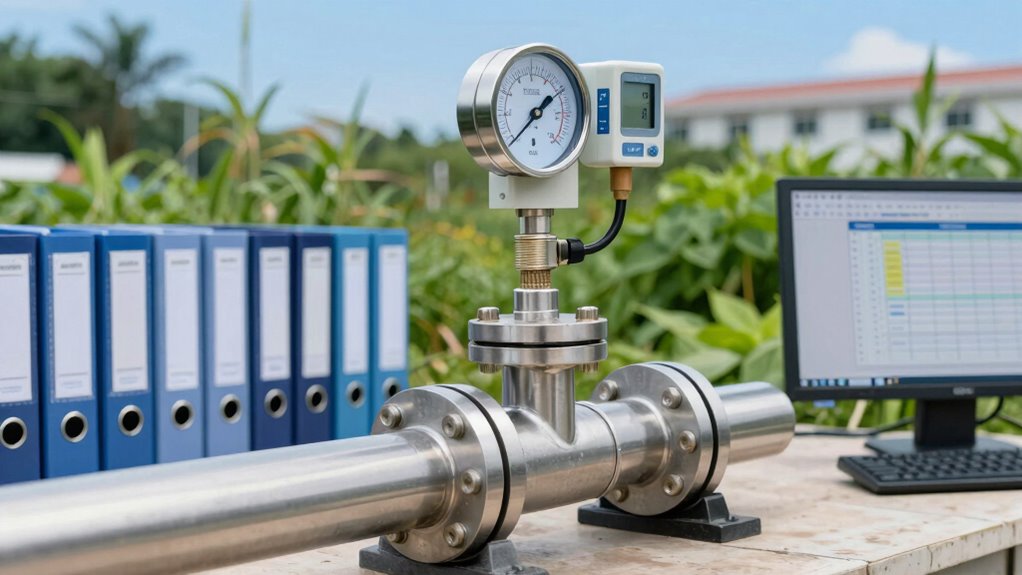
Staying current with monitoring practices and regulatory requirements is essential for ensuring the safe disposal of backwash water. Regular water sampling helps you identify potential contaminants and meet legal standards. Accurate record keeping creates a clear trail of compliance, making inspections smoother. To stay up-to-date, you should:
- Keep detailed logs of water sampling results
- Review new regulations from agencies like EPA or local authorities
- Track changes in allowable discharge limits
- Use reliable testing equipment for consistent results
- Stay connected with industry updates and training sessions
Frequently Asked Questions
How Does Climate Change Impact Backwash Water Disposal Regulations?
Climate change influences backwash water disposal regulations by prompting stricter environmental policies and climate regulations. You need to stay updated because regulations may tighten to address increased risks of contamination and water scarcity. As temperatures rise and weather patterns shift, authorities could impose more rigorous controls to protect ecosystems. You must adapt your disposal methods accordingly, ensuring compliance with evolving standards aimed at reducing environmental impact and safeguarding public health amid climate change challenges.
Are There Specific Disposal Methods for Different Types of Pools or Facilities?
Imagine you’re in the 21st century, and yes, there’s a method for every pool type and facility size. For small residential pools, you might use drip disposal or infiltration systems. Larger commercial facilities often require advanced filtration or dedicated discharge systems. Knowing your pool type and facility size helps you choose the right disposal method, ensuring compliance and environmental safety without risking fines or ecological harm.
What Are the Financial Implications of Non-Compliance With Disposal Laws?
Ignoring disposal laws can lead to costly penalties and legal liabilities that severely impact your business. You might face hefty fines, increased regulatory scrutiny, or even lawsuits if you don’t comply. Non-compliance not only damages your reputation but also results in financial strain from legal fees and remediation costs. To avoid these consequences, always follow proper disposal methods and stay updated on local regulations, protecting your business and the environment.
Can Backwash Water Be Repurposed for Other Uses Before Disposal?
Ever wonder if your backwash water can serve a purpose beyond disposal? Yes, you can repurpose it through water recycling for alternative uses like irrigation or cooling systems. This not only reduces waste but also conserves resources. By implementing effective water recycling practices, you minimize environmental impact and potentially cut costs. Don’t let valuable water go to waste—consider alternative uses before disposal to make a positive difference.
How Do New Technologies Influence Future Backwash Water Management Practices?
New technologies like smart filtration and IoT monitoring revolutionize backwash water management. You can now optimize filtration processes in real-time, reducing waste and improving efficiency. IoT sensors continuously track water quality, alerting you to issues before they escalate. These innovations help you comply with regulations, lower environmental impact, and save costs, making future water management more sustainable and smarter, ultimately transforming how you handle backwash water.
Conclusion
Ignoring the rules might seem easier, but it’s a costly gamble that often backfires—pun intended. While avoiding proper disposal methods might save time now, the environmental damage and legal penalties can haunt you later. Ironically, following regulations guarantees peace of mind and protects our water sources, proving that doing the right thing isn’t just responsible—it’s smarter. So, don’t let shortcuts turn into costly mistakes; stay compliant and keep your operations smooth.
Fall Picks
fall essentials
As an affiliate, we earn on qualifying purchases.