To estimate filter turnover without guessing, track actual usage and environmental factors that affect dirt buildup, like dust levels and pet presence. Use airflow meters or pressure sensors to monitor system performance and note pressure drops or airflow reductions, signaling when to replace filters. Establish a schedule based on manufacturer guidance, but adjust it with real-time data you gather. If you keep monitoring these indicators, you’ll improve accuracy in filter replacements and save costs.
Key Takeaways
- Use airflow measurement tools like pressure sensors or anemometers to monitor changes indicating filter clogging.
- Track pressure drop across the filter regularly to determine clogging levels accurately.
- Observe airflow reduction and system performance for signs of filter saturation.
- Combine environmental data (dust levels, pet presence) with filter usage patterns for better estimates.
- Follow manufacturer guidelines and adjust based on real-time feedback from monitoring devices.
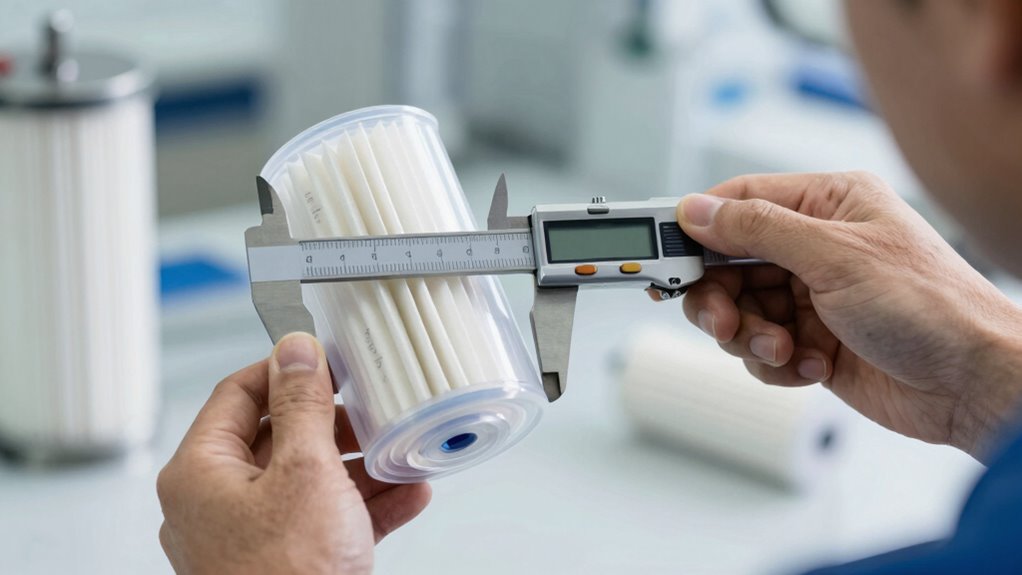
Ever wondered how often you should replace your filters to keep your system running efficiently? The secret lies in accurate filter turnover estimation, which is essential for effective filter maintenance and efficiency optimization. Instead of guessing or relying solely on manufacturer recommendations, you can develop a clear understanding based on actual usage and environmental factors. The first step is to determine how often your environment generates particles and contaminants that clog your filters. For example, if you live in a dusty area or have pets, your filters will need more frequent replacements. Keep track of these conditions, and you’ll have a better idea of your filter’s lifespan.
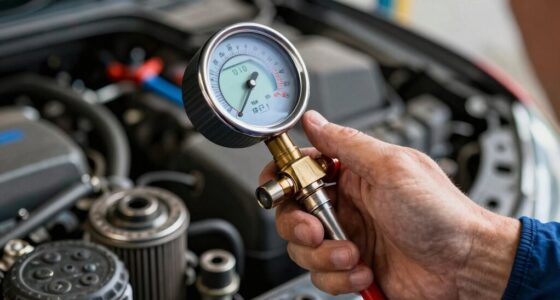
Next, consider the filter’s MERV rating or efficiency level. Higher-rated filters trap smaller particles but tend to clog faster, which means you’ll need to replace them more often. Conversely, filters with lower ratings may last longer but might not provide *ideal* filtration. To accurately estimate filter turnover, monitor the pressure drop across your filter. If your HVAC system has a pressure gauge or if you notice reduced airflow, it’s a sign that the filter is clogged and needs replacing. This real-time feedback helps you avoid unnecessary replacements and ensures your system operates at *peak* efficiency.
Another useful method is to establish a replacement schedule based on your system’s typical usage. For instance, many systems benefit from filter changes every 30 to 60 days, but this can vary depending on your environment. You can keep a simple log or set reminders to check and replace filters accordingly. Regular inspections, especially during seasonal changes, can help you catch early signs of clogging. Remember, neglecting filter maintenance not only reduces efficiency but can also strain your system, leading to higher energy costs and potential breakdowns. Additionally, understanding your environment’s particle generation rate can help you better anticipate when filters need changing. Recognizing the pressure drop across your filter is also a key indicator of when maintenance is needed. Incorporating airflow measurement tools can help you make more precise decisions about filter replacement timing.
To fine-tune your filter turnover estimate, consider the manufacturer’s specifications alongside your observations. Many filters come with guidelines on recommended replacement intervals based on average conditions. But your actual needs might differ, so adjusting these recommendations based on your environment and system performance will *maximize* both filter lifespan and efficiency. Using tools like airflow meters or pressure sensors adds precision to your estimation process. Moreover, understanding the filter’s lifespan in relation to environmental influences can help prevent premature replacements and unnecessary costs. Over time, you’ll develop a predictable routine that minimizes guesswork, saves money, and keeps your system running smoothly.
In the end, accurate estimation of filter turnover is about paying attention to your system’s signals and environmental factors. Regular monitoring, understanding filter specifications, and tracking usage patterns empower you to perform effective filter maintenance. This proactive approach ensures your HVAC system operates efficiently, saving energy and prolonging the life of your equipment.
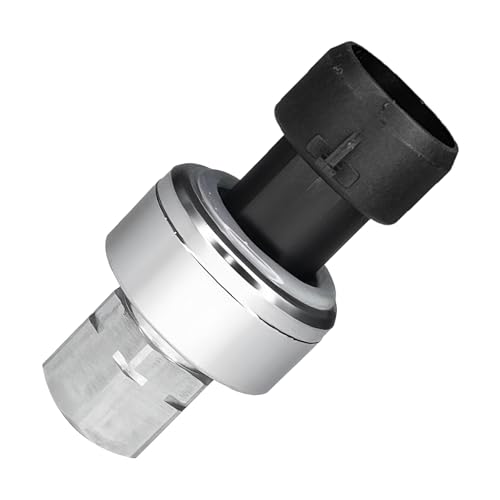
KUQUTIDY AC Pressure Sensor Switch for Buick Cadillac Pontiac Saturn Chevy GMC Air Compressor, OEM#1551343 HVAC Pressure Transducer Air Conditioning Refrigerant High Pressure Sensor Replacement
- Compatible Vehicles: Fits various Buick, Chevy, GMC, and more
- Functionality: Monitors refrigerant pressure for stable operation
- High-Pressure Sensor: Designed for high-pressure compressor systems
As an affiliate, we earn on qualifying purchases.
As an affiliate, we earn on qualifying purchases.
Frequently Asked Questions
What Types of Filters Are Most Common in Industrial Settings?
In industrial settings, you most commonly encounter filters with media made of materials like cellulose, synthetic fibers, and pleated paper. You choose the filter material based on the media selection process, which considers factors like contaminants and flow rates. These filters are designed to optimize dirt removal and airflow, ensuring your equipment runs smoothly. Regularly monitoring and maintaining these filter types helps you effectively estimate filter turnover without guesswork.
How Does Filter Turnover Impact Overall Equipment Efficiency?
Filter turnover directly impacts your overall equipment efficiency by influencing filter lifespan and maintenance needs. When filters are replaced too often, you risk unnecessary costs and downtime; too infrequent, and equipment may work harder, reducing efficiency. By accurately estimating filter turnover, you optimize filter lifespan and enhance efficiency, preventing clogging and ensuring smooth operation. This balance helps maintain peak performance and reduces operational expenses over time.
Are There Specific Tools for Measuring Filter Lifespan Accurately?
Imagine you’re in a sci-fi movie, and you need precise tools to measure filter lifespan. You’ll want digital particle counters or advanced pressure gauges, which enhance measurement accuracy. These tools help you monitor filter performance, providing real-time data to predict lifespan accurately. By using such devices, you avoid guesswork, optimize maintenance schedules, and guarantee equipment runs efficiently. Investing in these tools is essential for reliable, data-driven filter turnover estimates.
How Often Should Filter Maintenance Be Scheduled for Optimal Performance?
You should schedule filter maintenance based on its estimated lifespan, typically every 3 to 6 months, but this can vary with usage and environment. Regular maintenance guarantees peak performance and extends the filter’s lifespan. Keep an eye on performance indicators like airflow or pressure drops, and adjust your maintenance scheduling accordingly. Using tools to monitor filter condition can help you stay proactive, preventing system strain and ensuring efficiency.
What Are Signs Indicating a Filter Needs Replacement Sooner Than Expected?
You’ll notice your filter needs replacement sooner if you see increased dust, reduced airflow, or a foul odor. These are key replacement indicators that your filter’s lifespan is ending sooner than expected. Don’t ignore these signs; addressing them promptly guarantees peak performance. Regularly checking for these indicators helps you estimate filter turnover accurately, preventing unnecessary replacements and maintaining a healthy, efficient system.

BTMETER BT-100 Handheld Anemometer, Digital Wind Speed CFM Meter Gauge Air Flow Velocity Tester for HVAC Shooting Drone, Wind Chill, 14℉-113℉ Wind Temperature
- Multifunctional Anemometer: Measures wind speed, temperature, and chill
- Multiple Units & Temp Options: Displays in m/s, km/h, ft/min, knots, mph; ℃/℉
- High Accuracy & Sensitivity: ±2% accuracy, low airflow detection
As an affiliate, we earn on qualifying purchases.
As an affiliate, we earn on qualifying purchases.
Conclusion
Now, picture your filter as a busy highway, constantly clearing traffic to keep your air fresh. By tracking how often you replace it, you’re fundamentally managing the flow of this highway. With a little observation and simple calculations, you can prevent traffic jams and keep everything running smoothly. Remember, estimating filter turnover isn’t about guesswork — it’s about guiding your system like a skilled traffic controller, ensuring each breath you take is as clean and fresh as a breeze.
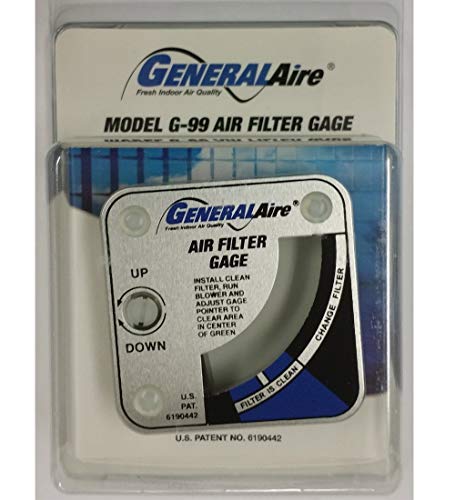
General Aire G99 Media Air Cleaner Filter Gauge
As an affiliate, we earn on qualifying purchases.
As an affiliate, we earn on qualifying purchases.

Amazon Smart Air Quality Monitor – Know your air, Works with Alexa
- Real-time Air Quality Monitoring: Tracks PM 2.5, VOCs, CO, humidity, temperature
- Easy Air Quality Insights: Color-coded LED and Alexa app scores
- Works with Alexa: Integrates seamlessly with Alexa for updates
As an affiliate, we earn on qualifying purchases.
As an affiliate, we earn on qualifying purchases.