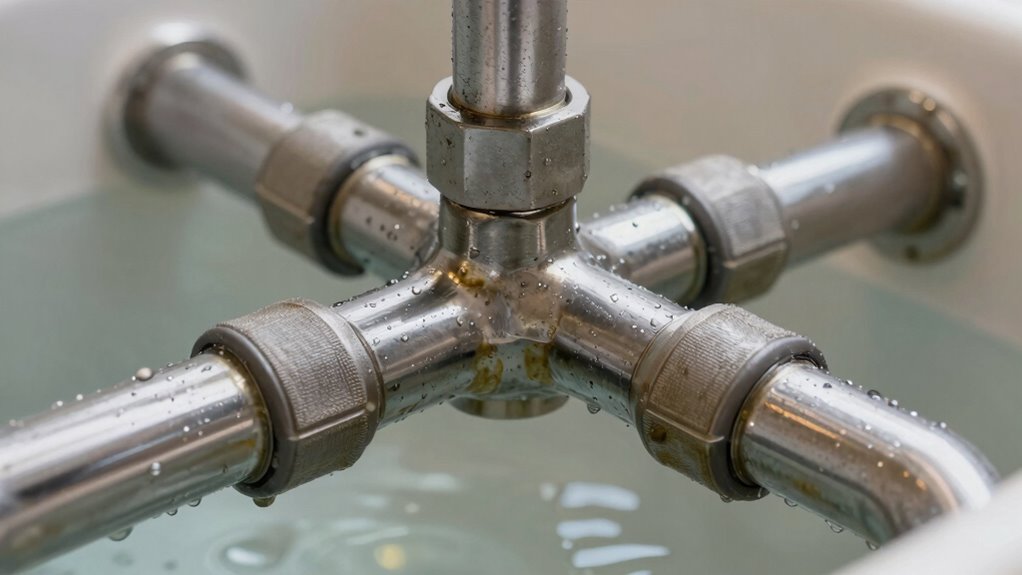

As a pool operator, it’s vital to maintain proper water quality and disinfectant levels to prevent Legionella growth. Regularly monitor pH and sanitizer levels, make certain proper system maintenance, and keep water moving to avoid stagnant areas. Clean filters and inspect equipment frequently, and keep detailed records of all activities. Staying informed about current guidelines and advanced monitoring methods can help you effectively prevent bacterial spread. Continue exploring to learn more about safeguarding your water systems.
Get ready for Prime Big Deal Days — try Prime free
Exclusive member deals on October 6–7, plus fast free delivery. Cancel anytime.
As an affiliate, we earn on qualifying purchases.
Key Takeaways
- Regularly monitor and maintain sanitizer and pH levels to prevent Legionella growth.
- Perform routine cleaning, disinfection, and maintenance of filters and circulation systems.
- Keep water moving and avoid stagnant areas to inhibit bacterial proliferation.
- Train staff on Legionella risks and proper water management protocols.
- Keep detailed records of water testing, maintenance, and compliance activities.
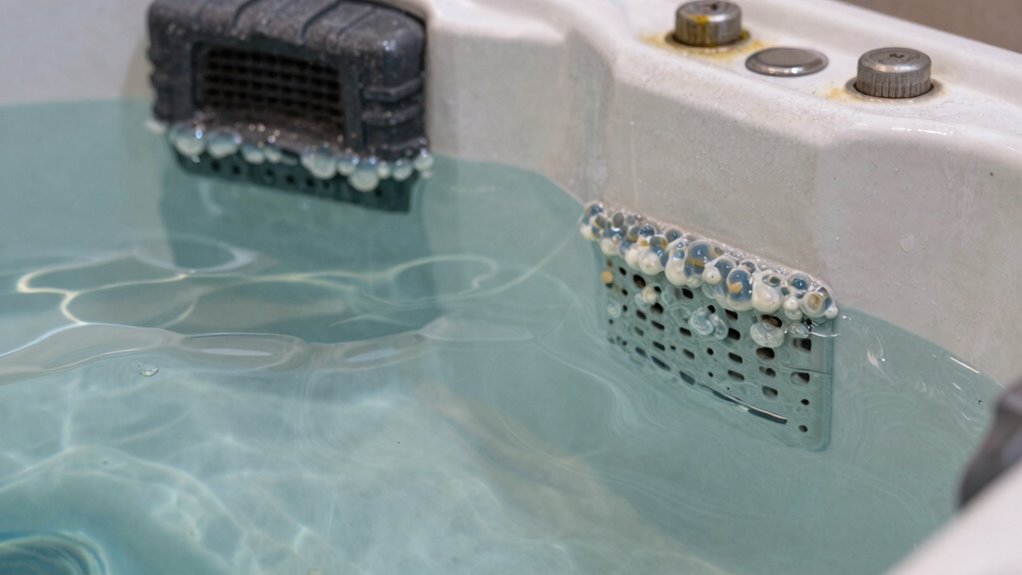
Pool operators play a crucial role in preventing Legionella outbreaks by maintaining proper water quality and disinfection protocols. Legionella bacteria thrive in warm, stagnant water often found in hot tubs, spas, and other warm water systems. To keep these bacteria at bay, you need to focus on effective chemical disinfection and diligent system maintenance. Proper chemical disinfection involves regularly monitoring sanitizer levels, such as chlorine or bromine, ensuring they stay within the recommended ranges. This helps eliminate bacteria, including Legionella, before they can multiply. You should also pay close attention to pH levels, as imbalances can reduce the effectiveness of disinfectants. Maintaining a consistent monitoring schedule and adjusting chemical levels accordingly is essential to keep the water safe and bacteria-free.
System maintenance is equally important. Hot tubs and warm water systems require routine inspections to identify and address potential issues that could foster bacterial growth. This includes cleaning filters, checking for biofilm buildup, and ensuring that pumps and circulation systems are functioning properly. Stagnant water or poor circulation creates ideal conditions for Legionella to thrive, so you need to keep water moving and prevent any areas where bacteria could settle. Regularly draining and cleaning the system, especially in between uses, helps remove biofilms and other organic material that can harbor bacteria. Additionally, inspecting and maintaining all equipment ensures that the water remains properly circulated, disinfected, and free of contaminants. Implementing preventive maintenance practices can significantly reduce the likelihood of bacterial growth and outbreaks. Staying informed about Legionella risk factors and updating protocols accordingly can further enhance safety measures.
You should also develop an all-encompassing maintenance schedule that covers all aspects of water treatment and system upkeep. This schedule might include weekly testing of water parameters, monthly filter cleanings, and quarterly system inspections. Staying proactive helps you catch issues early before they develop into health hazards. Remember, Legionella thrives in warm, poorly maintained environments, so consistent system maintenance and chemical disinfection are your best defenses. It’s also beneficial to keep detailed records of all maintenance activities for regulatory compliance and troubleshooting. Regular staff training on the importance of proper water management can improve overall system effectiveness. Additionally, understanding the conditions that promote bacterial growth can help you implement targeted preventative measures. Implementing advanced monitoring technologies can further assist in early detection of potential issues and ensure ongoing system safety.
Finally, education and training are key. As a pool operator, staying informed about current disinfection practices and Legionella risk factors will help you implement effective control measures. Always follow local health regulations and guidelines, and keep detailed records of water quality testing and maintenance activities. By combining vigilant chemical disinfection with regular system maintenance, you create a safer environment for swimmers and considerably reduce the risk of Legionella outbreaks in warm water systems.
hot tub water sanitizer test strips
As an affiliate, we earn on qualifying purchases.
As an affiliate, we earn on qualifying purchases.
Frequently Asked Questions
How Often Should Hot Tubs Be Professionally Disinfected for Legionella?
You should professionally disinfect hot tubs for legionella at least once a month, depending on usage and water conditions. Incorporate chemical alternatives like bromine or chlorine, and prioritize proper maintenance scheduling to prevent bacterial growth. Regular testing and cleaning help keep the water safe. If the hot tub is heavily used or shows signs of contamination, increase the frequency of disinfecting to guarantee ideal safety and hygiene.
Can Legionella Survive in Properly Chlorinated Hot Tubs?
Legionella can survive in properly chlorinated hot tubs due to its chlorine resistance, especially if the disinfection isn’t maintained consistently. Regular Legionella testing helps identify its presence, but it’s vital to keep chlorine levels adequately high and monitor pH to prevent survival. Even in well-chlorinated systems, warm water provides an environment where Legionella can thrive if disinfection protocols slip, so ongoing vigilance is essential.
What Are the Signs of Legionella Infection From Hot Tub Exposure?
Think of Legionella infection as a sneaky shadow, hiding in plain sight. You might notice Legionella symptoms like fever, cough, muscle aches, or shortness of breath after hot tub exposure. Infection detection can be tricky, but early signs include chills and fatigue. If you experience these symptoms, seek medical help promptly. Recognizing Legionella symptoms early is vital to prevent severe pneumonia or other complications.
Are There Specific Temperature Ranges That Prevent Legionella Growth?
You should keep hot tub temperatures between 100°F and 104°F to prevent Legionella growth, as this range limits microbial resistance. Maintaining proper temperature control is essential because lower temperatures can encourage bacteria, while higher temperatures may cause discomfort or safety concerns. Regularly monitoring and adjusting the temperature ensures that Legionella bacteria can’t thrive, reducing infection risk and keeping your hot tub environment safe and healthy.
How Does Biofilm Formation Influence Legionella Proliferation in Warm Water Systems?
Think of biofilm formation as building a fortress around bacteria, creating hidden bacterial reservoirs. This biofilm protection shields Legionella from disinfectants, allowing it to thrive and proliferate in warm water systems. As bacteria hide within these layers, they become harder to eliminate, increasing the risk of Legionella outbreaks. Regular cleaning and proper chemical treatments are essential to break down these defenses and keep your water safe.
As an affiliate, we earn on qualifying purchases.
Conclusion
As a pool operator, staying vigilant about Legionella is vital to keep your hot tubs and warm water systems safe—think of it as your modern-day knight’s armor against unseen foes. Regular maintenance, proper disinfection, and monitoring are your trusty Excalibur. Don’t be a medieval peasants unaware of the lurking danger; instead, be proactive, like a savvy superhero, and guarantee your patrons enjoy a safe, bacteria-free experience. Remember, in this quest, knowledge is your greatest sword.
As an affiliate, we earn on qualifying purchases.
water circulation pump for hot tubs
As an affiliate, we earn on qualifying purchases.
As an affiliate, we earn on qualifying purchases.
Fall Picks
fall essentials
As an affiliate, we earn on qualifying purchases.