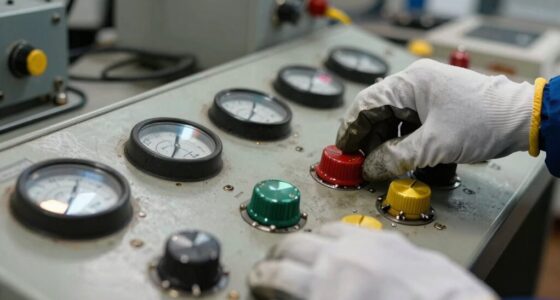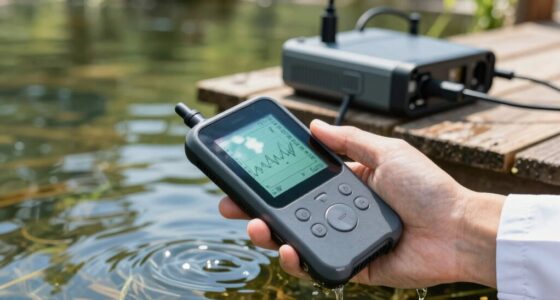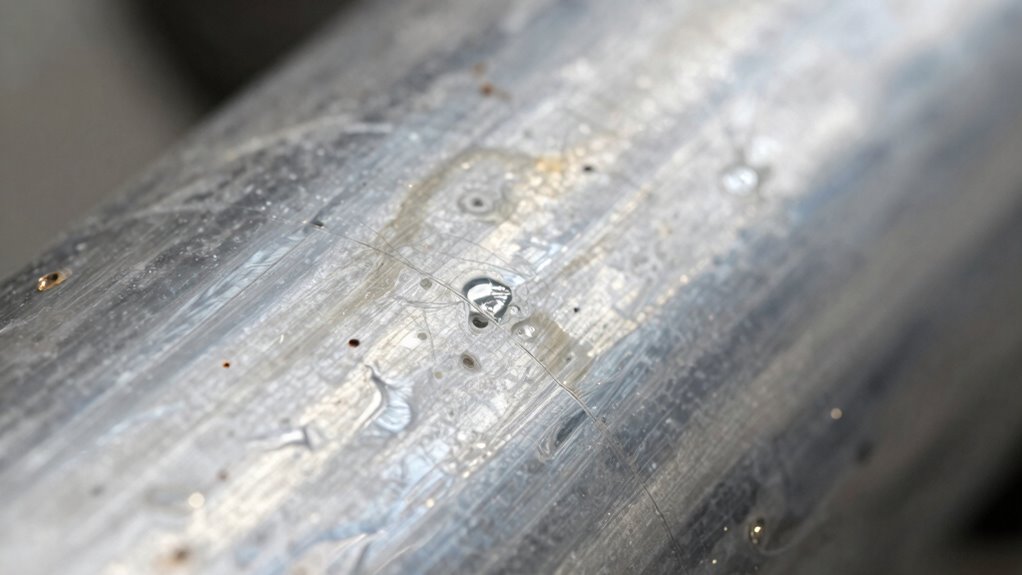

To catch metal problems early, regularly inspect your fixtures for dullness, discoloration, or chalky residues, which can be signs of internal corrosion. Use pH testing to monitor environmental conditions—levels below neutral often speed up corrosion. Maintaining balanced pH levels and controlling environmental factors help prevent surface stains. Employ protective coatings and consider corrosion inhibitors for added safety. Keep an eye out for subtle changes; exploring these methods further reveals how to safeguard your metal assets effectively.
Open a free Amazon Business account
Business pricing, bulk buying and tax-exempt orders.
As an affiliate, we earn on qualifying purchases.
Key Takeaways
- Conduct regular visual inspections to identify early signs like dullness or discoloration.
- Perform routine pH testing of surrounding environments to detect corrosive conditions.
- Monitor environmental factors such as humidity and exposure to pollutants that accelerate corrosion.
- Use corrosion inhibitors and protective coatings proactively based on inspection findings.
- Develop a maintenance plan with timely interventions to address pH imbalances and prevent surface staining.
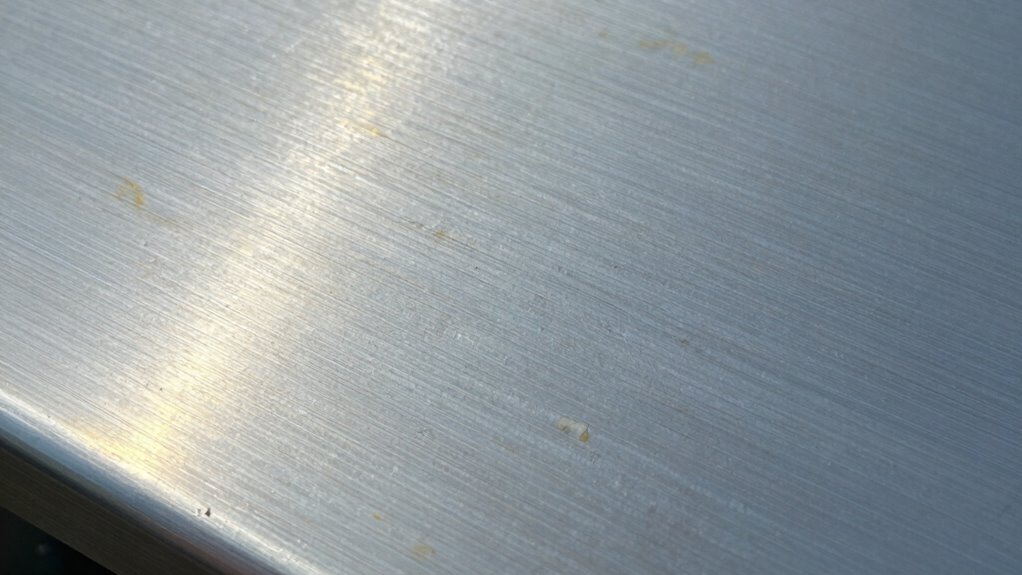
Metal problems can often be be hidden beneath the surface, quietly causing damage before visible stains appear. If you want to protect your investments and extend the lifespan of your metal fixtures, early detection is key. The first step is understanding how corrosion develops and how to spot it early. Corrosion detection involves more than just visual inspection; it requires a proactive approach to identify issues before they become obvious. One effective method is pH testing, which measures the acidity or alkalinity of the environment surrounding the metal. A low or high pH level can accelerate corrosion, especially in metals like steel or copper. Regularly conducting pH tests around your metal structures helps you catch these changes early, giving you a chance to address problems before they lead to staining or significant damage.
When you perform corrosion detection, look for subtle signs such as dullness, discoloration, or a chalky residue. These are often early indicators that corrosion is starting beneath the surface. However, visual cues alone might not be enough, especially if the corrosion occurs internally or in hard-to-see areas. That’s where pH testing becomes invaluable. By testing the environment’s pH, you can determine if conditions are conducive to corrosion. For example, if the pH drops below a neutral level, it can create an aggressive environment that speeds up metal degradation. Keeping the pH balanced through protective coatings or environmental control can prevent corrosion from taking hold. Additionally, understanding the corrosion process can help you implement more effective preventative measures. Recognizing the early warning signs is crucial for timely intervention and avoiding costly repairs. Regular maintenance and monitoring are essential components of metal protection, helping you catch issues early before they escalate.
Moreover, employing other corrosion prevention techniques, such as cathodic protection or corrosion inhibitors, can provide additional safeguards against damage. Regular inspections combined with pH testing can help you identify these issues early. If you notice a pH imbalance, take immediate steps like applying protective coatings, adjusting environmental conditions, or conducting more detailed inspections. Being aware of how environmental factors influence corrosion can also help you develop a comprehensive metal preservation strategy. These measures can halt corrosion before it manifests as surface stains, saving you time and money.
As an affiliate, we earn on qualifying purchases.
Frequently Asked Questions
What Are the Early Signs of Metal Corrosion?
You’ll notice early signs of metal corrosion through subtle corrosion indicators like discoloration, rust spots, or a dull surface. Metal pitting, which appears as small, deep holes, is another warning sign. Keep an eye out for flaky or powdery residues, as they signal ongoing deterioration. Catching these early signs allows you to address problems before they worsen, preventing more extensive damage and costly repairs later on.
How Often Should I Inspect My Metal Surfaces?
You should inspect your metal surfaces regularly, ideally following a consistent maintenance schedule—monthly or quarterly depending on exposure. Use thorough inspection techniques like visual checks for discoloration, corrosion, or pitting, and consider using a flashlight or magnifying glass for better detail. Staying vigilant keeps problems at bay; don’t wait until it’s too late. Regular inspections help catch issues early, saving you time and money down the line.
Can Environmental Factors Accelerate Metal Staining?
Yes, environmental factors can accelerate metal staining. Exposure to salt, humidity, pollution, and acids in the environment can cause corrosion and quicker surface staining. To prevent this, you should consider environmental impact when choosing materials and apply corrosion prevention techniques like protective coatings or sealants. Regular inspections help identify early signs of deterioration, allowing you to take timely action and maintain your metals’ appearance and integrity longer.
Are There Protective Coatings That Prevent Metal Stains?
Yes, protective coatings can effectively prevent metal stains. They create a barrier that shields metal surfaces from environmental factors like moisture and pollutants, which often cause staining. For metal stain prevention, consider applying sealants or specialized clear coatings designed for metal surfaces. Regular maintenance and reapplication guarantee ongoing protection, helping you keep your surfaces looking pristine and free of unsightly stains over time.
What Tools Are Best for Detecting Hidden Metal Issues?
Imagine you’re a detective, uncovering hidden clues. The best tools for detecting hidden metal issues include non-destructive testing methods like ultrasonic or magnetic particle testing, which reveal flaws without damage. Chemical analysis also helps identify corrosion causes early. These tools act like a detective’s magnifying glass, allowing you to find problems before they surface, saving costly repairs and preserving your metal’s integrity.
As an affiliate, we earn on qualifying purchases.
Conclusion
By catching metal issues early, you can prevent those stubborn stains from tarnishing your home’s beauty. Regular inspections and prompt treatments are your best allies—think of it as your modern-day armor against damage. Remember, even in a world of fleeting trends, a proactive approach is timeless. Don’t wait for your home’s surface to look like it’s seen better days; act now, and keep your space looking pristine, just like the great restorations of yore.
As an affiliate, we earn on qualifying purchases.
As an affiliate, we earn on qualifying purchases.
NFL season / tailgating Picks
team gear
As an affiliate, we earn on qualifying purchases.