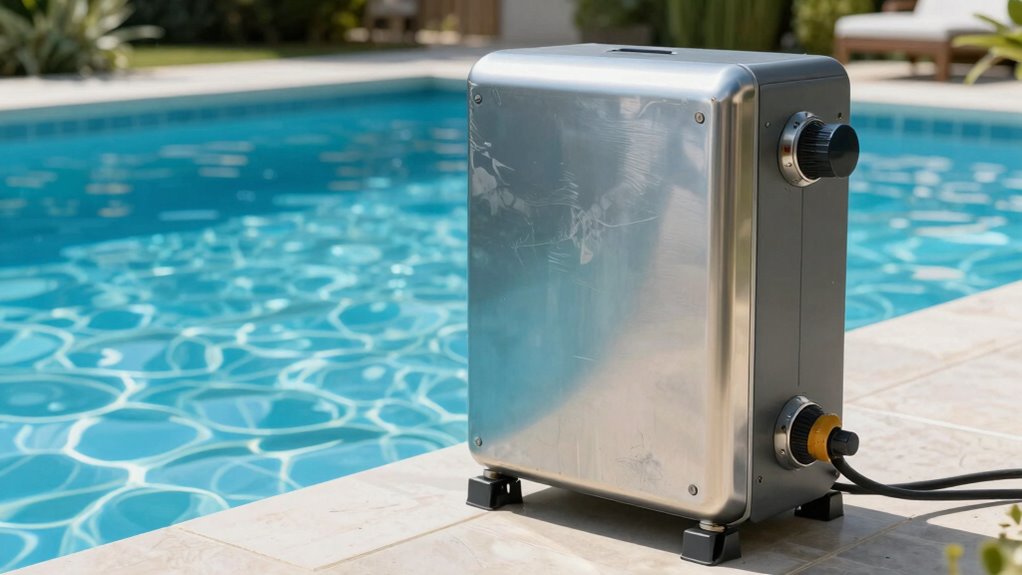
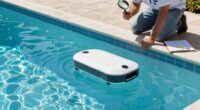
Using an oversized or undersized pool heater wastes energy and drives up costs in ways you may not notice. An oversized heater cycles frequently, leading to more wear and less efficiency, while an undersized one runs longer, using more power and increasing wear too. Both situations lower your system’s lifespan and raise your bills. If you want to discover how to avoid these hidden penalties and keep your system running smoothly, there’s more to learn.
Key Takeaways
- Oversized heaters cycle frequently, increasing energy consumption and reducing solar efficiency.
- Undersized heaters run longer, raising operational costs and failing to maintain consistent pool temperatures.
- Both sizing issues accelerate equipment wear, leading to higher maintenance costs over time.
- Improperly sized heaters waste energy due to inefficient heating cycles and energy transfer.
- Proper sizing and maintenance optimize energy use, prolong equipment lifespan, and minimize hidden energy penalties.
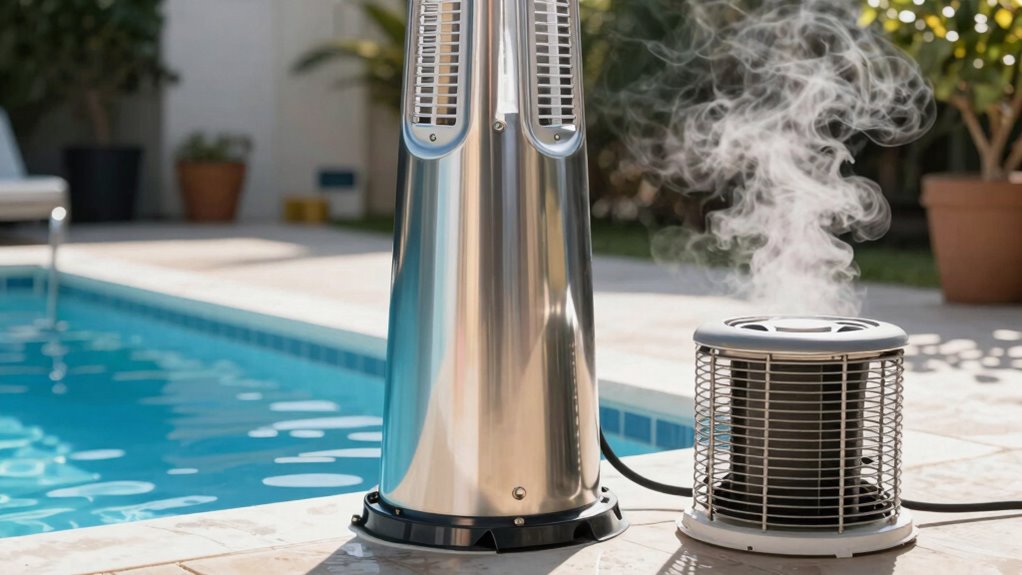
Heating your pool can considerably increase your energy bills, and understanding the energy penalty involved is vital for managing costs. When your pool heater isn’t properly sized, it can lead to a significant waste of energy, driving up expenses without delivering the desired comfort. Oversized heaters tend to cycle on and off more frequently, which reduces their solar efficiency, meaning they don’t convert energy into heat as effectively as they should. This frequent cycling also causes unnecessary wear and tear, increasing maintenance costs over time. Conversely, undersized heaters struggle to keep your pool at the desired temperature, forcing you to run them longer and more often, which again hikes up your energy consumption and costs.
Properly sized pool heaters save energy, reduce wear, and keep your pool comfortably heated efficiently.
It’s tempting to choose a larger heater to guarantee quick heating or a smaller one to save upfront costs, but this approach often backfires. An oversized heater quickly heats the pool initially but then cycles off before maintaining consistent warmth, wasting energy during those short bursts. A smaller heater, on the other hand, may never fully heat the water, prompting you to run it longer, which adds to your energy bill. Both scenarios highlight the significance of selecting a heater that’s appropriately sized, considering both your pool size and your typical usage patterns.
Understanding the impact on solar efficiency is essential. If your heater is too large, it can generate more heat than needed in a short period, but without proper controls, you lose that excess energy, and it goes to waste. If it’s too small, it won’t produce enough heat in the first place, forcing prolonged operation and diminishing solar efficiency because you’re using more energy to compensate. Proper sizing ensures you use energy more effectively, reducing waste and lowering your overall energy expenses. Using appropriate sizing techniques can help optimize your system’s performance and prevent unnecessary energy loss. Additionally, considering energy-efficient technologies can further improve your pool heating system’s overall performance and reduce costs. Regular system maintenance also plays a crucial role in keeping your heater running efficiently and preventing costly repairs down the line. Moreover, understanding water chemistry can help avoid issues that impair heater efficiency and longevity. Implementing smart controls can further enhance energy savings by precisely adjusting heater operation based on real-time conditions.
Maintenance costs also tie into this. An oversized heater cycles frequently, which accelerates wear and increases repair or replacement needs. Conversely, an undersized heater runs continuously, which can lead to quicker parts fatigue and higher maintenance costs. Over time, these added expenses can outweigh any initial savings from choosing a smaller or larger unit. To avoid these issues, it’s best to consult with a professional who can accurately size your pool heater, balancing energy efficiency, maintenance costs, and your comfort needs. This approach ensures your investment pays off with reliable performance, lower energy bills, and minimal ongoing repairs.

AQUASTRONG Swimming Pool Heat Pump,Pool Heater for Above Ground and Inground Pool, Heating and Cooling Pool Heater, for 9000 Gallons
- Dual-Mode Heating and Cooling: Maintains water from 47–104℉ for year-round use
- Fast Heating with App Control: Delivers 35,000 BTU quickly, remote control via app
- Energy Efficient Inverter Technology: Provides 15.8 COP with 70% energy savings
As an affiliate, we earn on qualifying purchases.
As an affiliate, we earn on qualifying purchases.
Frequently Asked Questions
How Does Heater Size Affect Pool Water Temperature Consistency?
Heater size directly impacts your pool’s water temperature consistency. If the heater is too small, you’ll experience temperature fluctuations, especially during heavy use or cooler weather, which reduces comfort. Conversely, an oversized heater can cycle on and off frequently, wasting energy and decreasing efficiency. Choosing the right size guarantees stable water temperatures, minimizes energy waste, and maintains comfort, making your pool experience more enjoyable and cost-effective.
Can Improper Heater Sizing Lead to Increased Maintenance Costs?
Yes, improper heater sizing can increase your maintenance costs. When your heater is too large, it cycles on and off frequently, causing wear and tear that reduces equipment longevity. Conversely, a small heater strains to heat your pool efficiently, leading to overuse and potential breakdowns. Both scenarios lower cost efficiency and demand more frequent repairs, making correct sizing essential to saving money and extending your heater’s lifespan.
What Is the Impact of Heater Size on Pool Chemical Usage?
Think of your pool’s chemical balance like a delicate dance—if the heater’s size is off, it throws everything into disarray. An oversized heater can cause rapid temperature swings, leading to chemical imbalance, while an undersized one struggles to maintain temperature, prompting frequent chemical adjustments. Proper heater efficiency guarantees stable temperatures, reducing chemical usage and preventing issues like algae growth, ultimately saving you money and effort.
How Does Heater Size Influence Heating Time for the Pool?
Heater size directly impacts your pool’s heating time because a properly sized heater improves heater efficiency, allowing it to warm the water faster. An undersized heater takes longer, increasing energy consumption and reducing efficiency, while an oversized heater heats quickly but can waste energy and cause temperature fluctuations. Choosing the right size optimizes heating time, saves energy, and maintains consistent water temperature, making your pool more efficient and enjoyable.
Are There Specific Climate Considerations for Choosing Heater Size?
Sure, because climate zones and regional temperatures are just minor details, right? You should really match your pool heater to your climate. In colder regions, bigger heaters prevent long waits, while in warm climates, smaller units save energy. Ignoring these regional temperature differences can lead to wasted energy and money. So, tailor your heater size to your climate zone to optimize efficiency and enjoy your pool year-round without surprises.
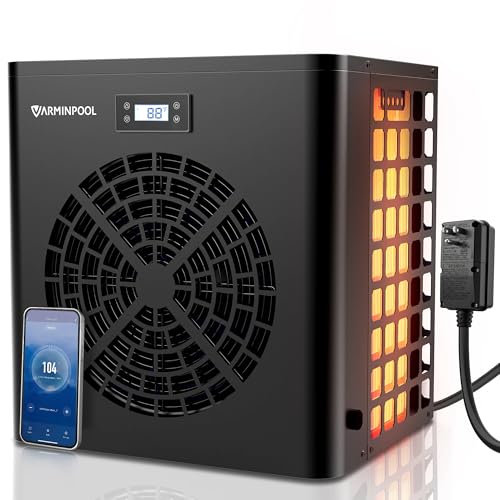
VARMINPOOL Pool Heat Pump 16000 BTU, Electric Pool Heater for Above Ground Pools up to 5500 Gallons, Energy Efficient Heat Pump Pool Heater with WiFi Control,110V- V5
- Suitable for Above Ground Pools: Heats pools up to 5500 gallons
- Energy-Efficient Heating: Smart temperature control reduces energy use
- Easy Installation: Plug-and-play with standard 110V outlet
As an affiliate, we earn on qualifying purchases.
As an affiliate, we earn on qualifying purchases.
Conclusion
Just like a mismatched key won’t open the lock, an oversized or undersized pool heater wastes energy and time. Your pool’s perfect heater is the steady hand guiding you through calm and stormy waters alike. When you choose wisely, you’re not just heating water—you’re nurturing a peaceful oasis, a sanctuary that responds harmoniously to your needs. Remember, the right fit keeps your pool vibrant, your energy bills low, and your summer memories shining bright.

POOLTOHOT Pool Heater for Inground Pools and Above Ground Pool, 40000 BTU Electric Pool Heater Build-in Advanced Compressor from Japan for Heating and Cooling, Pool Heat Pump with Smart WiFi Control
- Premium Hardware: Japanese compressor and titanium heat exchanger
- All-Season Comfort: Heats and cools water year-round
- Fast Heating: Rapid, high BTU output with Japanese motor
As an affiliate, we earn on qualifying purchases.
As an affiliate, we earn on qualifying purchases.
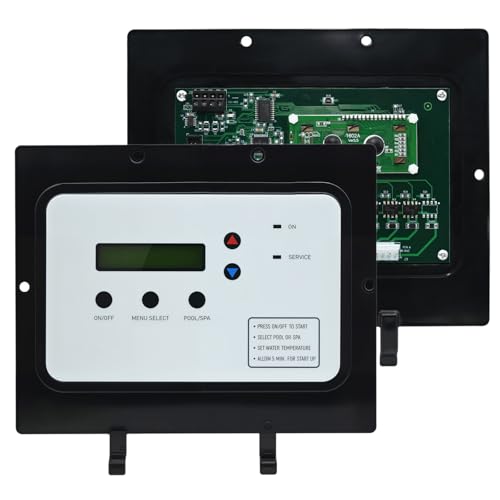
472734 Auto Heat Control Board Assembly for Pentair Pool and Spa Heat Pump
- Compatibility: Compatible with Pentair UltraTemp and Thermalflo systems
- Replace Part Number: Fits 473425, 473693, 473711, 472734
- Function: Heats pool and spa efficiently
As an affiliate, we earn on qualifying purchases.
As an affiliate, we earn on qualifying purchases.