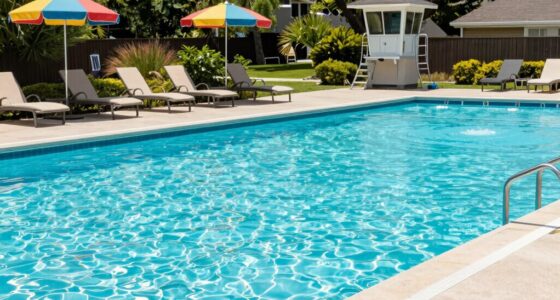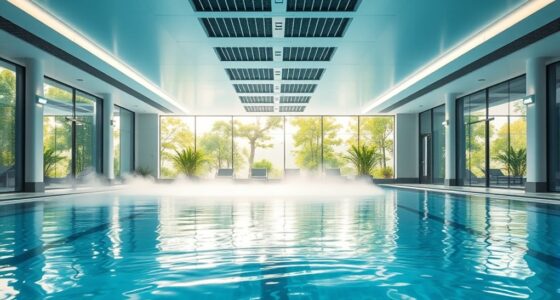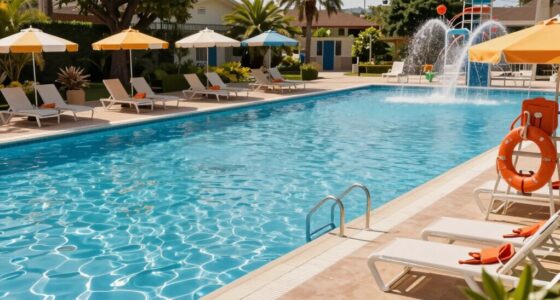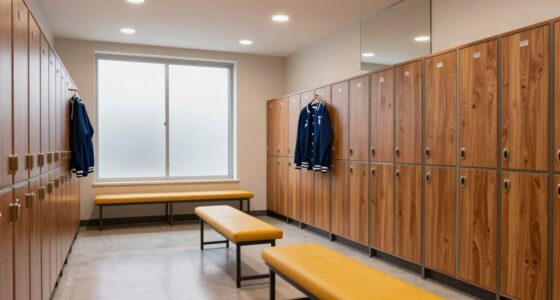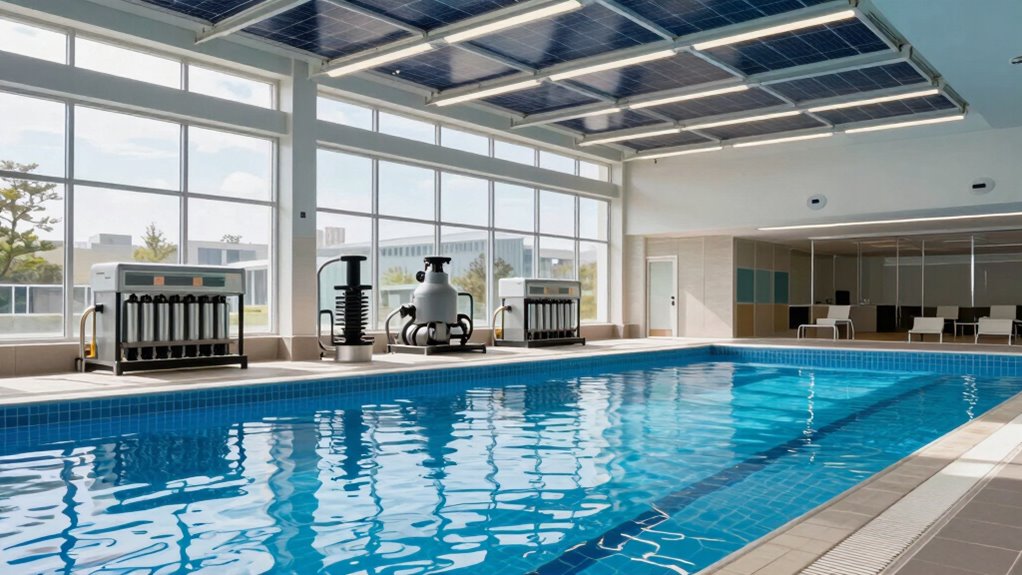

You can cut operating costs while maintaining safety by upgrading to energy-efficient lighting like LEDs, installing motion sensors, and scheduling maintenance during off-peak hours. Train staff regularly on equipment use, safety protocols, and water management to prevent issues early. Adopt smart monitoring systems to detect inefficiencies, and foster a culture of conservation among staff and patrons. Keep safety a priority while making these cost-effective adjustments — discover more ways to improve efficiency and safety.
Open a free Amazon Business account
Business pricing, bulk buying and tax-exempt orders.
As an affiliate, we earn on qualifying purchases.
Key Takeaways
- Implement preventive maintenance schedules to minimize equipment failures and costly repairs, ensuring safety remains uncompromised.
- Upgrade to energy-efficient lighting and systems to lower utility costs while maintaining a safe, well-lit environment.
- Train staff regularly on safety protocols and equipment operation to reduce accidents without sacrificing safety standards.
- Adjust operational hours and scheduling to optimize resource use during low-traffic periods, reducing costs without affecting safety.
- Promote a culture of conservation and safety awareness among staff and patrons to enhance efficiency without compromising safety.
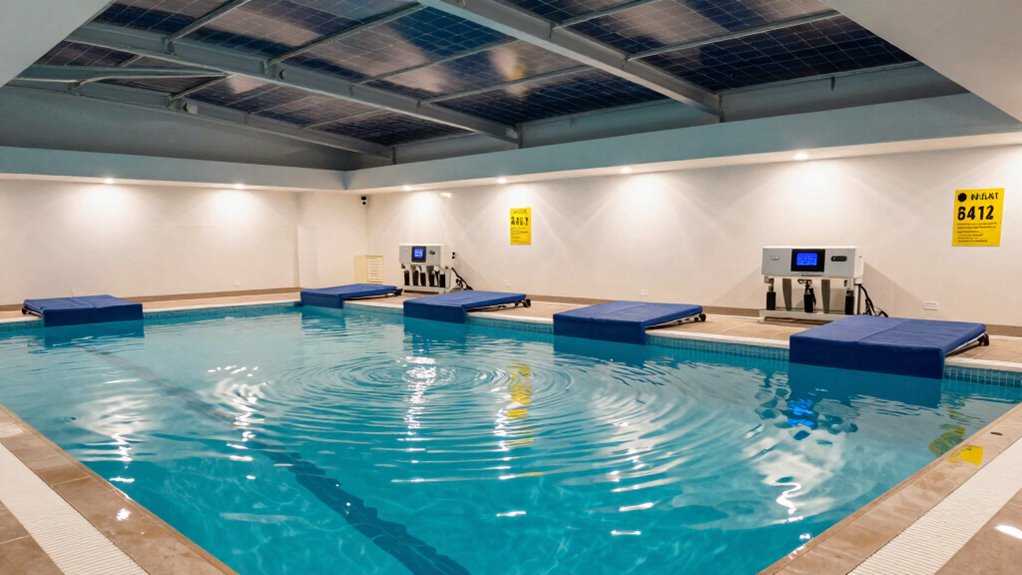
Are you looking for ways to cut costs without sacrificing the quality of your aquatic center? One of the most effective strategies is to focus on energy efficiency and staff training. Upgrading to energy-efficient lighting can considerably lower your electricity bills while maintaining a bright, inviting environment for visitors. LED lights consume less power, have a longer lifespan, and require less maintenance, which translates into cost savings over time. Additionally, installing motion sensors or timers ensures lights are only on when needed, further reducing unnecessary energy use. These small changes make a big difference without compromising safety or visibility, guaranteeing your staff and guests always feel secure. Incorporating energy-efficient lighting practices can also enhance your center’s overall sustainability efforts, appealing to environmentally conscious patrons.
Another key area to address is staff training. Well-trained staff can operate equipment more efficiently, identify potential issues early, and prevent costly accidents or repairs. Investing in ongoing training sessions empowers your team to follow best practices, from proper chemical management to routine maintenance procedures. When your staff understands how to optimize equipment and monitor water quality effectively, you minimize waste and reduce the likelihood of expensive repairs or shutdowns. Furthermore, knowledgeable staff can better enforce safety protocols, ensuring that safety standards are upheld without the need for excessive oversight. This not only protects your patrons but also helps avoid costly liabilities that could arise from safety violations. Proper staff training also encourages preventive maintenance, which can significantly extend equipment lifespan and reduce emergency repairs. Regular staff education on operational efficiency can further amplify these savings, making your team more adept at managing resources wisely. Incorporating energy-efficient practices into daily operations can lead to further reductions in utility costs and promote a culture of sustainability. Additionally, fostering a culture of continuous improvement encourages staff to identify and implement new cost-saving strategies over time.
Proper staff training enhances efficiency, safety, and reduces costly repairs at your aquatic center.
Beyond lighting and staff training, consider implementing preventive maintenance schedules. Regular inspections of pumps, filters, and chemical dosing systems can catch problems before they escalate into costly emergencies. Keeping equipment in top shape extends its lifespan and reduces downtime. You should also evaluate your water heating systems—upgrading to energy-efficient models or insulating pipes can cut heating costs drastically. Additionally, adopting water-saving measures, such as optimizing filter backwashing processes and encouraging patrons to use showers responsibly, can lower water bills without impacting the user experience. Implementing smart monitoring systems can provide real-time data to help optimize resource use and quickly detect inefficiencies or issues, further enhancing operational efficiency.
Finally, think about your operational policies. Simple adjustments like adjusting pool hours during off-peak times or scheduling maintenance during low-traffic periods can lead to substantial savings. Combining these measures with a conscious effort to educate your staff on energy and water conservation creates a culture of efficiency. When everyone understands the importance of these practices, your aquatic center can operate more sustainably and cost-effectively, all while maintaining the highest safety standards for your guests. The key is to implement these changes thoughtfully, ensuring that savings do not come at the expense of safety or quality.
LED lighting for aquatic centers
As an affiliate, we earn on qualifying purchases.
As an affiliate, we earn on qualifying purchases.
Frequently Asked Questions
What Are the Best Energy-Efficient Lighting Options for Aquatic Centers?
You should consider installing LED lighting and solar fixtures for energy efficiency. LED lights use markedly less energy and last longer, reducing replacement costs. Solar fixtures harness renewable energy, lowering electricity bills and decreasing environmental impact. Combining these options allows you to maintain safe, well-lit aquatic environments while cutting operational costs. Plus, their durability ensures minimal maintenance, helping you stay within budget without compromising safety standards.
How Can Water Conservation Be Maximized Without Compromising Safety?
You can maximize water conservation by implementing water recycling systems, which reuse water for non-swimming areas like landscaping or cleaning, reducing overall consumption. Regular leak detection is essential to identify and repair leaks promptly, preventing water waste. Maintain strict monitoring protocols to guarantee safety isn’t compromised. These strategies help conserve water effectively while keeping the aquatic center safe and operational, ultimately lowering costs and supporting sustainability efforts.
Are There Cost-Effective Maintenance Practices for Aquatic Facility Equipment?
You can implement cost-effective maintenance practices by focusing on preventive maintenance to boost equipment durability. Regular inspections and timely repairs prevent costly breakdowns, extending the lifespan of pumps, filters, and heaters. Train staff to identify early signs of wear and perform routine cleaning. Keeping equipment well-maintained reduces energy consumption and minimizes downtime, ultimately saving money while ensuring safety and peak operation at your aquatic facility.
What Funding Opportunities Exist for Upgrades to Reduce Operational Costs?
Did you know that many aquatic centers overlook nearly $2 billion in available grants annually? You can tap into grant opportunities and funding strategies to finance upgrades that cut operational costs. Explore government grants, state funds, and private foundations dedicated to sustainability. Applying for these funds not only improves your facility’s efficiency but also supports long-term savings. Act now—securing these funds could transform your aquatic center into a more cost-effective, safe, and sustainable space.
How Can Staff Training Improve Safety and Reduce Operational Expenses?
You can improve safety and reduce operational expenses through staff training focused on safety protocols. When your staff is well-trained, they act quickly and effectively, preventing accidents and costly emergencies. Regular training updates guarantee everyone stays current on safety standards, reducing liability and insurance costs. Plus, knowledgeable staff can operate equipment more efficiently, cutting energy and maintenance expenses. Investing in staff training ultimately creates a safer environment while lowering your aquatic center’s ongoing costs.
As an affiliate, we earn on qualifying purchases.
Conclusion
By embracing these cost-effective strategies, you can maintain a safe and welcoming aquatic center without stretching your resources thin. Thoughtful adjustments and smart planning act as gentle waves, guiding you toward sustainable operations. Remember, sometimes easing the currents of expenses allows the true essence of your facility—safety and enjoyment—to shine even brighter. With a mindful approach, you’ll find that balancing budget and safety isn’t just possible, but also a natural flow forward.
water quality monitoring systems
As an affiliate, we earn on qualifying purchases.
As an affiliate, we earn on qualifying purchases.
preventive maintenance equipment
As an affiliate, we earn on qualifying purchases.
As an affiliate, we earn on qualifying purchases.
NFL season / tailgating Picks
team gear
As an affiliate, we earn on qualifying purchases.