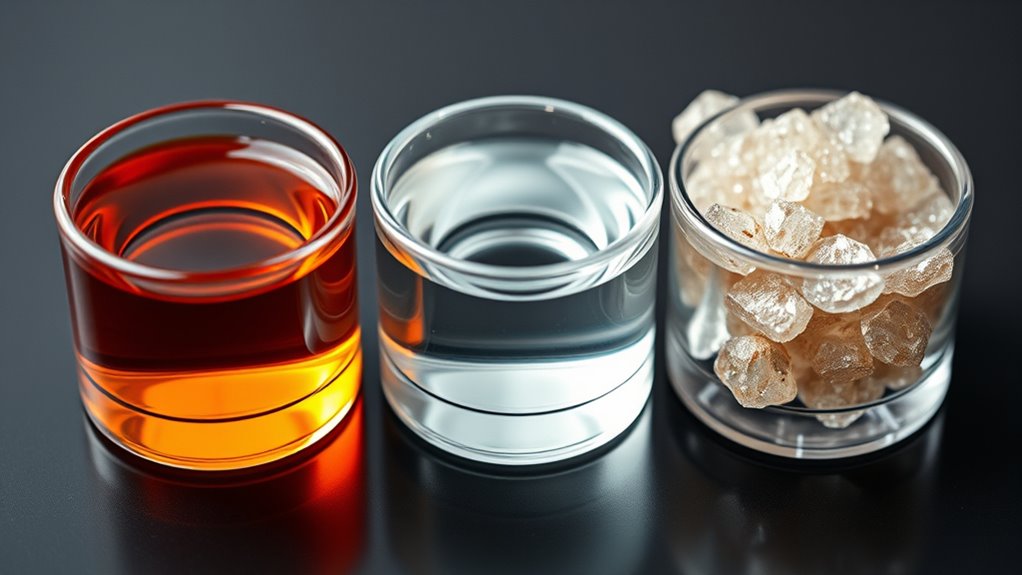

If you’re looking to avoid traditional chlorine, consider using alternative sanitizers like bromine, biguanide, or mineral systems. Bromine is gentler on skin and less odorous, making it popular in hot tubs and spas. Biguanide offers a low-odor, eco-friendly option that prevents irritating chloramines. Mineral systems use copper and silver ions for continuous sanitization, reducing chemical use. Exploring these options can help you find a safer, more sustainable way to keep your pool clean and clear.
Key Takeaways
- Bromine is a gentle, effective sanitizer ideal for hot tubs, with less odor and easier pH management than chlorine.
- Biguanide offers low-odor, chlorine-free sanitation, reducing eye irritation and compatible with saltwater pools.
- Mineral systems use copper and silver ions for continuous, eco-friendly water sanitation, minimizing chemical use.
- Proper handling, storage, and adherence to manufacturer guidelines are essential for safe use of all alternative sanitizers.
- Combining mineral systems with other sanitizers may enhance water quality and reduce chemical dependency.
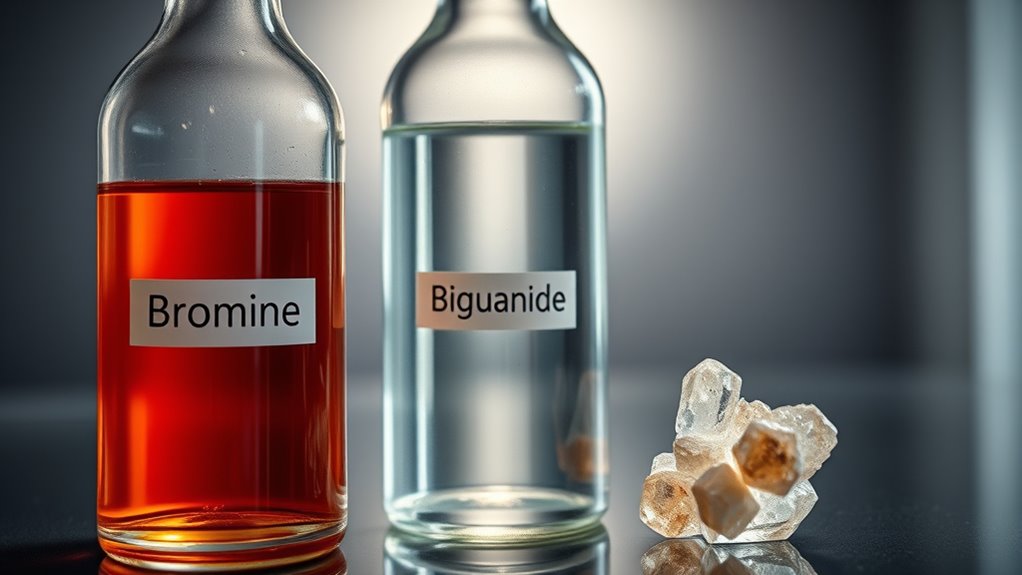
Are you searching for effective ways to keep your pool or hot tub sanitized? If so, it’s important to explore alternative sanitizers beyond traditional chlorine. Bromine, biguanide, and mineral systems offer viable options that can enhance your pool’s cleanliness while addressing concerns about pool chemical safety and eco-friendly disinfection. These alternatives often appeal to pool owners seeking less harsh chemical use or more sustainable solutions.
Bromine is a popular alternative to chlorine, especially in hot tubs and spas. It works similarly by killing bacteria and algae, but it’s often gentler on the skin and eyes. Bromine is less affected by pH fluctuations, making it easier to maintain consistent sanitation levels. Plus, it produces fewer strong odors compared to chlorine, making your swimming experience more pleasant. When using bromine, it’s *vital* to handle it safely, store it properly, and follow manufacturer guidelines to *guarantee* pool chemical safety. While bromine is effective, it’s still a chemical, so moderation and proper usage are key to eco-friendly disinfection.
Biguanide is another option gaining popularity among pool owners seeking alternatives to chlorine and bromine. It’s a low-odor sanitizer that doesn’t produce chloramines, which are often responsible for the strong smell and eye irritation associated with traditional chlorinated pools. Biguanide systems typically require less maintenance and are compatible with saltwater pools, offering a more eco-friendly disinfection method. Since biguanide doesn’t produce harmful byproducts, it’s considered a safer choice for your health and the environment. However, it’s *imperative* to use only compatible algaecides and shock treatments to prevent cloudiness or bacterial buildup. Proper adherence to manufacturer instructions *assures* pool chemical safety and *superior* sanitation.
Mineral systems harness natural elements like copper and silver to sanitize water. These minerals continuously release ions that kill bacteria and algae, reducing the need for traditional chemicals. Mineral sanitizers are easy to maintain, eco-friendly, and gentle on swimmers’ skin and eyes. They also help minimize chemical runoff into the environment, aligning with eco-friendly disinfection principles. While mineral systems are effective in controlling common contaminants, they often require supplemental sanitation methods during heavy usage or algae outbreaks. Recent research also highlights the potential for AI systems to optimize mineral and chemical levels in pools for enhanced safety. Nonetheless, they’re a sustainable choice that can reduce reliance on harsh chemicals, promoting safer pool environments.

Clorox® Pool&Spa™ Spa Water All-in-One Sanitizer & Shock, Destroys Contaminants, Clears Cloudy Water, 2LB (Pack of 1)
All-in-One Spa Solution: Clorox Pool&Spa Spa Water All-in-One Sanitizer & Shock is a stabilized chlorinator that combines powerful…
As an affiliate, we earn on qualifying purchases.
As an affiliate, we earn on qualifying purchases.
Frequently Asked Questions
How Do These Alternative Sanitizers Compare in Cost to Chlorine?
You’ll find that bromine, biguanide, and mineral sanitizers often cost more than chlorine upfront, so the cost comparison leans towards higher expenses. While they may be less harsh and require less frequent dosing, their economic feasibility depends on your pool’s size and usage. Generally, these alternatives can be pricier long-term, but some owners prefer them for their gentler effects and reduced chemical handling.
Are There Any Health Risks Associated With Bromine, Biguanide, or Mineral Sanitizers?
Health concerns from bromine, biguanide, and mineral sanitizers are generally low, but you should be aware of potential chemical exposure. Bromine can cause skin and eye irritation, especially with frequent contact. Biguanide may lead to respiratory issues if inhaled in powder form. Mineral sanitizers are usually safer but still pose some risk if ingested or improperly handled. Always follow usage instructions to minimize health risks associated with these sanitizers.
Can These Sanitizers Be Used Together With Traditional Chlorine Treatments?
Imagine mixing different paints on a palette; compatibility concerns and chemical interactions can cause unexpected reactions. You can generally use bromine, biguanide, or mineral sanitizers alongside chlorine, but caution is paramount. These combinations might lead to reduced effectiveness or unstable chemical balances. Always check manufacturer guidelines and consult pool professionals to ensure safe, effective sanitation without unintended reactions disrupting your pool’s harmony.
How Effective Are These Sanitizers in Controlling Algae Growth?
You’ll find that these sanitizers can be quite effective in controlling algae growth when used properly. They enhance algae inhibition by disrupting algae cell function, reducing their spread. Their sanitizer efficacy depends on correct application and maintaining proper water chemistry. Regular use helps prevent algae blooms, especially when combined with good filtration. Overall, integrating these sanitizers into your routine can appreciably improve algae control, ensuring clear, healthy water.
What Are the Environmental Impacts of Using These Alternative Sanitizers?
You should consider the environmental impacts of these sanitizers, as they can affect ecological footprints and cause chemical runoff. Bromine and biguanide may introduce chemicals into water systems, potentially harming aquatic life. Minerals are generally more eco-friendly, but improper use can still lead to environmental concerns. Always follow proper disposal guidelines and use them responsibly to minimize negative effects on ecosystems and reduce your ecological footprint.

Clorox® Pool&Spa™ Swimming Pool Algaecide and Clarifier, Prevents and Treats Pool Algae, Clears Water, 128 Fl Oz (Pack of 1)
Pool Algae Treatment: Our Pool Algaecide and Clarifier is specially formulated to treat existing algae while providing long-lasting…
As an affiliate, we earn on qualifying purchases.
As an affiliate, we earn on qualifying purchases.
Conclusion
Choosing the right sanitizer depends on your needs, but did you know that minerals like copper and silver can reduce bacteria by up to 90% naturally? Bromine and biguanide offer effective alternatives, often with fewer harsh chemicals. By exploring these options, you can find a safer, eco-friendly solution that suits your lifestyle. Embrace these innovative sanitizers, and you’ll not only protect your health but also contribute to a greener environment.

B0017PT9ZO
As an affiliate, we earn on qualifying purchases.
As an affiliate, we earn on qualifying purchases.
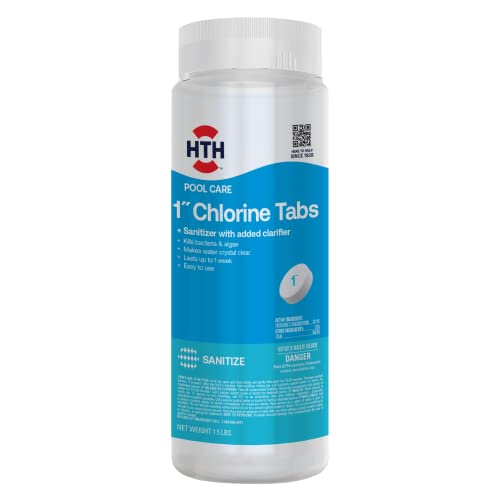
HTH 42049 Pool Care 1" Chlorine Tabs, Swimming Pool Sanitizer with Added Clarifier – Eliminates Bacteria & Algae, Makes Water Clean & Crystal Clear, Sanitizes & Protects – Slow Dissolving, 1.5 lbs
BENEFIT: Protect your swimming pool and enjoy clean, clear water with these easy-to-use chlorine-based tabs; Kills algae and…
As an affiliate, we earn on qualifying purchases.
As an affiliate, we earn on qualifying purchases.