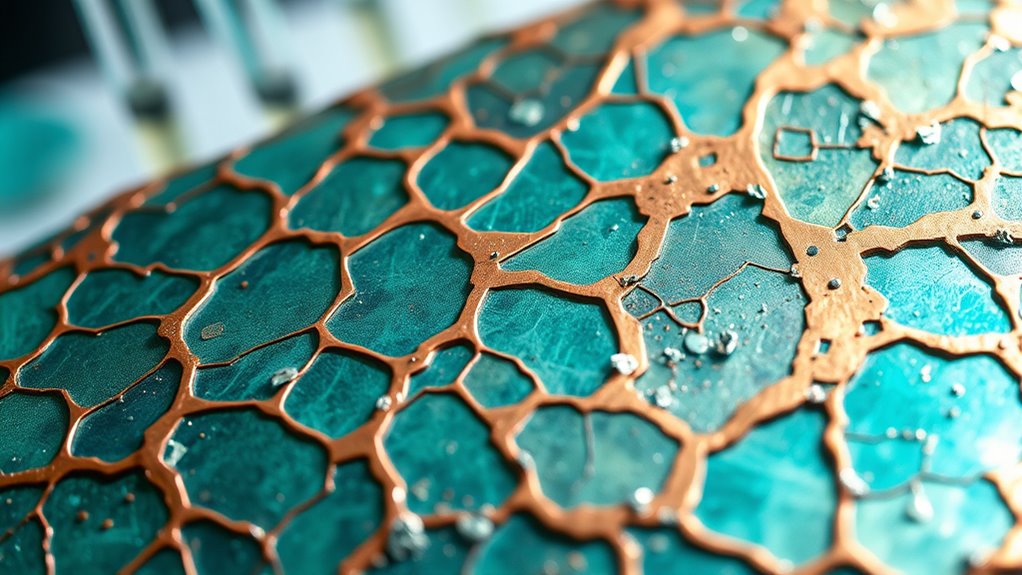

The Langelier Saturation Index (LSI) helps you balance water chemistry to prevent scale buildup and corrosion. By measuring pH, temperature, alkalinity, calcium hardness, and TDS, you can calculate the LSI to determine if your water is prone to scaling or corrosiveness. Keeping the LSI within the ideal range ensures smoother operation and longer equipment life. If you want to understand step-by-step calculations and adjustments, there’s more to explore here.

Get pool and patio gear delivered free — and shop member deals
- Fast, free delivery on millions of items
- Access to Prime Big Deal Days deals on October 6–7
- Prime Video, Amazon Music and more included
Key Takeaways
- The Langelier Saturation Index (LSI) indicates water’s potential to cause scale buildup or corrosion.
- A positive LSI suggests supersaturated, scale-forming water; negative indicates corrosive, undersaturated water.
- Maintaining LSI within -0.3 to +0.3 ensures water stability and equipment protection.
- Regular testing of pH, alkalinity, calcium hardness, and temperature helps manage LSI.
- Adjusting water chemistry based on LSI supports optimal system performance and longevity.
water test kit for pH alkalinity calcium hardness
As an affiliate, we earn on qualifying purchases.
As an affiliate, we earn on qualifying purchases.
Understanding the Fundamentals of Water Chemistry

Understanding water chemistry is essential for maintaining healthy and balanced water systems. You need to grasp how different elements and compounds interact within water to prevent problems like scaling or corrosion. pH levels indicate how acidic or alkaline the water is, affecting how minerals dissolve or precipitate. Alkalinity measures water’s ability to neutralize acids, helping buffer pH changes. Dissolved minerals, such as calcium and magnesium, influence hardness and can lead to scale buildup if concentrations are too high. Conversely, low mineral content may cause corrosive conditions that damage pipes and equipment. Monitoring these fundamentals allows you to predict water behavior and make informed adjustments. Additionally, understanding water chemistry fundamentals can help you identify early signs of imbalance before costly problems develop. By understanding these basic principles, you can better manage water quality, ensuring systems operate efficiently and extend their lifespan.
Langelier Saturation Index water testing kit
As an affiliate, we earn on qualifying purchases.
As an affiliate, we earn on qualifying purchases.
How the Langelier Saturation Index Is Calculated

Calculating the Langelier Saturation Index (LSI) involves analyzing key water chemistry parameters to determine whether water is likely to form scale or become corrosive. You start by measuring pH, temperature, total dissolved solids (TDS), calcium hardness, and alkalinity. These values are plugged into a specific formula: LSI = pH – pHs, where pHs is the saturation pH calculated based on the other parameters. To find pHs, you use empirical equations or standard tables that relate calcium, alkalinity, TDS, and temperature. Once you have pHs, subtract it from the measured pH. A positive LSI indicates potential scale formation, while a negative LSI suggests corrosive conditions. This calculation provides a snapshot of water’s tendency to deposit minerals or cause pipe degradation, which is essential for assessing water treatment strategies.
water chemistry meter for scale and corrosion
As an affiliate, we earn on qualifying purchases.
As an affiliate, we earn on qualifying purchases.
Interpreting LSI Values for Optimal Water Balance

Interpreting LSI values is essential for maintaining the right water balance in your system. When the LSI is around zero, your water is balanced, minimizing the risk of scaling and corrosion. If the LSI is positive, your water is supersaturated with minerals, increasing the chance of scale formation on surfaces. Conversely, a negative LSI indicates undersaturation, which can lead to corrosive conditions that damage pipes and equipment. Aim for an LSI between -0.3 and +0.3 to keep water stable and protective. Regular testing helps you track these values and adjust chemical treatments accordingly. By understanding what your LSI indicates, you can take proactive steps to optimize water quality, extend equipment lifespan, and prevent costly repairs caused by scale buildup or corrosion. Additionally, monitoring security systems can help safeguard your equipment and water treatment facilities from theft or vandalism, ensuring consistent operation.
pool water chemistry test strips
As an affiliate, we earn on qualifying purchases.
As an affiliate, we earn on qualifying purchases.
Practical Applications of the LSI in Pool and Boiler Maintenance
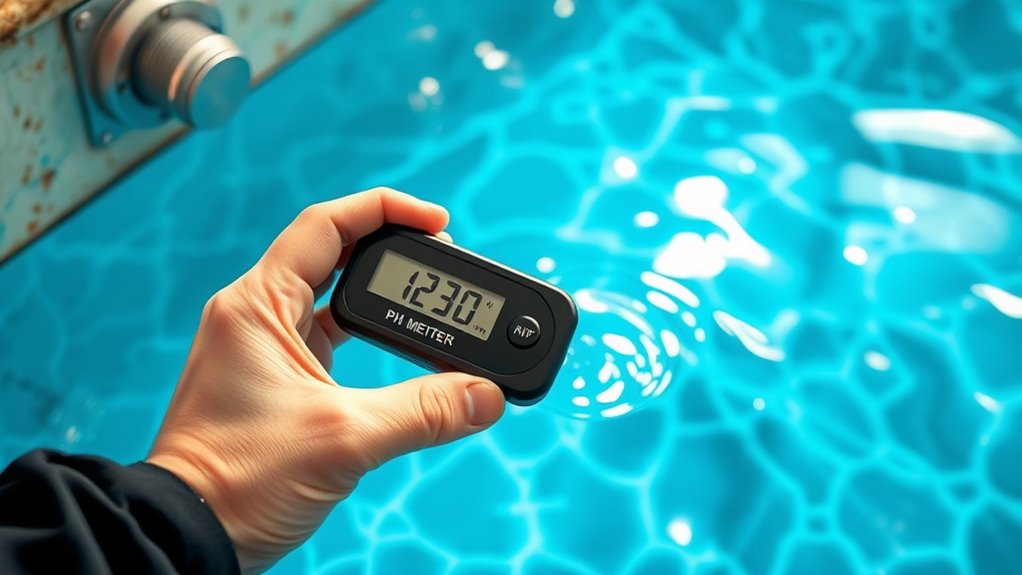
Maintaining the right water balance in pools and boilers relies heavily on applying the Langelier Saturation Index (LSI) effectively. By regularly calculating the LSI, you can determine whether your water is prone to scaling or corrosion. In pools, this helps you adjust pH, alkalinity, and calcium hardness to prevent scale buildup, which can damage equipment and reduce clarity. For boilers, maintaining an ideal LSI prevents corrosion of metal components and reduces the risk of mineral deposits that hinder heat transfer. Using the LSI guides your chemical treatment decisions, ensuring your water chemistry stays within safe and efficient ranges. Proper application of the LSI is essential for balanced, trouble-free water management. Regular monitoring and understanding of water chemistry are key to maintaining system longevity and performance.
Tips for Maintaining Proper Water Chemistry Using the LSI
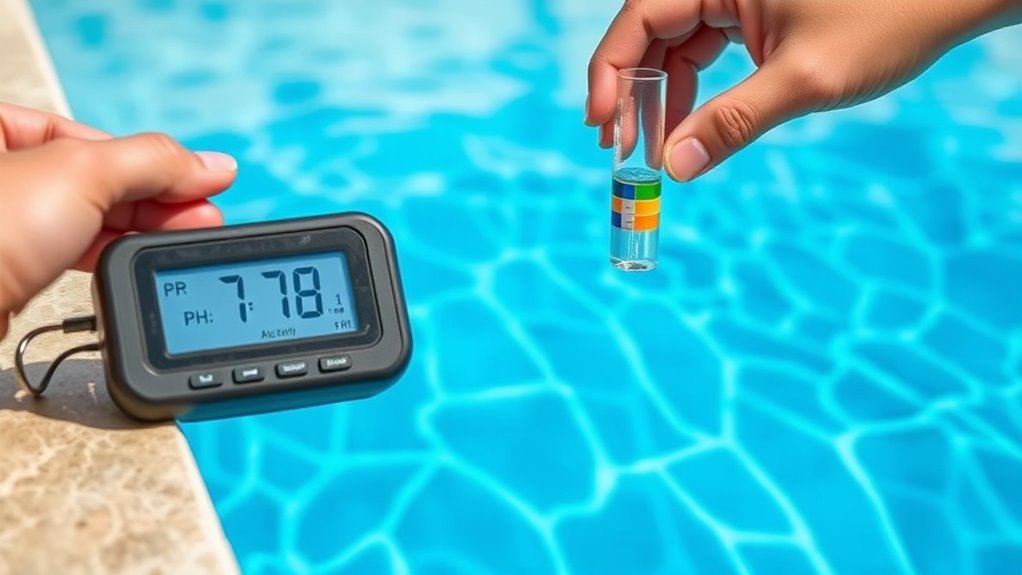
To keep your water chemistry balanced using the Langelier Saturation Index, maintaining regular testing and adjustment of your water parameters is essential. Test your water frequently for pH, alkalinity, calcium hardness, and temperature. Use these readings to calculate the LSI and identify whether your water is undersaturated (corrosive) or oversaturated (scale-forming). Adjust pH levels with pH increasers or decreasers, and modify alkalinity to stabilize pH. Add calcium chloride if calcium hardness is low, or dilute with fresh water if it’s too high. Keep your water temperature consistent, as it affects the LSI. Understanding water chemistry principles helps you better interpret test results and make informed adjustments. Regular monitoring and timely adjustments help prevent scale build-up and corrosion, ensuring your water remains balanced and your equipment stays protected.
Frequently Asked Questions
Can the LSI Predict Long-Term Corrosion Risks Accurately?
Yes, the Langelier Saturation Index can help predict long-term corrosion risks, but it isn’t foolproof. You need to take into account other factors like water chemistry, temperature, and flow conditions. While a high or low LSI indicates potential for scale or corrosion, it doesn’t account for all variables influencing corrosion over time. Regular monitoring and thorough analysis will give you a clearer picture of long-term risks.
How Does Temperature Fluctuation Affect LSI Readings?
Oh, the joys of temperature swings! They can really throw off your LSI readings, can’t they? When water heats up, it becomes more aggressive, often lowering the LSI and suggesting less scale formation. Conversely, cooling can cause the LSI to rise, hinting at potential scaling. So, if you don’t account for temperature fluctuations, your readings might be as unreliable as a weather forecast. Keep temperature steady for accurate results.
Is the LSI Suitable for All Types of Water Systems?
No, the Langelier Saturation Index isn’t suitable for all water systems. It works best for cooling towers, municipal water supplies, and swimming pools, where pH, temperature, and calcium levels are well-understood. However, for industrial or complex water systems with diverse chemical compositions, you might need additional tests and indices. Always consider your system’s specific conditions to determine if LSI provides an accurate assessment.
What Are Common Mistakes When Calculating LSI?
Did you know that over 50% of water treatment errors come from calculation mistakes? When calculating the LSI, you might accidentally use incorrect temperature or pH values, forget to convert units properly, or neglect to account for alkalinity. These errors can lead to inaccurate results, causing you to misjudge whether water is scaling or corrosive. Double-check your data and make certain all measurements are accurate to avoid costly mistakes.
How Often Should the LSI Be Tested for Optimal Maintenance?
You should test the LSI regularly, ideally weekly or biweekly, to guarantee optimal maintenance. Frequent testing helps you catch changes in water chemistry early, preventing scale buildup or corrosion issues. If your system experiences variable conditions or high usage, consider testing more often. Consistent monitoring allows you to adjust treatment chemicals promptly, maintaining a balanced water environment and extending equipment lifespan.
Conclusion
Mastering the Langelier Saturation Index can turn you into a water chemistry wizard, preventing catastrophic scale buildup or disastrous corrosion. When you harness its power, you’ll keep your pools sparkling like a diamond and boilers humming like a symphony. Ignore it, and you risk turning your water into a destructive force of nature! Embrace the LSI today, and become the hero who keeps water perfectly balanced—saving equipment, money, and your peace of mind!
Fall Picks
fall essentials
As an affiliate, we earn on qualifying purchases.