
Understanding water balance involves knowing how pH, alkalinity, and hardness work together to keep water safe and stable. pH measures acidity or alkalinity, and a stable pH around 7 is ideal. Alkalinity buffers against pH changes, while hardness indicates mineral content like calcium and magnesium. Maintaining the right balance prevents issues like corrosion or buildup. If you want to learn how these factors interact to affect water quality, you’ll find valuable insights ahead.
Key Takeaways
- pH measures water’s acidity or alkalinity, with a neutral value around 7 indicating balance.
- Alkalinity reflects water’s capacity to neutralize acids, helping maintain pH stability.
- Hardness is caused by dissolved minerals like calcium and magnesium, affecting taste and appliance longevity.
- Maintaining a proper balance between pH, alkalinity, and hardness ensures water safety and chemical stability.
- Disruptions in these factors can lead to corrosion, mineral buildup, and compromised water quality.
Have you ever wondered how your body manages the water it needs to stay healthy? It’s a fascinating process that involves maintaining a delicate balance, ensuring your cells function properly and your organs operate smoothly. One key aspect of this balance is understanding the chemistry of water, especially when it comes to pH, alkalinity, and hardness. These factors influence not only your health but also the quality of the water you drink.
At the core of water chemistry is the concept of chemical equilibrium. This is the point where the forward and reverse reactions in water’s chemical processes balance out, meaning the water’s properties stay relatively stable over time. For example, pH measures the acidity or alkalinity of water, indicating how hydrogen ions are balanced in solution. When your water has a stable pH close to neutral, around 7, it reflects that the balance between acids and bases is maintained. If this equilibrium shifts, the water can become either too acidic or too alkaline, which might affect your health or cause issues with plumbing and appliances.
Chemical equilibrium in water ensures stability; shifts can impact health and plumbing.
Mineral content plays a significant role in this chemical equilibrium. Water naturally dissolves minerals like calcium, magnesium, and sodium as it moves through rocks and soil. These minerals contribute to the water’s hardness—an important factor to think about because it influences not only taste but also how water interacts with soap and appliances. Hard water, rich in calcium and magnesium, tends to have a higher mineral content, which can impact the overall chemical balance. Conversely, soft water contains fewer dissolved minerals, often due to water treatment processes that remove excess minerals or add chemicals to alter mineral levels.
Understanding the mineral content is essential because it affects the alkalinity of your water, which is its capacity to neutralize acids. High alkalinity means your water can buffer against pH fluctuations, helping keep it stable. If mineral levels are unbalanced, your water might become corrosive or cause mineral buildup in pipes and fixtures. This can impact the chemical equilibrium within the water itself and, by extension, how your body responds to it when consumed.
In essence, the interplay between chemical equilibrium, mineral content, and pH is what keeps your water balanced and safe. When these factors are in harmony, your water remains healthy and suitable for daily use. Recognizing how minerals influence this balance helps you appreciate the importance of water quality and encourages you to pay attention to the mineral content and pH of your drinking water. It’s all about maintaining that perfect equilibrium so your body can stay hydrated and functioning at its best.
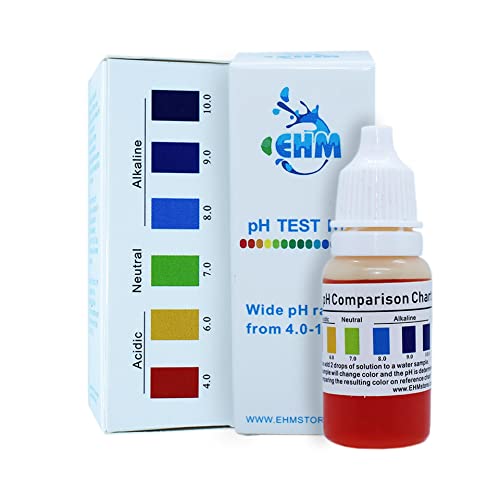
Alkaline Water (ph Test Kit) for Drinking Water Measures pH Level of Water More Accurately Than Test Strips pH Starter Kit Drops Easy to Use
- pH Range: 4.0 to 10.0
- Ease of Use: Squeeze bottle design
- Made in USA: All parts and ingredients
As an affiliate, we earn on qualifying purchases.
As an affiliate, we earn on qualifying purchases.
Frequently Asked Questions
How Does Water Temperature Affect Ph Levels?
Temperature fluctuation impacts pH levels by causing them to shift, making water less stable. As water warms, pH often increases because gases like carbon dioxide escape, reducing acidity. Conversely, cooling water can lower pH, increasing acidity. This affects pH stability, so you should monitor temperature changes closely. Maintaining a consistent temperature helps keep pH levels balanced, preventing sudden fluctuations that could harm aquatic life or disrupt your water chemistry.
Can Water Hardness Change Over Time Naturally?
Did you know that water hardness can naturally change over time? Yes, geological variations and mineral leaching from rocks and soil gradually alter water hardness levels. As water interacts with different minerals, it picks up calcium and magnesium, increasing hardness. This process occurs slowly, but over years, your water’s mineral content can shift markedly, affecting taste, appliance lifespan, and even water treatment needs.
What Are Common Methods to Adjust Alkalinity?
You can adjust alkalinity by adding substances like sodium bicarbonate or lime, which act as alkalinity sources and enhance pH buffering. These methods raise alkalinity levels, helping maintain stable pH. Conversely, removing excess alkalinity involves acid additions or water changes. Always test your water first to determine the appropriate amount of adjustments needed, ensuring your water balance stays within safe and effective ranges.
How Do Ph and Alkalinity Impact Aquatic Life?
Think of your aquatic environment as a delicate dance floor. If pH and alkalinity aren’t balanced, your aquatic life faces acidic stress, struggling to thrive. Proper alkalinity boosts buffering capacity, helping water resist pH swings that could harm fish and plants. When pH stays stable, your aquatic friends stay healthy, vibrant, and active. Without this balance, they risk stress, disease, and even death. Keep these factors in check for a thriving ecosystem.
Is Water Hardness Harmful to Household Appliances?
Water hardness isn’t directly harmful to household appliances, but it can cause mineral buildup, which affects their efficiency over time. This buildup can lead to appliance corrosion, especially in your water heater, dishwasher, or washing machine. To prevent these issues, consider using water softeners or descaling agents. Regular maintenance helps reduce mineral deposits, extending your appliances’ lifespan and ensuring they work smoothly.

Varify Water Hardness Test Kit – Water Testing Kit for Home, Drinking, Well, Spa, Swimming Pool, Softener, Dishwasher & More – Hard Water Test Strips for Calcium, Magnesium etc (0-425 pmm, 150 Strips)
- Protects Home and Health: Monitors water hardness to prevent damage
- Fast and Accurate Results: Provides reliable readings in seconds
- Easy-to-Read Color Chart: Large visual guide for quick results
As an affiliate, we earn on qualifying purchases.
As an affiliate, we earn on qualifying purchases.
Conclusion
By mastering water balance, you can maintain a healthy, balanced aquatic environment. While some might think testing pH, alkalinity, and hardness is complex, understanding these parameters actually empowers you to prevent issues before they arise. Don’t overlook their importance—proactive management saves time and effort in the long run. With a little knowledge and regular testing, you’ll guarantee your water stays stable, supporting vibrant ecosystems and crystal-clear clarity effortlessly.
Alkaline Water (ph Test Kit) for Drinking Water Measures pH Level of Water More Accurately Than Test Strips pH Starter Kit Drops Easy to Use
- pH Range: 4.0 to 10.0
- Ease of Use: Squeeze bottle design
- Made in USA: All parts and ingredients
As an affiliate, we earn on qualifying purchases.
As an affiliate, we earn on qualifying purchases.

Aquasure Harmony Series 48,000 Grains Whole House Water Softener w/High Efficiency Digital Metered Control Head (48,000 Grains)
- Suitable for 3-4 Bathrooms: Provides soft water for entire home
- High Efficiency Capacity: Treats 48,000 grains of hardness
- Multi-Stage Filtration: Removes 99% of contaminants
As an affiliate, we earn on qualifying purchases.
As an affiliate, we earn on qualifying purchases.