
If your public pool lacks proper air management, you risk uncomfortable and unsafe conditions like mold, chemical buildup, and respiratory issues. Budget constraints often limit ventilation systems, but good air control is vital for maintaining humidity, temperature, and chemical levels. Without it, the environment becomes damp, stuffy, and unhealthy, damaging the swimming experience. To guarantee everyone’s safety and comfort, understanding how to improve air management within your budget can make a big difference—you’ll discover how next.
Key Takeaways
- Poor air management leads to health hazards like respiratory issues and eye irritation, impacting swimmer safety and comfort.
- Inadequate ventilation causes mold growth and damp environments, compromising pool hygiene and safety.
- Elevated airborne chemicals, such as chloramines, result from poor air circulation, causing strong odors and respiratory problems.
- Limited budgets often restrict proper ventilation systems, risking long-term health issues and increased maintenance costs.
- Investing in better air management improves air quality, enhances user experience, and reduces health-related liabilities.
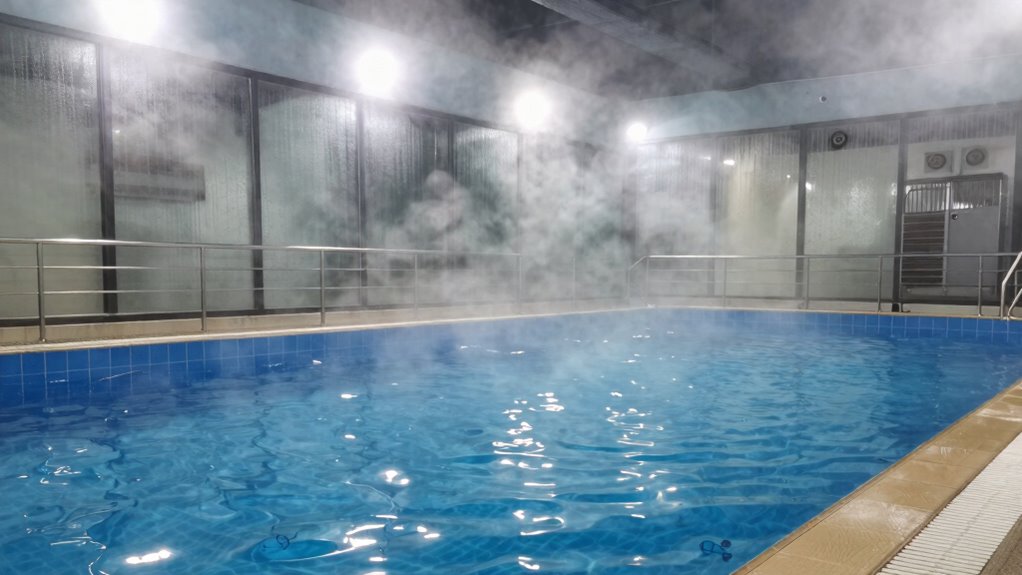
Public pools can be enjoyable and invigorating, but poor air quality can quickly turn them into uncomfortable or even hazardous environments. When the air isn’t properly managed, it can lead to issues like eye irritation, respiratory discomfort, and a generally unpleasant experience for swimmers and staff alike. That’s why effective air management isn’t just a luxury; it’s a necessity. Unfortunately, many pools operate on tight budgets that don’t prioritize advanced systems for aquatic ventilation or proper chlorine dispersion, which are essential for maintaining a healthy environment.
Effective air management is essential for safe, enjoyable public pool environments.
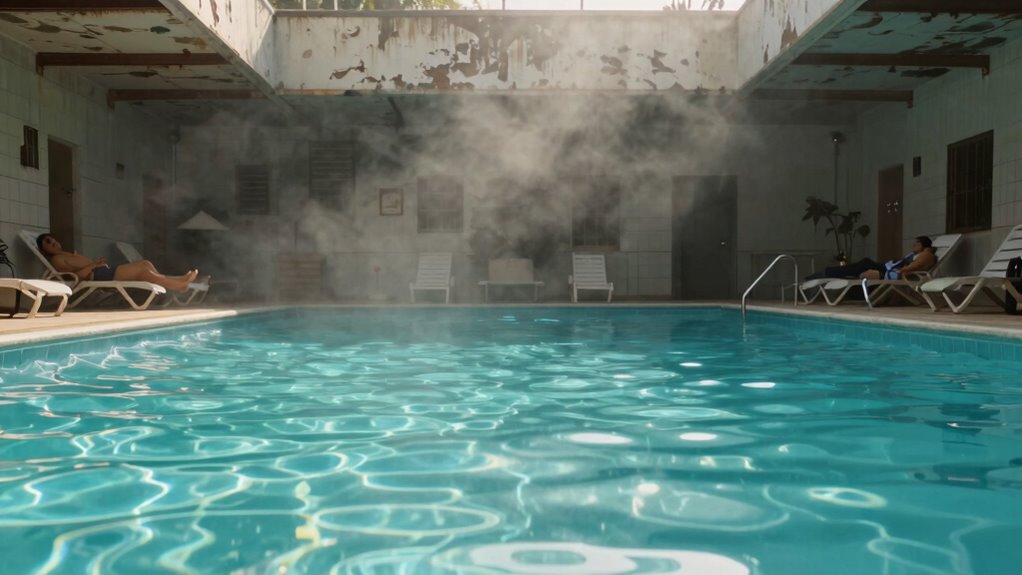
Aquatic ventilation systems are designed to control humidity, temperature, and airborne contaminants, creating a fresh and safe atmosphere around the pool. Without adequate ventilation, moisture from the water evaporates into the air, increasing humidity levels that foster mold growth and make the space feel damp and stuffy. Proper ventilation also helps remove airborne chemicals like chloramines—the byproducts formed when chlorine reacts with organic substances like sweat, body oils, and urine. These chloramines are responsible for that strong chlorine smell and can cause respiratory issues if they accumulate. When aquatic ventilation is insufficient, chloramine buildup worsens, leading to poor air quality and discomfort for everyone in the pool area. Ensuring consistent air quality management is crucial for health and comfort. Investing in proper air circulation can significantly reduce the accumulation of these harmful compounds. Additionally, implementing monitoring systems can help maintain optimal conditions and alert staff to potential issues before they become severe. A comprehensive approach to air quality can also include regular maintenance and timely upgrades to ventilation equipment. Proper training for staff on chemical management protocols can further prevent imbalances that contribute to poor air conditions. Regular assessments of chemical levels and ventilation efficiency are essential for ongoing safety.
As an affiliate, we earn on qualifying purchases.
Frequently Asked Questions
How Does Poor Air Quality Affect Swimmer Health?
Poor air quality in indoor pools directly impacts your respiratory health. When indoor air isn’t well-managed, you might breathe in chloramines, bacteria, and other pollutants that irritate your lungs and throat. This can cause coughing, wheezing, or asthma flare-ups, especially if you swim frequently. Maintaining good indoor air quality is essential to protect your respiratory health, ensuring a safer, more comfortable environment for swimmers like you.
What Are Common Signs of Inadequate Air Management?
Is your pool’s air like a trapped fog? Common signs of insufficient air management include persistent odors, stuffy atmosphere, and noticeable humidity. Poor air circulation causes these issues and hampers odor control, making swimmers uncomfortable and potentially unsafe. If you notice these signs, it’s time to improve ventilation. Better air management ensures fresh air, reduces humidity, and creates a healthier environment, encouraging swimmers to breathe easy and enjoy the pool.
Are There Cost-Effective Air Management Solutions for Pools?
Yes, there are cost-effective air management solutions for pools. You should focus on efficient air purification systems, like activated carbon filters or UV sterilizers, which improve air quality without high costs. Conducting a thorough cost analysis helps you identify affordable options that deliver effective air circulation and odor control. Investing in energy-efficient fans and regular maintenance also reduces long-term expenses, ensuring your pool’s air quality improves without straining your budget.
How Often Should Ventilation Systems Be Maintained?
Think of your ventilation system as the lungs of your pool, constantly working to keep the air fresh. You should inspect and maintain your air filtration and ventilation efficiency at least every 3 to 6 months. Regular checks guarantee filters are clean, fans are functioning properly, and indoor air quality remains safe. Neglecting maintenance risks poor air quality, which can affect swimmer health and overall pool operations.
What Role Does Humidity Control Play in Air Quality?
Humidity regulation plays a vital role in maintaining air quality at public pools by preventing mold growth and reducing airborne bacteria. Proper air circulation helps distribute humidity evenly, avoiding damp spots that can cause health issues. When you control humidity effectively, it minimizes musty odors and keeps the air fresh. Ensuring good air circulation and humidity regulation is essential for a healthy, comfortable swimming environment, especially where budgets limit advanced systems.
As an affiliate, we earn on qualifying purchases.
Conclusion
Ultimately, ensuring your public pool has good air management isn’t just about comfort—it’s about creating a welcoming space where everyone feels safe and relaxed. When the air quality gets the attention it deserves, swimming becomes more enjoyable and less of a balancing act. Think of it as giving your pool the fresh airflow it needs to truly shine. After all, a well-ventilated pool is a happy, healthy pool you’ll love to visit.
As an affiliate, we earn on qualifying purchases.
As an affiliate, we earn on qualifying purchases.