A pool construction glossary covers key terms like waterproofing membranes, which act as barriers to prevent water seepage, and installation methods that guarantee proper adhesion to avoid leaks. It also explains components such as the pool shell, deck, and drainage systems, highlighting their roles in building a durable, water-tight pool. Understanding these terms helps you navigate the process more confidently. Keep exploring to discover essential details that will help you make informed decisions throughout your project.
Key Takeaways
- Waterproofing membrane: a barrier preventing water seepage, applied over the pool shell and beneath the deck.
- Pool shell: the structural interior of the pool that holds water, often constructed from concrete or shotcrete.
- Pool deck: the surface surrounding the pool, built over waterproofing membrane, designed for drainage and aesthetics.
- Sealing: the process of waterproofing application to prevent leaks, cracks, and water damage.
- Cost and maintenance: considerations for selecting waterproofing materials and ensuring long-term durability and effectiveness.

Speaking of waterproofing, a waterproofing membrane is a critical element in pool construction. It acts as a barrier that prevents water from seeping into the underlying structure, protecting your pool and surrounding areas from water damage, mold, and structural deterioration. This membrane is typically applied over the pool shell before the deck is installed or beneath the concrete slab in the case of a gunite or shotcrete pool. Choosing the right waterproofing membrane depends on your specific needs, climate, and pool design. Some membranes are liquid-applied, forming a seamless coating, while others are sheet-based, providing a durable, flexible barrier. Proper installation of this membrane is essential; any tears, improper adhesion, or gaps can lead to leaks and costly repairs later on. Additionally, considering the cost-of-ownership and maintenance requirements of different waterproofing options can help ensure a long-lasting, cost-effective solution. Understanding the relationship between the pool deck and waterproofing membrane helps you visualize the construction process. After excavation and forming the pool shell, a waterproofing membrane is installed to ensure the structure remains watertight. Once this layer is in place, the pool deck is built on top, often with a slope away from the pool to facilitate drainage. When you select your pool deck material, keep in mind how it interacts with the waterproofing membrane—materials that are porous or prone to cracking might compromise the waterproofing if not properly installed or sealed.
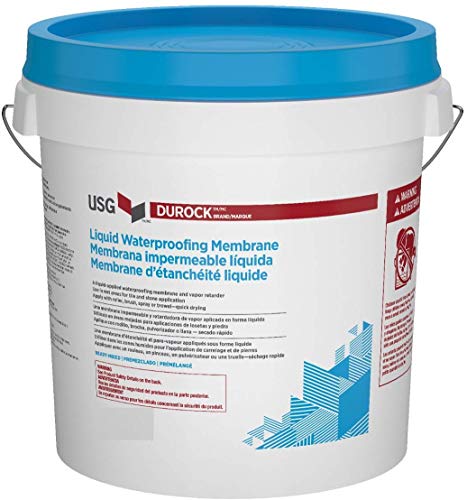
USG DUROCK Brand Liquid Waterproofing Membrane 1 Gallon
Can be rolled, brushed, troweled and sprayed
As an affiliate, we earn on qualifying purchases.
As an affiliate, we earn on qualifying purchases.
Frequently Asked Questions
How Long Does a Typical Pool Construction Project Take?
A typical pool construction project takes about 4 to 12 weeks, depending on your pool size and complexity. Larger or more intricate designs usually extend the construction timeline, while smaller pools can be completed more quickly. Factors like weather, permits, and contractor availability also influence how long it takes. You should plan for some flexibility, but generally, you can expect your new pool to be ready within a few months.
What Are the Most Durable Pool Construction Materials?
They say “you get what you pay for,” and that’s true for pool materials too. For durability, you should choose concrete or gunite for the pool surface, as they’re long-lasting and customizable. Reinforcement materials like steel rebar add strength, preventing cracks over time. These options stand up to weather and wear, making them some of the most durable pool construction materials you can select.
How Much Does Pool Construction Usually Cost?
Pool construction costs typically range from $20,000 to $50,000, depending on size, materials, and features. You should consider your budget considerations early to avoid surprises. Financing options can help spread out payments, making your dream pool more affordable. Keep in mind that additional costs like landscaping and permits may add up, so plan carefully. By understanding these factors, you can make informed decisions that fit your financial situation.
Are There Eco-Friendly Options for Pool Construction?
Yes, you can choose eco-friendly options for pool construction. While some worry about higher costs, sustainable materials like recycled steel and eco-friendly technologies such as solar heating and energy-efficient pumps are affordable long-term. These options reduce your environmental impact and lower energy bills. By opting for green materials and innovative tech, you create a beautiful, sustainable pool that benefits both the environment and your wallet.
What Permits Are Needed for Building a Pool?
You need to obtain permits before building your pool, starting with a permit application process through your local building department. You’ll likely need to address pool zoning regulations to ensure compliance with setback requirements and safety standards. Make sure to submit detailed plans and inspections to avoid delays. Checking your city or county’s specific rules will help you gather all necessary permits smoothly and start construction confidently.

Swimming Pools: Design and Construction, Fourth Edition
As an affiliate, we earn on qualifying purchases.
As an affiliate, we earn on qualifying purchases.
Conclusion
Now that you’re familiar with these pool construction terms, you’re better equipped to navigate the process like a seasoned pro. Remember, understanding the details can save you from a potential Pandora’s box of surprises. Think of it as your own secret decoder ring, much like those ancient scrolls from the Library of Alexandria—ready to open your dream pool’s full potential. Embark in confidently, and let your backyard oasis become a reality, no flux capacitor needed.

Otoolling 4 Pack Pool Deck Drain 1.25-inch W x 4-feet L, Outdoor Deck Drainage System 304 Stainless Steel with Coupling, Channel Drain for Integrated Grate/Concrete/Paver/Patios/Walkways (Silver)
Efficient Subsurface Drainage System: our pool deck drain system effectively collects and redirects groundwater, making it ideal for…
As an affiliate, we earn on qualifying purchases.
As an affiliate, we earn on qualifying purchases.

VEVOR 8-ft Round Above Ground Pool Liner, Overlap Pool Liners, Standard Gauge Vinyl, 48-to-54inch Wall Height, Designed for Steel Sided Above-Ground Swimming Pools
Fit for 8ft Pools: This pool liner is specifically designed for 8ft round above-ground pools with a flat…
As an affiliate, we earn on qualifying purchases.
As an affiliate, we earn on qualifying purchases.