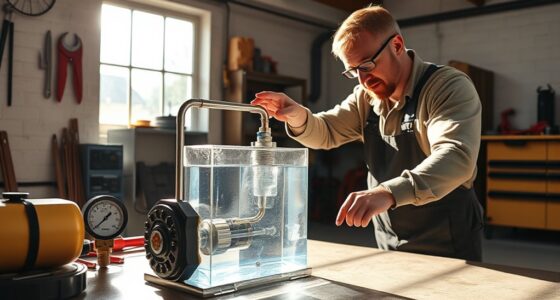

Understanding GPM, head loss, and pipe size is key to maintaining clear, steady water flow. If you choose the right pipe diameter for your flow rate, you reduce pressure drops and resistance. Managing head loss from fittings and pipe length keeps water moving smoothly and prevents clarity issues. By optimizing these factors, you’ll ensure efficient system performance. Keep exploring these concepts to discover how to design the perfect flow system for your needs.

Get pool and patio gear delivered free — and shop member deals
- Fast, free delivery on millions of items
- Access to Prime Big Deal Days deals on October 6–7
- Prime Video, Amazon Music and more included
Key Takeaways
- Correct pipe sizing balances flow rate (GPM) and pressure, preventing head loss that can reduce water clarity.
- Fittings, pipe length, and material impact head loss, requiring careful calculation for optimal water flow.
- Monitoring GPM helps identify flow issues and ensures systems are designed with appropriate pipe sizes.
- Proper system design minimizes turbulence and resistance, maintaining steady flow and clear water.
- Calculating total dynamic head, including all losses, ensures proper pump sizing for efficient, clear water delivery.
As an affiliate, we earn on qualifying purchases.
Understanding Gallons Per Minute (GPM) and Its Significance
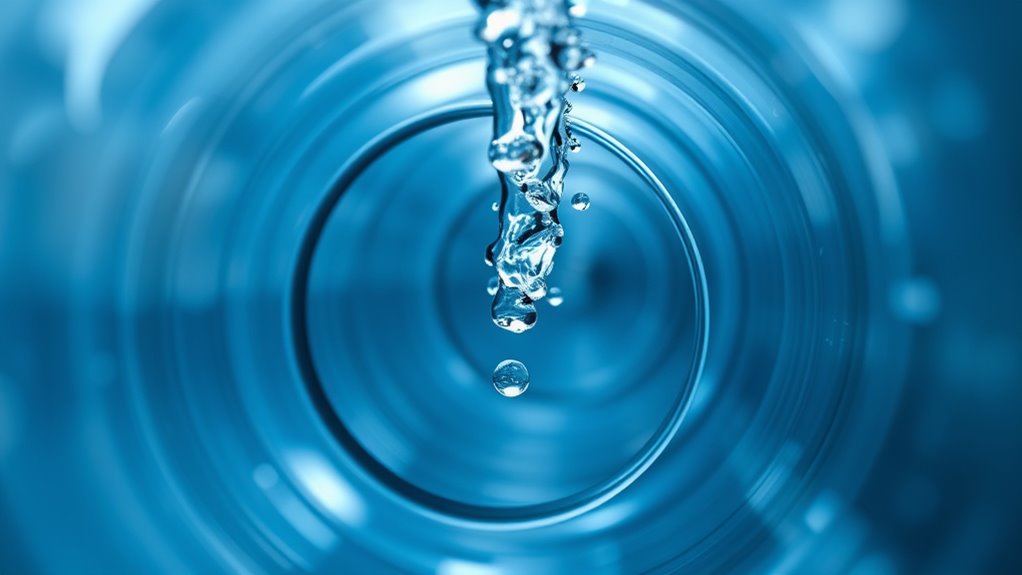
Understanding gallons per minute (GPM) is essential because it measures how fast water flows through a system. Knowing your GPM helps you determine if your plumbing or filtration system can deliver enough water for your needs. If the GPM is too low, you might experience weak water pressure, which affects everything from shower strength to appliance performance. Conversely, a high GPM indicates a strong flow, but it can also cause issues like increased wear on pipes or higher energy costs. By understanding GPM, you can select the right pipe size, pump, or filter to guarantee smooth, efficient water movement. Monitoring GPM allows you to troubleshoot flow problems early and maintain clear, healthy water quality in your system.
pipe size calculator for plumbing
As an affiliate, we earn on qualifying purchases.
As an affiliate, we earn on qualifying purchases.
The Impact of Pipe Diameter on Water Flow and Pressure
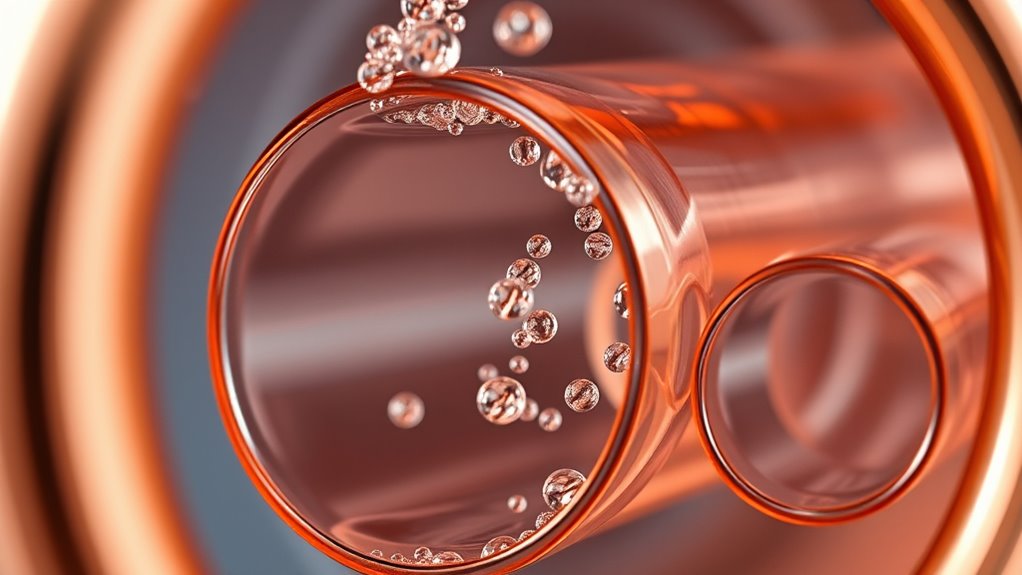
The diameter of your pipes directly influences both water flow and pressure within your plumbing system. Larger pipes allow more water to move through quickly, reducing resistance and maintaining higher pressure levels. Conversely, smaller pipes restrict flow, causing pressure drops and slower delivery. When you increase pipe diameter, you decrease friction between water and pipe walls, which improves flow efficiency. This means you’ll experience stronger water pressure at fixtures, especially when multiple outlets are in use. On the other hand, undersized pipes can lead to sluggish flow and inadequate pressure, making everyday tasks frustrating. Selecting the right pipe size balances flow volume with pressure needs, ensuring your system delivers clear, steady water without unnecessary strain on pumps or fixtures. Proper pipe sizing also minimizes flow resistance, enhancing overall system performance and efficiency.
As an affiliate, we earn on qualifying purchases.
What Is Head Loss and How Does It Affect Your System?
Head loss occurs when friction and turbulence in your pipes reduce the water’s energy as it moves through the system. This energy reduction causes a drop in pressure and flow rate, which can impact your water delivery. The more bends, fittings, or rough surfaces your pipes have, the greater the head loss. As head loss increases, your system needs more power to maintain the desired flow, often requiring larger pumps or pipes. If ignored, head loss can lead to inconsistent water pressure, reduced flow, and inefficient operation. Understanding how head loss works helps you identify potential issues and design systems that minimize energy loss. Proper pipe sizing and system layout are essential for maintaining ideal water flow and ensuring clear, healthy water delivery. Additionally, selecting appropriate pipe materials can help reduce friction and further decrease head loss, improving overall system efficiency.
plumbing fittings for water flow
As an affiliate, we earn on qualifying purchases.
As an affiliate, we earn on qualifying purchases.
Calculating and Managing Pressure Drops in Plumbing
Understanding pressure drops is essential to keeping your water flow smooth. Factors like pipe length, diameter, and fittings influence how much pressure you lose. Managing pipe friction effectively helps maintain ideal flow and clear water quality. Additionally, proper pipe sizing and material selection can significantly reduce pressure loss, ensuring consistent water delivery throughout your system.
Pressure Drop Factors
Pressure drops occur when water encounters resistance as it flows through pipes, fittings, and other components in your plumbing system. Several factors influence these drops, including pipe diameter, length, material, and flow rate. Narrower pipes increase resistance, causing higher pressure losses. Longer pipes add more friction, further reducing pressure. Fittings, valves, and changes in pipe direction create additional resistance points, elevating pressure drops. Water temperature also plays a role; colder water is denser and increases friction. Additionally, flow velocity impacts pressure loss—higher speeds generate more resistance. Understanding these factors helps you predict where pressure drops will happen and how to minimize them, ensuring consistent water pressure and efficient system performance. Recognizing how pipe materials impact friction and resistance can lead to better pipe selection and system design, ultimately improving water flow efficiency. Managing these elements allows for optimized pipe sizing and better overall plumbing operation.
Managing Pipe Friction
Managing pipe friction effectively starts with calculating the expected pressure drops based on your plumbing setup. To do this, consider pipe length, diameter, material, and flow rate. Use the Darcy-Weisbach equation or friction factor charts to estimate pressure loss. Keep in mind that rougher pipe surfaces increase resistance, raising pressure drops. To manage this, choose appropriately sized pipes for your flow needs—larger pipes reduce friction. Regularly inspect and clean pipes to prevent buildup that can increase resistance. When designing your system, aim for smooth, straight runs and avoid sharp bends that cause turbulence. Monitoring flow rates and pressure regularly helps you identify issues early. By understanding and controlling pipe friction, you ensure consistent water pressure and maximize system efficiency. Incorporating different yoga practices and techniques can also help maintain overall well-being, which indirectly supports a healthier plumbing environment by reducing stress-related issues.
Selecting the Right Pipe Size for Optimal Flow and Efficiency
Choosing the right pipe size is essential for guaranteeing smooth water flow and maximizing efficiency. When your pipe is too small, it increases head loss and reduces flow, causing frustration and inefficiency. If it’s too large, you waste materials and space. To find the perfect fit, consider your system’s flow rate and pressure needs. Proper pipe sizing also helps prevent issues related to hydraulics and ensures your pool operates safely and effectively. Matching your pipe size to your flow requirements minimizes head loss and keeps water moving freely. It’s all about balancing capacity with efficiency to ensure clear water without unnecessary energy costs.
Practical Tips for Reducing Head Loss and Improving Water Clarity

Selecting the right pipe size helps guarantee smooth water flow, but even with proper sizing, head loss can still occur due to friction and fittings. To reduce this loss, keep pipe runs as short as possible and avoid unnecessary bends or fittings. Regularly clean pipes and filters to prevent buildup that increases resistance. Use pipes with smooth interiors, such as PVC, which minimize friction. Maintain consistent flow rates instead of sudden surges, and avoid oversized pipes that slow water velocity and cause sediment buildup. When designing or modifying your system, prioritize gradual changeover between pipe sizes. Proper pipe material and installation techniques also play a crucial role in minimizing head loss. These steps help decrease head loss, ensuring clearer water and more efficient flow. Implementing these practical tips will optimize your water system’s performance and improve water clarity over time.
Common Mistakes to Avoid When Designing Water Systems
One common mistake in designing water systems is overlooking the importance of proper pipe sizing, which can lead to excessive head loss and poor water clarity. Using pipes that are too narrow increases friction, reducing flow efficiency and causing sediment buildup or stagnation. Conversely, oversizing pipes can be costly and inefficient. Another mistake is ignoring the flow rate requirements, leading to inadequate pressure and flow issues. Failing to contemplate pipe material and fittings can also cause unexpected head loss and turbulence. Additionally, neglecting to calculate the system’s total dynamic head results in undersized pumps and inconsistent water quality. To avoid these pitfalls, carefully analyze flow needs, select appropriate pipe sizes, and account for all potential head losses. Proper planning ensures clear water and a reliable system. Understanding flow dynamics is crucial for optimizing pipe size and system performance.
Frequently Asked Questions
How Does Pipe Material Influence Head Loss and Water Clarity?
Pipe material directly affects head loss and water clarity. Smooth materials like PVC reduce friction, lowering head loss and keeping water clearer. Rougher surfaces, such as galvanized steel, increase resistance, raising head loss and potentially causing debris buildup that clouds water. Choosing the right pipe material helps you maintain efficient flow and achieve clearer water, making your plumbing system more effective and less prone to clogging or discoloration.
What Are the Signs of Excessive Head Loss in a System?
You’ll notice reduced water flow and pressure when head loss becomes excessive. Fixtures may take longer to fill or drain, and you might hear unusual noises like banging or whistling in the pipes. If your system struggles to maintain consistent pressure or flow despite open valves, it’s a clear sign that head loss is too high. Regular maintenance and inspections can help identify and address these issues early.
Can Changing Pipe Length Improve Water Flow Efficiency?
Absolutely, shortening pipe length can boost your water flow efficiency—because who wouldn’t want less hassle and better pressure? When you reduce the distance water travels, you cut down on resistance and head loss, making your system more effective. It’s like trimming the fat from a meal—you get more out of less effort. So, if you’re aiming for a smoother flow, keep those pipes as short as possible!
How Do Temperature Variations Affect Pipe Flow and Head Loss?
Temperature variations impact pipe flow and head loss by altering water viscosity. As water heats up, it becomes less viscous, reducing resistance and allowing easier flow, which decreases head loss. Conversely, colder water increases viscosity, leading to higher resistance and greater head loss. You should consider temperature changes in your system design, especially if water temperature fluctuates considerably, to maintain ideal flow efficiency and prevent unexpected pressure drops.
Are There Industry Standards for Optimal Pipe Sizing in Residential Systems?
Yes, industry standards exist for ideal pipe sizing in residential systems. You should follow guidelines from organizations like the International Plumbing Code (IPC) and the American Water Works Association (AWWA). These standards specify pipe diameters based on flow rates, pressure, and fixture demands. By adhering to these, you guarantee efficient water flow, reduce pressure drops, and prevent issues like leaks or low water pressure, keeping your system reliable and effective.
Conclusion
By understanding GPM, pipe size, and head loss, you can optimize your water system for clarity and efficiency. Are you ready to make smarter choices that reduce pressure drops and improve flow? Remember, selecting the right pipe and managing head loss isn’t just technical—it’s key to keeping your water clear and systems running smoothly. Take control, apply these secrets, and enjoy the benefits of a well-designed water system.
Fall Picks
fall essentials
As an affiliate, we earn on qualifying purchases.