Understanding the anatomy of pool pumps and motors helps you keep your system running smoothly. The motor powers the impeller, which creates water flow, while the pump housing contains the impeller and directs water. The seal prevents leaks and protects internal parts. Regular maintenance of these components, like cleaning vents and replacing seals, guarantees peak performance. Keep exploring to discover how each part works together for efficient pool circulation.
Key Takeaways
- Pool pumps consist of components like the motor, pump housing, impeller, and seal, working together to circulate water.
- The motor converts electrical energy into mechanical energy to power the impeller for water movement.
- The impeller spins rapidly to draw water in and push it through the filtration system.
- Seals prevent leaks and maintain system integrity, protecting internal components from water damage.
- Regular maintenance of motor parts, seals, and impeller ensures efficient operation and prolongs pump lifespan.
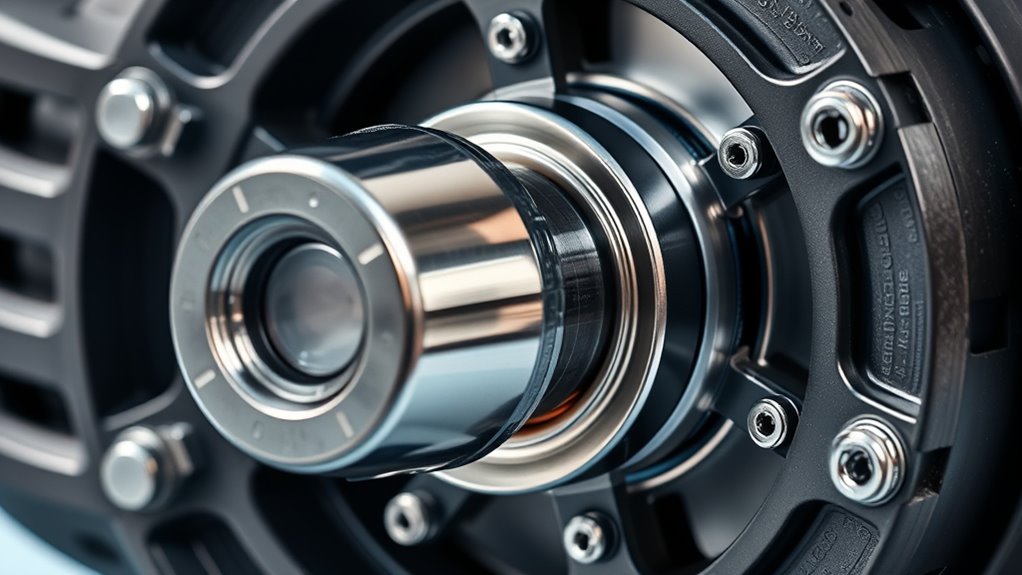
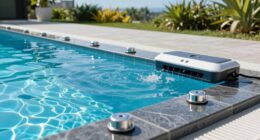
Understanding the anatomy of pool pumps and motors is essential if you want your pool to stay clean and properly circulated. When you know how these components work together, you can perform effective pump maintenance and troubleshoot motor issues quickly, minimizing downtime and preventing costly repairs. A typical pool pump consists of a motor, a pump housing, an impeller, and a seal. The motor powers the impeller, which creates the flow necessary to move water through your pool’s filtration system. The pump housing contains the impeller and directs water into the system efficiently. Recognizing how each part functions helps you identify problems early, like unusual noises or drops in water flow, so you can address them promptly.
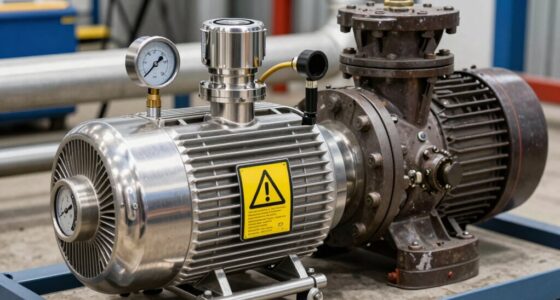
The motor is the heart of your pool pump, converting electrical energy into mechanical energy to turn the impeller. It’s usually an asynchronous AC motor, sealed to resist water and debris. When troubleshooting your motor, check for common issues such as overheating, which might be caused by blocked vents, low voltage, or worn-out bearings. If the motor won’t start, inspect the power supply, capacitor, and wiring connections. Proper motor troubleshooting involves listening for strange sounds like humming or grinding, which can signal bearing failure or electrical faults. Regular pump maintenance, including cleaning the motor’s cooling vents and checking for corrosion, extends its lifespan and keeps your pool circulating smoothly.
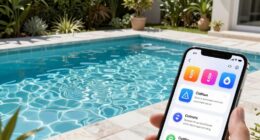
Additionally, the use of automation technology in modern pool systems can help monitor and control pump operation remotely, ensuring optimal performance and energy efficiency.
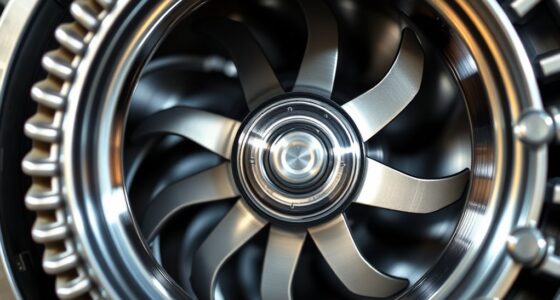
The impeller’s role is vital because it generates the flow by spinning rapidly to draw water in and push it out through the plumbing. If your pool’s flow diminishes, inspect the impeller for debris or damage. Sometimes, debris can get lodged, reducing efficiency, or the impeller blades could be worn out. Maintaining the impeller and seal is key to preventing leaks and ensuring consistent water flow. When performing pump maintenance, always turn off power and release pressure before disassembling parts. Lubricating bearings and replacing worn seals prevent leaks and noise, which are common signs of trouble.
pool pump motor replacement
As an affiliate, we earn on qualifying purchases.
As an affiliate, we earn on qualifying purchases.
Frequently Asked Questions
How Do I Troubleshoot Common Pool Pump Problems?
When troubleshooting your pool pump, first check for unusual noise, which may indicate a problem with the motor or debris in the pump. Make certain the pump cord is in good condition; if it’s damaged, consider a pump cord replacement. If the pump isn’t circulating water properly, clean or replace the filter, and inspect for leaks or blockages. Regular maintenance helps prevent common issues and keeps your pool running smoothly.
What Are the Signs of a Failing Pool Motor?
A failing pool motor is like a worn-out engine struggling to run smoothly. You might notice strange pool motor noise, such as grinding or squealing, indicating trouble. Additionally, pool pump leaks around the motor or seals suggest deterioration. These signs mean your motor is likely nearing failure and needs inspection or replacement to keep your pool functioning properly. Don’t ignore these clues—they’re your warning signs.
How Often Should I Service My Pool Pump?
You should service your pool pump at least once a year to maintain peak performance and extend its lifespan. Regularly check for unusual pool pump noise, which can indicate issues needing attention. During servicing, clean or replace filters, lubricate moving parts, and inspect for leaks. Proper maintenance prevents unnecessary strain on the motor, ensuring a longer pump lifespan and smooth operation, especially during peak swimming season.
Can I Upgrade My Pool Pump for Better Efficiency?
Think of your pool pump as the heart of your backyard oasis. Upgrading your motor is like giving it a shot of energy efficiency fuel. You can definitely upgrade for better performance and lower energy bills. Modern motor upgrades are designed to be more efficient, saving you money and reducing your carbon footprint. So, yes, investing in a new motor helps your pool run smoother, quieter, and more cost-effectively.
What Safety Precautions Are Necessary When Maintaining Pool Motors?
When maintaining pool motors, you need to prioritize electrical safety by unplugging the unit before any work. Wear insulated gloves and avoid water contact with electrical parts. Regularly check and apply appropriate motor lubrication to prevent overheating and wear. Keep the area dry and clear of debris to reduce hazards. Always follow manufacturer instructions and consult a professional if you’re unsure about any step to guarantee safe and effective maintenance.
pool pump impeller
As an affiliate, we earn on qualifying purchases.
As an affiliate, we earn on qualifying purchases.
Conclusion
Now that you understand the anatomy of pool pumps and motors, think of them as the heartbeat of your pool’s life. Each part works in harmony like a well-choreographed dance, keeping your water clear and inviting. When you care for these essential components, you’re nurturing the pulse that sustains your oasis. Remember, a healthy pump is the symbol of a vibrant, sparkling pool—your personal sanctuary of refreshment and relaxation.
pool pump seal kit
As an affiliate, we earn on qualifying purchases.
As an affiliate, we earn on qualifying purchases.
automatic pool pump controller
As an affiliate, we earn on qualifying purchases.
As an affiliate, we earn on qualifying purchases.