To guarantee proper pool circulation, you need to monitor your turnover rate, which is how long it takes to filter all the water once—typically 8-12 hours. Good flow paths, with properly placed jets and skimmers, help distribute chemicals and debris evenly. Regularly maintain your pump, filter, and other components to keep water clear and safe. Keep improving your system, and you’ll discover how to optimize circulation even further.
Key Takeaways
- Proper circulation ensures water quality, prevents stagnation, and maintains a safe, inviting pool environment.
- Achieving complete turnover involves running the pump 8-12 hours daily to pass all water through the filter at least once.
- Well-designed flow paths, including strategically placed return jets and skimmers, promote uniform chemical distribution and debris removal.
- Regular filter maintenance and correct sizing improve filtration efficiency, supporting consistent water clarity.
- Balancing chemicals like pH and chlorine enhances filtration effectiveness and prevents algae growth in the circulation system.
Have you ever wondered how pool water stays clean and clear? The secret lies in proper circulation, which involves understanding turnover rates and flow paths. When your pool’s circulation system works efficiently, it helps maintain water quality by continuously filtering out debris and distributing chemicals evenly. This process relies heavily on filtration efficiency and chemical balancing to keep your pool inviting and safe.
Filtration efficiency plays a essential role in maintaining clean water. The pump and filter system are designed to pull water through the filter, trapping dirt, algae, and other impurities. If your filtration system isn’t working at its best, debris can linger, leading to cloudy water or algae growth. Ensuring your filter is clean and appropriately rated for your pool size boosts efficiency, reducing the time needed for water to circulate and get properly cleaned. It’s also necessary to run the pump long enough—generally 8-12 hours daily—to achieve a complete turnover. This means every bit of water passes through the filter at least once, removing contaminants and preventing stagnation.
Proper filter maintenance and enough pump run time ensure clean, healthy pool water through effective circulation.
Chemical balancing is equally important in the circulation process. Proper chemical levels—pH, chlorine, alkalinity—must be maintained to support both filtration efficiency and overall water health. When chemicals are balanced, they work synergistically with the filtration system, breaking down organic matter and controlling bacteria. This not only keeps the water sparkling but also protects your pool equipment from corrosion or scale buildup caused by improper chemical levels. Consistent testing and adjusting of chemicals ensure that the water remains within ideal parameters, allowing the filtration system to operate at peak performance.
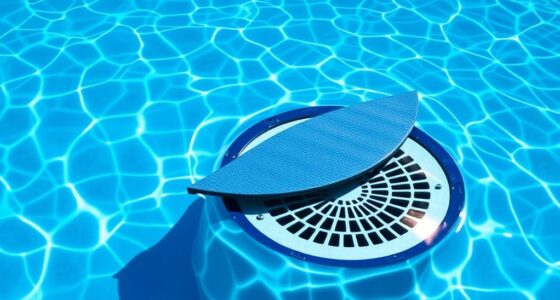
Flow paths, the routes water takes as it circulates through your pool, are essential for uniform chemical distribution and debris removal. A well-designed flow path ensures that water from all areas of the pool passes through the filter and returns evenly, avoiding dead spots where debris can accumulate. Proper placement of return jets and skimmers encourages efficient flow, preventing pockets of stagnant water. When flow paths are optimized, chemicals disperse evenly, and the filter can effectively process all water, reducing the chances of algae growth or cloudy patches.

INTEX 3,000 GPH Krystal Clear Sand Filter Pump for Above Ground Pools, Swimming Pool Pump with Automatic Timer – Improved Circulation, Filtration, & Clarity
✔ EXCELLENT FILTRATION – SX3000 provides excellent water filtration with the 6-function valve that allows you to filter,…
As an affiliate, we earn on qualifying purchases.
As an affiliate, we earn on qualifying purchases.
Frequently Asked Questions
How Often Should I Test My Pool’s Circulation System?
You should test your pool’s circulation system at least once a week to guarantee peak performance. Regular checks help maintain proper chemical balance and identify any issues with pump maintenance early. Keep an eye on flow rates and filter pressure, adjusting as needed. Consistent testing helps prevent problems, keeps your water clear, and extends your equipment’s lifespan, making your pool safer and more enjoyable to swim in.
What Are Signs of Poor Pool Circulation?
Imagine your pool as a shimmering mirror of clarity, yet signs of poor circulation threaten this beauty. You’ll notice uneven water flow, cloudy patches, or debris accumulating along the walls and floor. A chemical imbalance may cause dullness or algae growth, while stagnant areas foster debris buildup. These indicators signal your circulation system isn’t working properly, prompting you to check flow rates and verify the system effectively distributes chemicals and clears debris.
Can Algae Grow With Proper Turnover Rates?
Yes, algae growth can still occur even with proper turnover rates if there’s an imbalance in circulation. When flow paths are not evenly distributed, some areas might have stagnant water, creating spots where algae can thrive. Ensuring circulation balance is vital, as it helps distribute sanitizers effectively, preventing algae buildup. Regular maintenance, proper chemical levels, and monitoring flow patterns are key to keeping your pool algae-free.
How Does Weather Affect Pool Flow and Circulation?
Did you know that heavy rain can dilute chlorine levels by up to 50%, affecting circulation? Weather profoundly impacts your pool’s flow; rain can cause debris buildup and alter flow paths, while temperature effects influence water movement and chemical balance. Warmer weather speeds up evaporation and bacteria growth, requiring more circulation to keep your pool clean. Stay vigilant, adjust your circulation system accordingly, and guarantee ideal water quality regardless of weather changes.
What Equipment Helps Optimize Pool Circulation Efficiency?
To optimize your pool circulation efficiency, you should guarantee your pool pump is powerful enough for your pool size and runs regularly. Use a skimmer basket to catch debris and maintain unobstructed flow. Regularly clean the basket and check the pump for proper operation. These steps help improve water movement, reduce algae buildup, and keep your pool clean and inviting.

AIPER HydroComm Smart Pool Monitor, 24/7 Automatic Water Testing for Pools, Hot Tubs & Spas, 5-in-1 Accurate Digital Tester, App Control, Customized Optimization Tips, White
Automatic Hourly Monitoring: Automatically tests your pool water every hour for continuous day-and-night monitoring. Generates clear water quality…
As an affiliate, we earn on qualifying purchases.
As an affiliate, we earn on qualifying purchases.
Conclusion
By understanding the importance of turnover rates and flow paths, you can optimize your pool’s circulation. You control the clarity, the safety, and the efficiency of your pool. You improve water quality, reduce energy costs, and extend equipment lifespan. You create a healthier environment, a more enjoyable experience, and a smarter investment. By mastering circulation basics, you guarantee your pool stays perfect—clean, clear, and inviting—every time you plunge in.

Danmar Directional Pool Skimmer Jet Return Nozzle, Fits Only 1 & 1/2 Inch Hydrostream Return Inlets, Less Skimmer Net Maintenance, Pool Cleaner, More Leaves & Bugs in Basket, Made in USA, White
POOL RETURN JET FITTING – NOT FOR CUSTOM-BUILT POOLS. The Pool Jet Skimmer Return Jet Fitting is one…
As an affiliate, we earn on qualifying purchases.
As an affiliate, we earn on qualifying purchases.

Leomru 2 HP Pool Pump 6800 GPH Self Priming in/Above Ground Swimming Pool Pump 110V/220V Dual Voltage Single Speed Pumps with Strainer Basket 6Pcs Connectors
POWERFUL PUMP: Featuring an advanced impeller, this self-priming pool pump achieves a maximum speed of 3450 r/m, a…
As an affiliate, we earn on qualifying purchases.
As an affiliate, we earn on qualifying purchases.