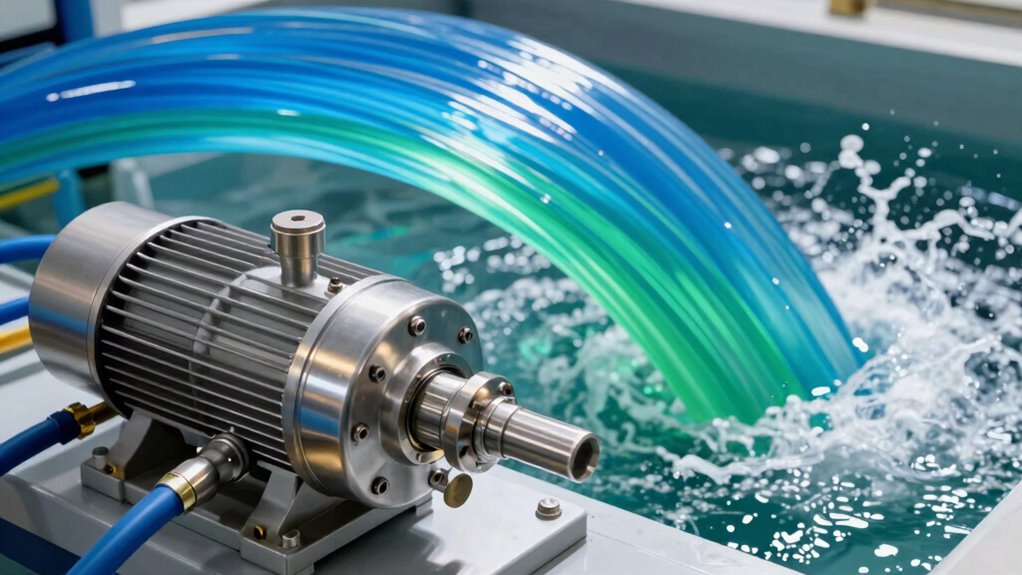

Good flow means matching your pump’s capacity to your system’s needs, ensuring efficient and smooth fluid movement without excess energy use. Simply adding more pump power doesn’t guarantee better flow; it can cause turbulence, noise, or even damage your system. Properly sizing and selecting your pump based on pressure, flow rate, and system layout is key to avoiding issues and saving energy. Keep exploring to discover how to optimize your system for truly effective performance.

Get pool and patio gear delivered free with Prime
- Fast, free delivery on millions of items
- Prime Video, Amazon Music and more included
- Member-only deals all year
Key Takeaways
- Good flow results from proper pump sizing and system design, not just increasing pump power.
- Excessive pump power can cause turbulence, noise, and pipe damage without improving flow quality.
- Achieving optimal flow involves balancing pump capacity with system hydraulics and efficiency.
- Overpowered pumps may increase energy costs and system wear without enhancing actual flow performance.
- Proper hydrodynamic efficiency ensures effective flow at minimal energy consumption, unlike simply adding more pump power.
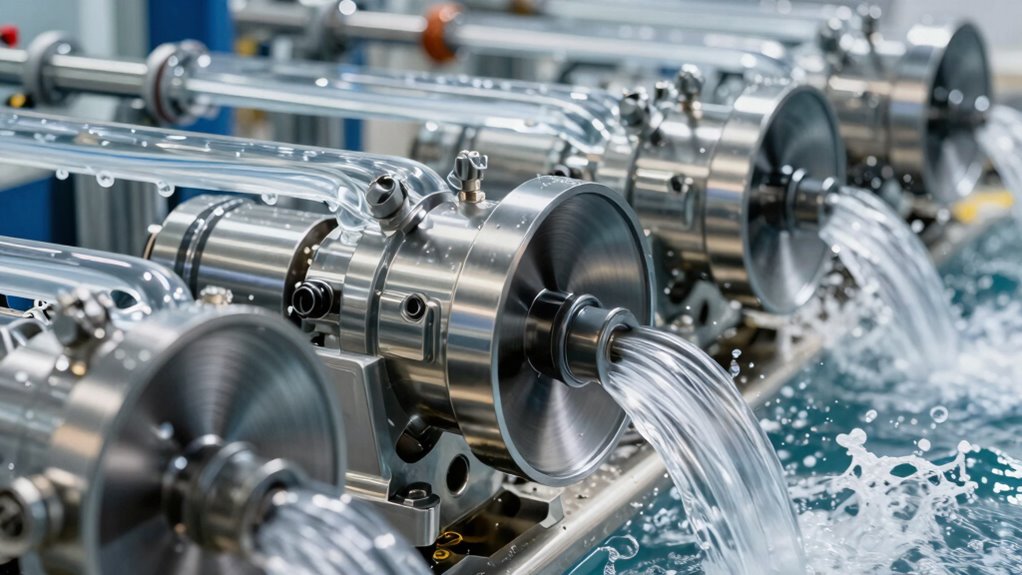
When it comes to fluid systems, more pump power might seem like the straightforward solution to improve flow, but it’s not always the best approach. Increasing pump power can lead to higher energy costs and potential system inefficiencies if you don’t consider the overall hydrodynamic efficiency. Instead, focusing on proper pump selection can make a significant difference in achieving good flow without unnecessary energy consumption. Pump selection involves evaluating the system’s specific requirements—like flow rate, pressure, and pipe configuration—and choosing a pump that matches those needs precisely. This ensures you’re not over- or under-sizing, both of which can cause issues. An appropriately selected pump optimizes hydrodynamic efficiency, meaning it delivers the desired flow with the least possible energy loss.
You might think that simply boosting the pump’s power will push more fluid through your system, but that often results in increased turbulence, noise, and wear on components. These are signs that your system isn’t operating efficiently. Good flow isn’t just about moving lots of fluid; it’s about moving it efficiently and consistently. Hydrodynamic efficiency measures how well your pump converts input energy into fluid movement. When you choose the right pump, it operates closer to its optimal efficiency point, reducing wasted energy and improving overall system performance. This approach minimizes operational costs and prolongs equipment lifespan.
The key to achieving good flow isn’t just about raw power—it’s about understanding the system’s hydraulic needs and matching them with the right pump. For example, a pump that’s too powerful for a small pipeline can cause excessive pressure, leading to leaks or damage. Conversely, a pump that’s too weak won’t deliver the desired flow rates. Proper pump selection considers factors like head loss, pipe diameter, and system layout, ensuring that the pump operates within its most efficient range. This balance reduces unnecessary energy consumption and prevents system fatigue. Additionally, considering system hydrodynamics during pump selection can help prevent issues caused by turbulence and flow disruptions. Recognizing the importance of hydrodynamic efficiency in pump operation can lead to more sustainable and cost-effective systems overall. A thorough understanding of fluid dynamics can further enhance your ability to optimize system performance and sustainability. Being aware of pressure drops and how they impact flow can also help in fine-tuning system components for better efficiency. In summary, understanding these hydraulic principles is essential for designing systems that are both effective and energy-efficient.
Products Worth Considering

Sony 65 Inch BRAVIA 5 Mini LED 4K HDR Smart Google TV (K-65XR50)

LEVOIT Vital 200S-P Smart Air Purifier for Large Rooms

Dyson V11 Torque Drive Cordless Vacuum Cleaner
As an affiliate, we earn on qualifying purchases.
Frequently Asked Questions
How Can I Measure Flow Efficiency Accurately?
To measure flow efficiency accurately, you need to focus on flow measurement techniques like ultrasonic or magnetic flow meters, which provide precise data without disrupting the system. Regular calibration guarantees reliability. By tracking flow rates and comparing them against system requirements, you can identify inefficiencies. This process helps in efficiency optimization, ensuring your system runs smoothly without unnecessary energy use or pressure drops.
What Are Common Signs of Poor Flow Despite High Pump Power?
You might notice flow restrictions causing poor performance despite high pump power. These restrictions can lead to uneven flow, increased pump noise, and higher energy consumption. If the pump sounds louder or irregular, it’s a sign the flow isn’t efficient. Blockages or obstructions in the system cause these issues, so inspecting pipes and fittings for restrictions helps. Addressing flow restrictions improves efficiency without needing to boost pump power.
Does Increasing Pump Size Always Improve System Performance?
Ever wonder if bigger pump equals better performance? Increasing pump size doesn’t always improve system performance. Instead, focus on proper pump selection and system optimization to achieve efficient flow rates. Oversized pumps can cause issues like short cycling or excessive energy use. By choosing the right pump for your system’s needs, you guarantee ideal flow and efficiency. Bigger isn’t always better—smart selection makes all the difference.
How Do Pipe Diameter and Layout Affect Flow Quality?
Pipe diameter and layout directly influence flow quality by affecting pipe friction and system efficiency. Using larger diameters reduces pipe friction, allowing smoother, faster flow, while optimizing the layout minimizes sharp bends and long runs that cause turbulence. Thoughtful layout design and appropriate pipe sizing guarantee consistent flow, prevent pressure drops, and improve overall system performance, rather than just increasing pump power. These adjustments create a more effective, energy-efficient system.
What Maintenance Practices Optimize Flow Without Extra Pump Power?
Coincidentally, maintaining clean and well-lubricated pipes enhances flow optimization without additional pump power. Regularly inspecting and cleaning filters, ensuring proper pipe layout, and preventing blockages keep flow smooth. You should also regularly check pump selection to match system needs, avoiding unnecessary strain. Proper valve management and avoiding leaks further optimize flow. These practices keep your system efficient, reducing energy costs while maintaining high flow quality.
Conclusion
So, next time you’re tempted to just crank up the pump power, ask yourself: are you truly improving flow, or simply forcing more pressure? Good flow isn’t about more power; it’s about efficiency and balance. Remember, sometimes less is more when it comes to ideal performance. Are you prioritizing the right adjustments, or just adding more to cover up the real issues? Focus on smart solutions, and you’ll achieve better results with less effort.