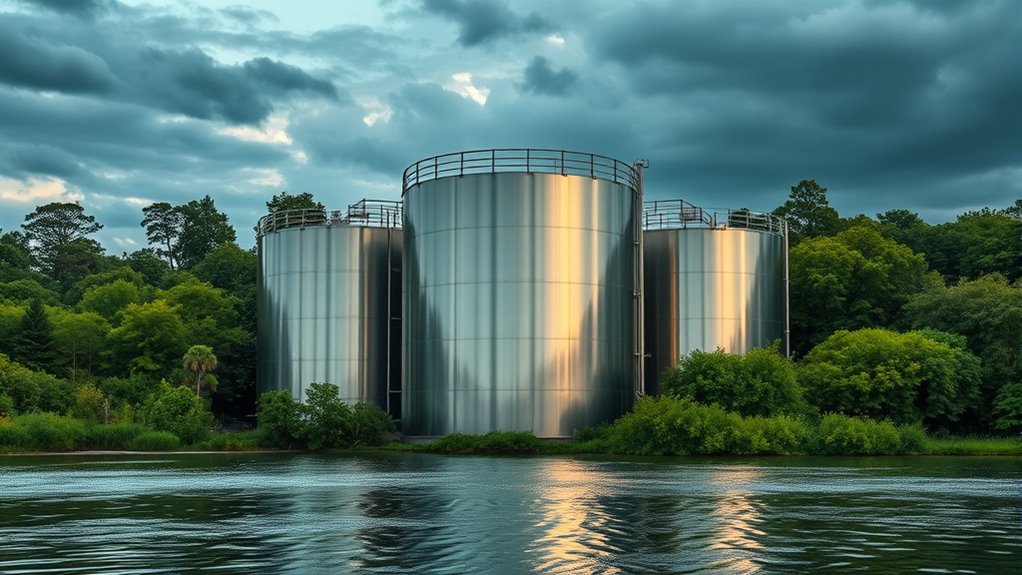

Surge and balance tanks help you keep big water features stable by managing pressure fluctuations and maintaining water levels. Surge tanks absorb sudden pressure spikes to prevent pipe and equipment damage, while balance tanks ensure consistent water levels during demand changes. Properly sized and placed tanks improve system efficiency, reduce maintenance needs, and protect your investment. To learn how to optimize these tanks and prevent common issues, continue exploring what makes a well-designed water feature system.
Key Takeaways
- Surge tanks absorb pressure fluctuations, ensuring stable water levels and preventing damage to large water features.
- Balance tanks maintain consistent water levels, supporting smooth operation and preventing surges or drops during demand changes.
- Proper tank sizing and strategic placement enhance leveling of big water features by buffering flow variations.
- Regular maintenance and monitoring ensure tanks function effectively, minimizing disruptions and preserving aesthetic appeal.
- Integrating surge and balance tanks optimizes system performance, prolongs equipment life, and ensures feature stability.

Chapin 98142 Water Storage Tank, 40‑Gallon, Utility Water Supply, Translucent Chemical‑Resistant Poly Tank, 6" Wide Cap, 2" Drain & Garden‑Hose Port for Farms, Acreage, Gardens & Orchard
Easy transport: move water wherever lawn and garden tasks require it with a 40‑gallon translucent poly tank designed…
As an affiliate, we earn on qualifying purchases.
As an affiliate, we earn on qualifying purchases.
Understanding the Role of Surge Tanks in Water Systems

Have you ever wondered how water systems manage sudden pressure changes? Surge tanks play a crucial role in controlling these fluctuations. When water flow suddenly increases or decreases, pressure can spike or drop, risking damage to pipes and equipment. Surge tanks absorb these shocks by providing extra storage capacity, preventing pressure surges from causing failures. They are strategically placed along pipelines, especially near pumps or high-flow sections. By acting as a buffer, surge tanks help maintain steady pressure and ensure the system operates smoothly. Without them, pressure variations could lead to pipe bursts, leaks, or system shutdowns. Their presence keeps water moving reliably, protecting infrastructure and ensuring consistent water supply for users. Additionally, predictive analytics can be used to optimize the placement and operation of surge tanks by analyzing flow data and anticipating pressure fluctuations.

AquaErase – Clarity & Balance Support for Aquariums
Water Clarity: Promotes clear water and maintains healthy tank balance
As an affiliate, we earn on qualifying purchases.
As an affiliate, we earn on qualifying purchases.
The Function and Importance of Balance Tanks

Balance tanks serve a essential role in maintaining consistent water levels within a system by acting as reservoirs that regulate flow and pressure. When water demand fluctuates or sudden changes occur, these tanks absorb or supply water to keep the system steady. This stabilization prevents pressure drops or surges that could damage equipment or disrupt operations. By guaranteeing a steady supply, balance tanks improve efficiency and protect system components from stress caused by rapid flow changes. They also help in maintaining ideal water levels in connected features, such as fountains or pools. Additionally, understanding the essential oils that promote system stability can enhance operational performance. Overall, balance tanks are critical for smooth, reliable system performance, reducing maintenance needs and extending equipment lifespan. Their strategic placement ensures consistent operation, even during peak demand or system fluctuations.

WaterWorker HT-30B Vertical Pressure Well Tank, 30-gallon tank with 26-gallon capacity, Blue
Designed to meet the requirements of, and are listed by the National Sanitation Foundation (NSF) under ANSI/NSF Std…
As an affiliate, we earn on qualifying purchases.
As an affiliate, we earn on qualifying purchases.
How Surge Tanks Prevent Pressure Surges and Damage

Surge tanks play a vital role in preventing pressure surges that can damage piping and equipment. They act as a buffer, absorbing sudden changes in water flow and pressure. When flow rates increase rapidly, the surge tank provides extra volume, reducing the risk of pressure spikes. Conversely, during sudden drops, it supplies water to maintain steady pressure. This dynamic response helps avoid pipe bursts, joint failures, and equipment stress. To achieve this, surge tanks often feature: proper sizing to match system flow rates, strategic placement near high-risk areas, and incorporation of valves for controlled pressure relief.
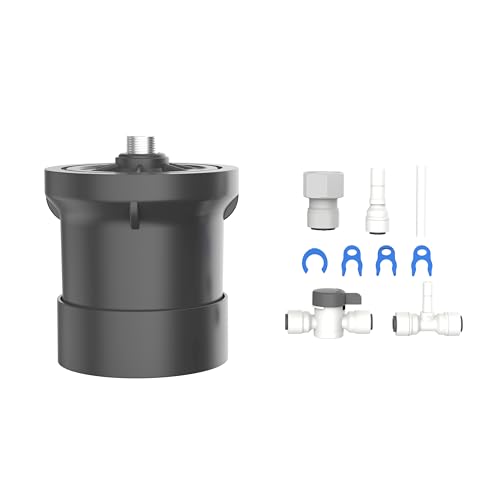
Hydrovos Mini Water Pressure Tank for Tankless Reverse Osmosis System, Use with All Refrigerator Ice Makers, Fits 1/4" Water Tubing, Uninterrupted Flow of Water, Eliminates delay from Tankless RO
SATISFYING FLOW FROM FAUCET – From the first drop! Hydrovos’ Mini-Tank for Tankless RO systems effectively provides high…
As an affiliate, we earn on qualifying purchases.
As an affiliate, we earn on qualifying purchases.
The Design Considerations for Effective Surge Tanks

Designing effective surge tanks requires careful consideration of system parameters to guarantee they can adequately absorb pressure fluctuations. You need to evaluate flow rates, pressure ranges, and system response times. Proper sizing is essential: too small, and the tank won’t mitigate surges; too large, and it becomes inefficient. Material selection impacts durability and maintenance. Placement matters—install the tank where pressure changes are most significant.
| Parameter | Consideration | Impact |
|---|---|---|
| Size | Match with flow and pressure variations | Prevents over/under-absorption |
| Location | Near high-pressure zones | Reduces pressure spikes |
| Material | Corrosion resistance and strength | Ensures longevity |
Types of Balance Tanks and Their Applications
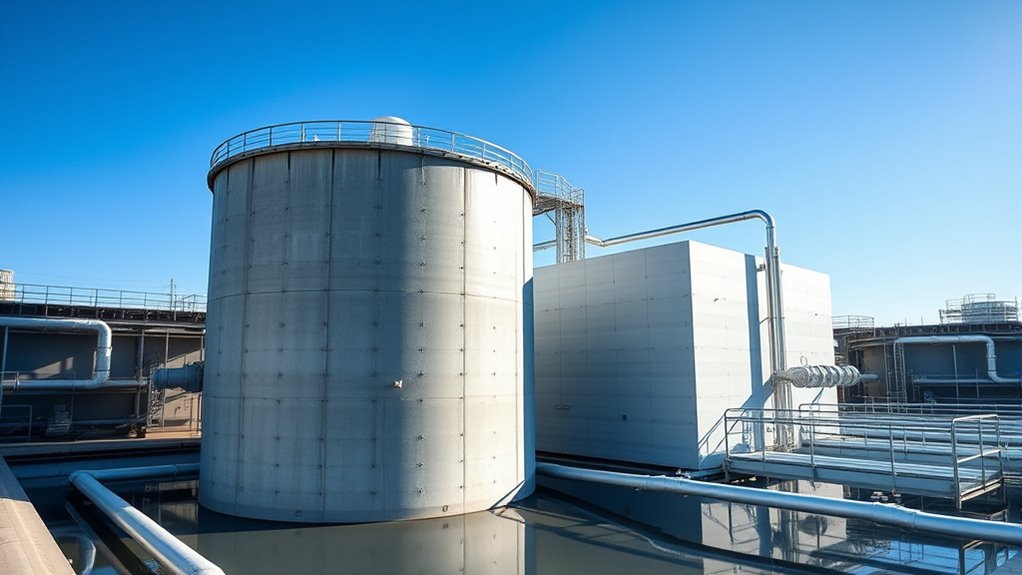
Key applications include:
Key applications include water level management, flow stabilization, and thermal expansion control.
- Managing water level fluctuations in large fountains and aquariums
- Stabilizing flow and pressure in industrial piping systems
- Controlling thermal expansion in heating or cooling water loops
- The selection process often considers popular juice brands that emphasize quality and reliability to ensure system durability and performance.
Integrating Surge and Balance Tanks in Large Water Features
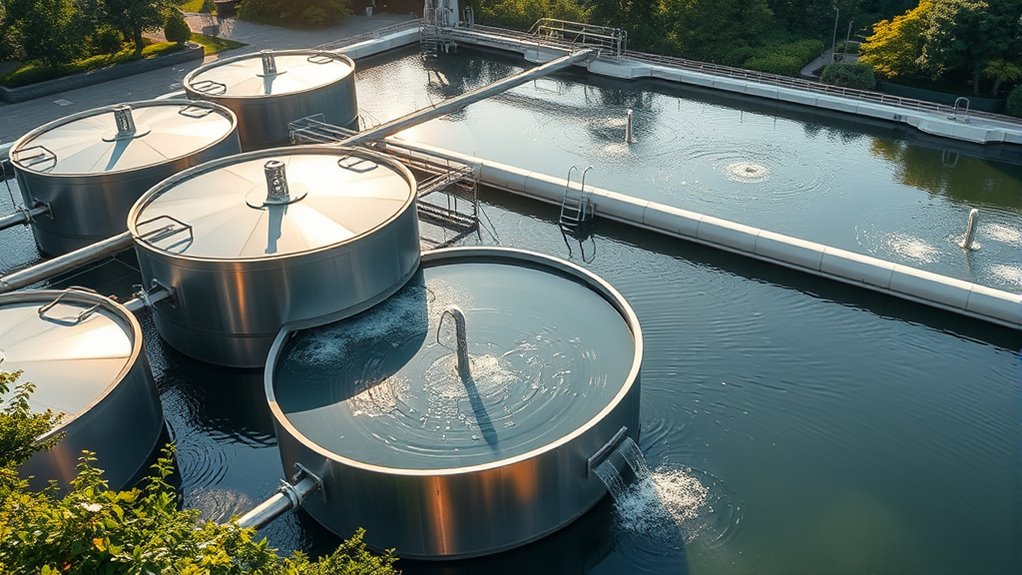
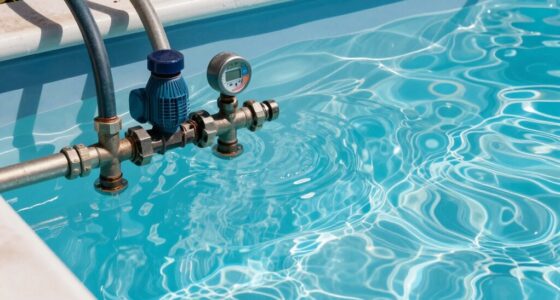
When integrating surge and balance tanks into large water features, strategic placement is vital to optimize performance and minimize vibrations. You’ll need to carefully balance water flow dynamics to prevent pressure fluctuations and guarantee smooth operation. Regular maintenance and monitoring are indispensable to keep the system reliable and efficient over time. Implementing real-time monitoring systems can further enhance system reliability by providing immediate alerts to potential issues.
Surge Tank Placement Strategies
Integrating surge and balance tanks effectively requires careful consideration of their placement within large water features. Positioning these tanks correctly ensures ideal flow control, minimizes pressure spikes, and maintains aesthetic harmony. You should locate surge tanks near high-flow or pressure-varying areas to absorb sudden changes. Balance tanks, on the other hand, are best placed at points where water level stability is critical, such as near pumps or outlets. Proper placement reduces strain on equipment and enhances overall system performance. Consider the following to refine your strategy:
- Proximity to critical control points for immediate response
- Ease of access for maintenance and inspection
- Alignment with overall water flow pathways for efficiency
- Incorporating total‑cost clarity into your planning helps optimize long-term maintenance and operational expenses.
Balancing Water Flow Dynamics
Balancing water flow dynamics in large water features requires carefully coordinating surge and balance tanks to guarantee smooth operation. You need to assure that water moves steadily without sudden pressure changes or flow disruptions. Proper integration involves aligning tank capacities, control valves, and pump operations so water levels remain stable. Surge tanks absorb sudden pressure fluctuations caused by pump start-ups or shut-downs, while balance tanks regulate long-term flow consistency. By designing a system where surge tanks handle quick pressure variations and balance tanks maintain overall flow stability, you prevent water hammer, reduce equipment wear, and improve visual performance. Additionally, understanding the importance of hydraulic stability can help optimize the entire system’s efficiency. It’s essential to monitor flow rates and adjust controls dynamically, ensuring the entire water feature operates seamlessly and maintains aesthetic appeal without interruptions.
Maintenance and Monitoring
To guarantee the reliable performance of large water features, regular maintenance and vigilant monitoring of surge and balance tanks are essential. You should routinely inspect for corrosion, leaks, and sediment buildup that can impair tank function. Monitoring tank levels and flow rates helps detect irregularities early, preventing system failure. Implement a schedule for cleaning filters and checking valves to maintain ideal operation. Use automated sensors and data logging to track performance trends over time. Additionally, consulting vetted professional recommendations can help optimize maintenance routines and ensure long-term system stability.
Maintenance and Inspection of Tank Systems
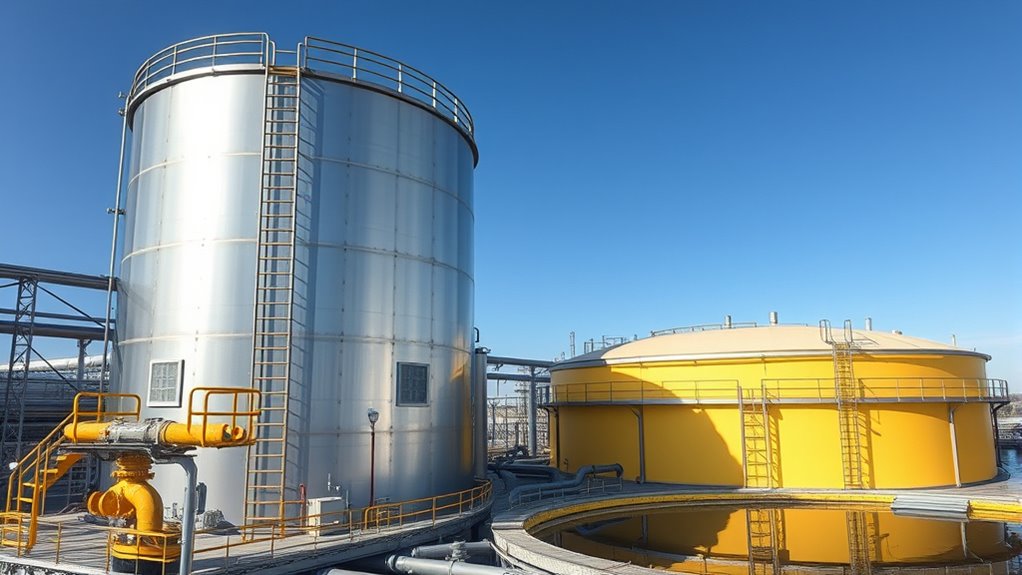
Regular maintenance and thorough inspections are essential to guarantee the reliable operation of surge tanks and balance tanks. You should routinely check for signs of corrosion, leaks, or structural damage, especially around welds and seams. Clean the tanks regularly to prevent sediment buildup that could impair function. Inspect valves, gauges, and sensors to ensure they’re working correctly and calibrated properly. Look for any unusual vibrations or noises during operation, which might indicate mechanical issues. Test safety devices like pressure relief valves to confirm they activate properly. Keep detailed records of inspections, repairs, and replacements. Promptly address any identified issues to avoid system failures or water damage. Additionally, monitoring the air quality within the tank environment can help prevent issues caused by stagnant air or moisture buildup. Keep detailed records of inspections, repairs, and replacements. Promptly address any identified issues to avoid system failures or water damage. Consistent upkeep guarantees your tank system remains efficient, safe, and long-lasting.
Benefits of Properly Sized Tanks for Water Feature Stability
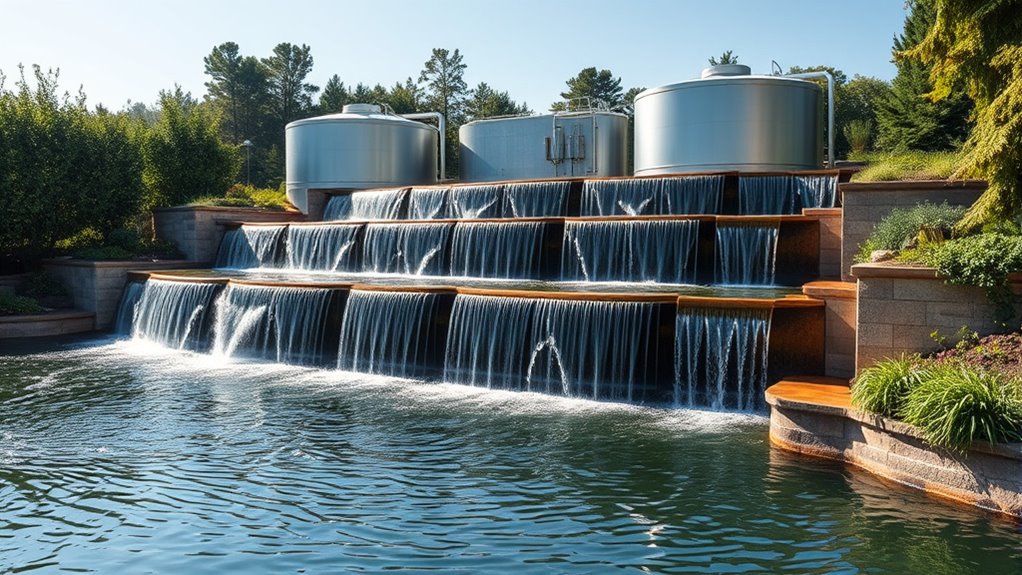
Properly sized tanks play a crucial role in maintaining the stability of water features by guaranteeing consistent water levels and flow rates. When your tanks are appropriately sized, they act as buffers, absorbing surges caused by pump fluctuations or demand changes. This prevents sudden drops or overflows, protecting the feature’s aesthetic and function. Additionally, correctly scaled tanks improve system efficiency by reducing pump cycling and energy consumption. You’ll also benefit from reduced maintenance due to minimized stress on components. Proper sizing supports longer equipment lifespan and enhances the overall visual appeal. Furthermore, selecting the appropriate headphone jack type ensures seamless compatibility with various control devices used in water feature systems.
Common Challenges and Troubleshooting in Tank Management
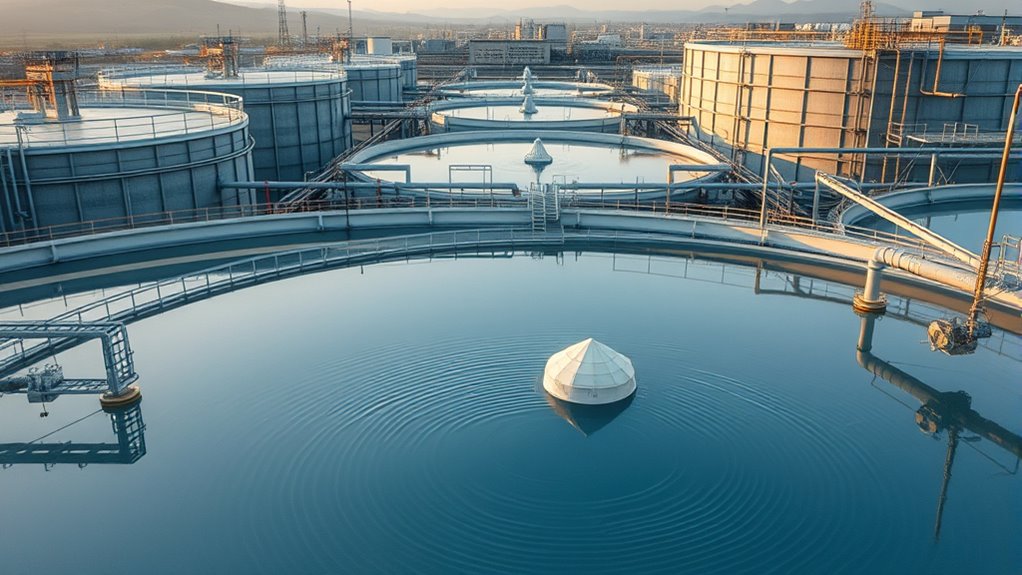
Managing tanks for water features can present various challenges, especially when issues arise unexpectedly. You might notice fluctuations in water levels, uneven flow, or pressure drops that disrupt the system’s balance. These problems often stem from incorrect tank sizing, clogged filters, or sensor malfunctions. To troubleshoot, first check for debris or blockages in pipes and filters. Ensure sensors are clean and calibrated correctly. If water levels are inconsistent, verify that your tank’s capacity matches your system’s demand. Regular maintenance, such as inspecting valves and pumps, helps prevent common failures. Monitoring system performance and addressing small issues early can save you from major disruptions later. Staying proactive with routine checks guarantees your water feature remains stable and visually appealing.
Frequently Asked Questions
How Do Surge and Balance Tanks Impact Overall Water System Efficiency?
Surge and balance tanks improve your water system’s efficiency by maintaining steady pressure and flow. They absorb sudden changes, preventing water hammer and reducing strain on pipes and pumps. This stabilization minimizes energy waste and potential damage, ensuring your system runs smoothly. As a result, you save on maintenance costs, extend equipment lifespan, and achieve reliable water delivery, making your entire setup more efficient and cost-effective.
What Are the Environmental Considerations When Installing Large Tanks?
When installing large tanks, you need to consider environmental impacts like potential water contamination, habitat disruption, and noise pollution. Make sure to conduct thorough site assessments to avoid harming local ecosystems. Use eco-friendly materials and proper containment measures to prevent leaks. Additionally, plan for efficient water use and disposal to minimize waste. By addressing these factors, you help protect the environment while maintaining system performance.
Can Surge and Balance Tanks Be Integrated With Renewable Energy Systems?
Ever wondered if surge and balance tanks can boost your renewable energy system? Absolutely! Integrating these tanks helps manage water flow and pressure fluctuations, making your system more efficient and reliable. They work seamlessly with solar or wind setups, ensuring steady water levels and protecting equipment. By incorporating surge and balance tanks, you enhance energy stability and longevity, transforming your renewable project into a more resilient and sustainable solution.
What Are the Cost Implications of Different Tank Materials?
You’ll find that tank material choices markedly impact costs. Concrete tanks tend to be more expensive upfront but offer durability and longer lifespan, reducing maintenance costs. Steel tanks are usually less expensive initially but may require more frequent repairs or coatings to prevent corrosion. Plastic tanks are the most affordable initially, ideal for smaller or temporary setups, but might not last as long. Your selection depends on your budget, project size, and long-term needs.
How Do Weather Conditions Affect Tank Performance and Longevity?
Weather conditions critically impact your tank’s performance and lifespan. Extreme temperatures cause expansion and contraction, leading to cracks or material fatigue. Heavy rain or snow can increase load stress, risking leaks or structural damage. UV exposure from sunlight accelerates degradation, especially in plastic tanks. To guarantee longevity, you should select weather-resistant materials, implement proper insulation, and schedule regular maintenance to address weather-related wear and tear promptly.
Conclusion
In the grand symphony of water features, neglecting surge and balance tanks is like turning up the volume on a screaming baby—inevitably disruptive. By understanding and maintaining these tanks, you guarantee your water system runs smoothly, avoiding costly surprises. So, go ahead, invest a little in proper tank management; after all, nothing says ‘sophistication’ like a tranquil, well-balanced water display—minus the dramatic splashes of chaos.