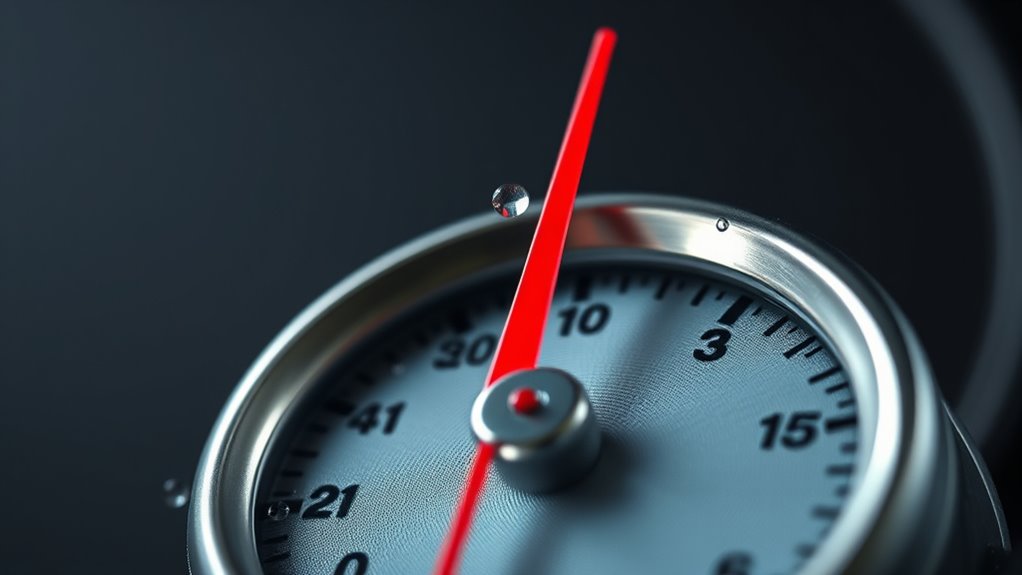

If your filter pressure gauge suddenly spikes, it signals something’s blocking or restricting flow, like a clogged filter or debris buildup. High pressure indicates the filter is working hard, while low pressure may mean it’s clean or there’s a flow problem elsewhere. External factors like air leaks or system design also impact readings. To prevent damage, you need to understand what these fluctuations mean—keep going to learn how to troubleshoot and maintain your system effectively.

Get pool and patio gear delivered free — and shop member deals
- Fast, free delivery on millions of items
- Access to Prime Big Deal Days deals on October 6–7
- Prime Video, Amazon Music and more included
Key Takeaways
- A sudden increase indicates a clog or blockage, forcing the system to work harder and raising pressure.
- Persistent pressure spikes may signal valve malfunctions or pump issues affecting flow stability.
- Rapid or steady rising pressure suggests debris buildup or filter media becoming increasingly restrictive.
- Normal fluctuations are expected during startup or flow changes; sharp, sustained spikes are warning signs.
- Regular monitoring and maintenance help interpret gauge readings and prevent damage from unrecognized pressure issues.
As an affiliate, we earn on qualifying purchases.
Understanding Filter Pressure and Its Importance
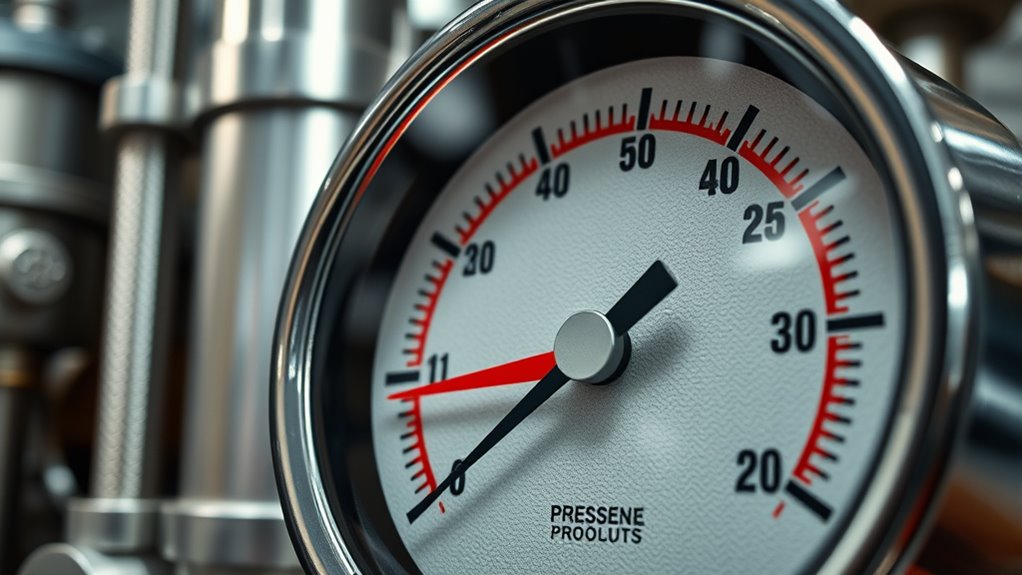
Understanding filter pressure is essential because it directly affects the performance and longevity of your filtration system. When pressure is too high, it indicates the filter is working hard to push water through a clogged or dirty media, which can strain the system. Conversely, low pressure suggests the filter might be clean or there’s a flow issue elsewhere. Monitoring this pressure helps you determine when to clean or replace your filter, preventing damage and maintaining ideal flow. Proper pressure ensures your system operates efficiently, saving energy and reducing maintenance costs. Ignoring pressure readings can lead to equipment failure or poor water quality. Additionally, understanding filter media and its condition is crucial for effective maintenance. By understanding what your gauge indicates, you can take proactive steps to keep your filtration system running smoothly.
As an affiliate, we earn on qualifying purchases.
Common Causes of Pressure Spikes
Pressure spikes often come from simple issues like blockages and clogs that restrict flow, or valve malfunctions that disrupt normal operation. Pump problems can also cause sudden increases in pressure, especially if the equipment isn’t functioning correctly. Identifying these common causes helps you take quick action to prevent damage and maintain system efficiency. Additionally, monitoring system performance and ensuring proper calibration can help in early detection and prevention of pressure fluctuations.
Blockages and Clogs
Blockages and clogs are among the most common causes of sudden pressure spikes in a filter system. When debris, dirt, or algae accumulate, they restrict water flow, forcing pressure to rise quickly. Over time, filters trap particles that can build up, especially if you haven’t cleaned or replaced them regularly. You might notice the gauge reading higher than normal, signaling a blockage. These obstructions decrease system efficiency and can even cause damage if left unchecked. To prevent this, inspect your filters regularly, remove debris promptly, and replace filters according to the manufacturer’s schedule. Recognizing early signs of clogs helps you maintain steady pressure and ensures your system runs smoothly, avoiding costly repairs or system failure.
Valve Malfunctions
While debris buildup can cause pressure spikes by clogging filters, malfunctioning valves are another common culprit. When valves don’t open or close properly, they can restrict or suddenly release flow, causing abrupt pressure changes. For example, a stuck or partially closed valve can create a bottleneck, leading to elevated pressure upstream. Conversely, a valve that fails to close completely may cause pressure drops or surges. To diagnose valve issues, look for:
- Inconsistent operation or sticking parts
- Leaking seals or fittings
- Improper valve adjustments or misalignments
Addressing these problems promptly ensures smooth operation and prevents pressure spikes that could damage your system. Regular maintenance and inspection of valves are essential to keep pressure levels steady and your system running efficiently. Additionally, understanding the potential risks in merchant services can help in managing operational vulnerabilities that could impact your system’s reliability.
Pump Issues
Pump issues are a common cause of pressure spikes in your system. If your pump is malfunctioning, it can cause sudden increases in pressure as it struggles to move water effectively. A worn or damaged impeller can create uneven flow, leading to pressure fluctuations. Air leaks in the pump housing or suction line can also cause inconsistent pressure readings. Additionally, a clogged or failing pump impeller may generate excessive resistance, resulting in spikes. Sometimes, the pump’s motor may run at improper speeds due to electrical issues, causing pressure irregularities. Regular inspection and maintenance of your pump can prevent these problems. Keep an eye on unusual noises, vibrations, or inconsistent flow, which often signal pump issues that could be causing pressure spikes. Ensuring proper pump maintenance routines can help maintain consistent pressure levels and extend the lifespan of your equipment.
hydraulic system pressure tester
As an affiliate, we earn on qualifying purchases.
As an affiliate, we earn on qualifying purchases.
Signs That Indicate a Clogged Filter
Have you noticed any sudden changes in your system’s performance? A clogged filter can cause pressure spikes and reduce efficiency. Look out for these signs:
Clogged filters can cause pressure spikes and reduce system efficiency—watch for signs like low flow and unusual noises.
- Reduced water flow or pressure, making tasks take longer
- Unusual noises, like banging or rattling, indicating strain on the system
- Frequent system shutdowns or alarms signaling blocked pathways
If any of these symptoms appear, your filter might be clogged. This buildup restricts flow, forcing your system to work harder and potentially damaging components over time. Regularly inspecting and replacing filters can prevent pressure issues and maintain ideal performance. Pay close attention to these signs to catch problems early and avoid costly repairs. Staying vigilant helps keep your system running smoothly and efficiently. Additionally, proper filter maintenance is essential for preventing buildup and ensuring optimal operation.
industrial filter pressure monitor
As an affiliate, we earn on qualifying purchases.
As an affiliate, we earn on qualifying purchases.
How System Factors Influence Pressure Readings
System factors such as pipe diameter, elevation changes, and flow restrictions directly impact pressure readings. Narrower pipes increase resistance, causing higher pressure upstream and lower pressure downstream. Elevation changes, like rising or falling terrain, affect pressure due to gravity; climbing elevates pressure, descending reduces it. Flow restrictions, such as bends, valves, or partially closed outlets, create pressure drops as water struggles to pass through. These elements can cause fluctuations that mimic or mask filter issues, leading to misinterpretation of pressure spikes. Understanding how your system’s layout and components influence readings helps you distinguish between normal variations and genuine problems. Additionally, system design plays a crucial role in pressure behavior, affecting how readings fluctuate under different conditions. Recognizing these factors ensures you don’t mistake system design for filter clogging, allowing for more accurate diagnosis and effective maintenance.
The Role of Air Bubbles and Leaks in Pressure Fluctuations
Air bubbles and leaks are common culprits behind sudden pressure fluctuations in your system. When air enters the lines, it can cause inconsistent pressure readings, making the gauge unreliable. Similarly, leaks allow pressure to escape, resulting in sudden drops or spikes. These issues often occur without obvious signs, but their effects can be significant. To identify problems, consider these factors:
- Air Entrapment: Air pockets can form in filters or valves, disrupting flow and causing pressure swings.
- Leaks at Connections: Loose fittings or damaged seals can introduce air or allow pressure loss.
- Bubble Formation: Improper priming or fluid turbulence can trap air, leading to fluctuating readings.
- System Maintenance: Regular inspection and proper system maintenance can prevent these issues from arising.
Addressing these issues requires careful inspection, tightening connections, and ensuring proper priming, helping stabilize system pressure.
Differentiating Between Normal Variations and Problematic Spikes

You need to learn how to tell the difference between normal pressure changes and actual problems. Recognizing natural fluctuations helps prevent unnecessary alarms, while identifying warning signs guarantees you catch issues early. Staying alert to these signs keeps your system running smoothly and avoids costly repairs. Understanding system efficiency can also guide you in maintaining optimal performance over time.
Recognizing Natural Fluctuations
While pressure fluctuations are common in filter systems, not every spike indicates a problem. Recognizing natural fluctuations helps you avoid unnecessary worry or maintenance. These variations often occur due to routine factors, such as changes in flow rate, temperature, or system start-up. To distinguish normal shifts from issues, consider these points:
- Flow Rate Changes: Increased or decreased flow temporarily alters pressure.
- Temperature Variations: Cooler or warmer water affects system pressure slightly.
- System Cycles: Regular on/off cycles cause predictable pressure dips and rises.
- Nail Styles Names can also influence how systems respond to different conditions, impacting pressure readings subtly.
Identifying Warning Signs
Distinguishing between normal pressure fluctuations and problematic spikes requires careful observation. Watch for sudden, sharp increases that last longer than a few seconds, as these often signal an issue. If your gauge shows pressure rising steadily over time or hitting unusually high levels, it’s a warning sign. Conversely, minor, brief variations are typical and usually harmless. Pay attention to patterns—repeated spikes may indicate a clogged filter or other system problems. Unusual pressure drops can also signal blockages or leaks. Keep a log of pressure changes to spot trends. If you notice persistent or severe spikes, don’t ignore them. Addressing these early can prevent equipment damage, costly repairs, and ensure your system runs smoothly. Your gauge isn’t just a number—it’s telling you when something needs attention. Incorporating consistent monitoring and routine inspections can help maintain optimal system performance.
Steps to Take When You Notice Sudden Pressure Increases
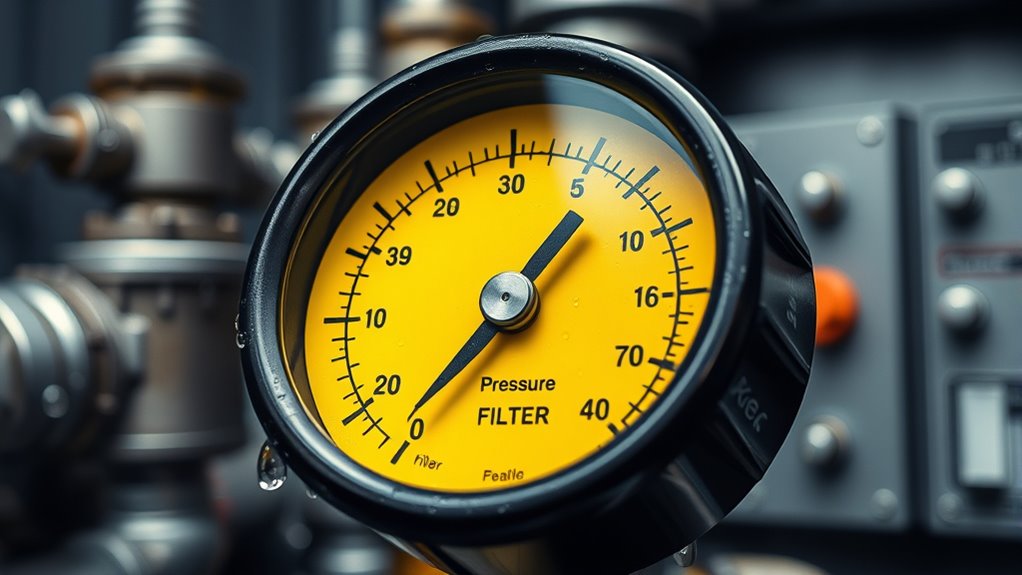
When you notice a sudden increase in filter pressure, it’s crucial to act quickly to prevent equipment damage or system failure. First, turn off the system to avoid further strain. Next, inspect the filter for blockages or debris that could be causing the pressure spike. Finally, perform a visual check of the gauge and connections for leaks or damage.
Consider these steps:
- Replace or clean the filter if it’s clogged or dirty
- Check for any obstructions in the piping or flow paths
- Verify the integrity of the pressure gauge and connections
Taking immediate action helps prevent costly repairs and ensures your system continues to operate smoothly. Regular monitoring and prompt responses are key to maintaining maximum performance.
Preventative Maintenance to Avoid Pressure Issues
Regular preventative maintenance is essential for minimizing pressure issues and ensuring your system runs efficiently. You should regularly inspect and clean your filters to prevent buildup that can cause pressure spikes. Check for signs of wear or damage and replace parts as needed to keep everything functioning smoothly. Lubricate moving parts to reduce strain on your system, and ensure all connections are tight to prevent leaks that can alter pressure levels. Keeping your system clean and well-maintained helps avoid sudden pressure increases that could damage components. Schedule routine maintenance according to the manufacturer’s recommendations, and don’t ignore small issues—they can escalate into bigger problems. Consistent upkeep saves you time and money by preventing pressure-related failures and keeping your system running reliably.
When to Replace Your Filter Based on Pressure Trends
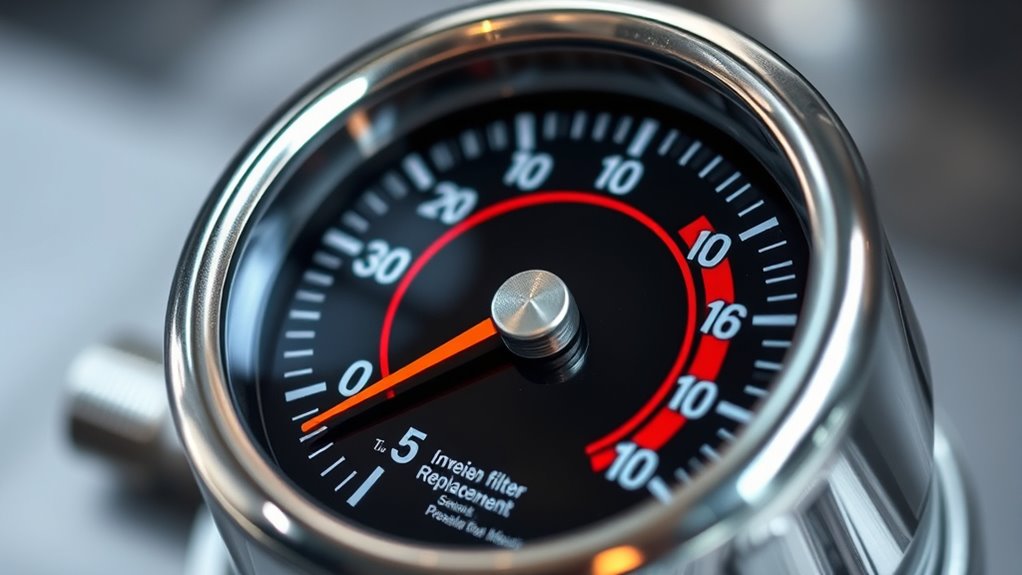
Monitoring pressure trends in your system provides valuable insights into when your filter needs replacement. Typically, you’ll notice a steady rise in pressure as the filter accumulates debris. When pressure approaches 8-10 psi above the baseline, it’s time for a change. Look for sudden spikes or irregular fluctuations, which indicate clogging or system strain. Regularly reviewing your pressure readings helps you identify these patterns early, preventing damage or downtime.
Consider replacing your filter when:
- Pressure consistently stays high despite system restarts
- Spike surpasses manufacturer-recommended limits
- You experience a noticeable drop in system performance
Sticking to these indicators ensures ideal filtration and prevents costly repairs. Consistent monitoring allows you to act before pressure issues escalate, maintaining system health and efficiency.
Tips for Monitoring and Interpreting Your Pressure Gauge Effectively
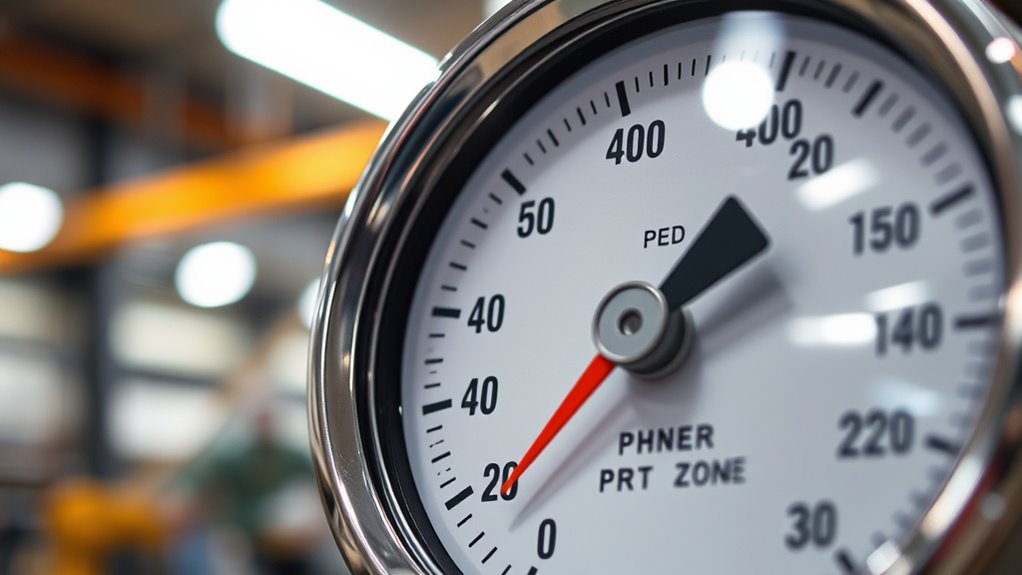
To make certain you catch pressure issues early, understanding how to read and interpret your pressure gauge correctly is essential. First, familiarize yourself with the normal operating range for your system. Watch for sudden spikes or drops—these often indicate blockages or leaks. Consistent high readings suggest a filter is clogging, while fluctuating pressures may signal irregular flow. Keep a log of pressure readings over time to identify trends. When you notice a sudden increase, act quickly to prevent system damage. Always ensure your gauge is calibrated and functioning properly. By regularly checking your gauge and understanding what the readings mean, you can address problems early, keep your system running smoothly, and avoid costly repairs or downtime.
Frequently Asked Questions
How Often Should I Check My Filter Pressure Gauge?
You should check your filter pressure gauge at least once a month, or more often if you notice any changes in your system’s performance. Regular monitoring helps catch pressure spikes early, preventing damage or inefficiency. If the gauge shows higher-than-normal pressure, clean or replace the filter promptly. Staying vigilant guarantees your equipment runs smoothly and extends its lifespan, saving you time and money in the long run.
Can Temperature Changes Affect Pressure Readings?
Yes, temperature changes can affect pressure readings on your gauge. When temperatures rise, the air or fluid inside the system expands, causing pressure to increase. Conversely, cooler temperatures cause contraction, lowering pressure. These fluctuations are normal, but if you notice sudden, extreme changes, it might indicate a problem. Always consider temperature as a factor when interpreting your pressure gauge to guarantee accurate assessments.
What Tools Are Recommended for Troubleshooting Pressure Spikes?
You should use a digital manometer or pressure gauge to troubleshoot pressure spikes accurately. These tools help you monitor real-time pressure changes precisely. Additionally, a flow meter can identify flow inconsistencies causing spikes. Always check for leaks, blockages, or faulty sensors. Using these tools, you can pinpoint the exact cause of pressure fluctuations, making repairs more efficient and preventing potential system damage.
Are There Specific Filters More Prone to Pressure Issues?
Yes, high-efficiency filters and those with finer pore sizes tend to be more prone to pressure issues. Their tighter filtration requires more force to push water through, which can cause pressure spikes, especially if they’re clogged or not maintained properly. Regularly checking and replacing these filters helps prevent pressure buildup. Keep an eye on your gauge and act promptly when you notice pressure rises to avoid system damage.
How Does Filter Material Impact Pressure Stability?
Filter material dramatically impacts pressure stability—you’ll notice it instantly. If you choose the wrong material, like a dense, rigid filter, it can cause pressure to skyrocket, making your system work overtime. Softer, more porous materials allow water to flow smoothly, preventing those annoying pressure spikes. So, pick your filter material wisely; it’s the secret to maintaining steady pressure and avoiding costly system issues.
Conclusion
By paying close attention to your filter pressure gauge, you’ll catch issues before they escalate—sometimes just when you least expect it. A sudden spike might seem like bad luck, but it’s often a coincidence signaling you to act. Regular checks and maintenance help you stay ahead, ensuring your system runs smoothly. Ultimately, understanding these pressure fluctuations isn’t just about avoiding problems; it’s about recognizing the subtle signals your equipment is quietly sending you.
Fall Picks
fall essentials
As an affiliate, we earn on qualifying purchases.