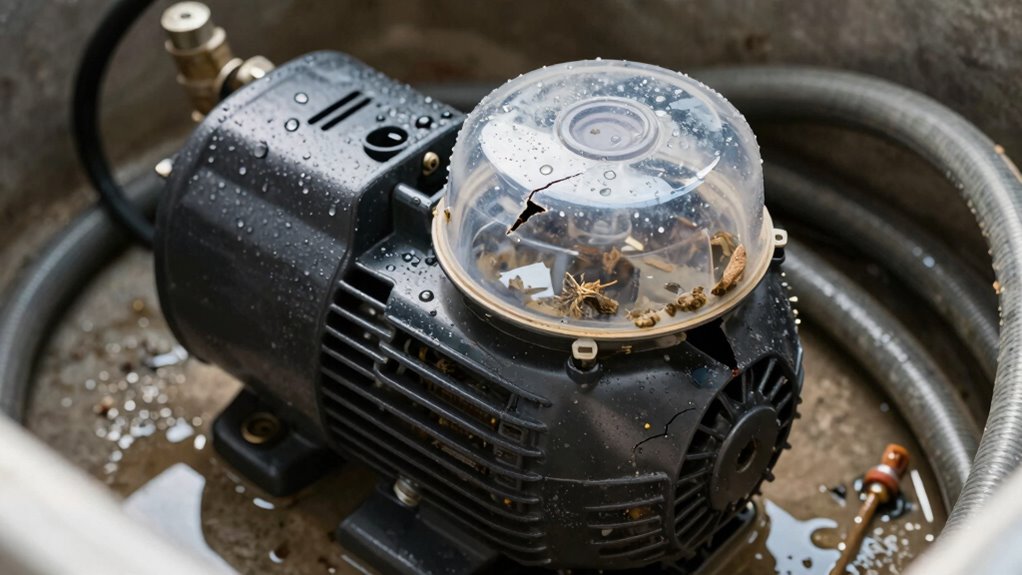
If your pool pump won’t prime, the issue could be air leaks in connections, damaged gaskets, or cracks in lines that let air enter the system. Low water levels, clogged filters, or blocked lines can also prevent proper priming. Sometimes, faulty pump seals or improper sealing of the pump lid cause problems. To fix these issues, you need to inspect, seal, or replace parts. Keep going to learn more about solving each cause effectively.
Key Takeaways
- Air leaks from cracked or loose fittings, pump lid gasket, or suction lines prevent proper priming.
- Low water levels below the skimmer or inlet cause the pump to lose prime and draw in air.
- Damaged or worn pump gaskets, seals, or cracked lids allow air entry, disrupting water flow.
- Blockages in lines or debris in the pump basket hinder water circulation and cause priming failure.
- Regular inspection, sealing, cleaning, and maintaining water levels help prevent priming issues.

O-Ring Rebuild Repair Kit, for Pentair WhisperFlo/IntelliFlo Pool Pump Seal Gasket, Drain Plug/Lid/Diffuser O-Rings, Impeller Gasket, PS-1000 Shaft Seal, Fits Pumps Built 2-1-2008 and Later Series
Fits Pentair Whisperflo Weal Kit:356198 Seal Set for Pentair replacement parts, Compatible with Pentair WhisperFlo / IntelliFlo pumps…
As an affiliate, we earn on qualifying purchases.
As an affiliate, we earn on qualifying purchases.
How to Check for Air Leaks in Your Pool Pump
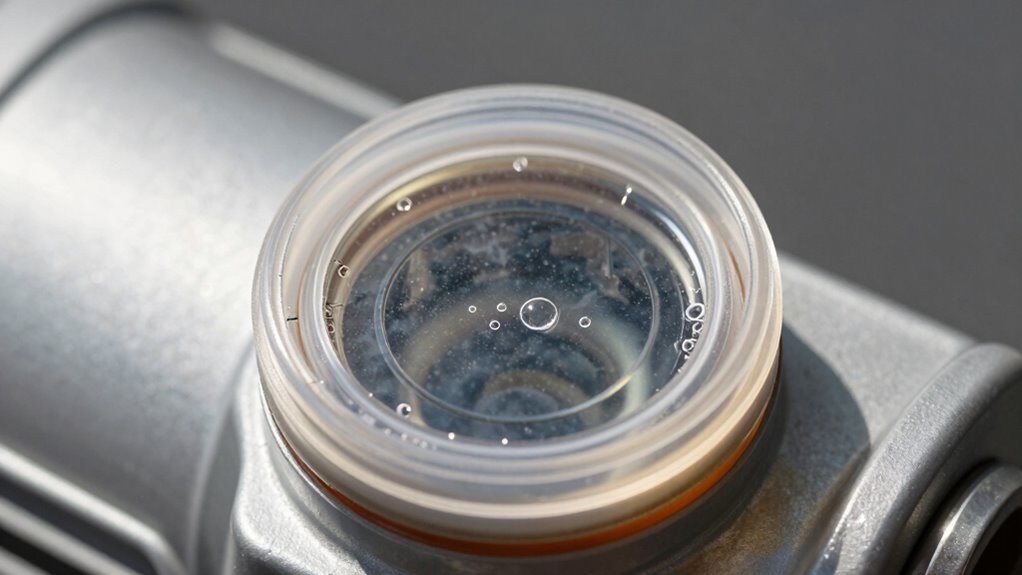
If your pool pump isn’t priming properly, air leaks are often the culprit. Start by inspecting all connections, hoses, and fittings for cracks or loose clamps. Even small leaks can cause air to enter the pump, preventing proper priming. Check the pump lid gasket for cracks or warping, as a poor seal allows air to escape. Ensure the pool’s chemical balance is maintained; improper chemical levels can corrode parts and lead to leaks. Also, verify heater compatibility, since incompatible heaters can create pressure issues that affect priming. Tighten fittings carefully, replace damaged gaskets, and make certain the pump is sealed tightly. Regularly inspecting these areas helps prevent air leaks, keeping your pump primed and functioning efficiently. Additionally, understanding how Free Floating can influence your pool system may help identify less obvious sources of air entry. Proper pump maintenance can also prevent leaks and ensure optimal priming performance. Being aware of air leaks and their causes allows for more targeted troubleshooting and effective repairs. Addressing air leak detection proactively can save time and prevent further damage to your pool equipment. Performing routine checks on your system’s seals and gaskets can further reduce the risk of air entering the pump.

Dimakung Sand Filter Pump Seal Gasket Parts, Replacement Repair Set Compatible with Intex Sand Filter Pumps, Air Release Valve & O-Rings (Black)
【Sand Filter Pump Seal】Sand filter pump gasket compatible with Intex sand filter pumps, air release valve & o-rings….
As an affiliate, we earn on qualifying purchases.
As an affiliate, we earn on qualifying purchases.
Why Low Water Levels Can Keep Your Pool Pump From Priming
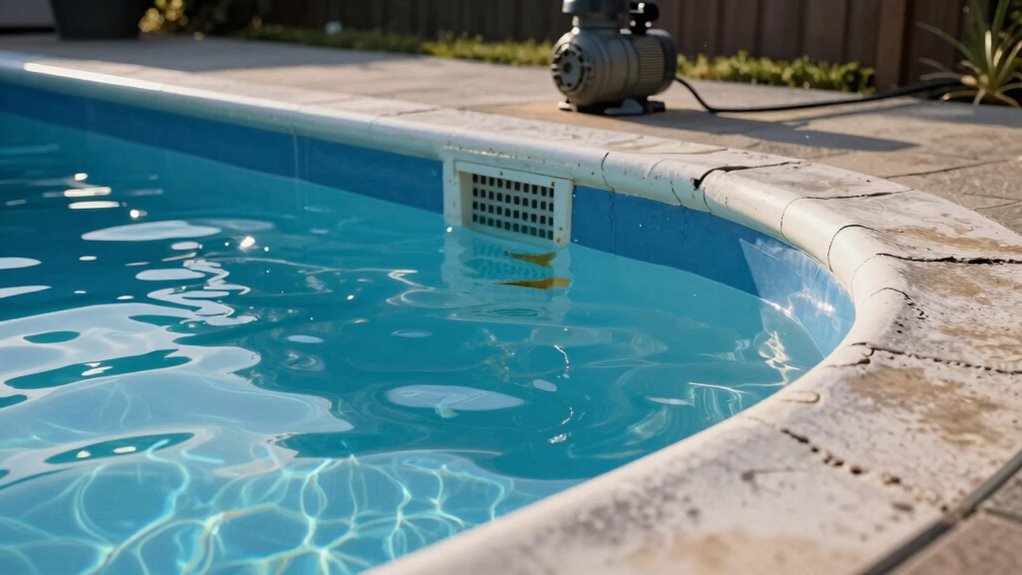
Low water levels in your pool can prevent your pump from priming properly, even if all the connections and seals are tight. When the water level drops below the skimmer or pump inlet, the pump struggles to draw water, causing it to lose its prime. This can lead to a cycle of air getting into the system, making it harder for the pump to restart. Additionally, a low water level can trigger sensor malfunction, where the pump’s water level sensor fails to detect adequate water, stopping operation to prevent damage. To fix this, simply add water to bring the level above the skimmer or inlet, ensuring proper water flow. Regularly monitoring water levels helps prevent priming issues caused by low water.

Wireless Automatic Pool Water Level Control System with Three Modes and 500ft Range Ideal for Pools Spas and Water Tanks
AUTOMATIC WATER REFILL FUNCTION: The water level sensor monitors the water level and triggers the valve controller to…
As an affiliate, we earn on qualifying purchases.
As an affiliate, we earn on qualifying purchases.
How to Clean and Maintain Strainers for Better Pump Performance
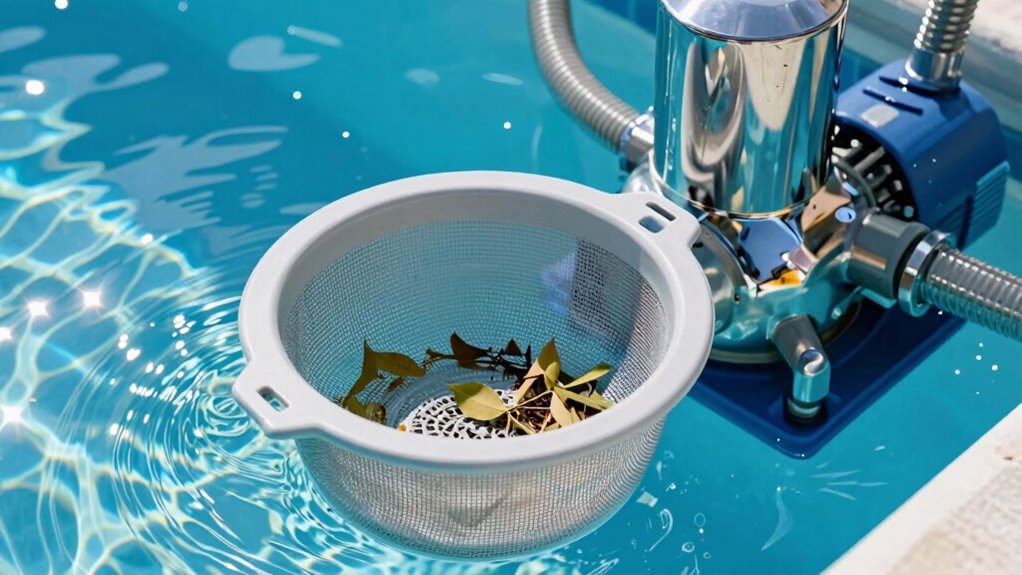
Regularly cleaning and maintaining your pool’s strainers is essential for ideal pump performance. Proper filter maintenance ensures debris doesn’t clog your system, which can cause priming issues. To improve pump efficiency, follow these steps:
- Remove the strainer basket and rinse it thoroughly with water to clear out leaves and debris.
- Inspect the basket for cracks or damage, replacing it if necessary to prevent leaks.
- Clean the strainer housing inside the pump, removing any buildup or dirt that could restrict water flow.
- Understanding pump mechanics can help you identify early signs of strainers clogging or other issues, enabling prompt maintenance. Recognizing cabling and connection issues early can also prevent system malfunctions and extend the lifespan of your pump.
- Regularly inspecting and monitoring system performance can help catch potential problems before they escalate, ensuring your pump operates smoothly and efficiently. Performing these steps regularly keeps your strainer in top condition, reducing strain on the pump and preventing issues related to dirty or clogged strainers. Additionally, maintaining proper filter pressure helps detect early signs of clogging, avoiding abrupt pump failures. Monitoring pressure levels is a crucial part of ongoing filter maintenance. Consistent strainer cleaning is key to smooth filter maintenance and peak pump operation.

ComfyKit 22.5in 2-in-1 Pool Skimmer Tool with Stainless Steel Hook and Detachable Fine Mesh Net, Includes Skimmer Basket Handle, for Above Ground and Inground Pools
2-in-1 Pool Cleaning Tool – Features a detachable fine mesh net on one end and a built-in stainless…
As an affiliate, we earn on qualifying purchases.
As an affiliate, we earn on qualifying purchases.
What Causes Air Bubbles in Your Pool Pump and How to Fix Them
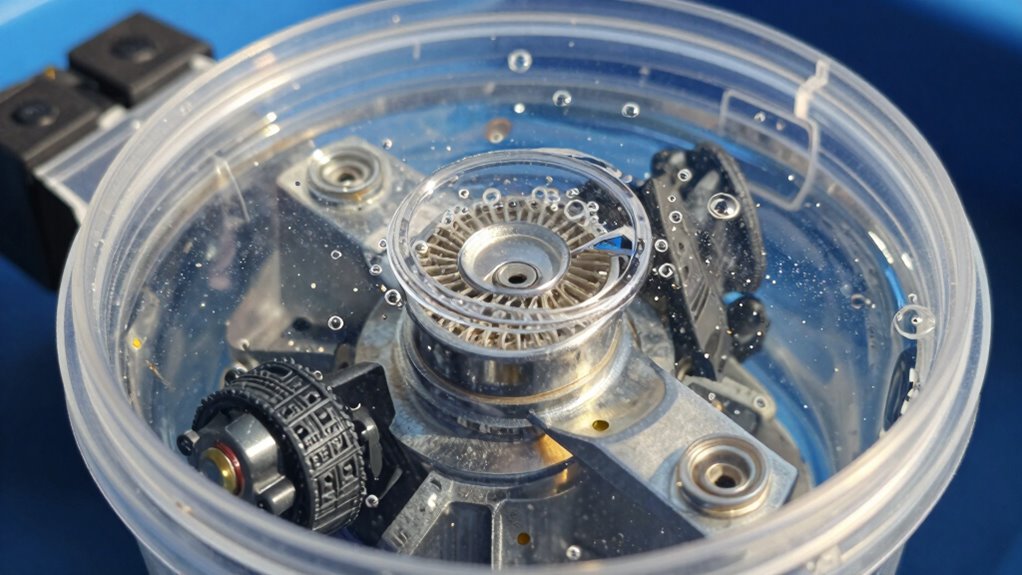
Air bubbles in your pool pump often appear when air enters the system, disrupting proper water flow. This can cause an air lock, which prevents water from circulating correctly. Common causes include a loose pump lid, cracked fittings, or leaks in the suction line. When air gets in, it forms bubbles that interfere with the pump’s ability to create a steady water flow, leading to poor filtration and circulation. To fix this, check and tighten the pump lid and fittings to ensure they’re sealed properly. Inspect for cracks or leaks and repair or replace damaged parts. Primarily, eliminating air entry points will restore smooth water flow, reduce air bubbles, and help your pool pump operate efficiently.
How to Inspect and Seal the Pump Lid Gasket
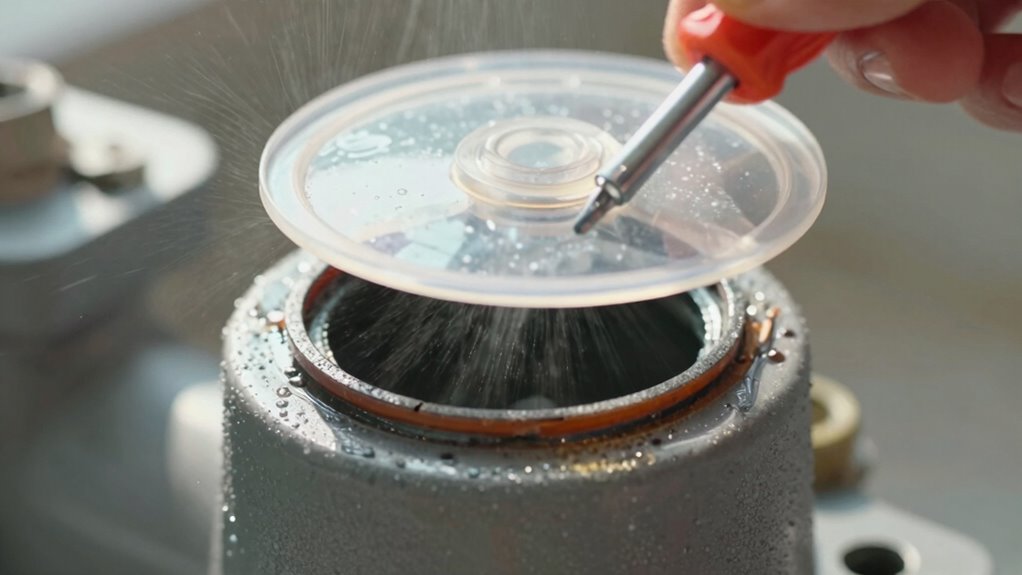
Start by checking the gasket for any signs of wear or damage, as a compromised seal can cause air leaks. Clean the seal area thoroughly to guarantee a proper fit, removing any dirt or debris. If you notice cracks or tears, replace the gasket to maintain a secure, airtight seal. Additionally, inspecting the gasket for proper indoor plant care can help prevent issues caused by humidity or improper sealing. Proper seal integrity is essential to ensure the pump primes correctly and functions efficiently. Regularly checking for mammography guidelines can also help identify early signs of issues with your pool pump system. Ensuring your air purifier maintenance dos and don’ts are followed can provide insights into proper sealing and upkeep of your equipment. Paying attention to equipment lifespan can help you schedule timely replacements and avoid prime failures.
Check Gasket Condition
Wondering how to make sure your pool pump lid gasket is in good shape? Start with a thorough gasket inspection. Look for cracks, tears, or deformities that could cause leaks. Next, verify the gasket sits evenly in its groove without any gaps or pinches. Proper gasket installation is essential to prevent leaks and maintain pressure. Additionally, check for any damage or wear that might compromise the seal over time. Regularly inspecting the gasket helps identify early signs of deterioration before leaks develop. Finally, if you notice any damage or persistent leaks during inspection, consider gasket replacement to restore a proper seal. Keeping the gasket in good condition prevents air leaks that can cause priming issues. Proper gasket material quality is also crucial for durability and effective sealing. Remember, a well-sealed lid is vital for your pump’s performance, so don’t skip this step when troubleshooting priming problems. Proper gasket care saves you time and keeps your pool clean.
Clean the Seal Area
To guarantee your pool pump lid gasket seals properly, it’s important to inspect and clean the seal area regularly. Start by removing the pump lid and examining the gasket and surrounding surface for dirt, debris, or any buildup that could prevent a tight seal. During seal inspection, look for cracks, warping, or signs of wear that might require gasket replacement. Clean the seal area thoroughly with a soft brush and a mild cleaner to remove any grime or algae. Ensuring the gasket is free of debris and properly seated helps maintain a watertight seal, preventing air leaks that can cause priming issues. Regular maintenance of the seal area keeps your pump operating smoothly and reduces the need for gasket replacement over time.
Replace Damaged Gasket
A damaged gasket can compromise your pool pump’s seal, leading to air leaks and priming issues. To fix this, inspect the gasket for cracks, tears, or warping. If damaged, it’s best to replace it promptly to prevent ongoing problems. When replacing the gasket, consider these steps:
- Remove the pump lid carefully and check for debris or residue that may hinder a proper seal.
- Clean the gasket seat thoroughly during filter replacement, ensuring no dirt or grime remains.
- Install a new gasket, making sure it fits snugly and evenly to avoid future leaks that could cause air to enter the system and impede priming. This also helps when performing motor repair or other maintenance, keeping the pump sealed tight and functioning efficiently.
Why a Faulty Pump Seal Stops Your Pump From Priming and How to Replace It
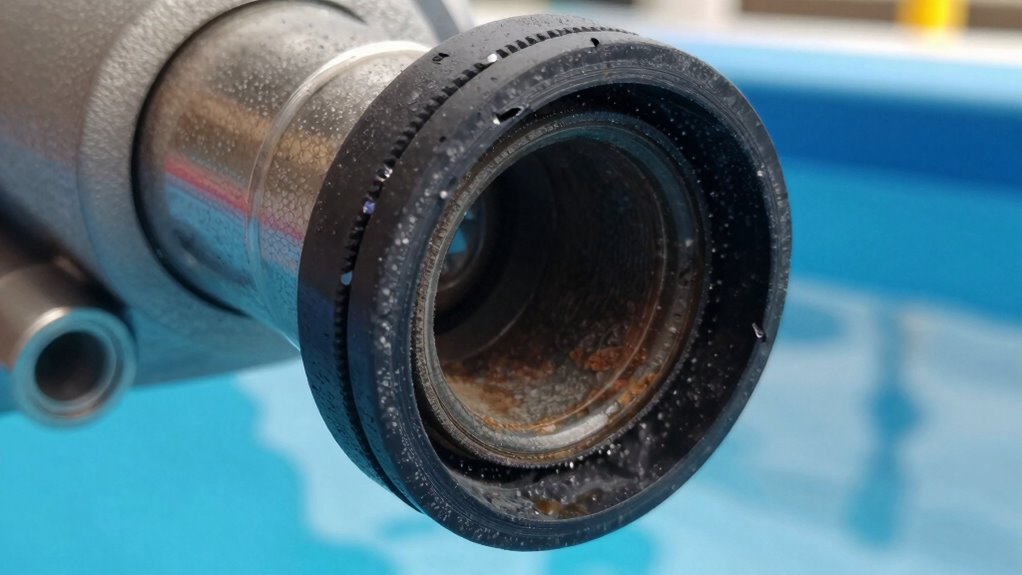
A faulty pump seal can prevent your pool pump from priming because it allows air to enter the system or water to leak out, breaking the necessary vacuum. When the pump seal is damaged, air can bypass the impeller, making it impossible to create the suction needed for priming. To fix this, you need to perform a pump seal replacement process. First, turn off the pump and drain the system. Remove the pump housing and carefully take out the old seal. Clean the sealing surfaces thoroughly. Next, install the new pump seal, ensuring it’s seated properly. Reassemble the pump housing and restore power. This replacement process restores the vacuum, allowing your pump to prime effectively and operate smoothly.
How to Clear Blockages in Your Skimmer and Pump Lines
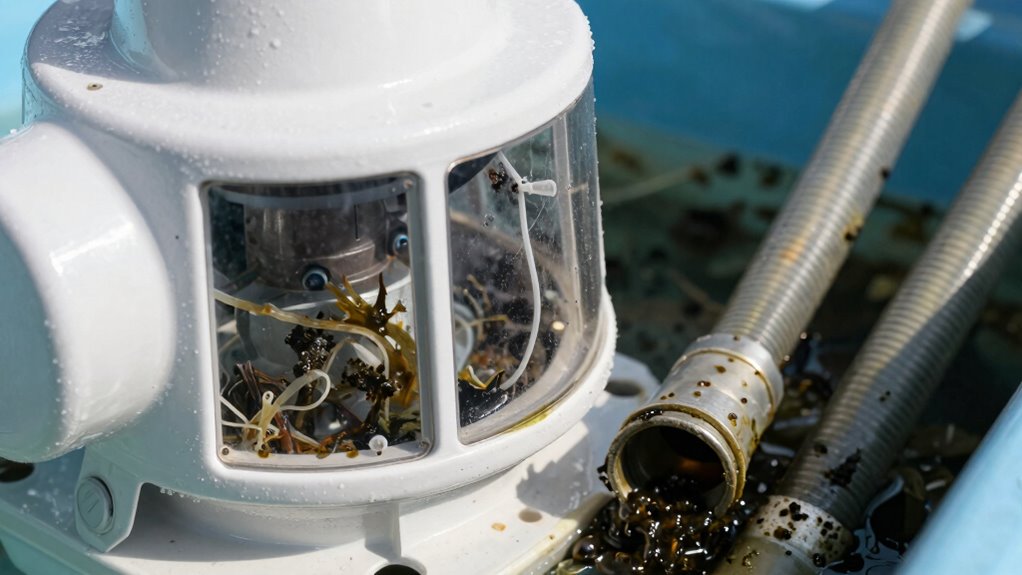
When your pool’s circulation slows down or your skimmer basket frequently overflows, blockages in the skimmer and pump lines are likely the culprit. Skimmer blockage caused by debris buildup restricts water flow, leading to poor circulation. To clear these blockages:
Blocked skimmer and pump lines can cause poor circulation and overflowing baskets. Clear debris regularly for smooth water flow.
- Remove the skimmer basket and clean out any debris, such as leaves or dirt.
- Use a pool line flush or garden hose to backwash the skimmer and pump lines, dislodging stubborn debris.
- Check for any visible obstructions in the pump’s inlet and outlet ports, clearing debris and buildup as needed.
Regular maintenance helps prevent persistent debris buildup that causes blockages. Keeping these lines clear ensures smooth water flow and proper pump priming, avoiding future priming issues.
How to Prime Your Pool Pump Manually Step-by-Step
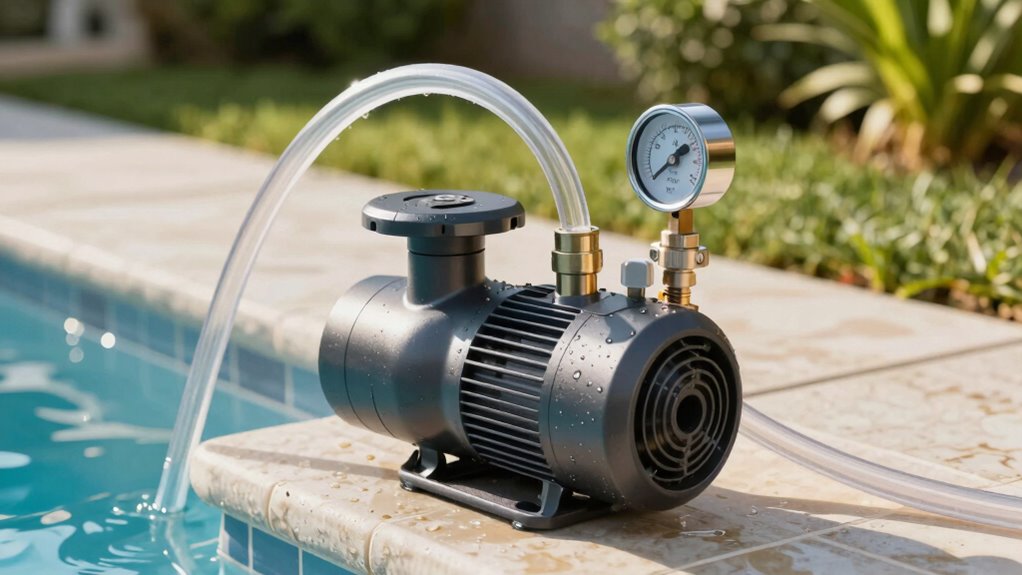
Priming your pool pump manually is a straightforward process that guarantees proper water flow and prevents damage to your system. Start by turning off the pump and opening the pump lid. Remove any debris or dirt inside. Fill the pump basket with water to create a steady water supply for priming. Next, close the lid tightly to prevent air from entering. Turn the pump back on to check if water circulation improves. If the pump still won’t prime, repeat the process, ensuring the pump basket remains filled with water. Regular pump maintenance, like checking for leaks and removing blockages, helps keep your pool’s water circulation smooth. Proper priming ensures your pump operates efficiently, extending its lifespan and maintaining clean, clear water.
Troubleshooting Persistent Priming Problems: When to Call a Professional
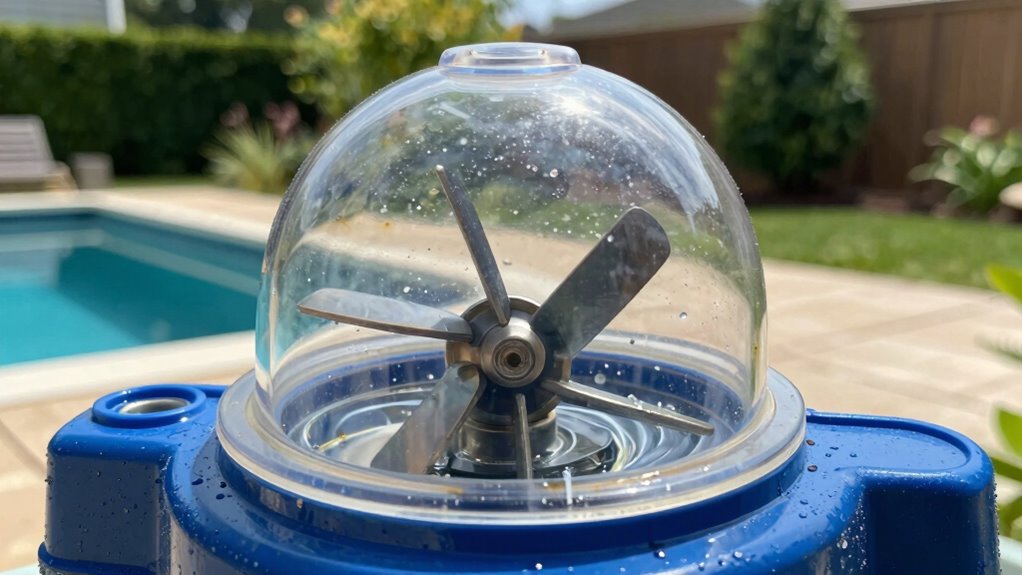
If your pool pump still won’t prime after multiple attempts, it’s time to contemplate calling a professional. Look out for signs like persistent leaks, strange noises, or a noticeable drop in water flow, which indicate you need expert help. Knowing when these issues arise can save you time and prevent further damage.
When to Seek Professional Help
Persistent priming issues can be frustrating, especially when basic troubleshooting steps haven’t resolved the problem. If your pump still struggles to prime despite checking pool chemistry and reducing pump noise, it’s time to call a professional. You should seek help if:
- You notice persistent leaks or cracks around the pump or suction lines.
- The pump makes unusual noises even after clearing debris and ensuring proper pool chemistry.
- You’ve tried multiple fixes, but the pump still won’t hold a prime or continues to cycle on and off unexpectedly.
A professional can accurately diagnose hidden leaks, electrical issues, or internal pump problems. They also ensure the system is properly balanced, preventing future priming issues linked to improper pool chemistry or mechanical faults.
Signs You Need Expert Assistance
When your pool pump continues to struggle with priming despite trying basic fixes, it’s a clear sign that professional help is needed. Persistent priming issues can indicate underlying problems with your pool’s water chemistry or filtration system that require expert diagnosis. If you notice your pump repeatedly loses prime, makes unusual noises, or if water flow remains weak despite your efforts, it’s time to call in a professional. Poor water chemistry can cause buildup or corrosion, affecting pump performance and leading to priming failures. Additionally, ongoing issues may signal leaks, faulty valves, or mechanical failures best handled by a pool maintenance specialist. Recognizing these signs early helps prevent further damage and ensures your pool’s filtration system functions efficiently.
Frequently Asked Questions
How Often Should I Check My Pool Pump for Priming Issues?
You should check your pool pump for priming issues during routine maintenance, ideally once a month or more if you notice reduced flow or strange noises. Regular troubleshooting steps, like inspecting for air leaks or clogged skimmers, help catch problems early. By staying vigilant and performing these checks regularly, you guarantee your pump runs smoothly, preventing costly repairs and keeping your pool clean and properly circulated.
Can Algae Buildup Affect My Pool Pump’s Priming Ability?
Imagine thick algae clogging your skimmer basket like green sludge blocking a narrow pipe—this can definitely affect your pump’s priming ability. Algae buildup restricts water flow, reducing pump efficiency and creating air pockets that make it hard to prime. Regularly cleaning algae from your pool and skimmer guarantees clear water pathways, helping your pump work smoothly and preventing priming issues caused by debris and algae clogs.
Is It Normal for a New Pump to Have Priming Problems?
It’s common for a new pool pump to have initial setup and priming problems. You should carefully follow the manufacturer instructions during installation to guarantee proper priming. Sometimes, air gets trapped in the system, so double-check that all connections are tight and the pump is filled with water. If issues persist, consult the manual or contact the manufacturer for specific guidance to get your pump running smoothly.
What Tools Are Needed to Fix a Faulty Pump Seal?
To fix a faulty pump seal, you need the right tools for pool seal replacement and pump seal tools. Gather a screwdriver, a socket wrench, pliers, and a seal removal tool. You’ll loosen clamps, remove damaged seals, and install new ones securely. Having these tools ready makes the process smoother, ensuring your pool pump runs properly without leaks or priming issues. Stay patient and follow instructions carefully.
Can Weather Conditions Impact My Pool Pump’s Priming Process?
Weather conditions definitely affect your pool pump’s priming process. Cold temperatures can cause water to freeze or thicken, making it harder for the pump to draw water. Conversely, hot, dry weather can lead to evaporation and air leaks, disrupting priming. Sudden weather changes or high winds can also introduce air into the system. Keep an eye on temperature impact and weather effects to maintain smooth pump operation and prevent priming issues.
Conclusion
By checking for leaks, leveling water, and sealing seals, you’ll stop stubborn priming problems in their tracks. Maintain your pump meticulously, clear blockages promptly, and master manual priming methods. When issues persist, don’t hesitate to call a pro. With patience and proper preventative care, your pool pump will perform perfectly, providing pristine, peaceful pool days. Keep these tips in mind, and you’ll prevent priming problems before they start, ensuring endless enjoyment without interruption.