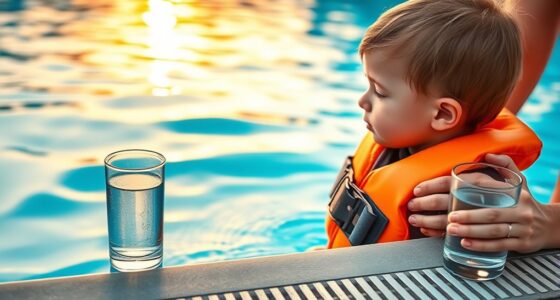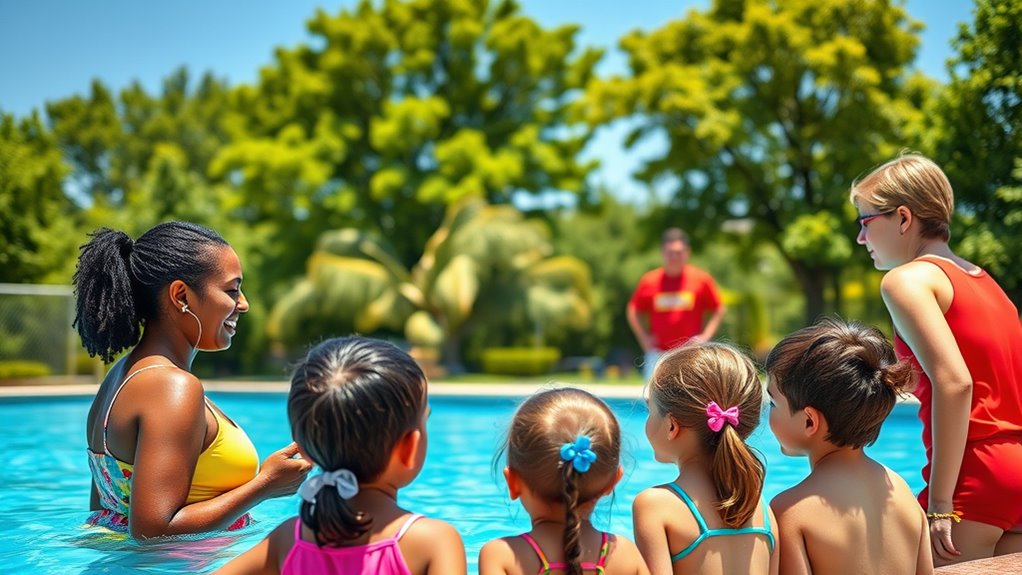

To prevent drownings, it’s crucial that your family embraces water safety education. Enroll children in swim lessons early to build confidence and essential skills, and teach them to follow safety rules around pools, lakes, and bathtubs. Always supervise children closely, install barriers like pool fences, and keep rescue equipment nearby. Learning CPR and safety tips will prepare you for emergencies, helping you protect loved ones. The more you discover about safety measures, the better prepared you’ll be to keep everyone safe around water.
Key Takeaways
- Enroll children in age-appropriate swim lessons to teach water safety skills and build confidence.
- Install safety barriers like pool fences and supervise children at all times near water.
- Educate families on recognizing water hazards and setting clear rules for water activities.
- Keep rescue equipment accessible and ensure everyone learns CPR for emergency preparedness.
- Promote ongoing vigilance and water safety education to foster lifelong safe water habits.

Drowning is a leading cause of accidental injury and death, but many of these tragedies can be prevented through effective education. As a parent or caregiver, understanding the importance of water safety is vital to protecting your loved ones. One of the most effective ways to guarantee safety around water is by enrolling children in swim lessons. These lessons teach essential skills that can make a substantial difference in emergency situations. When children learn how to swim, they gain confidence and competence in the water, reducing their risk of drowning. It’s important to start swim lessons early, as young children are naturally curious about water but often lack awareness of its dangers. Consistent training helps children develop proper techniques and understand water safety rules, such as never swimming alone or without supervision.
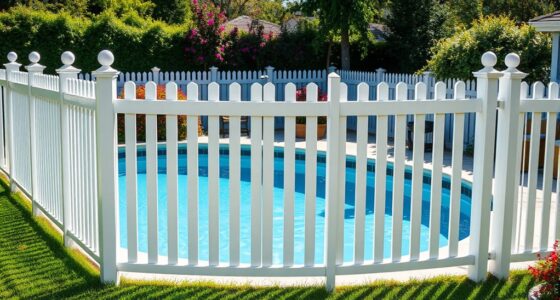
Beyond formal lessons, you should also focus on creating a safe water environment at home and in recreational areas. Install barriers like pool fences with self-closing and self-latching gates to prevent unsupervised access. Always supervise children whenever they’re near water, whether it’s a pool, bathtub, or natural body of water. Remember, even a few seconds of inattention can lead to tragedy. Keep life-saving equipment, such as life jackets, nearby and guarantee everyone in the family knows how to use them correctly. Educating your children about water safety rules is equally important. Teach them to stay within designated swimming areas, avoid running around pools, and to never dive into shallow water.
Create a safe water environment with barriers, supervision, and safety gear to prevent accidents and promote water safety awareness.
If your family participates in water activities, always prioritize safety by setting clear boundaries and establishing rules. Encourage your children to speak up if they feel uncomfortable or if they see someone in trouble. Reinforcing the message that water safety is everyone’s responsibility helps promote a culture of vigilance and care. It’s also beneficial to learn CPR and basic rescue techniques so you can respond effectively in emergencies. Many communities offer classes for parents and caregivers, which can boost your confidence and preparedness. Additionally, educating children on water safety from a young age helps ingrain lifelong safety habits.
Ultimately, drowning prevention relies on a combination of education, supervision, and safety measures. By investing in swim lessons, maintaining vigilant supervision, and creating safe environments, you can considerably reduce the risk of water-related accidents. Remember, safeguarding your family around water is an ongoing process that requires awareness and proactive steps. The effort you put into water safety today can save lives tomorrow, giving your children the skills and confidence they need to enjoy water safely.

Swim Float Kids Back Belt: Pool Safe Dual-Lock Buckle 140lbs Pull-Tested – Zero Slip-Off Risk Trainer Bubble – 4-Layer Adjustable Buoyancy for Swimmers 3-12 Yrs
SAFETY TRUST CUSTOM DUAL BUCKLES CPSIA COMPLIANCE SWIM FLOAT: Kids Floaties For Pool Safety Buckles Are Designed To…
As an affiliate, we earn on qualifying purchases.
As an affiliate, we earn on qualifying purchases.
Frequently Asked Questions
How Effective Are Community-Based Drowning Prevention Programs?
Community-based drowning prevention programs are highly effective when they include strong community outreach and ongoing program evaluation. By engaging local families, schools, and organizations, you can raise awareness and teach essential skills that reduce drowning risks. Regular program evaluation helps identify areas for improvement, ensuring the initiatives stay impactful. When you actively participate in these programs, you contribute to safer communities and help prevent tragedies before they happen.
What Are the Latest Innovations in Water Safety Technology?
You’ll find that the latest water safety tech includes smart flotation devices that automatically inflate when they detect water immersion, providing instant buoyancy. Drowning detection systems now use sensors and cameras to monitor swimmers, alerting you instantly if trouble arises. These innovations give you peace of mind, making water activities safer for everyone. By adopting smart flotation and drowning detection, you actively protect your loved ones from potential water emergencies.
How Can Schools Incorporate Drowning Prevention Into Their Curricula?
You can incorporate drowning prevention into school curricula by offering swimming lessons and dedicated water safety classes. Encourage hands-on practice, teach rescue techniques, and emphasize the importance of supervision around water. Integrate water safety topics into health or physical education, and involve community experts for demonstrations. This proactive approach guarantees students acquire essential skills, fostering confidence and awareness that can prevent drownings and save lives.
What Legal Responsibilities Do Parents Have Regarding Water Safety?
You have legal obligations to guarantee your child’s water safety, which are part of your parental duties. These include supervising your child around water, teaching them safe practices, and making sure they wear appropriate life jackets. By actively monitoring your child and providing drowning prevention education, you fulfill your legal responsibilities and help prevent accidents. Taking these steps demonstrates your commitment to your child’s safety and aligns with your parental duties.
How Do Cultural Differences Influence Drowning Prevention Strategies?
Think of drowning prevention strategies as a delicate dance; your cultural rituals and language barriers shape each step. You may find that traditional water safety practices differ across cultures, making it essential to adapt messages respectfully. By understanding these differences, you can connect more deeply, ensuring your family learns crucial skills. Embrace cultural nuances, break down language barriers, and create a safer environment where every family member feels understood and protected around water.

Pool Fence DIY by Life Saver Self-Closing Gate Kit, Black (Pack of 1)
Easy-to-install, do-it-yourself gate kit for use with the Pool Fence DIY safety system; helps keep kids safe from…
As an affiliate, we earn on qualifying purchases.
As an affiliate, we earn on qualifying purchases.
Conclusion
So, you’ve now learned how simple precautions can save lives. It’s ironic, isn’t it? We spend so much time worrying about everyday dangers, yet neglect the obvious—supervising children around water. Drowning is largely preventable, but only if you stay vigilant. Remember, a moment’s distraction can have tragic consequences. Stay alert, stay prepared, and don’t let irony be the reason you wish you’d listened. Protect your loved ones—because water waits for no one.

Adult/Child CPR Manual Resuscitation Training Kit – Includes 1 Adult/Child CPR Training Mask, 1 Adult/Child Bag Valve Squeeze Bag, 1 Reservoir Bag and 1 Oxygen Line – BMV kit
ADULT & CHILD TRAINING MASK KIT- For Training Purposes Only. Full kit for medical training including CPR training…
As an affiliate, we earn on qualifying purchases.
As an affiliate, we earn on qualifying purchases.
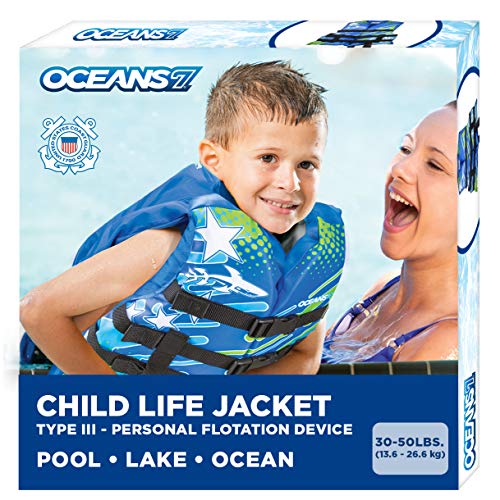
Oceans7 US Coast Guard-Approved, Type III – Kids Life Jacket – Personal Flotation Device with Comfortable Flex-Form-Fit Open-Sided Design – Blue/White
US Coast Guard-approved: Personal flotation device (PFD) passes highest USCG standards and testing; life jackets are labeled for…
As an affiliate, we earn on qualifying purchases.
As an affiliate, we earn on qualifying purchases.