Sensor drift can fool your smart water monitoring system by gradually skewing sensor readings, making false data appear as real water quality changes. This can lead you to overlook genuine issues or waste resources investigating false alarms. Over time, drift can cause your system to rely on inaccurate information, compromising decision-making. If you want to understand exactly how to prevent this from happening and keep your system reliable, there’s more you should know.
Listen free for 30 days with Audible
Thousands of audiobooks and originals — cancel anytime.
As an affiliate, we earn on qualifying purchases.
Key Takeaways
- Sensor drift causes false deviations in water quality data, misleading monitoring systems into inaccurate readings.
- Drift-induced false alarms can divert resources and hide genuine water safety issues.
- Unnoticed drift skews baseline measurements, compromising anomaly detection and early warning systems.
- Without proper calibration, drift can cause sensors to appear functional while providing unreliable data.
- Advanced algorithms may misinterpret drift as real environmental changes, leading to incorrect assessments.
Sensor drift can markedly impact the accuracy of water monitoring systems, leading to unreliable data over time. When sensors drift, their readings gradually become less aligned with the actual water conditions, which can cause serious issues for your monitoring efforts. This drift often stems from calibration challenges, where sensors lose their initial precision due to aging, environmental factors, or contamination. Without timely calibration, your system’s data can become skewed, making it difficult to distinguish between real changes in water quality and false signals caused by sensor inaccuracies.
Sensor drift undermines water data accuracy, risking false alarms and missed issues without proper calibration and monitoring.
One of the key problems with sensor drift is that it can fool your system’s false alarm detection mechanisms. Normally, these systems are designed to flag anomalies that indicate actual issues like pollution spikes or equipment failures. But when drifting sensors produce inconsistent or gradually shifting data, your monitoring system might generate false alarms or, worse, fail to detect genuine problems. This not only wastes your resources on unnecessary investigations but also puts water safety at risk if real issues go unnoticed. Accurately identifying false alarms versus real threats becomes a challenge because the system’s baseline measurements are no longer reliable. Incorporating sensor health monitoring can help you identify early signs of drift and maintain system reliability.
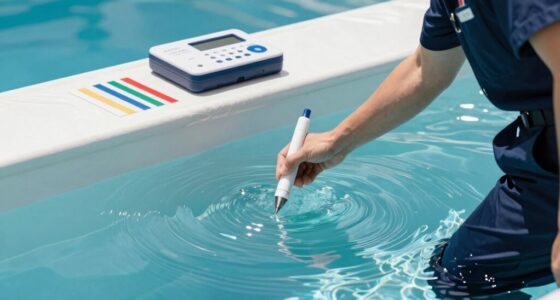
To combat these issues, you need to implement robust calibration protocols. Regular calibration ensures sensors stay aligned with the true water parameters, reducing the likelihood of drift-induced errors. Automated calibration routines or in-situ calibration methods can help you maintain sensor accuracy without excessive downtime. Additionally, integrating redundancy into your system—using multiple sensors for the same parameter—can help cross-verify data and identify drift early on. When sensors start to drift, you’ll notice discrepancies between readings, allowing you to recalibrate or replace sensors before false alarms become a persistent problem. Long-term trend analysis of sensor data can also provide insights into gradual changes that may indicate calibration needs. Employing predictive analytics can further enhance your ability to anticipate sensor failures before they impact data integrity.
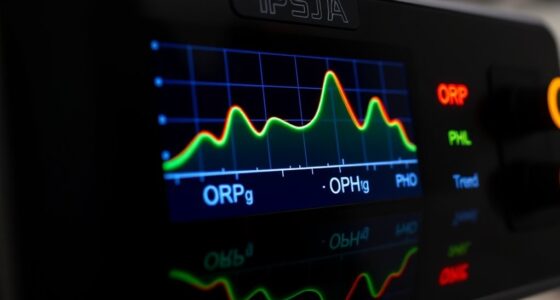
Furthermore, advanced algorithms can assist in detecting sensor drift before it causes significant inaccuracies. These algorithms analyze long-term trends and compare sensor outputs against known standards or expected ranges. When deviations are detected, they can alert you to calibration needs or suggest corrective actions. Implementing sensor health monitoring can further enhance your ability to identify early signs of drift and maintain system reliability. Regularly reviewing historical data and long-term trend analysis can also help you spot subtle changes that indicate impending sensor issues. Incorporating data validation techniques ensures the ongoing accuracy of your water quality measurements. Combining these techniques with routine maintenance creates a more resilient water monitoring setup that can distinguish between true environmental changes and sensor artifacts. By proactively addressing calibration challenges and false alarm detection, you ensure your system provides trustworthy, real-time data that accurately reflects the water quality and supports prompt decision-making.
smart water sensor calibration kit
As an affiliate, we earn on qualifying purchases.
As an affiliate, we earn on qualifying purchases.
Frequently Asked Questions
How Often Should Sensor Calibration Be Performed to Prevent Drift?
You should perform sensor calibration regularly, ideally every few weeks or as recommended by the manufacturer, to prevent drift. Consistent sensor maintenance helps catch issues early and guarantees accurate readings. Calibration frequency depends on your specific water monitoring system and environmental conditions, so stay attentive to any inconsistencies. Regularly scheduled calibration and maintenance keep your system reliable, minimizing false alerts caused by sensor drift and maintaining water quality monitoring accuracy.
Can Sensor Drift Cause False Alarms in Water Monitoring Systems?
Sensor drift can sometimes cause false alarms in water monitoring systems, making it seem like there’s an issue when there isn’t. To maintain sensor longevity and accuracy, you should rely on proper calibration techniques regularly. This helps guarantee your system responds accurately to real water quality changes, reducing false alarms caused by subtle drift. Ultimately, consistent calibration keeps your monitoring system trustworthy, so you can act confidently when genuine issues arise.
What Are the Costs Associated With Replacing Drifted Sensors?
Replacing drifted sensors involves costs tied to their sensor lifespan and ongoing maintenance. You’ll need to budget for new sensors, which can vary based on quality and type, and labor costs for installation. Additionally, if drift causes false alarms, you might face increased maintenance to recalibrate or troubleshoot the system. Overall, regular replacements and upkeep guarantee your water monitoring remains accurate, preventing costly errors down the line.
How Does Temperature Fluctuation Affect Sensor Accuracy?
Did you know temperature fluctuations can cause sensor errors of up to 15%? You’ll notice that temperature stability is vital for accurate readings. When temperatures vary, calibration frequency increases because sensors need regular adjustments to maintain precision. Without stable temperatures, sensors drift faster, leading to unreliable data. To keep your monitoring system accurate, make certain of stable environmental conditions and perform calibration more often during temperature swings.
Are There Sensors Less Prone to Drift Over Time?
Yes, some sensors have longer lifespans and are less prone to drift, especially those built with advanced materials like solid-state or optical sensors. To minimize drift, you should regularly perform calibration methods tailored to your sensor type. These practices guarantee consistent accuracy over time, extending sensor lifespan and reducing the impact of drift, so your water monitoring system stays reliable and precise without frequent replacements.
water quality monitoring system with sensor calibration
As an affiliate, we earn on qualifying purchases.
As an affiliate, we earn on qualifying purchases.
Conclusion
Don’t let sensor drift turn your water monitoring system into a ticking time bomb. Even the tiniest inaccuracies can snowball into massive problems, jeopardizing water safety and wasting resources. Stay vigilant, regularly calibrate your sensors, and implement robust algorithms to catch drift early. Otherwise, you risk trusting a system that’s as reliable as a sandcastle in a storm—destined to crumble when you need it most. Protect your water supply before sensor drift pulls the rug out from under you.
automatic sensor calibration device for water sensors
As an affiliate, we earn on qualifying purchases.
As an affiliate, we earn on qualifying purchases.
As an affiliate, we earn on qualifying purchases.
Flea & tick season Picks
flea and tick prevention
As an affiliate, we earn on qualifying purchases.