
To prevent swimmer’s ear during water activities, you should manage water carefully and practice good ear hygiene. Tilt your head after swimming to help water escape, gently pull on your earlobe, and dry your ears with a soft towel or low-heat hairdryer. Wearing properly fitted earplugs can also block water entry. Applying alcohol-based ear drops afterward can help evaporate residual moisture. Keep in mind, there are additional tips that can further protect your ear health if you continue exploring.

Get pool and patio gear delivered free — and shop member deals
- Fast, free delivery on millions of items
- Access to Prime Big Deal Days deals on October 6–7
- Prime Video, Amazon Music and more included
Key Takeaways
- Tilt your head to each side and gently pull on the earlobe to help water escape after swimming.
- Use earplugs to create a barrier and prevent water from entering the ear canal during water activities.
- Dry ears thoroughly with a soft towel and consider using a low, cool hairdryer held at a safe distance.
- Apply alcohol-based ear drops post-swimming to help evaporate residual water and prevent bacterial growth.
- Avoid inserting cotton swabs or objects into the ears to prevent damage and promote natural water drainage.
Have you ever wondered how important your ears are beyond just hearing? Your ears do much more than pick up sounds; they help you maintain your balance and spatial awareness. When it comes to water activities like swimming or diving, your ears face a unique set of challenges. Water can easily get trapped in your ear canal, creating the perfect environment for infections like swimmer’s ear, also known as otitis externa. This condition can cause pain, itching, and swelling, and if left untreated, it may lead to more serious issues. That’s why managing water exposure and maintaining ear health are crucial.
Ears are vital for balance; water exposure can lead to infections like swimmer’s ear.
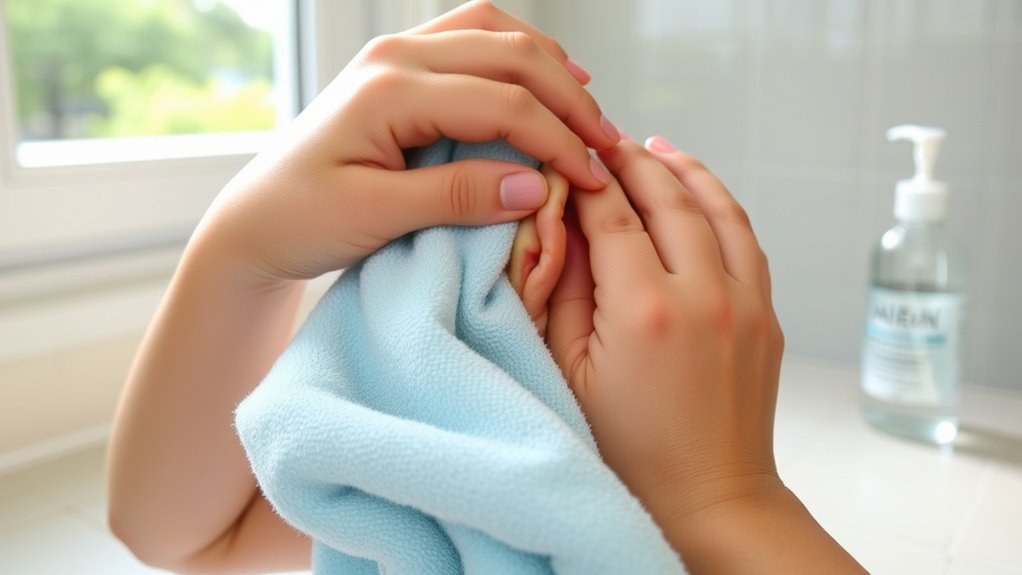
Preventing swimmer’s ear starts with proper water management. After swimming, it’s a good idea to tilt your head to each side and gently pull on your earlobe to help water escape from your ear canal. Using a soft towel to dry your ears can also help absorb residual moisture. Avoid inserting cotton swabs or other objects into your ears, as they can push wax and debris further in or damage the delicate skin lining your ear canal. Instead, consider using a hairdryer on a low, cool setting held at a safe distance to gently dry your ears. This simple step can significantly reduce moisture buildup and lower the risk of infection.
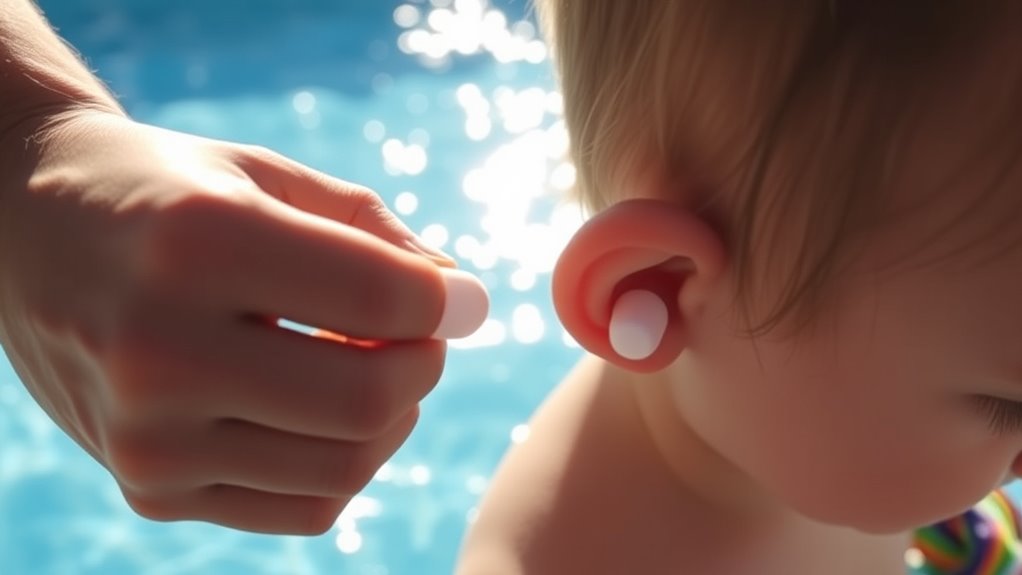
Another effective water management strategy involves using earplugs designed specifically for swimming. These earplugs create a barrier that prevents water from entering the ear canal, especially during prolonged water exposure. Properly fitting earplugs are key—they should form a comfortable seal without causing pain or discomfort. If you have a history of ear infections or are prone to swimmer’s ear, consult with a healthcare professional about the best type of ear protection for your needs.
In addition to physical barriers, some people find that applying a few drops of alcohol-based ear drops after swimming can help evaporate leftover water and restore the ear’s natural dryness. These drops also have mild antiseptic properties that can help prevent bacterial growth. However, avoid using drops if you have a perforated eardrum or ear pain, and always follow the instructions carefully.
Ultimately, water management plays a vital role in protecting your ears during water activities. By drying your ears thoroughly, using protective gear, and being cautious about water exposure, you can greatly reduce your risk of swimmer’s ear. Maintaining good ear health isn’t just about preventing discomfort; it’s about preserving your overall well-being and ensuring that your ears continue to serve you well for years to come.
As an affiliate, we earn on qualifying purchases.
Frequently Asked Questions
Can Dry Ears Prevent Swimmer’s Ear Effectively?
Dry ears can help prevent swimmer’s ear by removing excess moisture that creates a breeding ground for bacteria. After swimming or bathing, make sure to thoroughly dry your ears using a towel or a gentle ear-drying device. Avoid inserting objects into your ears, as they can cause damage or push water deeper. Consistently keeping your ears dry reduces the risk of infection and keeps your ears healthier overall.
Are There Natural Remedies to Soothe Swimmer’s Ear?
Yes, natural remedies can soothe swimmer’s ear, but they don’t replace professional treatment. You might try warm olive oil drops to ease pain and reduce inflammation, or a mixture of apple cider vinegar and rubbing alcohol to restore ear pH and fight bacteria. Keep in mind, if symptoms worsen or persist, seek medical help promptly. These remedies can provide relief, but proper diagnosis and treatment are essential for healing.
How Often Should Swimmers Clean Their Ears?
You should clean your ears once a week using a gentle method like wiping the outer ear with a damp cloth. Avoid inserting cotton swabs or any objects into your ear canal, as this can push debris deeper or cause injury. After swimming, gently dry your ears with a towel and tilt your head to help water drain out. Regular cleaning and drying help prevent moisture buildup and reduce swimmer’s ear risk.
Is Swimmer’s Ear Contagious to Others?
Yes, swimmer’s ear can be contagious if bacteria or fungi transfer through water or shared items like earplugs. You should be cautious, especially if you notice symptoms like pain or discharge. Think of it as playing with fire—you don’t want to risk spreading infection. To stay safe, avoid sharing personal items, keep your ears dry, and dry them thoroughly after swimming to prevent bacteria from taking hold.
What Are Early Signs of Developing Swimmer’s Ear?
You might notice early signs of swimmer’s ear as mild discomfort or itchiness inside your ear, especially after swimming or water exposure. You could feel some redness or tenderness near the ear canal, and perhaps a slight swelling. Sometimes, you experience a feeling of fullness or mild pain that worsens when touching the ear or pulling on your earlobe. Pay attention to these signs to catch the infection early and seek treatment.
As an affiliate, we earn on qualifying purchases.
Conclusion
Taking steps to manage water in your ears can considerably reduce the risk of swimmer’s ear. Remember to dry your ears thoroughly after swimming or bathing, and consider using ear plugs if you’re prone to infections. Isn’t protecting your hearing worth a little extra effort? Staying proactive keeps your ears healthy and comfortable, so don’t wait until discomfort strikes—make water management a priority today!
As an affiliate, we earn on qualifying purchases.
As an affiliate, we earn on qualifying purchases.
Fall Picks
fall essentials
As an affiliate, we earn on qualifying purchases.