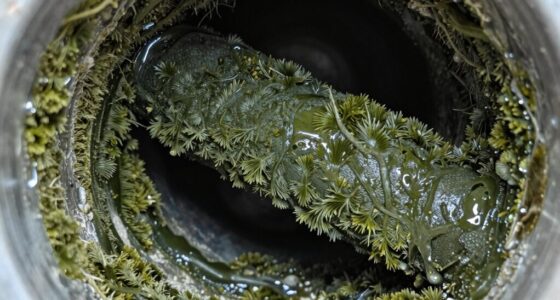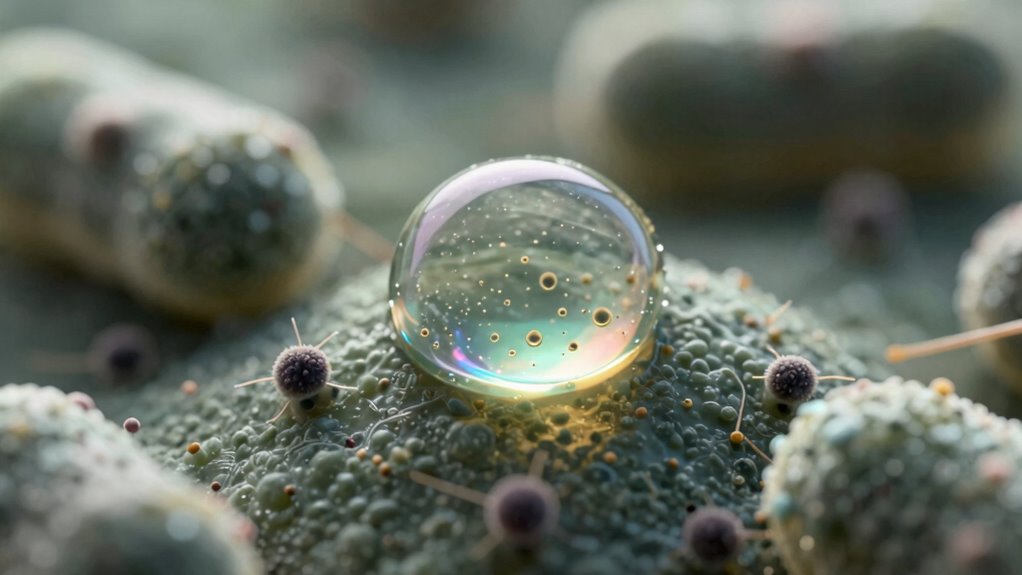

You should know that Cryptosporidium, a resistant parasite, chlorine struggles to kill because its protective outer layer shields it from disinfectants. This resistance matters because it can cause outbreaks even when water is properly chlorinated, leading to illness. Microbial adaptation makes controlling these germs more difficult and highlights the need for additional treatments like UV or filtration. Staying aware of such resistant germs is essential for safe water, and exploring more can help you understand how to protect yourself better.

Get pool and patio gear delivered free with Prime
- Fast, free delivery on millions of items
- Prime Video, Amazon Music and more included
- Member-only deals all year
Key Takeaways
- Certain resistant protozoa, like Cryptosporidium, are highly tolerant to chlorine, making disinfection more challenging.
- Resistance develops through microbial adaptation, allowing some pathogens to survive standard chlorination practices.
- Despite resistance, chlorination remains essential when combined with other methods to ensure water safety.
- Continuous monitoring and proper chlorination practices help mitigate the risk of resistant microorganisms.
- Understanding resistant germs informs improvements in multi-layered water treatment strategies.
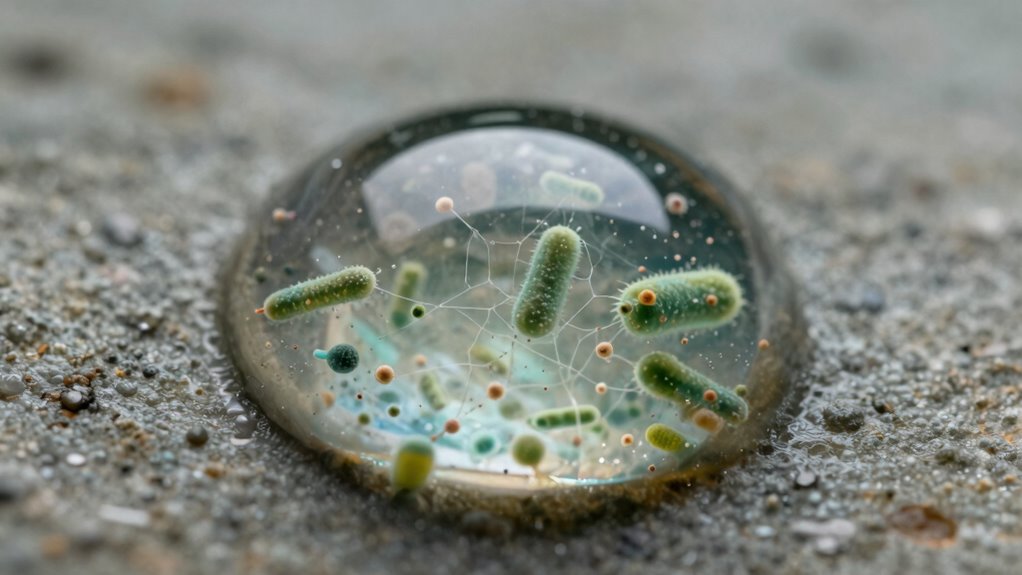
Have you ever wondered how chlorine keeps your swimming pool safe? It’s a powerful disinfectant that kills most bacteria, viruses, and other germs that could pose health risks. But despite its effectiveness, some microorganisms have developed ways to resist chlorine’s attack. This phenomenon, known as chlorine resistance, is a real challenge in maintaining a safe environment. Certain microbes can adapt over time, altering their structure or behavior to withstand the chemical’s effects. This microbial adaptation means that some germs can survive even when chlorine levels are adequate, making the fight against contamination more complex.
Chlorine resistance doesn’t develop overnight. It’s a gradual process driven by repeated exposure to the chemical. Microbes that happen to have slight variations making them less vulnerable to chlorine are more likely to survive and reproduce. Over time, these resilient strains become dominant, especially if chlorination practices aren’t properly managed. As a result, the pool or water source can harbor germs that are increasingly difficult to eliminate. This adaptation process underscores the importance of maintaining appropriate chlorine levels and regularly monitoring water quality. Incorporating microbial adaptation knowledge into water treatment practices can help prevent the spread of resistant strains. Regular testing and adjusting chlorination practices are essential in responding to evolving microbial populations, which can also involve understanding resistance mechanisms.
Repeated exposure leads to microbial adaptation, making germs harder to eliminate without proper chlorine management.
Despite these challenges, chlorine still matters immensely in disinfection efforts. Its ability to rapidly kill a broad spectrum of pathogens makes it a frontline defense in water safety. Even when some microbes develop resistance, chlorine’s presence significantly reduces the overall microbial load. It also helps prevent outbreaks of waterborne illnesses, safeguarding public health. Proper chlorination protocols—such as maintaining correct pH levels and ensuring sufficient contact time—are crucial in maximizing chlorine’s effectiveness against resistant microbes. The continued use of chlorine, combined with other sanitation methods, represents a comprehensive approach to water safety. Understanding disinfection efficacy and how microbes respond to chemical agents can further improve water treatment strategies.
Additionally, understanding microbial adaptation highlights why relying solely on chlorine isn’t enough. Combining chlorination with other sanitation measures, like filtration or UV treatment, creates a multi-layered approach that’s more effective against resistant germs. This integrated method reduces the chances of microbes surviving and evolving resistance. It also emphasizes the importance of regular testing and adjusting chlorination practices to stay ahead of microbial adaptation trends. Employing a multi-layered disinfection approach enhances overall safety and mitigates the risk of resistant microbial strains emerging.
Recognizing that some microbes can develop resistance also underscores the importance of microbial adaptation in the ongoing effort to keep water safe. In the end, even though some germs can resist chlorine, it remains a vital tool. Its ability to kill most pathogens quickly and efficiently makes it indispensable in keeping water safe. Recognizing the existence of chlorine resistance encourages better management practices, ensuring that your pool or water supply stays as clean and safe as possible. The fight against germs is ongoing, but with proper use and complementary methods, chlorine continues to be a critical part of that effort.
As an affiliate, we earn on qualifying purchases.
Frequently Asked Questions
Can Chlorine-Resistant Germs Cause Long-Term Health Issues?
Yes, chlorine-resistant germs can cause long-term health issues. These germs may lead to chronic infections that persist despite treatment, and their resistance can contribute to antibiotic resistance, making infections harder to treat over time. If you’re exposed, you might face ongoing health problems, especially if the germs invade your body repeatedly. It’s essential to maintain proper hygiene and water treatment to prevent these resistant pathogens from causing lasting health impacts.
Are There Alternative Disinfectants Effective Against Chlorine-Resistant Bacteria?
Think of disinfectants as knights battling bacteria. When chlorine faces resistance mechanisms, it sometimes falters. Luckily, chemical alternatives like hydrogen peroxide, UV light, and ozone act as other brave knights, each with unique strengths. These options can effectively combat chlorine-resistant bacteria, breaking through defenses that make some germs tough to kill. So, yes—there are effective alternatives that can stand up to resistant germs and keep your environment safe.
How Does Chlorine Resistance Develop in Certain Germs?
Chlorine resistance develops through chlorine adaptation, where germs undergo genetic changes that boost their resilience. These bacteria, through repeated exposure, strengthen their cell walls or activate protective enzymes, making them less vulnerable to chlorine’s disinfecting effects. This germ resilience means they can survive standard chlorine treatments, highlighting the importance of using alternative disinfectants or combined methods to effectively eliminate these hardy microbes and prevent infections.
Do Chlorine-Resistant Germs Spread More Easily Than Others?
Chlorine-resistant germs can spread more easily because their mutations make them tougher to eliminate, like weeds that outgrow your garden’s defenses. When germ mutation leads to chlorine resistance, these microbes survive disinfection and linger longer, increasing chances of transmission. Their resilience allows them to establish and spread in environments where others are wiped out, making outbreaks more likely and harder to control.
What Measures Can Prevent Chlorine-Resistant Germ Outbreaks?
To prevent chlorine-resistant germ outbreaks, you should implement thorough water treatment practices, such as filtration and alternative disinfection methods like UV or ozone. Regularly monitor water quality for resistance mechanisms that germs develop, and maintain proper sanitation protocols. Educate staff on emerging resistance issues, and guarantee thorough cleaning of all water systems. These steps help reduce the risk of resistant germs spreading, protecting public health effectively.
UV water purifier for resistant microbes
As an affiliate, we earn on qualifying purchases.
As an affiliate, we earn on qualifying purchases.
Conclusion
Despite chlorine’s effectiveness against many germs, some bacteria like *C. difficile* spores can survive traditional disinfecting methods. This resilience matters because these spores can cause severe infections, especially in healthcare settings. Did you know that *C. difficile* spores can persist on surfaces for months? This statistic highlights why relying solely on chlorine isn’t enough—your best defense combines proper cleaning, hand hygiene, and other disinfectants to truly stay protected.
multi-stage water filtration system
As an affiliate, we earn on qualifying purchases.
As an affiliate, we earn on qualifying purchases.
chlorine resistant pathogen treatment
As an affiliate, we earn on qualifying purchases.
As an affiliate, we earn on qualifying purchases.
Fall Picks
fall essentials
As an affiliate, we earn on qualifying purchases.