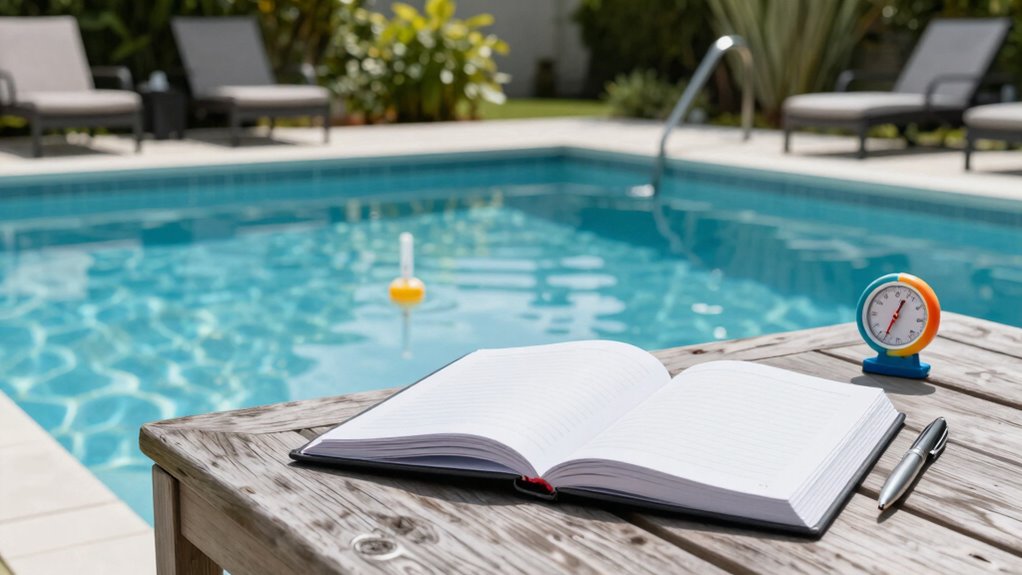

To prevent surprises, you should regularly record your pool’s chemical levels like pH, sanitizer, alkalinity, and calcium hardness, noting each test time and result to track trends. Keep detailed logs of equipment maintenance and repairs, including dates and issues. Also, track environmental factors such as weather and pool usage that affect water quality. Consistently recording these details helps you catch problems early and plan ahead. Stick around to discover more tips for smooth pool management.
Key Takeaways
- Regularly record chemical test results (pH, sanitizer, alkalinity, calcium hardness) with timestamps to monitor trends proactively.
- Log equipment inspections, maintenance, repairs, and issues to prevent unexpected failures.
- Track environmental conditions and pool usage to identify external impacts on water quality.
- Schedule and document preventive maintenance tasks to avoid equipment breakdowns.
- Keep detailed records of all activities to anticipate repairs and optimize pool management.

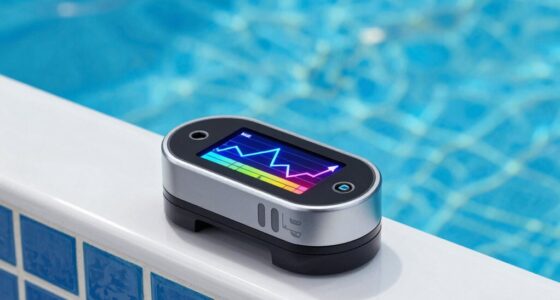
Keeping an accurate pool log is essential for maintaining your pool’s health and safety. When you consistently record key details, you’re better equipped to spot issues early and prevent surprises that could lead to costly repairs or unsafe conditions. One of the most important aspects to track is the chemical balance. Regularly check and log your pH levels, sanitizer levels, alkalinity, and calcium hardness. These measurements ensure your water stays safe and comfortable for swimmers, and they help prevent problems like algae growth or corrosion. By noting the time and results of each chemical test, you can observe trends over days or weeks, making it easier to adjust treatments proactively rather than reactively.
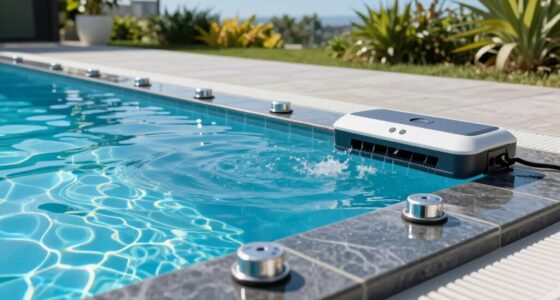
Alongside chemical balance, equipment maintenance should be a top priority in your log. Record when you inspect or service your pool equipment, such as pumps, filters, heaters, and skimmers. Note any issues you observe, like leaks, unusual noises, or decreased flow rates. Tracking maintenance activities helps you stay on schedule for filter cleanings, part replacements, and inspections, reducing the chance of equipment failure during peak swimming season. When you write down the dates and details of repairs or replacements, you create a valuable history that can guide future troubleshooting and budgeting. Additionally, documenting preventive maintenance tasks can help you identify patterns and improve your overall pool care routine. Regularly updating your logs with equipment inspections also enhances your ability to anticipate necessary repairs before they become major problems. Monitoring maintenance intervals further supports timely actions and extends the lifespan of your equipment. Incorporating record-keeping practices into your routine can also help you stay organized and more effectively manage your pool’s needs.
In addition to chemical and equipment data, it’s wise to log weather conditions and pool usage. Heavy rain or high temperatures can affect water chemistry, so noting these factors helps you interpret test results more accurately. Similarly, recording daily or weekly usage levels can alert you to increased chemical demand or wear on equipment, prompting timely adjustments. If you notice a sudden change in water clarity or chemistry, your logs will help you identify whether it’s due to environmental factors or equipment issues. Incorporating environmental impact considerations into your record-keeping can further improve your pool management. Keeping detailed records of these external factors can also support long-term planning and better resource allocation.
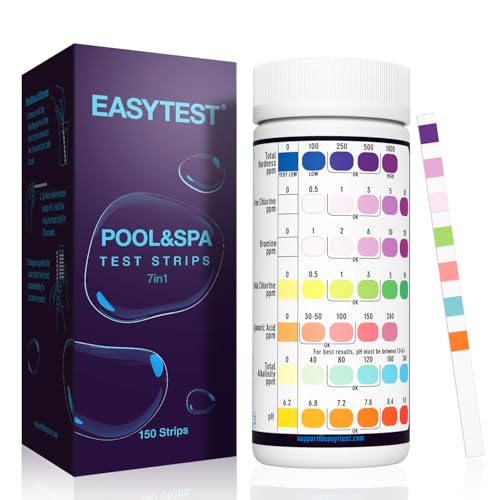
EASYTEST 7-Way Pool Test Strips, 150 Strips Water Test for Hot tub and Spa
- 150 Test Strips: Affordable water testing kit with 150 strips
- Quick and Accurate: Results in 15 seconds with color comparison
- 7-in-1 Testing: Measures Bromine, pH, Chlorine, Alkalinity, Hardness, Cyanuric Acid
As an affiliate, we earn on qualifying purchases.
As an affiliate, we earn on qualifying purchases.
Frequently Asked Questions
How Often Should I Update My Pool Log?
You should update your pool log daily during pool maintenance to keep track of water chemistry, equipment checks, and safety precautions. Regular updates help catch issues early, guaranteeing safe swimming conditions. If you notice any problems or unusual changes, document them immediately. Consistent logging allows you to monitor trends, maintain safety, and avoid surprises. Staying diligent with updates not only keeps your pool safe but also extends its lifespan and ensures enjoyable, worry-free swimming.
What Equipment Details Should I Include?
Think of your pool equipment like the engine of a car. You should record details such as the brand, model, serial number, and maintenance dates for your pool filter and pump. Note any repairs or replacements, especially for the filter and pump parts. Keeping this info handy helps you spot issues early and guarantees smooth operation, preventing surprises during your swim season.
How Do I Track Chemical Usage Accurately?
You can track chemical usage accurately by recording the amount of chemicals added during each pool maintenance session. Keep detailed notes on chemical balancing tests, noting pH, chlorine, and alkalinity levels. Log the date, time, and quantities used for each chemical. Regularly review your entries to identify patterns and guarantee proper chemical balance, helping prevent issues and reducing surprises in your pool’s water quality.
Can I Use Digital Tools for Logging?
Yes, you can definitely use digital tools for logging your pool maintenance. Imagine a sleek app or software dashboard, where you effortlessly track chemical levels, filter runs, and water temperature, all at your fingertips. Digital tracking keeps your pool data organized, easy to update, and accessible anytime. This way, you’ll spot issues early and maintain your pool’s health more efficiently, making your maintenance routine smoother and more reliable.
What Signs Indicate I Need to Adjust Chemicals?
You should adjust chemicals if you notice poor water clarity or if the water looks cloudy, as these can compromise pool safety. Test your water regularly, and if pH levels are off or chlorine isn’t maintaining proper levels, make adjustments. Clear water and balanced chemicals are essential for safe swimming, so stay vigilant. Regular logging helps you track these signs and guarantees your pool stays safe and inviting.

Pool Maintenance Log Book: Simple Daily Pool Maintenance Checklist For Keeping Track of Chemicals in The Pool For Home and Business Owners – 120 Pages (8.5" x 11" Inches)
As an affiliate, we earn on qualifying purchases.
As an affiliate, we earn on qualifying purchases.
Conclusion
By diligently recording every detail in your pool log, you’ll transform yourself into an aquatic oracle, foreseeing and preventing chaos before it bubbles to the surface. Your meticulous notes will become a crystal ball, revealing hidden problems and saving you from catastrophic surprises that could drown your peace of mind. With each entry, you’re not just maintaining a pool—you’re mastering the art of aquatic foresight, ensuring your oasis remains pristine and worry-free for years to come.

Hayward CL200EF in-Line Automatic Chlorine Feeder, Offline Pool Chlorinator and Chlorine Dispenser, Up to 9 lb Capacity, for In-Ground Swimming Pools
- Automatic Off-Line Chlorination: Consistent chlorine distribution for pools
- High-Capacity Chlorine Feeder: Holds up to 9 lbs of chlorine
- Corrosion-Resistant Construction: Durable, chemical-resistant housing
As an affiliate, we earn on qualifying purchases.
As an affiliate, we earn on qualifying purchases.

VEVOR 7-in-1 Wi-Fi Weather Station with APP, 7.5 in Display, Wireless Solar Powered Outdoor Sensor, with Pool Thermometer, Rain Gauge, Indoor Outdoor for Weather Forecast, Wind Speed, Pool Temperature
- 8-in-1 Weather Monitoring: Tracks temperature, humidity, rainfall, wind, and pool water
- Enhanced Sensor Durability: Rainwater-resistant internal components
- Supports NiMH Battery Charging: Rechargeable battery compatible
As an affiliate, we earn on qualifying purchases.
As an affiliate, we earn on qualifying purchases.