
Maintaining public spas and hot tubs involves constant challenges like managing water quality, sanitation, and chemical levels to prevent bacteria and algae growth. You also need to regularly inspect and maintain equipment such as filters, pumps, and heaters to avoid costly failures and ensure safety. Structural issues from corrosion and wear must be addressed promptly to protect users and extend equipment life. If you continue exploring, you’ll discover effective strategies to keep your facility safe and well-maintained.

Get pool and patio gear delivered free — and shop member deals
- Fast, free delivery on millions of items
- Access to Prime Big Deal Days deals on October 6–7
- Prime Video, Amazon Music and more included
Key Takeaways
- Frequent water sanitation testing and chemical balancing are needed to prevent bacteria and algae buildup.
- Equipment such as pumps, filters, and heaters experience accelerated wear, requiring regular inspection and maintenance.
- Chemical exposure and moisture can cause corrosion, demanding proactive structural and material integrity checks.
- High usage leads to faster equipment deterioration, increasing repair costs and potential downtime if not properly maintained.
- Ensuring safety and compliance requires routine cleaning, inspections, and adherence to water chemistry standards.
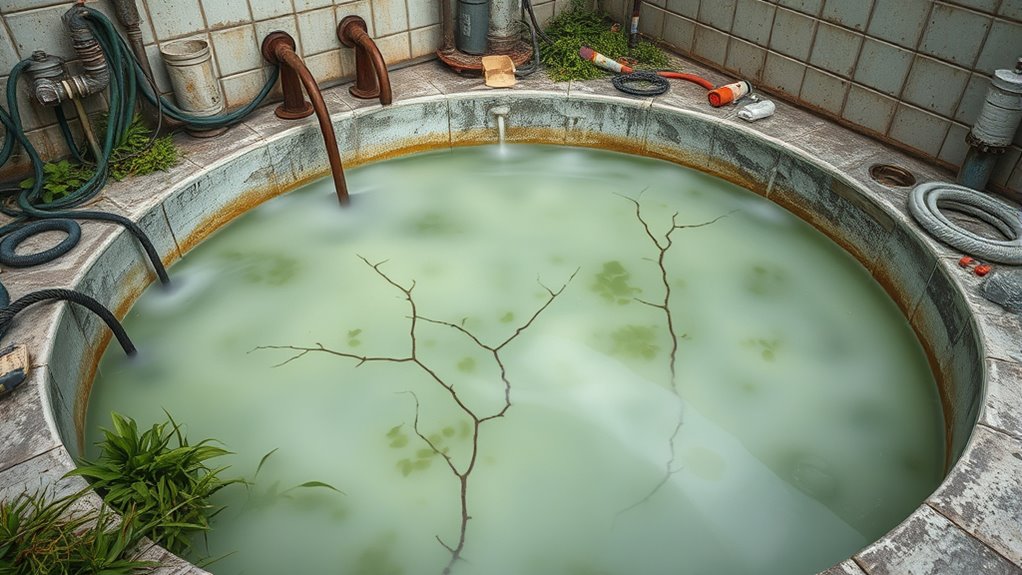
Maintaining public spas and hot tubs presents unique challenges that require constant attention and expertise. One of the most critical aspects is ensuring proper water sanitation. In high-traffic environments, bacteria, algae, and other contaminants can quickly multiply if not properly managed. You need to regularly test the water’s chemical levels, such as chlorine or bromine, to keep it safe and clear. Failing to uphold adequate sanitation can lead to health risks for users, including skin infections and respiratory issues. It’s essential to establish a strict maintenance schedule, including shock treatments and filter cleanings, to prevent microbial growth. Additionally, you must stay vigilant about balancing water pH and alkalinity, as imbalances can diminish sanitizer effectiveness and cause cloudy water. Proper water sanitation isn’t just about comfort; it’s about safeguarding public health and ensuring compliance with health regulations. Incorporating regular water testing helps maintain optimal chemical balance and reduces health risks.
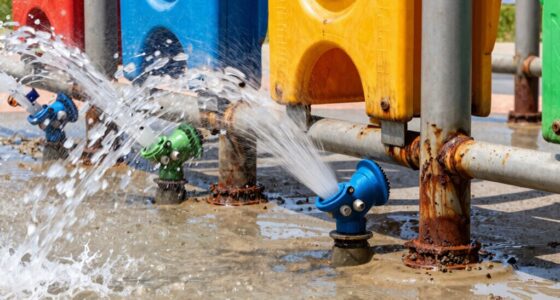
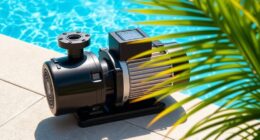
Equally important is the durability of the equipment. Public spas and hot tubs are subjected to constant use, which accelerates wear and tear on pumps, filters, heaters, and jets. You have to inspect these components regularly to identify any signs of malfunction or deterioration. Equipment failure can lead to costly repairs and extended downtime, disrupting the user experience. High-quality, durable equipment is a wise investment, but even the best parts require routine maintenance. For example, filters should be cleaned or replaced frequently to maintain water flow and filtration efficiency. Pumps and heaters need regular checks to prevent overheating, leaks, or electrical issues. Neglecting equipment maintenance not only shortens its lifespan but also compromises the overall safety and performance of the spa or hot tub. By prioritizing durability through proper upkeep, you can extend equipment life and reduce long-term costs.
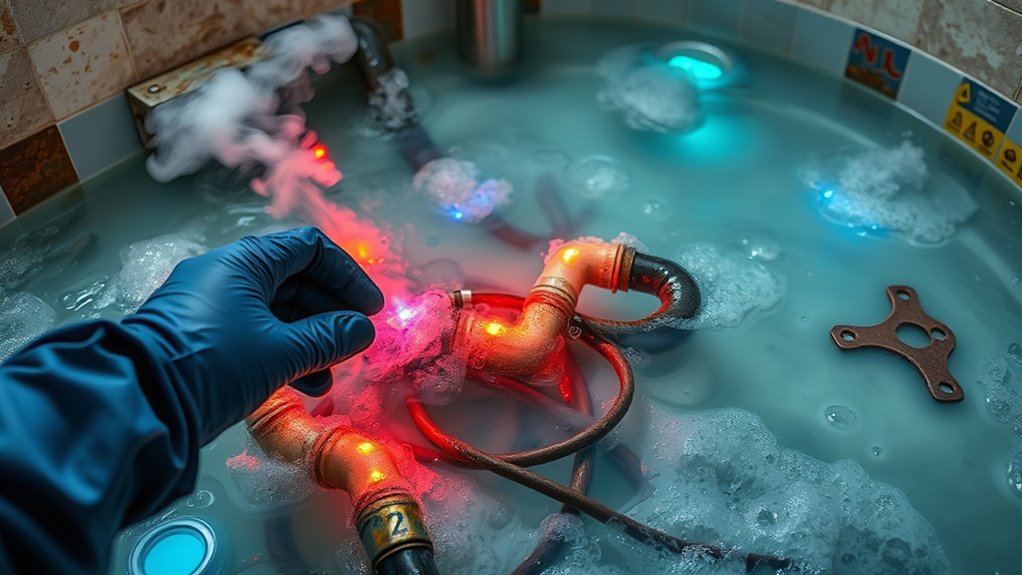
In addition to water sanitation and equipment durability, you also face challenges related to structural integrity, chemical management, and cleanliness standards. The constant exposure to moisture and chemicals can cause corrosion and material degradation if not properly managed. You need to implement a detailed maintenance plan that includes routine inspections, timely repairs, and meticulous cleaning routines. This proactive approach helps prevent minor issues from escalating into major problems. Ultimately, maintaining public spas and hot tubs demands a thorough understanding of the equipment and water chemistry, along with a proactive attitude. Staying ahead of potential issues ensures the safety, longevity, and appeal of your facility, providing a positive experience for every user.
As an affiliate, we earn on qualifying purchases.
Frequently Asked Questions
How Often Should I Replace the Water in a Public Spa?
You should replace the water in a public spa every 3 to 4 months for ideal spa maintenance. Regular water replacement helps prevent bacteria buildup, algae growth, and chemical imbalance. Keep an eye on water clarity and sanitizer levels, and perform regular testing. Proper water replacement ensures safe, clean, and inviting spa experiences, reducing the risk of health issues and maintaining the longevity of the equipment.
What Are the Signs of a Failing Spa Circulation Pump?
Imagine a quiet spa suddenly humming loudly or sputtering—those are signs your circulation pump is failing. You’ll notice increased pump noise and reduced flow, making the water less inviting. If the pump struggles to push water, it’s often a sign of wear or blockage. Address these signs promptly; ignoring them can lead to worse issues, like overheating or complete pump failure. Keep an eye on noise and flow for smooth operation.
How Can I Prevent Microbial Growth in Hot Tubs?
To prevent microbial growth in hot tubs, you should regularly test and maintain sanitizer levels to guarantee its effectiveness. Keep your cover clean and well-maintained, as it prevents debris and contaminants from entering the water. Also, shower before use to reduce contaminants, run the jets to circulate water, and drain and refill the tub as recommended. These steps keep your hot tub safe and microbial-free.
What Are the Best Methods for Sanitizing Public Spa Surfaces?
Think of sanitizing as your spa’s own secret agent—quick, effective, and thorough. You should regularly use chemical disinfectants like chlorine or bromine to kill germs, and don’t forget surface cleaning to remove algae and biofilms. Scrubbing with appropriate tools keeps surfaces pristine. Combining chemical disinfectants with diligent surface cleaning guarantees your spa stays safe, hygienic, and inviting for every swimmer, just like a well-guarded fortress.
How Do Temperature Fluctuations Affect Spa Equipment Longevity?
Temperature fluctuations can shorten your spa equipment’s lifespan if you don’t maintain proper thermostat calibration and insulation. When temperatures vary, your heater works harder, causing wear and tear. Regularly check and calibrate the thermostat to keep temperatures stable. Also, verify insulation maintenance is up to date, preventing heat loss and reducing strain on your equipment, which ultimately prolongs its longevity and keeps your spa running smoothly.
As an affiliate, we earn on qualifying purchases.
Conclusion
To keep public spas and hot tubs safe and inviting, regular maintenance is essential. For example, a community center neglected weekly water testing, leading to bacteria buildup and a temporary closure. Staying proactive with routine checks, proper chemical balancing, and timely repairs not only ensures guest safety but also prolongs your equipment’s lifespan. Remember, consistent care prevents costly issues and keeps your spa a relaxing, hygienic oasis for everyone.
As an affiliate, we earn on qualifying purchases.
hot tub chemical balance test strips
As an affiliate, we earn on qualifying purchases.
As an affiliate, we earn on qualifying purchases.
Fall Picks
fall essentials
As an affiliate, we earn on qualifying purchases.