
A lifecycle analysis of pool materials helps you understand their environmental impact from extraction to disposal. It guides you to choose options that balance durability with sustainability, reducing ecological footprints over time. Considering manufacturing, resource use, and waste helps you see the true long-term costs. Opting for recycled or sustainably sourced materials can lower environmental harm. Keep exploring to uncover more ways to make eco-friendly choices for your pool’s long-term health.
Key Takeaways
- Evaluates environmental impacts of pool materials across extraction, manufacturing, use, and disposal phases.
- Considers energy use, greenhouse gas emissions, and resource depletion during production.
- Highlights the ecological benefits of recycled, sustainably sourced, or low-impact materials.
- Balances durability, long-term costs, and environmental sustainability in material selection.
- Promotes eco-friendly choices that reduce overall carbon footprint and resource consumption over the lifecycle.
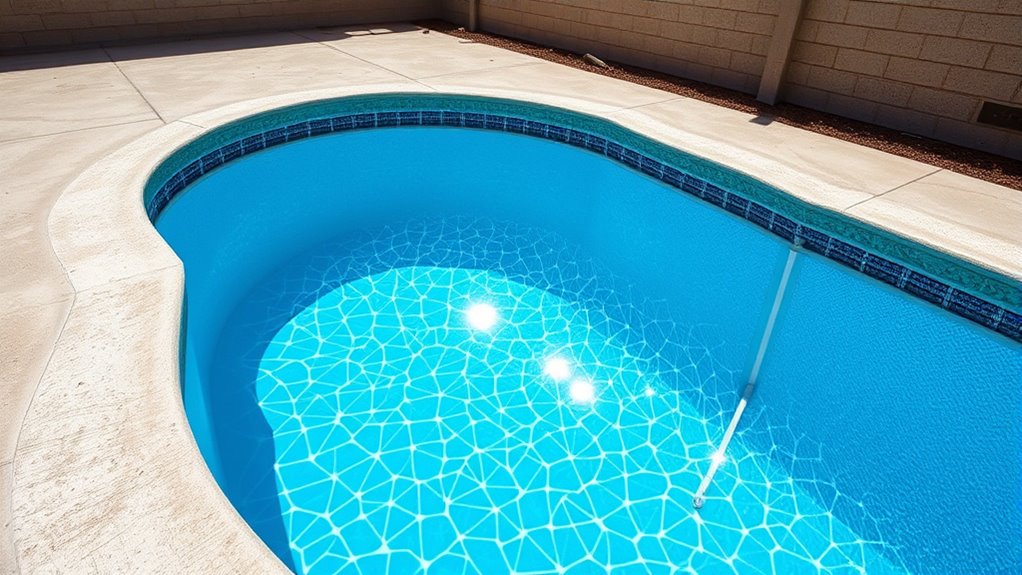
When choosing pool materials, understanding their entire lifecycle is essential to making sustainable decisions. This approach helps you evaluate not just the upfront costs or appearance but also the long-term effects on the environment and how well the materials hold up over time. By considering these factors, you can select options that balance durability with environmental responsibility, ensuring your pool remains functional and eco-friendly for years to come. Additionally, assessing the total‑cost clarity of different materials can help you make informed choices that align with your budget and sustainability goals. Environmental impact is a key concern throughout the lifecycle of pool materials. From extraction to disposal, each phase contributes to the overall ecological footprint. For instance, some materials require intensive mining or manufacturing processes that generate high greenhouse gas emissions and waste. Others, like recycled or sustainably sourced options, tend to have a lower environmental impact. When you analyze the lifecycle, you see how much energy and resources are involved in producing each material, giving you a clearer picture of its sustainability. Choosing materials with minimal environmental impact during manufacturing and installation can notably reduce your pool’s carbon footprint and lessen the depletion of natural resources.
Frequently Asked Questions
How Do Pool Materials Impact Local Biodiversity?
Your pool materials can impact local biodiversity by influencing water temperature and chemical leaching. Materials that retain heat may raise water temperatures, affecting nearby ecosystems. Additionally, chemicals from pool liners or treated surfaces can leach into the environment, harming aquatic life and plants. By choosing eco-friendly materials and maintaining proper chemical levels, you can reduce these impacts and help protect local biodiversity.
Are Eco-Friendly Pool Materials Cost-Effective Long-Term?
Sure, eco-friendly pool materials are definitely cost-effective long-term—if you ignore the initial price tag. You’ll find the cost comparison favors them because they reduce maintenance expenses and last longer, saving you money down the road. It’s ironic how choosing greener options might seem pricier upfront, but ultimately, they pay off by lowering ongoing costs and environmental impact, making your pool both sustainable and budget-friendly over time.
What Regulations Govern Sustainable Pool Material Use?
You need to follow regulatory standards that govern sustainable pool material use, guaranteeing compliance with environmental laws. Material certifications, such as LEED or Green Seal, verify that your materials meet eco-friendly criteria. These regulations typically cover safety, durability, and environmental impact. By adhering to them, you help promote sustainable practices, reduce your pool’s environmental footprint, and ensure your project aligns with federal, state, or local sustainability requirements.
How Do Pool Materials Influence Indoor Air Quality?
Your pool materials impact indoor air quality through chemical emissions that can off-gas into your space. Using low-emission or non-toxic materials helps reduce harmful chemical emissions. Adequate indoor ventilation is vital, as it disperses any airborne pollutants, keeping the air safer to breathe. By choosing eco-friendly materials and ensuring proper ventilation, you can markedly improve your indoor air quality and create a healthier swimming environment.
Can Pool Material Recycling Reduce Overall Environmental Impact?
Recycling pool materials can substantially reduce your overall environmental impact by conserving resources and energy. You actively participate in sustainable practices through recycling processes that extend material durability, preventing waste. By choosing recyclable materials and supporting proper recycling, you help lower pollution and reduce the demand for virgin resources, making your pool maintenance more eco-friendly. This conscious effort benefits the environment while ensuring your pool remains durable and safe.
Conclusion
As you consider the lifecycle of pool materials, it’s almost surprising how each choice impacts both the environment and your experience. You might find that the most sustainable options also offer durability and cost savings, making them an unexpected win-win. So, as you plan your pool, remember that small decisions today can ripple into a more eco-friendly tomorrow. Sometimes, the most efficient path is the one you least expect—just like discovering a hidden gem in your backyard.