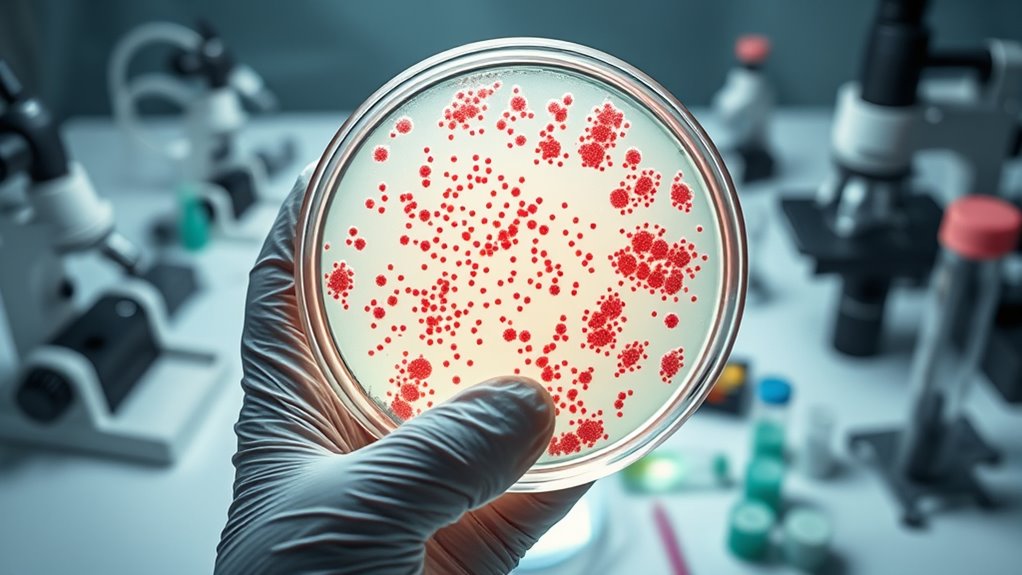

To make certain your pool stays safe, you can use various microbial testing methods such as culture-based techniques, which filter samples and grow microorganisms for precise results, or rapid tests like ATP bioluminescence and ELISA that give you quick insights. Molecular methods like PCR can detect low pathogen levels with high sensitivity. Combining these approaches helps you maintain water quality and prevents illnesses. Keep exploring to discover how each method works and keeps your pool safe.
Key Takeaways
- Culture-based methods involve filtering water samples and incubating on selective media to detect and quantify microorganisms.
- Rapid testing techniques like ATP bioluminescence and ELISA provide results within minutes to hours.
- Molecular methods such as PCR detect low levels of pathogens with high sensitivity and specificity.
- Combining multiple testing methods ensures comprehensive water quality assessment and timely responses.
- Regular microbial testing verifies disinfection effectiveness and maintains compliance with health standards.

Microbial testing methods are essential tools used to detect and quantify microorganisms in various samples, guaranteeing safety and quality in industries like food production, healthcare, and environmental monitoring. When it comes to swimming pools, these methods help you assess water safety by identifying harmful bacteria, viruses, and other pathogens. Proper water quality analysis allows you to maintain a clean, safe swimming environment, protecting users from illnesses. One of the key components in this process is understanding disinfection techniques, which are crucial for controlling microbial presence and preventing outbreaks of waterborne diseases.
Microbial testing ensures pool water safety by detecting harmful microorganisms and preventing waterborne illnesses.
Disinfection techniques such as chlorination, UV treatment, and ozonation are commonly employed in pools to reduce microbial loads. However, their effectiveness can vary depending on factors like water pH, temperature, and organic matter. This is where microbial testing comes into play. By regularly sampling pool water and applying specific testing methods, you can verify whether your disinfection strategies are working effectively. For instance, if tests reveal an increase in coliform bacteria or E. coli, it signals that your disinfection process may need adjustments or that contamination has occurred. Regular water quality analysis ensures that disinfection remains effective, minimizing health risks for swimmers.
There are several microbial testing methods suitable for swimming pools. Culture-based techniques are traditional but effective, involving filtering water samples and incubating them on selective media to grow and identify bacteria. This approach provides precise quantification of specific microorganisms but takes time—usually 24 to 48 hours—to produce results. Rapid testing methods, such as ATP bioluminescence or enzyme-linked immunosorbent assays (ELISA), offer quicker insights, often within minutes to hours. These are especially useful for routine monitoring, enabling you to make immediate decisions on whether additional disinfection is needed. Molecular techniques like PCR (polymerase chain reaction) are highly sensitive and can detect even low levels of pathogens, making them an invaluable tool for water quality analysis.
Implementing a complete microbial testing strategy helps you maintain ideal disinfection techniques, ensuring your pool water stays safe for swimmers. By combining different testing methods, you get a clearer picture of microbial presence and can respond swiftly to any contamination issues. This proactive approach not only safeguards public health but also helps you comply with health regulations and industry standards. Consistent water quality analysis, coupled with effective disinfection techniques, creates a safer, more enjoyable swimming environment. Ultimately, staying vigilant with microbial testing is your best defense against waterborne illnesses and a key step in managing a healthy pool. Regular testing also highlights the importance of proper maintenance practices and can extend the lifespan of your pool equipment.
pool microbial testing kit
As an affiliate, we earn on qualifying purchases.
As an affiliate, we earn on qualifying purchases.
Frequently Asked Questions
How Often Should Microbial Testing Be Conducted in Swimming Pools?
You should conduct microbial testing in swimming pools at least twice a week to guarantee water safety. During peak usage or after heavy rain, increase testing frequency to daily. Regular testing helps detect bacteria or pathogens early, preventing health issues. By maintaining consistent testing schedules, you assure the water remains safe for swimmers and complies with health standards, giving everyone peace of mind and promoting a healthy swimming environment.
What Are the Costs Associated With Different Microbial Testing Methods?
The costs vary depending on the testing equipment and labor involved. Basic testing kits are affordable, typically costing under $50 per test, but they may require more labor time. Automated testing systems have higher upfront expenses, often thousands of dollars, but reduce ongoing labor costs. You should also consider expenses for maintenance and calibration. Balancing initial investment with ongoing operational costs helps you choose the most cost-effective method for your pool.
Are There Any Portable Testing Kits Suitable for On-Site Analysis?
They say “a stitch in time saves nine,” and the same applies to pool safety. Yes, you can find portable kits perfect for on-site analysis, allowing you to quickly test water quality without sending samples away. These kits are compact, easy to use, and give instant results, helping you maintain safe swimming conditions. With portable testing kits, you stay proactive, ensuring clean, safe water at all times.
How Quickly Can Microbial Test Results Be Obtained?
You can typically get microbial test results within a few hours to a day, depending on the method used. Rapid result testing options, like portable kits or on-site testing devices, offer quick turnaround times, often delivering results in less than an hour. This fast testing turnaround allows you to promptly address water quality issues, ensuring safe swimming conditions and maintaining compliance with health standards.
What Are the Environmental Impacts of Microbial Testing Chemicals?
Did you know that improper disposal of microbial testing chemicals can cause chemical pollution, affecting up to 30% of local water sources? These chemicals may disrupt ecosystems and harm aquatic life. When you use and discard testing agents irresponsibly, you risk contributing to ecosystem disruption and environmental damage. Always follow proper disposal guidelines to minimize chemical pollution, protect water quality, and preserve the health of surrounding ecosystems.
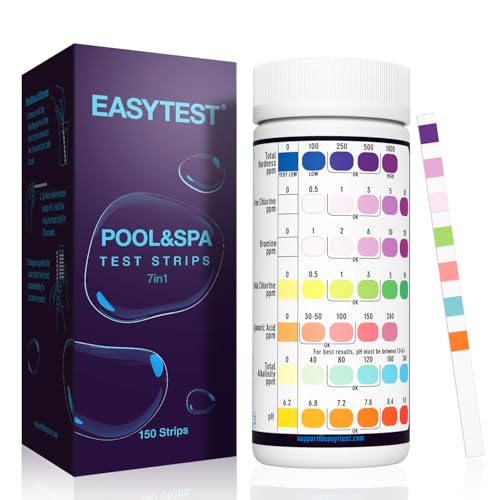
EASYTEST 7-Way Pool Test Strips, 150 Strips Water Chemical Testing for Hot tub and Spa, Accurate Test Bromine, Total Alkalinity, pH, Free Chlorine, Total Hardness, Cyanuric Acid, and Total Chlorine
AFFORDABLE 150 STRIPS: This water chemical testing kit contains 150 test strips. Enough balanced for your swimming pool,…
As an affiliate, we earn on qualifying purchases.
As an affiliate, we earn on qualifying purchases.
Conclusion
In summary, selecting the right microbial testing method guarantees your pool stays safe and inviting. Like a trusty alchemist of old, you harness modern techniques to uncover unseen threats beneath the surface. Regular testing keeps your pool pristine, preventing outbreaks and ensuring peace of mind. So, don’t be a square—embrace these methods and keep your swimming experience as legendary as a knight’s quest. After all, a clean pool is your kingdom’s greatest treasure.
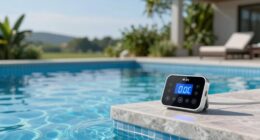
ATP bioluminescence water tester
As an affiliate, we earn on qualifying purchases.
As an affiliate, we earn on qualifying purchases.
pool disinfection testing kit
As an affiliate, we earn on qualifying purchases.
As an affiliate, we earn on qualifying purchases.