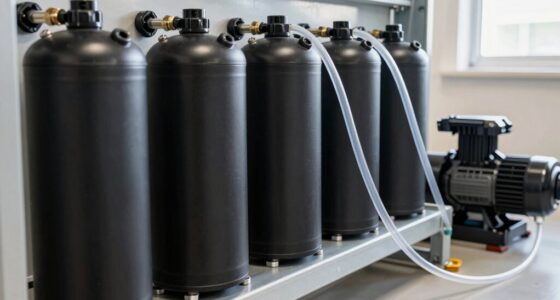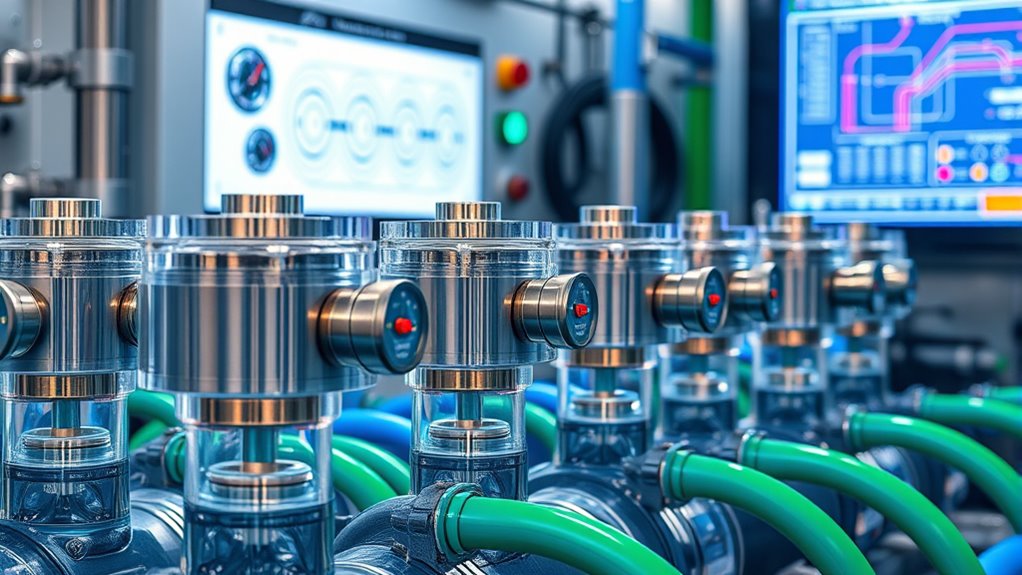

To achieve flow balancing in multi-pump systems, you need to guarantee all pumps operate at the same speed and pressure, which prevents overloads and uneven flow. Use synchronization techniques like variable frequency drives (VFDs) and pressure sensors to monitor and adjust performance in real time. Proper pressure regulation and regular maintenance support system stability and efficiency. Continuing to explore these strategies will help you optimize your system’s performance and longevity.
Key Takeaways
- Ensuring synchronized pump speeds and pressures maintains balanced flow and prevents equipment overload.
- Utilizing pressure sensors and control devices enables real-time adjustments for consistent flow.
- Proper system design and regular maintenance optimize pump performance and prolong equipment lifespan.
- Implementing VFDs allows dynamic speed regulation to match system demand and improve efficiency.
- Monitoring flow and pressure parameters ensures early detection of imbalance, facilitating prompt corrective actions.
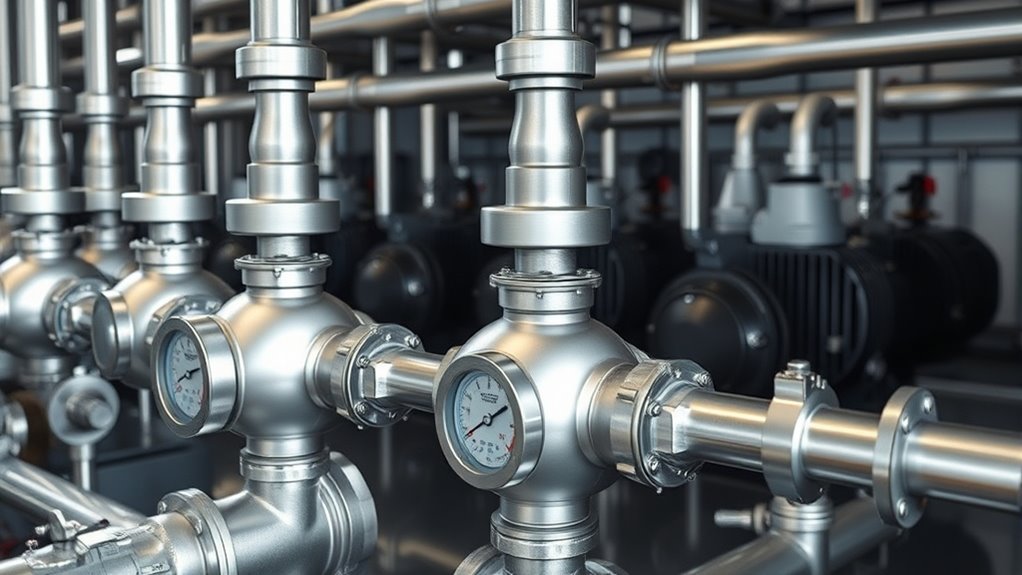
Maintaining proper flow balance in multi-pump systems is essential to guarantee efficient operation and prevent equipment damage. When multiple pumps work together, their performance must be carefully coordinated to ensure the system functions smoothly. Pump synchronization plays a crucial role here; it involves aligning the operational parameters of each pump so they operate at the same speed and pressure levels. If pumps are out of sync, some may overload while others underperform, leading to uneven flow and increased wear. Proper synchronization ensures that each pump shares the load equally, reducing strain on individual units and extending their lifespan.
Proper pump synchronization ensures balanced flow, prevents overload, and extends equipment lifespan.
Pressure regulation is equally critical in maintaining flow balance. Variations in system demand can cause pressure fluctuations that disrupt pump performance. By implementing effective pressure regulation strategies—such as pressure relief valves, variable frequency drives, or pressure sensors—you can keep the pressure within ideal ranges. This prevents pumps from experiencing excessive pressure that could cause mechanical failure or cavitation, and avoids insufficient pressure that hampers system efficiency. When pressure is consistently regulated, the flow remains steady, and the pumps can operate more reliably and efficiently.
To achieve peak pump synchronization, you need to regularly monitor key operational parameters like flow rate, pressure, and pump speed. Modern control systems can automate this process, adjusting pump speeds in real-time to maintain balance. Using variable frequency drives (VFDs) is particularly effective, as they allow you to fine-tune each pump’s speed according to demand, ensuring synchronized operation and stable pressure. This not only enhances system performance but also reduces energy consumption, since pumps only work as hard as necessary.
In addition, integrating pressure regulation devices into your system helps mitigate fluctuations caused by demand shifts or pump startup/shutdown sequences. For example, installing pressure sensors linked to a control system can provide instant feedback, enabling automatic adjustments that keep the system stable. This coordination between pump synchronization and pressure regulation ensures your multi-pump system operates with minimal disruption, ideal flow, and prolonged equipment life. Proper maintenance practices are also vital to sustain optimal system performance over time.

Aquastrong Whole House Water Pressure Booster Pump 80 PSI, 115V Automatic Variable Speed, Constant Pressure, Integrated Design, Self-Priming, for Home, Apartment, Shower, Garden, Shallow Well,Smart 45
Adjustable Pressure & Speed: Smart 45 is a fully integrated and intelligent water pump designed for domestic boosting….
As an affiliate, we earn on qualifying purchases.
As an affiliate, we earn on qualifying purchases.
Frequently Asked Questions
How Do Temperature Variations Affect Flow Balancing?
Temperature variations can markedly impact flow balancing by causing thermal expansion, which alters pipe dimensions and flow paths. As temperatures rise, viscosity decreases, making fluids flow more easily, while cooler temperatures increase viscosity, resisting flow. These changes can disrupt the balance, causing uneven flow distribution. To maintain proper balance, you should monitor temperature fluctuations and adjust pump settings accordingly, compensating for viscosity shifts and thermal expansion effects.
Can Flow Balancing Be Automated in Real-Time Systems?
Yes, flow balancing can be automated in real-time systems. You’ll use sensor calibration to guarantee accurate data collection and control algorithms to adjust pump operations instantly. This automation streamlines system efficiency, reduces manual intervention, and maintains ideal flow rates. By continuously monitoring and adapting, you ensure reliable performance while responding swiftly to changes, making your system smarter, more responsive, and easier to manage.
What Maintenance Challenges Are Associated With Multi-Pump Flow Balancing?
You’ll face maintenance challenges like ensuring sensor calibration remains accurate, which is essential for precise flow balancing. Regular calibration helps prevent errors that could disrupt system performance. Leakage prevention is also crucial; worn seals or fittings can cause leaks, leading to uneven flow and potential damage. Staying vigilant with these aspects reduces downtime and keeps your multi-pump system functioning smoothly, ensuring consistent flow and system reliability.
How Does Pipe Diameter Influence Flow Distribution?
Your pipe diameter substantially influences flow distribution by affecting flow resistance and pressure drops. Proper pipe sizing and diameter selection ensure that each pump delivers the right amount of flow, avoiding issues like uneven flow or pump strain. When you choose the correct pipe diameter, you optimize flow balance, reduce energy consumption, and prevent system inefficiencies. Always consider flow requirements and system layout for effective pipe sizing and diameter selection.
Are There Cost-Effective Solutions for Small-Scale Pump Systems?
You can find cost-effective solutions for small-scale pump systems by selecting energy-efficient pumps and optimizing system design. Using simple flow restrictors or adjustable valves helps balance flow without high costs. Regular maintenance ensures ideal performance, preventing unnecessary expenses. Additionally, choosing pumps with variable speed drives allows you to adjust flow rates efficiently. These approaches keep your small-scale pump system running smoothly while saving money on energy and maintenance costs.

Wisoqu VFD Variable Frequency Drive,Single‑Phase 110VAC Input 3‑Phase 220VAC Output Variable Frequency Inverter,Motor Speed Controller,220V 1500W AT5‑1500X, default
Premium Performance: The frequency converter is used to adjust the speed of the motor and has the characteristics…
As an affiliate, we earn on qualifying purchases.
As an affiliate, we earn on qualifying purchases.
Conclusion
Mastering flow balancing in multi-pump systems is like conducting an intricate orchestra—you guarantee each instrument plays in harmony. When you fine-tune your pumps, you create a seamless symphony of efficiency and reliability. Remember, a well-balanced system doesn’t just run; it dances gracefully through its tasks. By maintaining harmony, you turn complexity into elegant simplicity, transforming your setup into a masterpiece of fluid mastery that flows effortlessly and flawlessly.
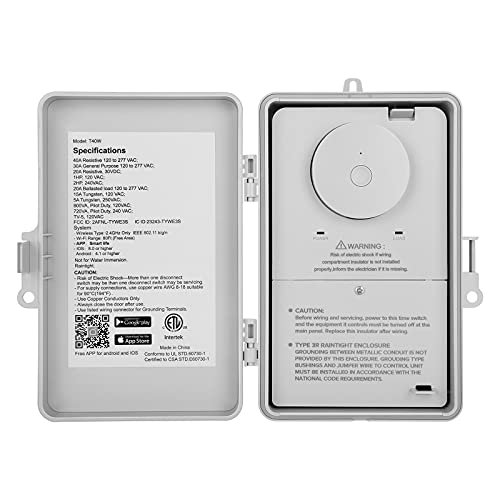
SURAIELEC WiFi Pool Timer, 40 AMP, 1HP 120V, 2HP 240V, Outdoor Indoor Smart Switch, Heavy Duty Pool Controller Light Timer Box for Pump, Water Heater, Spa, Powerful Electrical Appliances
Heavy Duty 40 AMP Pool Timer Switch: 1HP, 120 VAC; 2HP, 240VAC; Control high-power devices like pool filter…
As an affiliate, we earn on qualifying purchases.
As an affiliate, we earn on qualifying purchases.

Merrill MFG PRVNL50 1/2" No-Lead Pressure Relief Valve, Brass
Pressure relief valves are for protection against excessive pressure
As an affiliate, we earn on qualifying purchases.
As an affiliate, we earn on qualifying purchases.