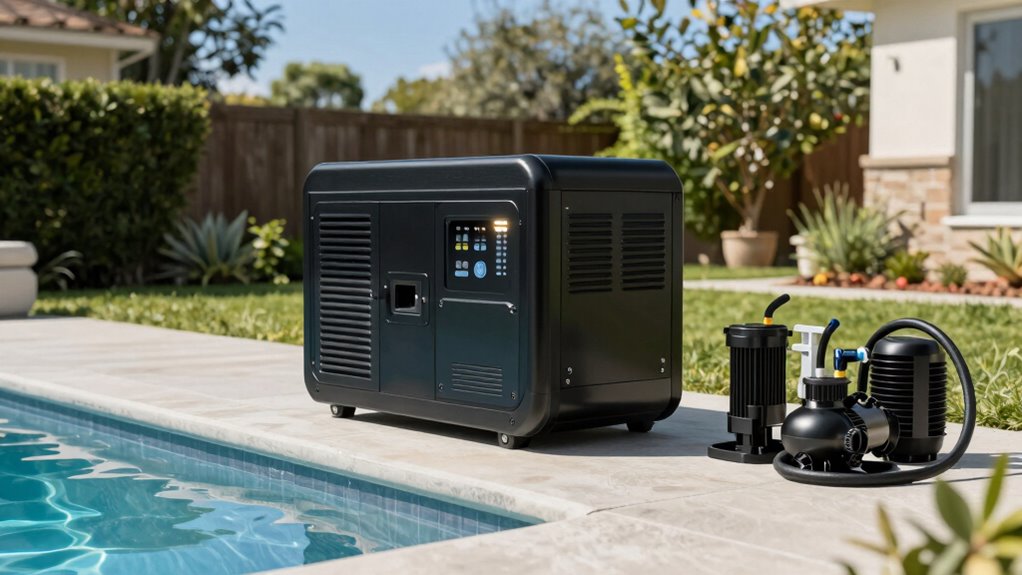
To safely use a generator backup for your pool, list all essential devices like pumps, filters, and heaters and calculate their total wattage. Only run equipment recommended by the manufacturer and avoid sensitive electronics or high-power appliances such as water heaters. Properly connect your generator using transfer switches and outdoor-rated cords, ensuring safe wiring and grounding. If you follow these tips, you’ll keep your pool running smoothly during outages—plus, you’ll discover more safety practices below.
Key Takeaways
- Run essential equipment like pool pumps, filters, heaters, and sanitation systems, ensuring total wattage does not exceed generator capacity.
- Avoid connecting sensitive electronics, solar pumps, and high-wattage appliances like water heaters during power outages.
- Use proper, outdoor-rated extension cords and install transfer switches to prevent electrical hazards.
- Implement surge protectors and proper grounding to safeguard equipment and ensure electrical safety.
- Regularly maintain your generator, monitor load capacity, and store fuel safely to ensure reliable backup operation.

100A Generator Transfer Switch, 24000W Heavy Duty Double Throw Safety Design, 120/240V Transfer Switch for Installation Outdoor and Indoor,Stronger Stability,Enlarged NEMA 3R Enclosure for Easy Wiring
【100 Amp Generator Transfer Switch】This transfer switch is perfect for shifting power from the utility grid to an…
As an affiliate, we earn on qualifying purchases.
As an affiliate, we earn on qualifying purchases.
How to Determine Your Pool Equipment’s Power Needs for a Generator
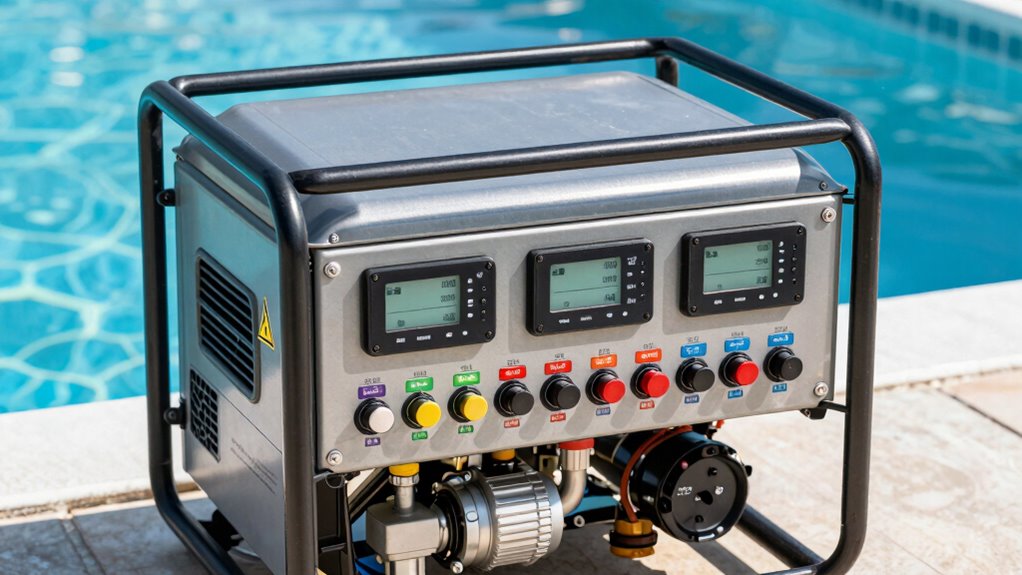
Before selecting a generator for your pool equipment, you need to determine its total power requirements. Start by listing all devices you plan to run, including pool pumps, filters, and outdoor lighting. Check each device’s manual or label for their wattage or amperage ratings. Don’t forget to think about pool chemistry equipment like automated chlorinators or heaters, which can considerably impact power needs. Add up the wattages to find the total load your generator must handle. Keep in mind that outdoor lighting, especially if it’s decorative or landscape lighting, can add to your power requirements. Ensuring your generator can handle the combined load prevents overloads and keeps your pool area running smoothly during outages. Accurate calculations help you choose a generator that’s both safe and effective. Additionally, understanding the power requirements of your equipment can help you select a generator with the appropriate capacity, avoiding potential damage or insufficient power supply. Being aware of home theatre projector specifications can also be beneficial if you plan to create a multi-purpose outdoor entertainment space. To ensure your measurements are precise, consider using reliable measurement tools designed for industrial and lab settings.
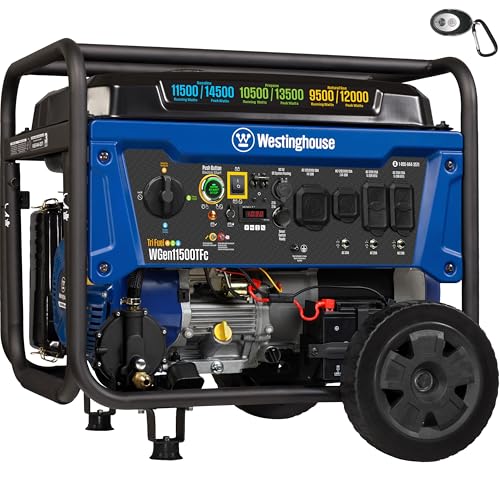
Westinghouse 14500 Peak Watt Tri-Fuel Home Backup Portable Generator, Remote Electric Start, Transfer Switch Ready, Gas, Propane, and Natural Gas Powered
Perfect as a backup power source for larger homes or a dependable source of portable power
As an affiliate, we earn on qualifying purchases.
As an affiliate, we earn on qualifying purchases.
Which Pool Devices Are Safe to Run on a Generator?
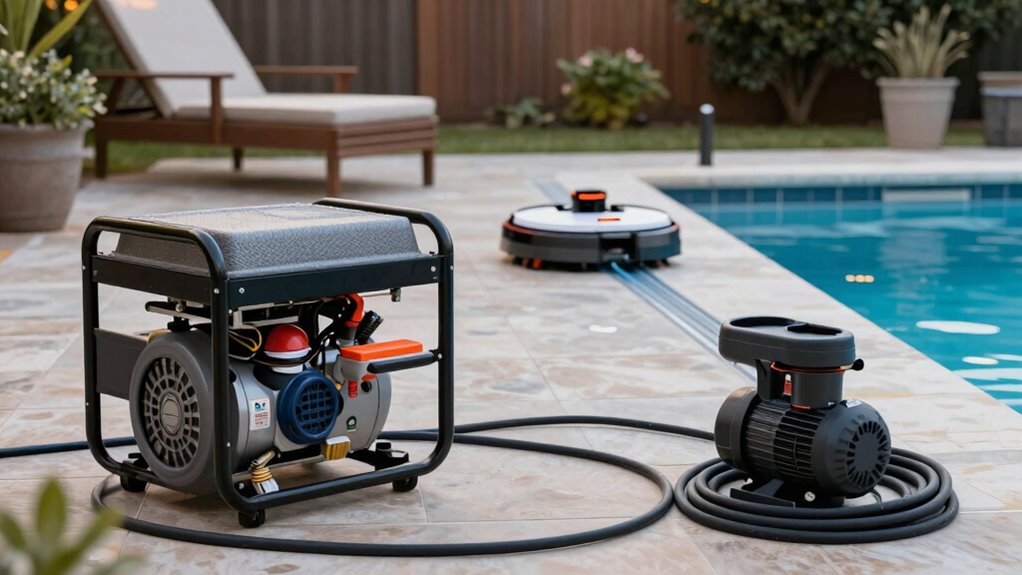
Not all pool devices are suitable to run on a generator, so it’s important to know which ones are essential and which ones are non-essential. Essential equipment, like the pump and filter, usually handle generator power well, but some non-essential devices may overload your system. Understanding these distinctions helps you prioritize safely running your pool equipment during a power outage. Additionally, considering free floating elements like outdoor furniture or landscaping features can help you plan for a more enjoyable backyard experience when the power is out. Being aware of cabling failures and proper installation practices can prevent damage and ensure your backup power system functions reliably when needed. Proper generator sizing is crucial to avoid overloads and ensure your critical devices operate smoothly during outages. Recognizing power surge risks can also help protect sensitive equipment from damage during generator startup. Furthermore, regularly inspecting your electrical connections can prevent potential failures and maintain system safety in emergency situations.
Essential Pool Equipment
During a power outage, running essential pool equipment on a generator can keep your pool safe and functional. The most critical devices include your pool heater and spa blower, which help maintain water temperature and air circulation. These appliances are generally safe to run with a properly sized generator, ensuring your pool remains comfortable and safe. To help you decide, here’s a quick look at essential equipment:
| Equipment | Safe to Run | Notes |
|---|---|---|
| Pool pump | Yes | Keeps water circulating |
| Pool heater | Yes | Maintains temperature |
| Spa blower | Yes | Ensures proper air flow |
| Chlorinator | Usually | Check manufacturer guidelines |
| Light fixtures | No | Typically not recommended |
Always verify your equipment’s power requirements before connecting. Proper understanding of pool equipment safety can prevent damage and ensure reliable operation during outages. Being aware of generator compatibility is essential to avoid overloading your system and causing potential hazards. Additionally, consulting your equipment’s manufacturer guidelines can provide specific safety instructions for your devices.
Non-Essential Devices
While many pool devices are considered non-essential during a power outage, some can still be safely operated on a properly sized generator to enhance convenience and enjoyment. For instance, holiday lighting can create a festive atmosphere even without grid power, boosting your home’s curb appeal. Outdoor appliances like small fountains or electric grills can also be powered if your generator can handle the load. However, avoid running large outdoor appliances or high-wattage devices that may strain your generator or pose safety risks. Keep in mind that non-essential doesn’t mean unnecessary—these devices can improve your outdoor experience during an outage. Always check the wattage requirements and ensure your generator’s capacity matches the devices you plan to run. Additionally, understanding power management strategies can help prevent overloads and ensure safe operation, especially when dealing with water-sensitive equipment. Proper load balancing techniques are essential to avoid overtaxing your generator and to maintain safety during use. Implementing proper wiring practices is also crucial to prevent electrical hazards and ensure reliable operation. Incorporating smart home integration can further optimize your backup power use by automating device prioritization and monitoring load capacity.

Southwire Outdoor Extension Cord – Durable Vinyl Jacket for For Farm, Ranch & Workshop – Lighted End With Reinforced Blades – SJTW, Yellow – 12 Gauge, 3 Prong – 50 Feet
ALL PURPOSE EXTENSION CORD for Indoor and Outdoor use Great for landscaping; gardening; and powering appliances
As an affiliate, we earn on qualifying purchases.
As an affiliate, we earn on qualifying purchases.
Pool Equipment to Avoid Connecting During Power Outages
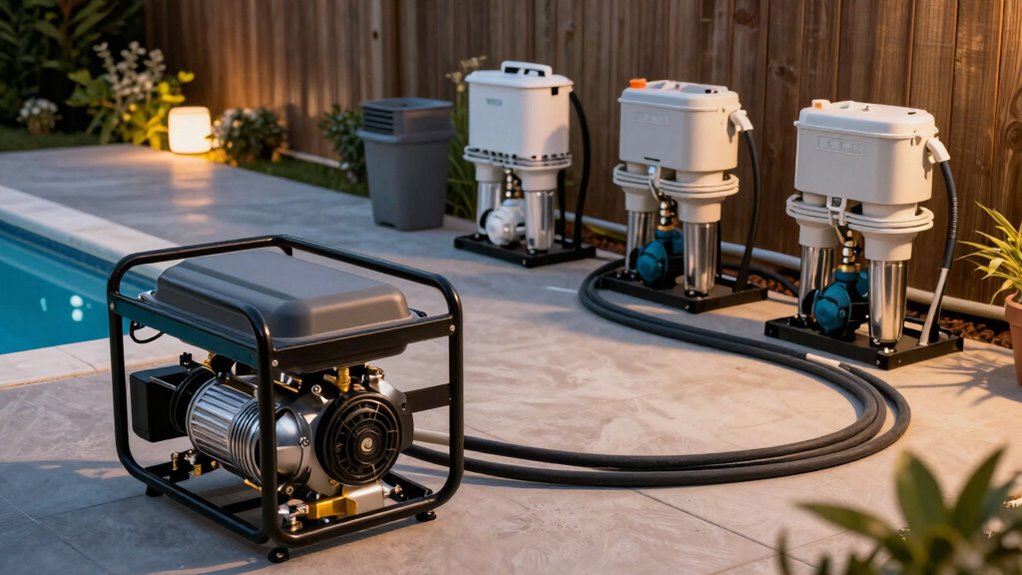
Are you aware of which pool equipment can cause problems if connected to a generator during a power outage? Solar pumps and water heaters are two critical systems to avoid. Solar pumps often have sensitive electronics that can be damaged if powered improperly or during fluctuations. Connecting a water heater can overload your generator, especially since they draw high starting currents. These devices may also operate at voltages or power levels unsafe for your generator or pose a risk of damage to your equipment. Attempting to run solar pumps or water heaters during a power outage can lead to equipment failure or electrical hazards. Generator safety guidelines emphasize the importance of understanding the electrical load capacities of your generator before connecting such appliances. It’s safer to leave these systems offline until utility power is restored or consult a professional for specific advice. Be aware that electrical load management can help prevent damage and ensure safety when using a generator with pool equipment. Additionally, implementing proper load distribution strategies can further reduce the risk of overloads and protect your devices.
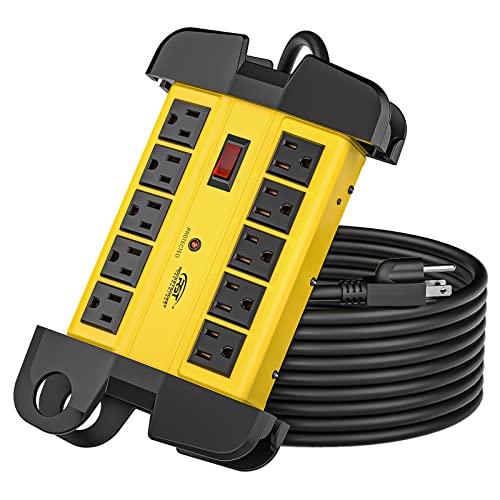
CRST 10-Outlets Heavy Duty Power Strip Metal Surge Protector with 15 Amps, 15-Foot Power Cord 2800 Joules for Garden, Kitchen, Office, School, ETL Listed(3165047) (10-Outlet, Yellow)
–Sturdy, extruded aluminum housing stands and Surge Protection constructed. CRST Industrial Power Strip is perfect for construction site,…
As an affiliate, we earn on qualifying purchases.
As an affiliate, we earn on qualifying purchases.
How to Safely Connect Your Pool Equipment to Your Generator
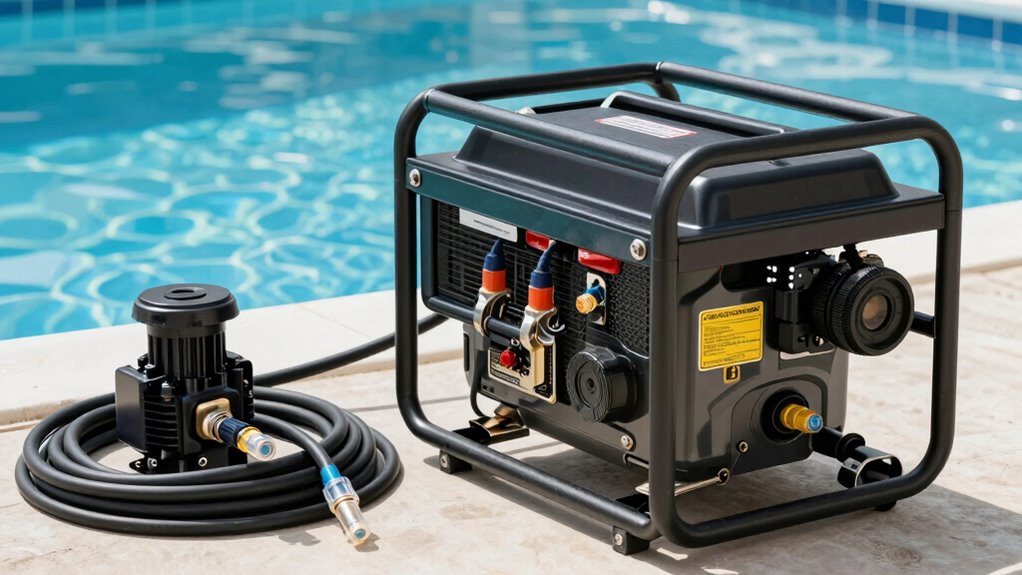
Connecting your pool equipment to a generator requires careful planning to guarantee safety and prevent damage. First, verify your generator has the proper sizing; it must provide enough power for your essential pool equipment without being overloaded. Calculate the total wattage of the devices you plan to run and select a generator that can handle this load comfortably. Proper power distribution is vital—avoid daisy-chaining multiple extension cords or connecting everything to a single outlet, which can cause overloads or electrical hazards. Use heavy-duty, outdoor-rated extension cords and keep connections secure and dry. Always test your setup before a storm or outage to confirm everything operates smoothly. By focusing on generator sizing and managing power distribution carefully, you can safely power your pool equipment during outages.
Why Use Transfer Switches and Proper Wiring for Pool Equipment
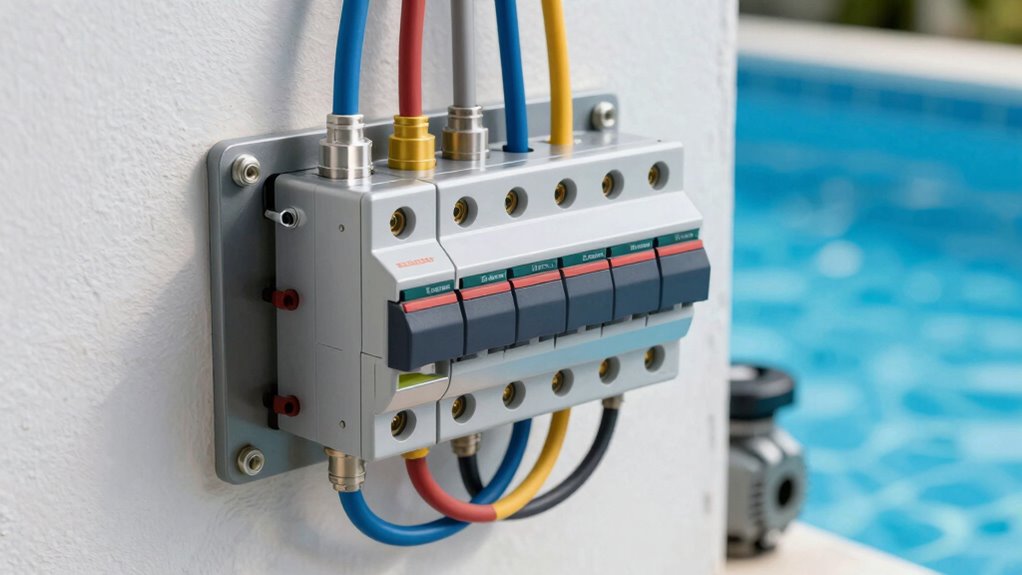
Using transfer switches and proper wiring is essential to guarantee your pool equipment operates safely and reliably during a power outage. Transfer switches prevent backfeeding, protecting you and utility workers. Proper wiring safety ensures connections are secure, reducing fire hazards and equipment damage. Here are four reasons to prioritize these features:
- Prevent electrical shock — transfer switches isolate your pool equipment from the main power grid.
- Ensure code compliance — proper wiring aligns with electrical standards.
- Protect your generator — correct wiring prevents overloads and damage.
- Enhance reliability — switches allow seamless transfer between utility power and backup power.
Investing in quality transfer switches and wiring safety measures keeps your pool equipment functioning safely, avoiding costly mishaps.
How to Handle Surge Currents and Protect Sensitive Pool Equipment
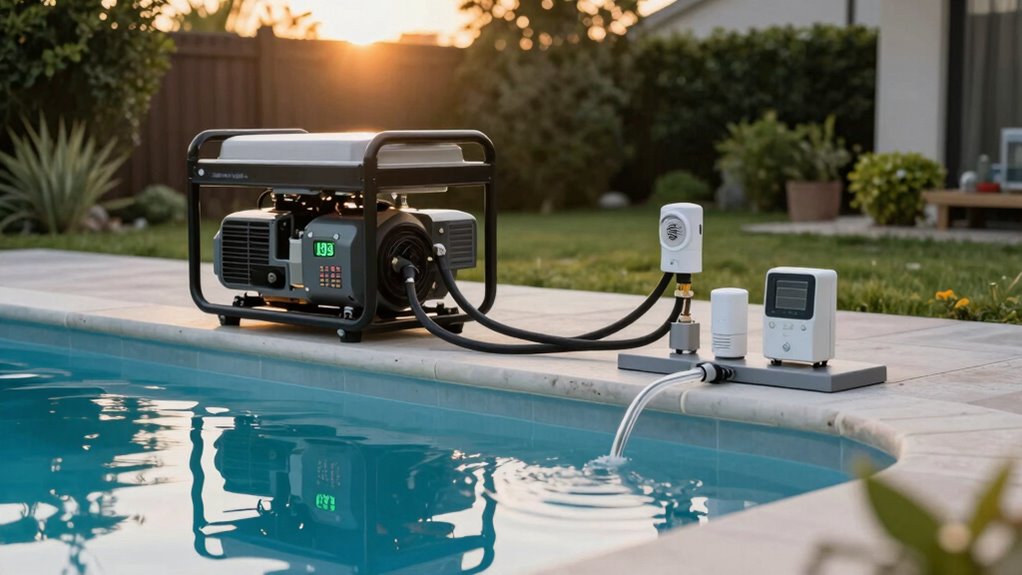
Surge currents can occur suddenly when equipment switches on or off, potentially damaging sensitive components in your pool system. To handle these surges, implementing surge protection devices is essential. These devices absorb or divert excess voltage, preventing damage to pumps, filters, and controllers. Proper equipment grounding also plays a critical role; it provides a safe pathway for excess electrical energy, reducing the risk of equipment failure or electrical shock. Ensure all your electrical connections are grounded according to local codes, and consider installing surge protectors at key points in your system. Regularly inspect and maintain these protections to keep your pool equipment safe during power fluctuations. By combining surge protection and robust grounding, you safeguard your system and extend the lifespan of your pool equipment.
Prioritizing Essential Pool Devices During Power Outages
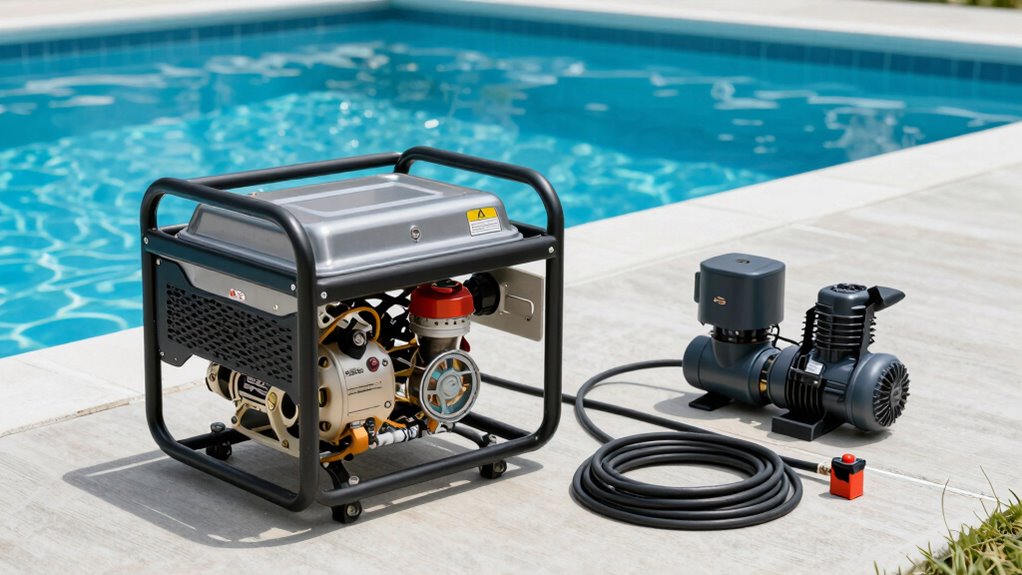
During a power outage, it’s essential to identify and prioritize your most indispensable pool devices to prevent damage and maintain safety. Focus on keeping your pool safe and functional by emphasizing key equipment.
Prioritize essential pool devices during outages to protect safety and prevent damage.
- Pool pump and circulation system – Ensures proper water flow, crucial for pool chemical safety and preventing algae growth.
- Pool heater – Maintains water temperature, avoiding freezing or overheating issues during extended outages.
- Pool chemical feeders – Keeps chemical levels balanced, reducing health risks and preventing damage.
- Pool cover motor – Protects the pool from debris and maintains safety, especially if you rely on pool cover maintenance. Prioritizing these devices helps preserve your pool’s integrity and safety during power outages.
Troubleshooting Generator Compatibility With Your Pool Equipment
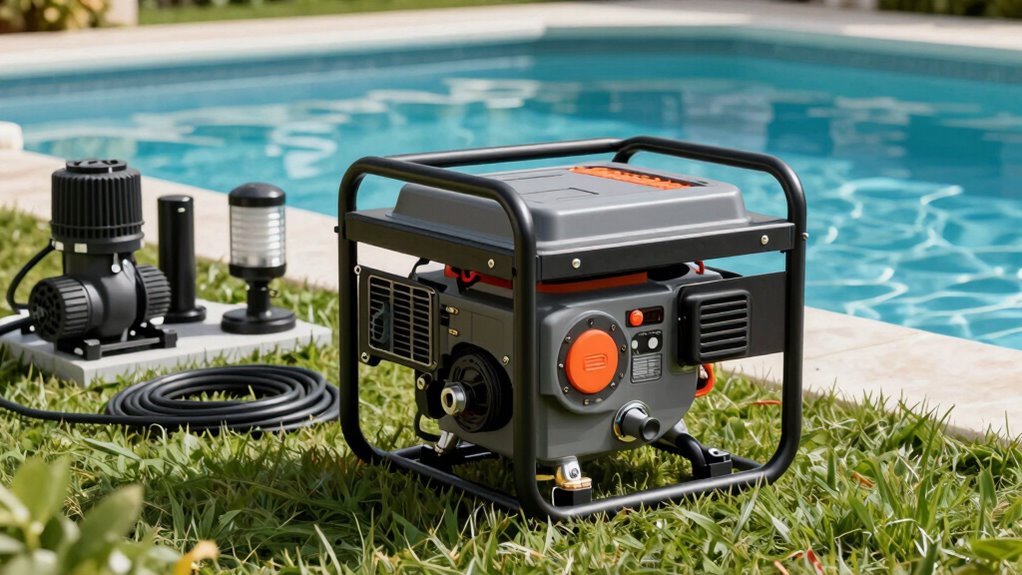
To confirm your generator works safely with your pool equipment, you need to check if the power requirements match. Making sure the connections are secure and properly rated is essential for safety. Addressing these compatibility points now helps prevent equipment damage and electrical hazards.
Power Requirements Compatibility
Before connecting your generator to your pool equipment, it’s vital to verify that the power requirements match. Mismatched wattage can cause equipment damage or failure. Keep these key points in mind:
- Check your pool equipment’s total wattage needs, especially during peak operation.
- Consider altitude considerations; higher elevations may require generator adjustments for peak performance.
- Confirm your generator’s rated wattage aligns with your pool’s needs to prevent overloads.
- Focus on fuel efficiency; a generator with appropriate power output uses less fuel and runs more reliably.
Matching power requirements guarantees safe operation, preserves your equipment, and guarantees efficient energy use during outages. Always double-check specifications before plugging in.
Connection Safety Considerations
Ensuring safe connection of your generator to pool equipment is essential to prevent electrical hazards and equipment damage. Start by verifying proper grounding safety; a properly grounded generator reduces the risk of shocks and short circuits. Use a dedicated, weatherproof outlet and ensure all connections are secure. Be cautious with fuel storage—store fuel in approved containers away from the pool area, and never refuel the generator while it’s running or hot. This minimizes fire risk and fuel-related hazards. Check that your generator’s transfer switch is compatible and correctly installed to prevent back-feeding into the grid. By following these safety considerations, you protect yourself, your equipment, and your property during backup power use.
Safety Tips for Operating Pool Equipment With a Generator Backup
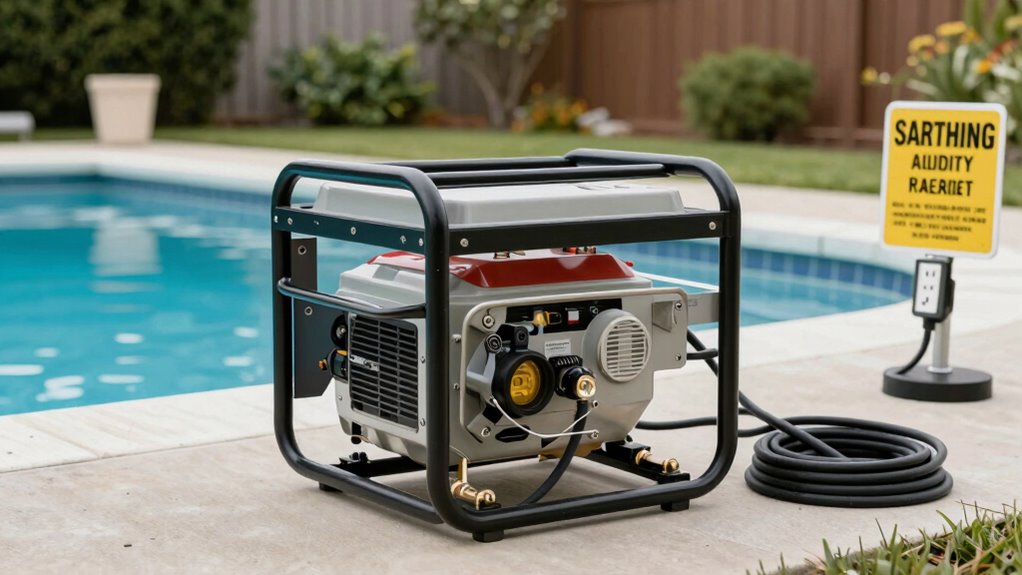
Operating your pool equipment with a generator backup requires careful attention to safety. To keep everyone safe and your pool in top shape, follow these tips:
- Always check your pool cover to ensure it’s secure and not interfering with equipment operation.
- Maintain proper chemical balance before turning on equipment to prevent hazardous reactions.
- Use grounding devices and double-check connections to prevent electrical hazards.
- Monitor your generator closely, avoiding overloads by only running essential equipment.
Additional Devices and Accessories to Support Your Pool During Power Outages
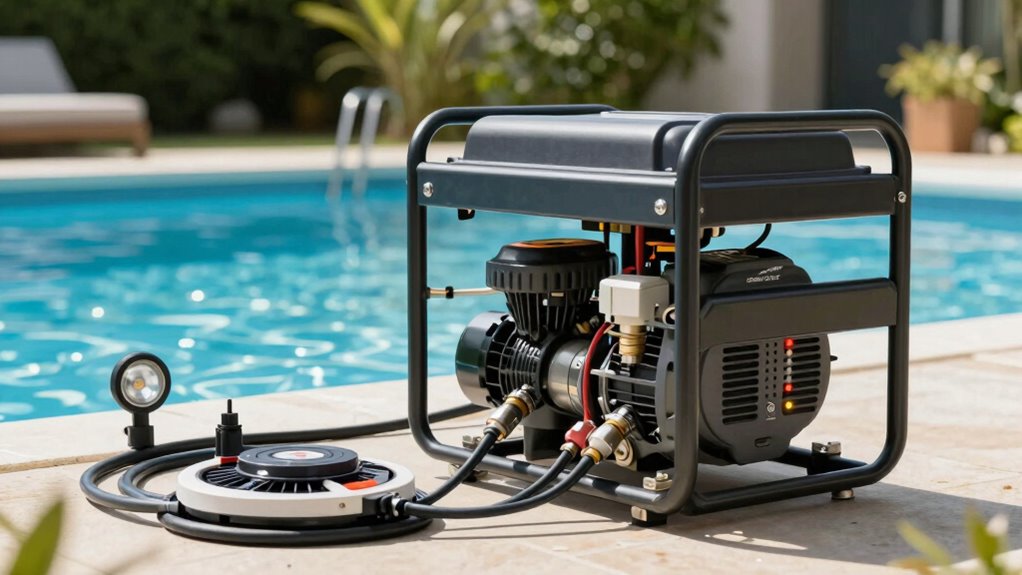
To keep your pool safe and functional during power outages, consider adding essential lighting options so you can see clearly at night. Maintaining proper water circulation is also vital to prevent stagnation and algae growth. These accessories ensure your pool remains inviting and manageable even when the power’s out.
Essential Lighting Options
During a power outage, having reliable lighting options is essential to keep your pool area safe and accessible. Solar lighting and decorative lamps are excellent choices because they’re energy-efficient and easy to install. Here are four essential lighting options:
- Solar pathway lights to illuminate walkways and prevent trips.
- Solar-powered decorative lamps that add ambiance and style.
- Battery-operated floodlights for bright, focused illumination.
- Portable lanterns that can be easily moved around your pool area.
These options ensure you can see clearly and maintain safety without relying solely on your generator. Combining solar lighting with battery-powered devices provides reliable, eco-friendly illumination during outages, keeping your pool area functional and inviting.
Maintaining Water Circulation
Ever wondered how to keep your pool water properly circulated when the power’s out? Using a generator, you can run essential equipment like a small pump to maintain circulation. This helps prevent stagnation and reduces algae growth. Consider installing a chlorine feeder connected to your generator, so you can continue sanitizing the water even during outages. Also, using a pool cover minimizes debris and evaporation, maintaining water quality and temperature. If you have a backup pump, ensure it’s compatible with your generator’s capacity. Proper circulation keeps chemicals evenly distributed, improves water clarity, and protects your investment. Remember, only run equipment rated for your generator’s power output to avoid damage or safety hazards. Staying proactive keeps your pool healthy, even when the grid goes down.
Frequently Asked Questions
Can I Run My Pool Heater off a Portable Generator?
You can run your pool heater off a portable generator if you prioritize generator safety and proper power management. Make certain your generator supplies enough wattage and is grounded correctly. Avoid overloading it, as this can cause damage or safety hazards. Use a transfer switch or a dedicated circuit, and never run the heater directly from a generator without proper setup. Always follow manufacturer instructions for safe operation.
What Is the Maximum Wattage My Generator Should Have?
Your generator capacity should comfortably handle your pool equipment’s wattage limits, so aim for a unit with a higher wattage than your maximum load. Generally, a generator with at least 3,000 to 5,000 watts is advisable for typical pool accessories, but always check your equipment’s specific wattage requirements. Remember, exceeding your generator’s wattage limits can lead to stress and potential failure, so choose wisely to keep everything running smoothly.
Are There Specific Generator Brands Recommended for Pool Equipment?
You should look for generator brands known for high compatibility with pool equipment, like Honda, Generac, and Briggs & Stratton. Check their generator ratings to make certain they provide enough wattage for your pool pump and accessories. Brands with reliable build quality and positive user reviews tend to offer better performance and durability. Always verify that the generator’s power output matches or exceeds your pool equipment’s requirements for safe operation.
How Long Can My Generator Safely Power Pool Devices?
You can typically run your generator for about 8 to 12 hours safely, depending on its size and fuel capacity. To maximize runtime, perform regular generator maintenance and guarantee fuel efficiency by keeping the engine in good condition. Always follow manufacturer guidelines, avoid overloading, and monitor fuel levels closely. Proper maintenance not only extends your generator’s lifespan but also ensures safe, reliable power for your pool equipment during outages.
Is It Safe to Run Pool Lights on a Backup Generator?
Yes, it’s generally safe to run pool lights on a backup generator if you guarantee proper pool light safety and correct generator wiring. You should verify that your generator can handle the load and that the wiring is installed by a professional. Avoid overloading the generator, which could cause damage or safety hazards. Always follow manufacturer guidelines and consult an electrician to ensure safe operation during power outages.
Conclusion
With the right setup, your pool remains a invigorating oasis even during power outages. Knowing what equipment is safe to run and how to connect everything properly can prevent disaster and keep your pool paradise intact. Don’t let a blackout turn your backyard into a no-man’s land—use your generator wisely and confidently. When done right, you’ll be swimming in peace, knowing your pool is protected like a fortress against the darkness.