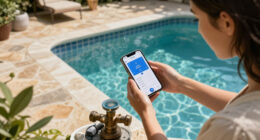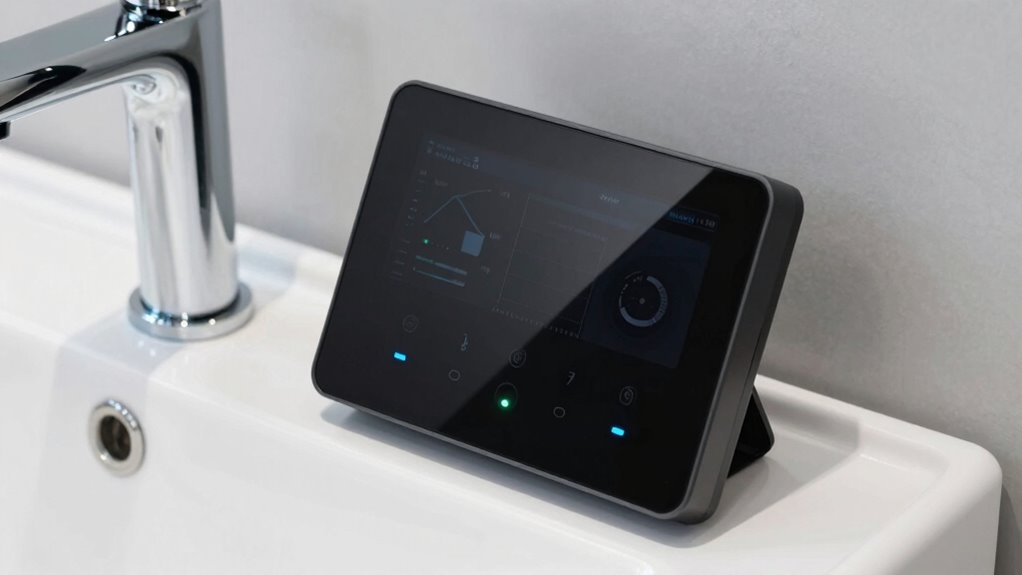
Sensor drift in your smart water monitor happens when environmental factors, chemical interference, or sensor degradation cause inaccurate readings over time. Look out for sudden changes, inconsistent data, or deviations from reference samples to identify issues. Regular calibration with certified standards and proper maintenance help keep your sensor accurate long-term. If you’re unsure or issues persist, it’s best to seek professional help. Keep going to discover detailed steps and tips for maintaining your monitor’s performance.

Get pool and patio gear delivered free with Prime
- Fast, free delivery on millions of items
- Prime Video, Amazon Music and more included
- Member-only deals all year
Key Takeaways
- Sensor drift occurs due to chemical interference, environmental factors, and sensor degradation, leading to inaccurate water quality readings.
- Regular calibration with certified standards and reference samples is essential to maintain sensor accuracy.
- Indicators such as sudden data fluctuations or discrepancies with benchmarks signal the need for recalibration.
- Following manufacturer guidelines and documenting calibration activities help ensure long-term sensor reliability.
- Monitoring environmental conditions and performing routine maintenance prevent sensor drift and enhance measurement stability.
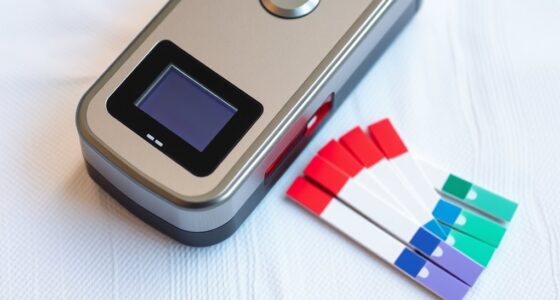
smart water monitor calibration kit
As an affiliate, we earn on qualifying purchases.
As an affiliate, we earn on qualifying purchases.
What Causes Sensor Drift in Water Monitors and Why It Matters
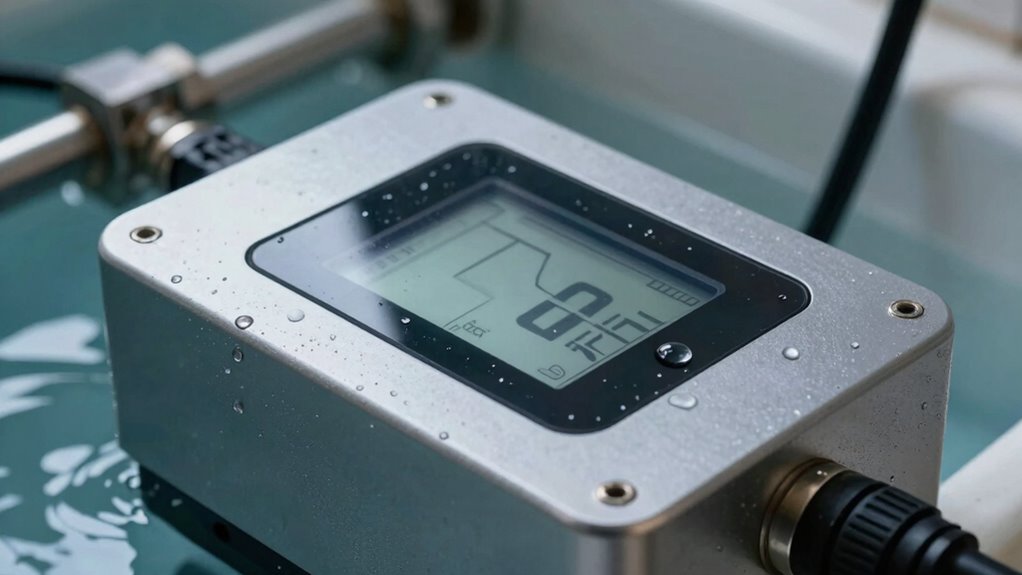
Sensor drift in water monitors occurs when a sensor’s readings gradually become inaccurate over time, even if the water quality remains unchanged. This drift often results from chemical interference, where substances in the water disrupt sensor accuracy. Environmental factors, like temperature fluctuations, humidity, or exposure to sunlight, can also cause sensors to degrade or respond inconsistently. Over time, these influences lead to false readings, making it harder to rely on your monitor’s data. Recognizing these causes is essential because uncorrected drift can lead to incorrect assessments of water quality, potentially causing health or safety issues. Regular maintenance, calibration, and understanding environmental impacts help guarantee your water monitor remains accurate and effective over its lifespan. Additionally, sensor technology advancements are continuously improving the stability and reliability of water quality measurements, reducing the impact of drift over time. Being aware of sensor durability can help users choose monitors that are more resistant to environmental influences and require less frequent recalibration. Furthermore, implementing advanced calibration techniques can significantly mitigate the effects of sensor drift and maintain measurement accuracy over extended periods.
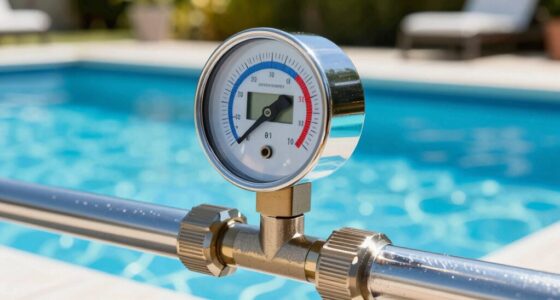
water quality sensor calibration standards
As an affiliate, we earn on qualifying purchases.
As an affiliate, we earn on qualifying purchases.
How Can I Tell if My Water Sensor Is Giving Inaccurate Readings?
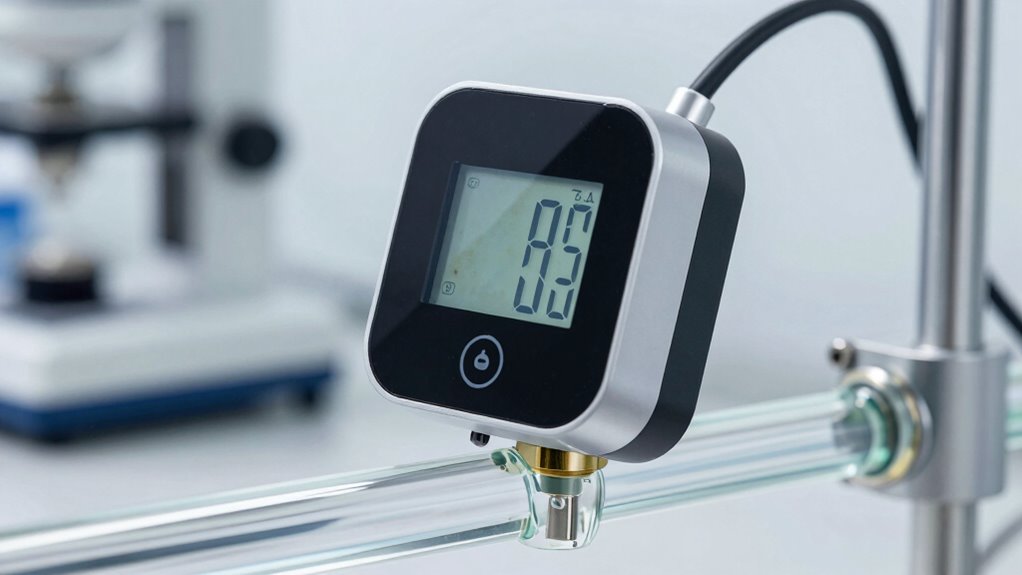
To spot if your water sensor is giving inaccurate readings, start by checking its calibration status to make certain it’s set correctly. Keep an eye out for sudden or unexpected changes in the readings, which could indicate a problem. You can also compare the sensor’s data with reference samples to verify its accuracy. Regular maintenance and inspection help ensure the sensor remains reliable, especially in environments prone to sensor drift. Additionally, understanding Free Floating systems can aid in recognizing how environmental factors influence sensor performance over time. Being aware of sensor calibration procedures can further improve the accuracy and longevity of your water monitoring system. Monitoring sensor accuracy regularly allows you to detect issues early and maintain reliable data over time. Recognizing the effects of environmental influences can help in adjusting calibration schedules accordingly.
Check Sensor Calibration Status
Wondering if your water monitor is providing accurate readings? The best way to check is by reviewing its calibration status regularly. Many smart water monitors have built-in indicators or app alerts that notify you when calibration is due or if sensor accuracy is may be compromised. If your device lacks these features, consider performing a manual calibration check using a known water sample or standard. Keep in mind that calibration frequency varies depending on the sensor type and usage conditions, so adhering to the manufacturer’s recommendations helps maintain accuracy. Regularly checking your sensor’s calibration status ensures reliable readings and prevents unnoticed inaccuracies that could lead to water waste or damage. Staying proactive helps you catch drift early and keep your water monitoring system functioning correctly. Additionally, understanding sensor drift can help you anticipate when recalibration might be necessary before issues arise. Monitoring techniques can also improve your ability to detect when your sensor readings are no longer trustworthy.
Keeping an eye on sensor performance can further aid in maintaining accurate measurements over time.
Monitor Sudden Reading Changes
Regularly checking your water monitor’s calibration helps guarantee accurate readings, but sudden changes can still signal issues. If you notice unexpected fluctuations, it may indicate a sensor malfunction or environmental factors affecting the device. To identify inaccuracies:
- Check for erratic or inconsistent readings over a short period.
- Consider recent environmental changes like temperature or humidity shifts that could impact sensor performance.
- Inspect the sensor for physical damage, corrosion, or debris that might cause malfunction.
- Understanding sensor behavior can help you better interpret the significance of sudden reading shifts and determine whether recalibration is necessary. Recognizing cryptid mysteries and their influence on local folklore can also offer insights into unusual environmental phenomena that sometimes affect sensor readings. For example, local folklore and mysterious sightings may reflect unusual atmospheric or environmental conditions that could temporarily influence sensor accuracy.
Sudden reading shifts don’t always mean your sensor is faulty, but they warrant closer inspection. Environmental factors can temporarily skew results, while sensor malfunctions often produce persistent errors. Address these signs promptly to maintain reliable water monitoring.
Compare With Reference Samples
How can you tell if your water sensor is giving inaccurate readings? One effective method is through sensor comparison by conducting a reference analysis. You can test your sensor’s accuracy by comparing its current readings with those from a trusted reference sample or a calibrated standard. If the sensor’s data markedly diverges from the reference, it indicates potential drift or malfunction. Regularly collecting reference samples and analyzing them alongside your sensor’s output helps identify inconsistencies. This process provides a clear comparison, allowing you to determine whether recalibration is necessary. By systematically comparing your sensor’s readings with known benchmarks, you ensure your water quality data remains accurate, giving you confidence in your monitoring system’s reliability. Additionally, monitoring for sensor drift over time can help catch issues early and maintain measurement precision.
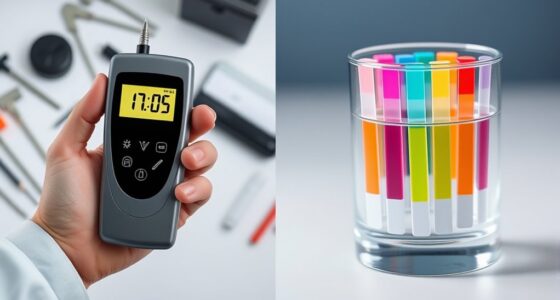
sensor drift detection water monitor
As an affiliate, we earn on qualifying purchases.
As an affiliate, we earn on qualifying purchases.
How to Recalibrate Your Water Sensor : Easy Step-by-Step
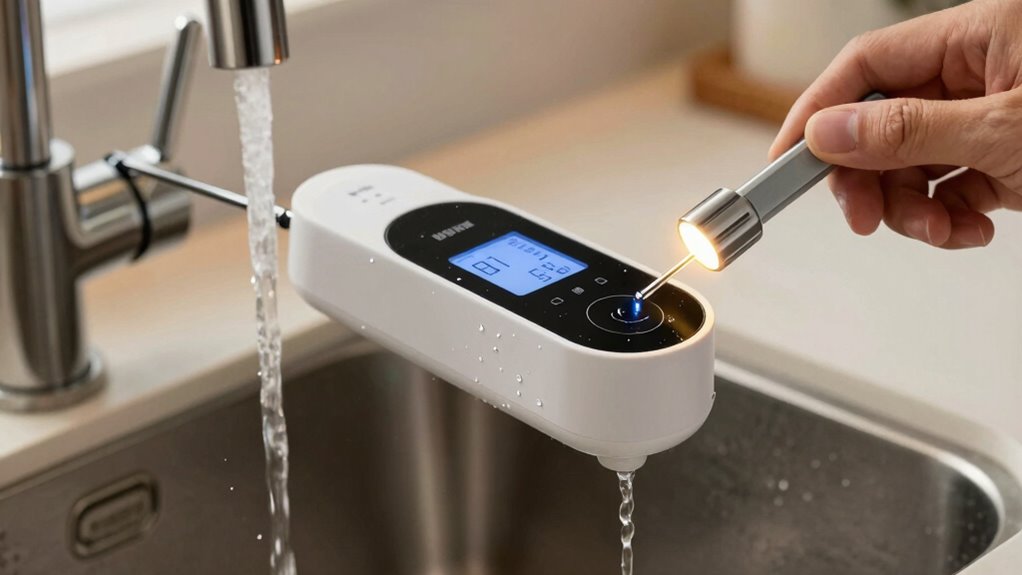
Recalibrating your water sensor guarantees it provides accurate readings and reliable performance. To start, verify you have a clean surface and fresh calibration solutions. Then, follow these steps:
- Prepare calibration standards that match your desired water quality parameters.
- Access the sensor calibration mode through your device’s settings.
- Perform the calibration by immersing the sensor in the standards, allowing it to stabilize, then saving the new calibration data. Sensor drift can occur due to environmental factors or prolonged use, making recalibration necessary for maintaining accuracy.
- Regular checks can help identify sensor inaccuracies caused by environmental influences or material degradation, prompting timely recalibration. Being aware of sensor lifespan can also guide when to perform comprehensive maintenance or replacements.
This process helps correct sensor drift and maintains precise water quality measurements. Regular recalibration ensures your smart water monitor continues to deliver trustworthy data, enabling you to make informed decisions about your water system. Keep in mind, proper sensor calibration is essential for accurate water quality assessment and long-term device performance.
professional water sensor calibration service
As an affiliate, we earn on qualifying purchases.
As an affiliate, we earn on qualifying purchases.
Practical Tips to Keep Your Water Sensor Accurate Long-Term
To guarantee your water sensor stays accurate over time, it’s important to follow regular calibration practices and check its performance periodically. Keeping sensors clean prevents buildup that can skew readings, so routine maintenance is key. Additionally, monitoring indoor air quality can help identify if your water sensor is providing reliable data, since environmental factors may influence sensor accuracy. By staying attentive to these tips, you’ll keep your water monitor reliable for the long haul.
Regular Calibration Practices
Regular calibration is essential to guarantee your water sensor remains accurate over time. Proper sensor maintenance and setting an appropriate calibration frequency help prevent drift and ensure reliable readings. To optimize your practices, consider these key tips:
- Schedule calibration at regular intervals based on manufacturer recommendations and your water conditions.
- Keep detailed records of calibration dates and results to track sensor performance.
- Use certified calibration standards and methods to verify accuracy during each maintenance session.
Monitor Sensor Performance
Keeping your water sensor performing accurately over time requires ongoing attention beyond calibration. To maximize sensor longevity, regularly monitor its performance by comparing readings to known standards or reference measurements. Track trends to identify early signs of drift, which can indicate the need for recalibration or maintenance. Adjust calibration frequency based on sensor behavior; more frequent recalibrations help maintain accuracy, especially in challenging water conditions. Avoid neglecting performance checks, as sensor drift can lead to inaccurate data, compromising your water management. Implement routine performance assessments to catch issues early, ensuring your sensor remains reliable. Properly monitoring performance not only extends the lifespan of your device but also guarantees the precision necessary for effective water monitoring over the long term.
Maintain Clean Sensors
Since dirt, algae, and mineral buildup can impair sensor accuracy, it’s essential to keep your water sensor clean. Regular sensor cleaning prevents debris from skewing readings and extends its lifespan. Incorporate these maintenance routines for peak performance:
- Rinse the sensor with clean water weekly to remove surface buildup.
- Use a soft brush or cloth to gently scrub any stubborn deposits.
- Periodically, soak the sensor in a mild cleaning solution recommended by the manufacturer.
Following these steps ensures your sensor remains accurate and responsive. Consistent maintenance routines minimize drift caused by dirt and biofouling, reducing the need for recalibration. Keeping sensors clean isn’t just about accuracy; it’s about maintaining reliable data over the long term. Make sensor cleaning a regular part of your water monitoring routine for best results.
Common Mistakes to Avoid During Sensor Recalibration
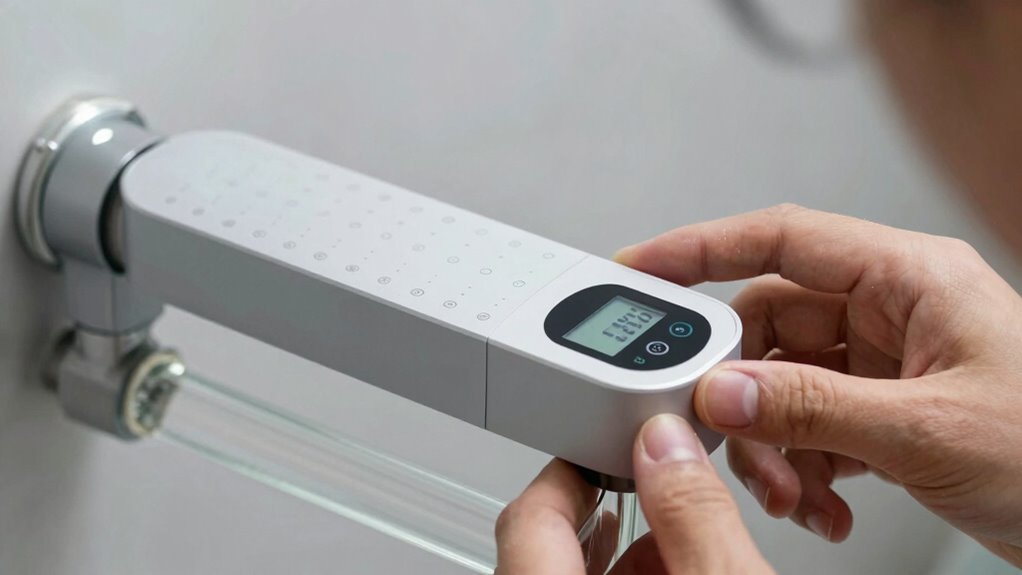
Recalibrating water sensors requires careful attention to detail, as overlooking common mistakes can compromise their accuracy. One mistake to avoid is rushing through the sensor calibration process; taking your time ensures more precise results. Another is skipping proper cleaning beforehand, which can lead to inaccurate readings and skew water quality data. Using incorrect calibration solutions or ignoring manufacturer instructions can also cause errors. Additionally, failing to document calibration procedures or results hampers future troubleshooting. Avoid calibrating in unstable water conditions, such as during contamination events, since this can produce unreliable baseline readings. Finally, don’t forget to verify calibration after completing the process. These mistakes can undermine your water quality monitoring efforts and lead to false data, affecting decision-making and system performance.
When Should You Call a Professional for Sensor Calibration Help
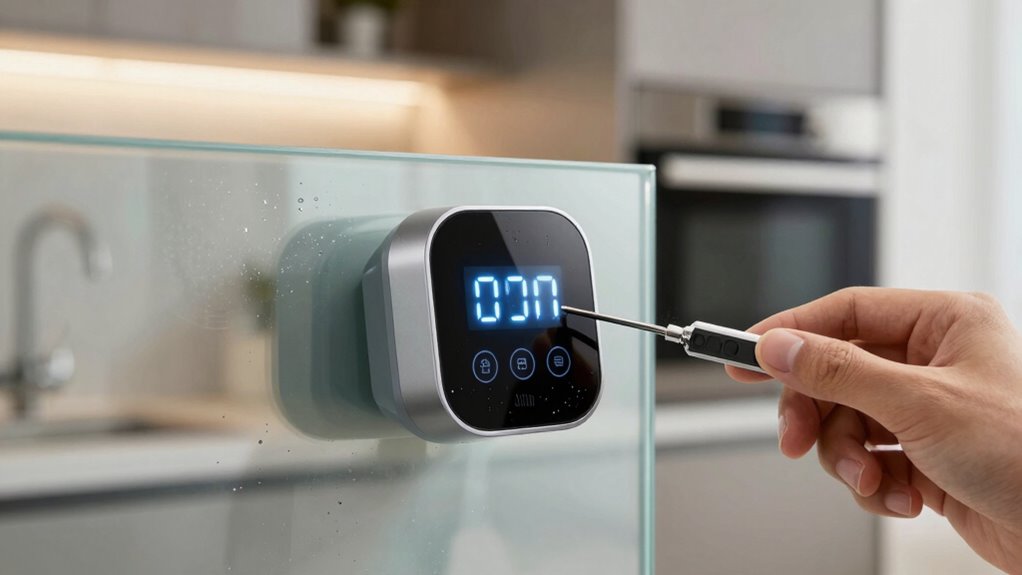
While regular calibration can often be performed by yourself, there are times when calling a professional becomes essential to guarantee your water sensors remain accurate. You should seek professional assistance if you notice persistent inaccuracies, sensor drift that worsens over time, or if calibration attempts repeatedly fail. These situations indicate that your sensor may need calibration expertise beyond your skills.
Consider consulting a specialist when:
- The sensor readings are consistently off despite recalibration attempts
- You lack the necessary tools or knowledge for proper calibration
- Precision is critical, such as for regulatory compliance or sensitive applications
In these cases, professional help ensures your sensors stay reliable and accurate, preventing costly errors.
Frequently Asked Questions
How Often Should I Recalibrate My Water Sensor?
You should recalibrate your water sensor every six months to guarantee accuracy. Regular calibration intervals help maintain sensor lifespan and prevent drift issues. Keep an eye on sensor readings—if you notice inconsistencies or unexpected fluctuations, recalibrate sooner. Proper maintenance and periodic recalibration ensure your water monitor provides reliable data, saving you from costly errors and extending the device’s overall lifespan.
Can Environmental Factors Affect Sensor Accuracy?
Environmental factors can certainly throw your sensor off course, like gusts of wind disturbing a calm pond. As your sensor ages, it becomes more sensitive to interference from temperature swings, humidity, and chemical exposure. These elements act like invisible hands, tugging at its accuracy. You should keep an eye on readings, and if you notice inconsistencies, it’s time to recalibrate. Protect your sensor from harsh conditions to maintain reliable, precise measurements.
What Are Signs of Irreversible Sensor Damage?
If your sensor shows persistent, uncorrectable inaccuracies despite recalibration, it likely has irreversible damage. Signs include inconsistent readings, rapid signal degradation, or complete failure to respond. Sensor lifespan varies, but damage can occur earlier due to environmental stress. Once damage is irremediable, calibration accuracy no longer improves, and replacing the sensor becomes necessary to ensure reliable measurements and system performance.
Are There DIY Methods to Fix Sensor Drift?
Sensor drift can feel like a mountain you can’t climb, but DIY methods can help. You can try DIY calibration by following your monitor’s instructions, and sometimes, sensor cleaning with a soft brush or cloth can restore accuracy. However, if drift persists, it might be time to replace the sensor. Be cautious, as improper DIY fixes could cause more harm than good, so weigh your options carefully.
How Does Sensor Type Influence Calibration Frequency?
Sensor type directly influences calibration frequency because different sensors have varying compatibility and sensitivity levels. For example, electrochemical sensors may need more frequent recalibration, while optical sensors often require less. You should consider the sensor’s compatibility with your water monitor and adhere to recommended calibration intervals to guarantee accurate readings. Regular calibration helps maintain sensor performance, especially when dealing with environmental factors or sensor aging that can affect accuracy over time.
Conclusion
Keeping your water monitor accurate is like tending a garden—you need to regularly check, adjust, and care for it. By understanding sensor drift, recognizing when readings are off, and recalibrating properly, you guarantee your water data stays reliable. Don’t let small inaccuracies grow into big problems; stay proactive. With these tips, your water sensor will stay as steady as a calm lake, providing you peace of mind every time you check it.
Halloween Picks
halloween
As an affiliate, we earn on qualifying purchases.