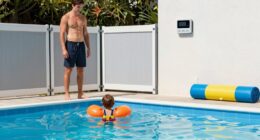
Swimming and water therapy help you relax and gain mental clarity by creating a calming environment that reduces stress and lifts your mood. When you focus on your breath, strokes, and the sensations of water, you practice mindfulness, which keeps you present and lowers anxiety. The weightless feel of water also eases physical tension, promoting emotional resilience. Keep exploring to discover how these activities can transform your mental health and well-being even further.
Key Takeaways
- Water immersion promotes relaxation, reduces stress, and enhances mental clarity through calming sensations and mindfulness.
- Swimming acts as a meditative activity, improving focus and mental presence over time.
- Water therapy releases mood-enhancing endorphins, boosting emotional well-being and resilience.
- Engaging in water activities increases mindfulness and present-moment awareness, lowering anxiety.
- Regular water therapy supports overall psychological health by decreasing mental clutter and fostering emotional balance.

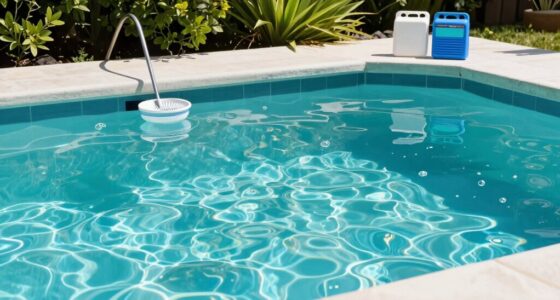
Swimming and water therapy offer more than physical benefits; they can profoundly boost your mental well-being. When you immerse yourself in water, you create an environment that naturally encourages relaxation and mindfulness. The soothing sensation of water enveloping your body can markedly reduce stress levels, helping you let go of daily worries. As you glide through the water, your mind shifts focus from intrusive thoughts to the rhythmic, calming motions of swimming. This shift promotes stress reduction, making it easier to find mental clarity amid the chaos of everyday life.
The act of swimming requires you to concentrate on your breathing, stroke techniques, and body position. This focused attention acts as a form of meditation, allowing your mind to clear itself of clutter and distractions. Over time, regular water therapy sessions can enhance your ability to stay present and centered, fostering a sense of calm that carries over into other areas of your life. The gentle resistance of water also stimulates your body’s relaxation response, releasing endorphins that elevate your mood and reinforce feelings of well-being.
Many people find that water therapy creates a peaceful, almost meditative state that’s difficult to achieve through other activities. The weightlessness you experience in water reduces physical tension, which often correlates with mental tension. As your muscles relax, your mind follows suit, resulting in a clearer, more focused mental state. This mental clarity can improve your overall outlook, boost creativity, and help you approach challenges with a calmer, more balanced perspective.
Water’s gentle weightlessness relaxes muscles and clears the mind, fostering calm, focus, and emotional balance.
Furthermore, the environment of a pool or natural water setting encourages mindfulness. You become more aware of your breath, body movements, and surroundings, grounding you in the present moment. This mindfulness practice is known to lower anxiety and enhance emotional resilience. As a result, swimming and water therapy serve as powerful tools not just for physical health but for mental resilience as well. They provide a space where you can disconnect from stressors and reconnect with a sense of tranquility.
In short, engaging in water-based activities helps you detach from mental clutter, promoting stress reduction and mental clarity. Whether you’re swimming laps, floating, or participating in water therapy sessions, you’re actively nurturing your mental health. The calming properties of water help you reset, recharge, and face daily stresses with a clearer, more focused mind. It’s a simple yet effective way to enhance your psychological well-being, making water therapy a valuable addition to your self-care routine.

New Aqua Water Fitness Deluxe Flotation Belt – Adult Aquatic Swim Belt for Water Aerobics and Other Pool Exercise – Black/Blue
Low-impact exercise: Challenge yourself with fun, low-impact pool exercise to alleviate stress on your joints; swim belt is…
As an affiliate, we earn on qualifying purchases.
As an affiliate, we earn on qualifying purchases.
Frequently Asked Questions
Can Water Therapy Help With Anxiety Disorders?
Water therapy can help with anxiety disorders by promoting aquatic mindfulness, which helps you focus on your breath and sensations in the water, reducing stress. Water aromatherapy enhances relaxation, making it easier to calm your mind. As you immerse yourself, you may experience less anxiety and improved mood. Regular practice of water therapy combines these calming techniques, offering you a natural, soothing way to manage anxiety effectively.
How Quickly Can I Notice Mental Health Improvements From Swimming?
You might start feeling the mental health perks within days, especially if you plunge into breathing techniques and social interactions in the pool. Imagine trading stress for splashy serenity after just a few sessions—your mood lifting faster than a swimmer reaching the wall. Regular swims boost endorphins, improve focus, and reduce anxiety. So, don’t be surprised if your mental clarity sharpens after your first week—your brain’s just catching up with your swimming skills.
Is Water Therapy Effective for Children or Elderly Individuals?
Water therapy is highly effective for children and elderly individuals. It supports child development by promoting motor skills, coordination, and confidence. For the elderly, it helps improve mobility, reduce joint pain, and boost overall well-being. You’ll notice benefits quickly as the gentle resistance and buoyancy ease movement and enhance strength. Water therapy offers a safe, enjoyable way to foster physical and mental health across all ages.
Are There Specific Water Exercises That Boost Mood More Than Others?
You’ll find that aquatic yoga and water aerobics are particularly effective at boosting your mood. Aquatic yoga combines gentle stretching with calming water support, reducing stress and promoting relaxation. Water aerobics, on the other hand, adds a fun, energetic element that releases endorphins and lifts your spirits. Both exercises allow you to enjoy the psychological benefits of water while engaging in activities that enhance your overall mood and well-being.
Can Swimming Replace Traditional Psychological Treatments for Depression?
Sure, swimming can seem like a magical cure, but it won’t replace traditional treatments for depression. While it offers mindfulness benefits and boosts social interaction, it’s best seen as a helpful supplement rather than a standalone solution. You still need therapy and possibly medication, but don’t underestimate the joy and relief water activities can bring to your mental health journey—they’re just not a substitute for professional care.

Aegend Swim Goggles, Swimming Goggles No Leaking Full Protection Adult Men Women Youth
Adult Swim Goggles-The Aegend has a significant influence. This adult swimming goggles are popular among swimming enthusiasts. With…
As an affiliate, we earn on qualifying purchases.
As an affiliate, we earn on qualifying purchases.
Conclusion
So, next time life feels overwhelming, just plunge into a pool. Imagine your worries dissolving faster than a rubber duck in a flood, leaving you floating on a sea of calm. Water therapy isn’t just about staying afloat; it’s your secret weapon against stress, turning your mind into a tranquil pond rather than a raging river. Who knew that simply splashing around could turn you into a Zen master—minus the robes and incense?
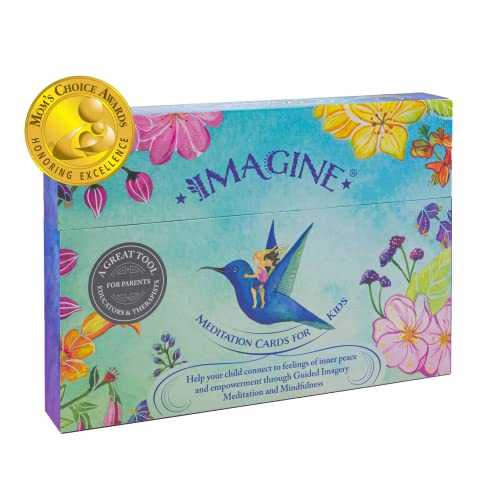
Imagine Meditation Cards for Kids – Award-Winning Mindfulness kit of XL Cards with Calming Guided Meditations for Empowerment, Focus and Relaxation. Great for Parents, Teachers and Therapists.
🌈 [AWARD-WINNING PREMIUM QUALITY Meditation kit and Mindfulness game for kids] providing a FUN and RELAXING activity for…
As an affiliate, we earn on qualifying purchases.
As an affiliate, we earn on qualifying purchases.

UCEDER Swim Belt Swim Training Belt with 2.2M Bungee Cord Adjustable Swim Tether for Swim in Place Swimming Pool Trainer Belt for Stationary Harness Aquatic Resistance Water Exercise (Black)
🧵 High Quality Material:The Swim Belt is made of high grade natural latex and neoprene material, soft,skin-friendly,comfortable and…
As an affiliate, we earn on qualifying purchases.
As an affiliate, we earn on qualifying purchases.