To maintain water quality in indoor pools, focus on controlling humidity, ensuring proper ventilation, and regularly checking chemical levels like pH and sanitizer. For outdoor pools, you need to manage debris, sunlight, and weather effects by frequently testing chemicals and cleaning filters. Both require diligent filtration system maintenance to keep water clear and safe. Staying consistent with testing and adjustments helps prevent issues. Keep exploring to discover more tips for ideal pool care in each environment.
Key Takeaways
- Indoor pools have more stable chemical conditions due to less exposure to environmental elements.
- Outdoor pools require frequent testing and adjustments because of weather, sunlight, and debris impact.
- Proper filtration and regular maintenance are essential for both pool types to ensure water clarity and safety.
- Ventilation is crucial for indoor pools to prevent mold, mildew, and chemical imbalance issues.
- Covering outdoor pools when not in use reduces debris buildup and helps maintain chemical stability.
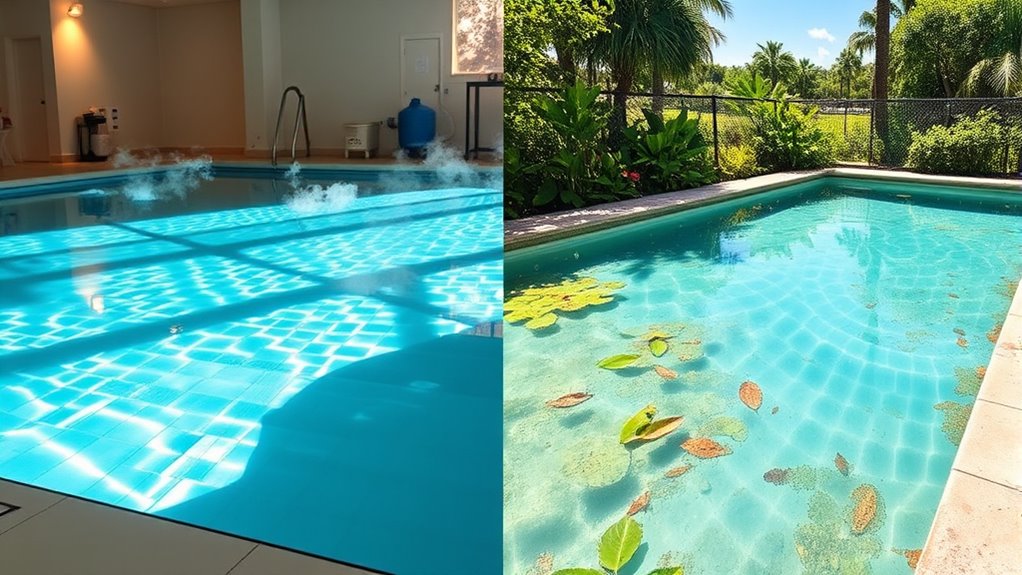
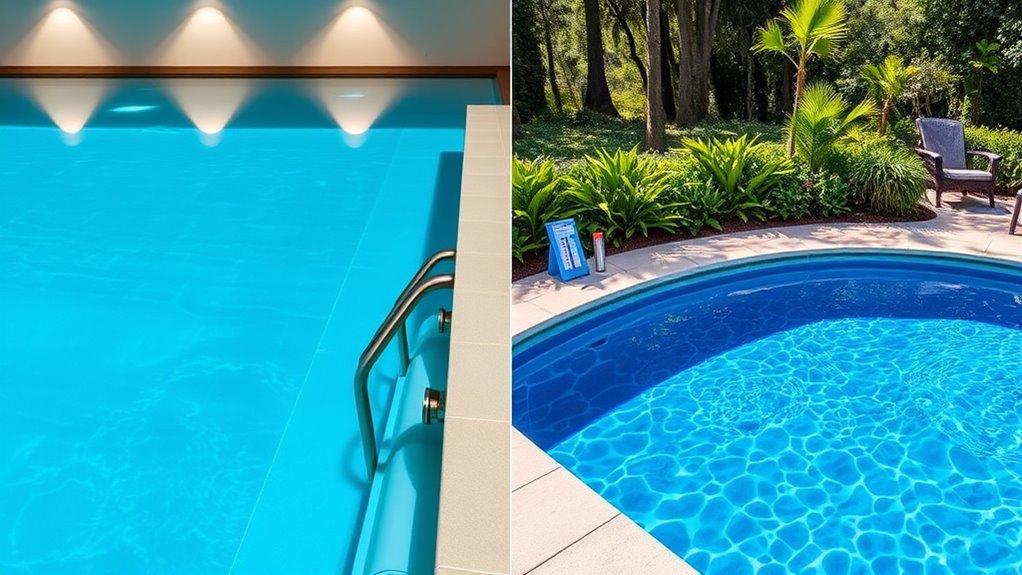
When comparing water quality in indoor and outdoor pools, it’s important to recognize that environmental factors profoundly influence cleanliness and safety. One of the most critical aspects of maintaining good water quality is ensuring proper chemical balance. This involves carefully monitoring and adjusting pH levels, alkalinity, and sanitizer concentrations to prevent the growth of bacteria and algae. Indoor pools tend to have more stable chemical conditions because they are less exposed to external elements like leaves, dirt, and debris. However, because they are enclosed, indoor pools can develop issues with chemical imbalances if ventilation and water circulation aren’t properly managed. Outdoor pools, on the other hand, face the challenge of balancing chemicals in a more unpredictable environment. Rain, wind, and sunlight can dilute or degrade sanitizers, making it necessary to test and adjust chemical levels more frequently.
Filtration systems play an equally crucial role in maintaining water quality in both indoor and outdoor pools. These systems are designed to remove particles, contaminants, and organic matter from the water, keeping it clear and safe for swimmers. Indoor pools often rely on high-efficiency filtration systems because they don’t benefit from natural sunlight or airflow, which can help break down impurities outdoors. The filtration system’s capacity must match the pool size to ensure effective water turnover; otherwise, debris can accumulate, leading to cloudy water and potential health risks. Outdoor pools, however, require robust filtration to handle contaminants introduced by environmental factors. The system should be capable of handling larger debris like leaves and dirt, often necessitating the use of skimmers and additional pre-filtration steps.
Both types of pools demand diligent maintenance of their filtration systems. Regular backwashing, cleaning filters, and checking for wear and tear ensure these systems operate at peak efficiency. For indoor pools, it’s equally important to control humidity and ventilation to prevent mold and mildew, which can compromise water quality indirectly. For outdoor pools, covering the pool when not in use helps reduce debris buildup and minimizes chemical loss due to sunlight. Ultimately, whether indoor or outdoor, consistent testing and maintenance of chemical balance, combined with well-maintained filtration systems, form the backbone of safe, clean water. You need to stay vigilant, adjusting treatments as needed, to ensure the water remains inviting, safe, and hygienic for all swimmers.
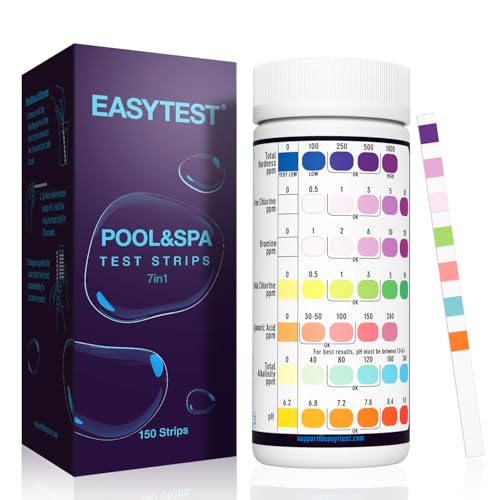
EASYTEST 7-Way Pool Test Strips, 150 Strips Water Chemical Testing for Hot tub and Spa, Accurate Test Bromine, Total Alkalinity, pH, Free Chlorine, Total Hardness, Cyanuric Acid, and Total Chlorine
AFFORDABLE 150 STRIPS: This water chemical testing kit contains 150 test strips. Enough balanced for your swimming pool,…
As an affiliate, we earn on qualifying purchases.
As an affiliate, we earn on qualifying purchases.
Frequently Asked Questions
How Does Water Temperature Affect Pool Water Quality?
You’ll find that water temperature greatly impacts pool water quality. If it’s too warm, it hampers thermal regulation, making it harder to keep the water comfortable. It also encourages microbial growth, increasing the risk of bacteria and algae. Conversely, cooler temperatures help control microbes and maintain better water quality. Regular testing and proper temperature management guarantee your pool stays clean, safe, and enjoyable for everyone.
What Are Common Chemical Imbalances in Indoor Pools?
You’ll often face chemical imbalances like pH fluctuation and inconsistent sanitizer levels in indoor pools. When pH drops or rises unexpectedly, it can cause irritation and reduce sanitizer effectiveness. Maintaining proper sanitizer levels is essential to prevent bacteria and algae growth. Regular testing and adjusting chemicals promptly help keep your indoor pool’s water clear, safe, and comfortable. Staying vigilant ensures your pool remains inviting and healthy for swimmers.
How Does Sunlight Impact Outdoor Pool Water Chemistry?
Sunlight impacts outdoor pool water chemistry by causing sunlight degradation of disinfectants like chlorine, which reduces their effectiveness. Additionally, sunlight promotes algae growth, leading to cloudy water and increased chemical use. You should regularly test and adjust chemical levels, apply algaecides, and use proper shading or covers to minimize sunlight exposure. Keeping an eye on these factors helps maintain clear, safe outdoor pool water despite sunlight challenges.
What Are the Best Filtration Systems for Maintaining Water Clarity?
You should choose a high-quality filtration system like sand, cartridge, or diatomaceous earth filters for ideal water clarity maintenance. Sand filters are durable and effective for large outdoor pools, while cartridge filters offer easy maintenance and precise filtration for indoor pools. Diatomaceous earth filters provide excellent clarity but require more upkeep. Selecting the right filtration system depends on your pool size, usage, and maintenance preferences to keep your water crystal clear.
How Often Should Water Testing Be Performed for Optimal Quality?
You should test your pool water at least twice a week to guarantee excellent quality. During testing, focus on maintaining proper chlorine levels and pH balance, as these are vital for safe swimming conditions. Regular testing helps you catch imbalances early, preventing algae growth and bacteria buildup. If your pool is heavily used or experiences weather changes, increase testing frequency to maintain consistent water clarity and safety.
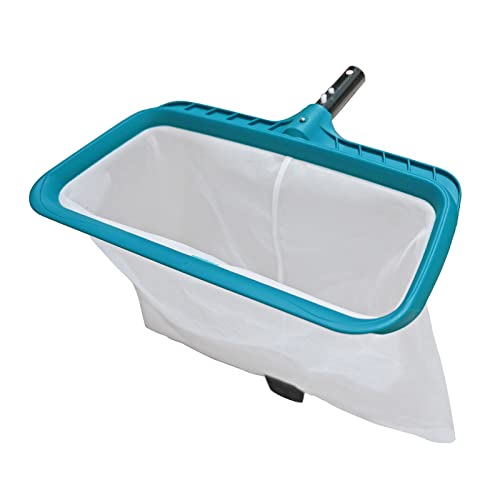
POOLWHALE Professional Pool Skimmer Net, Heavy Duty Swimming Leaf Rake Cleaning Tool with Deep Fine Nylon Mesh Net Bag – Fast Cleaning,Easy Scoop Edge,Debris Pickup Removal (No Pole)
Large Capacity: 17" swimming pool leaf rake, 11" W, 14" deep net.The heavy duty lightweight plastic molded frame…
As an affiliate, we earn on qualifying purchases.
As an affiliate, we earn on qualifying purchases.
Conclusion
Ultimately, whether you’re enjoying an indoor or outdoor pool, ensuring superior water quality keeps your experience smooth and worry-free. By paying attention to proper maintenance and regular checks, you can create a safe haven that feels inviting and invigorating. Don’t overlook the subtle details—these gentle efforts help maintain the pool’s charm and your peace of mind. With a little care, your swimming experience remains delightful, making every splash a moment to cherish.

Hayward Automatic Chlorine Feeder, 9lbs, in-Line (incl Mounting Base) (Open Line) CL200EF
X-Ring seal provides long life and easy cover removal
As an affiliate, we earn on qualifying purchases.
As an affiliate, we earn on qualifying purchases.

Cryspool® 07077 Filter Compatible with CCP420, Clean and Clear Plus 420, PCC105-PAK4, R173576, 570-0425-07, C-7471, 178584, 817-0106, FC-6470, 4×10⁵ Sq. Ft Pool Filter Cartridges, 4 Pack
【SIZE】Length: 26-1/16"; Outside Diameter: 7"; Top Opening: 3"; Bottom Opening: 3"; Material Area: 4×10⁵ sq.ft.
As an affiliate, we earn on qualifying purchases.
As an affiliate, we earn on qualifying purchases.