Understanding the difference between total hardness and calcium hardness is key to maintaining your pool’s health. Total hardness measures all dissolved minerals, mainly calcium and magnesium, while calcium hardness focuses just on calcium levels. Since calcium is a major part of total hardness, these numbers are related but not interchangeable. Keeping them balanced prevents water problems and equipment damage. If you stay focused on these nuances, you’ll improve your pool’s water quality. More details are just ahead.

Get pool and patio gear delivered free — and shop member deals
- Fast, free delivery on millions of items
- Access to Prime Big Deal Days deals on October 6–7
- Prime Video, Amazon Music and more included
Key Takeaways
- Total hardness includes all dissolved minerals, mainly calcium and magnesium; calcium hardness measures only calcium levels.
- Calcium hardness is a component of total hardness, so high calcium increases total hardness, but other minerals also contribute.
- Testing methods differ: calcium hardness uses specific tests, while total hardness often involves titration or strip tests with broader measurements.
- Accurate water management requires understanding both numbers to prevent scaling, corrosion, or water imbalance.
- Don’t confuse the two; focus on calcium hardness for calcium-related issues and total hardness for overall mineral content.
Understanding Total Hardness in Pool Water
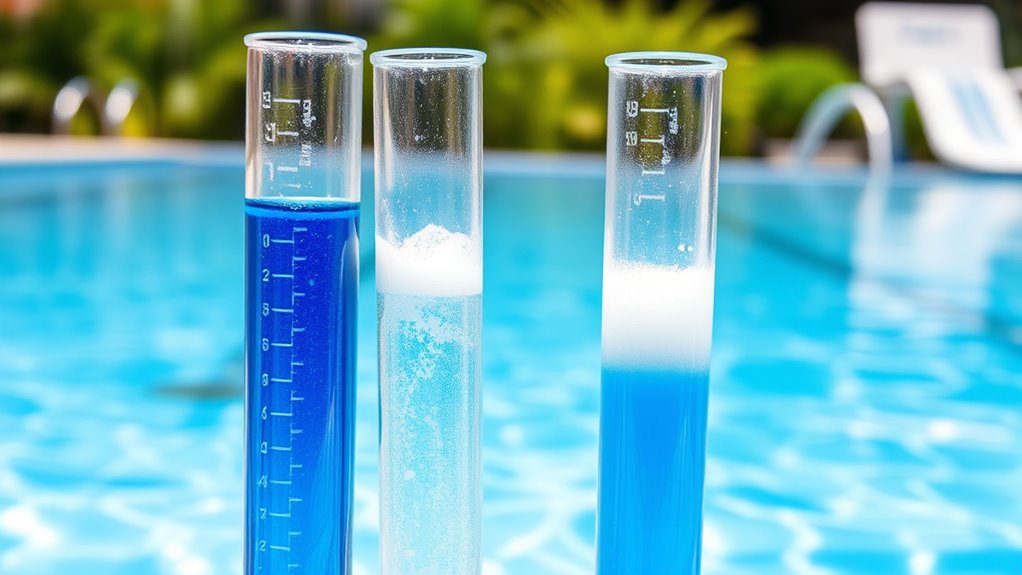
Understanding total hardness in pool water is essential because it directly affects water quality and equipment longevity. Total hardness measures the concentration of dissolved minerals, mainly calcium and magnesium, in your pool. When levels are too high, minerals can cause cloudy water, scaling on the pool surfaces and equipment, and reduce the efficiency of your filtration system. Conversely, low hardness can make water corrosive, damaging pool surfaces and metal parts. Maintaining the right total hardness guarantees your water stays clear, and equipment operates smoothly. Regular testing helps you monitor these levels and make necessary adjustments. Keeping total hardness balanced is key to a healthy, inviting pool and avoiding costly repairs caused by mineral buildup or corrosion. Proper water testing and maintenance are essential to prevent imbalances that could harm your pool.
What Is Calcium Hardness and Why It Matters
Have you ever wondered why calcium levels in your pool matter so much? Calcium hardness measures how much calcium dissolved in your water. It’s essential because it influences water balance, equipment longevity, and swimmer comfort. Low calcium makes water corrosive, risking damage to pipes, filters, and heaters. High calcium causes scale buildup on surfaces and equipment, reducing efficiency and lifespan. Maintaining proper calcium hardness ensures your pool’s water stays balanced, preventing costly repairs and cleaning. It also affects how well chlorine works, keeping your water safe and clear. Regularly testing and adjusting calcium levels helps you avoid problems before they start. Understanding calcium hardness isn’t just about numbers; it’s about keeping your pool healthy, safe, and enjoyable for everyone who swims.
The Relationship Between Total and Calcium Hardness
Calcium considerably influences your total hardness measurement, since it’s a primary contributor. Understanding how calcium levels relate to overall hardness helps you interpret test results more accurately. Keep in mind that different testing methods may highlight these relationships in various ways. For example, homemade recipes like garlic herb butter demonstrate how simple ingredients can influence flavor profiles, similar to how specific minerals impact water chemistry.
Calcium’s Role in Total
Calcium considerably influences total hardness in water, as it constitutes a primary component of the dissolved minerals that define hardness levels. When calcium levels rise, so does the overall hardness, affecting water quality and equipment maintenance. Understanding calcium’s role helps you identify the source of hardness and manage it effectively. Additionally, water chemistry plays a vital role in determining how calcium impacts overall water characteristics.
Hardness Measurement Differences
Understanding how hardness is measured helps you grasp the relationship between total and calcium hardness. Total hardness is determined by analyzing all dissolved minerals, mainly calcium and magnesium, in your water. Calcium hardness specifically measures only calcium minerals. To identify total hardness, labs often use titration methods with reagents like soap or acid-based tests, giving you a thorough hardness level. Calcium hardness tests typically focus on calcium carbonate concentrations, using similar titration techniques but with different reagents. The key difference is that total hardness accounts for all minerals contributing to water’s hardness, while calcium hardness isolates calcium’s contribution. Recognizing these measurement differences helps you interpret test results accurately and manage your water quality effectively. Additionally, understanding these distinctions can assist in water treatment decisions and ensure optimal water conditions for your needs.
How to Measure Hardness Levels Accurately
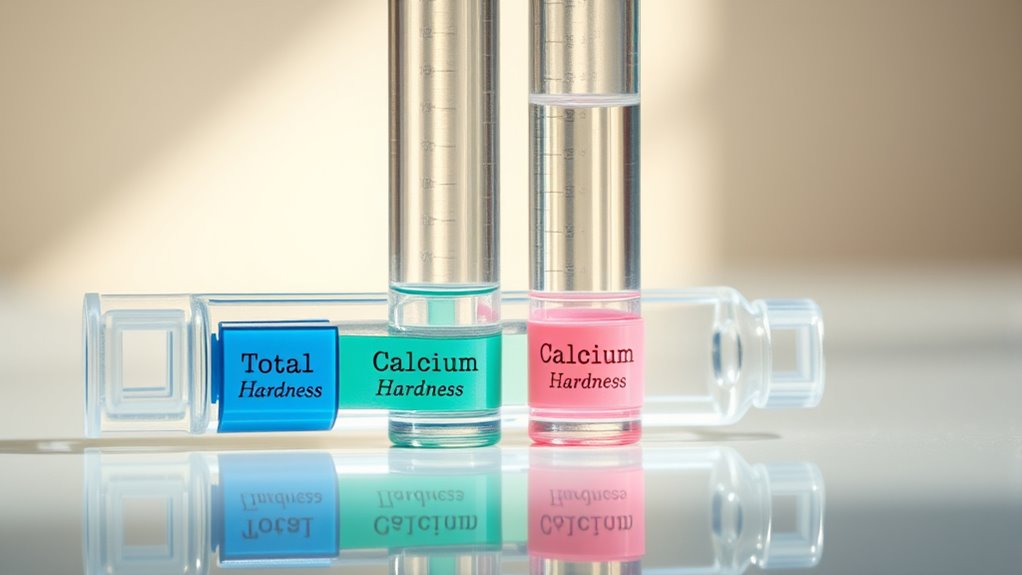
To guarantee your water testing results are reliable, it’s essential to measure hardness levels accurately using proper techniques and calibrated equipment. First, use a test kit designed for water hardness, such as test strips or liquid test kits. Ensure your equipment is calibrated according to manufacturer instructions to avoid errors. When testing, collect water samples from the pool or source, following the guidelines for sample size and handling. Record your results carefully. To help visualize, here’s a simple comparison:
| Testing Method | Key Feature |
|---|---|
| Test Strips | Quick, easy, visual color change |
| Liquid Test Kits | More precise, requires mixing |
Using these methods correctly guarantees precise readings, helping you maintain balanced water chemistry. Regularly calibrate your testing equipment to ensure ongoing accuracy and consistent results.
Effects of High Hardness on Pool Equipment and Water Quality
High water hardness can considerably impact your pool equipment and water quality. When calcium levels are too high, mineral deposits may form on your pool surfaces, filters, and pipes, leading to clogs and reduced efficiency. These deposits can cause cloudy water, scaling, and staining, making your pool look unattractive and difficult to maintain. High hardness also strains your filtration system, forcing it to work harder and wear out faster. Additionally, the buildup of calcium can interfere with chemical balancing, making it harder to keep your water safe and clear. Staying aware of calcium levels helps you prevent these issues, ensuring your pool remains clean, functional, and enjoyable. Proper testing and management of water hardness are essential for maintaining optimal water quality and protecting your pool equipment.
Adjusting Calcium Hardness: Methods and Best Practices
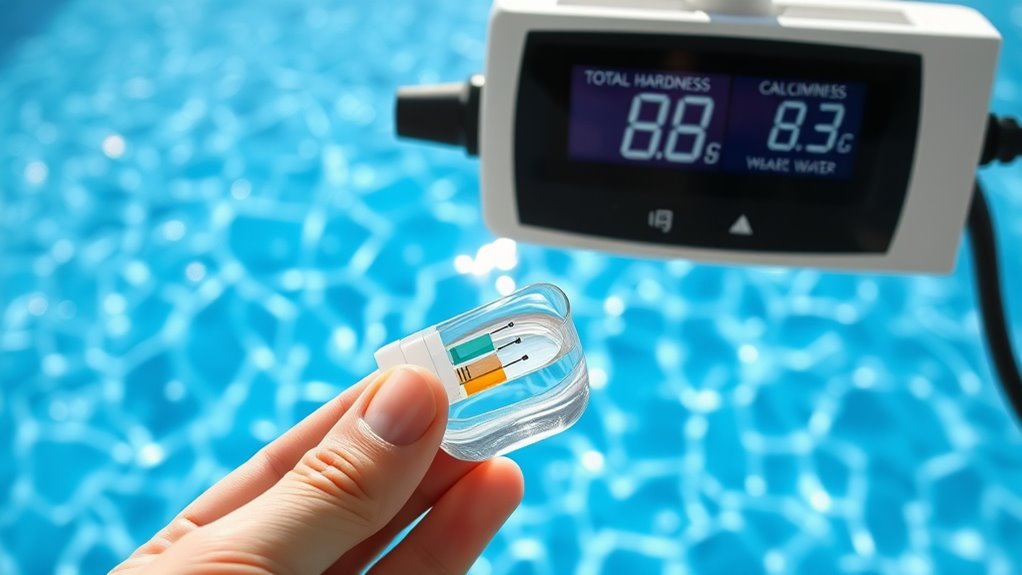
Adjusting calcium hardness is essential for maintaining ideal water quality and protecting your pool equipment. To raise calcium levels, add calcium chloride gradually, dispersing it evenly while running your pump. For lowering hardness, partially drain your pool and refill with softer water, or use a sequestering agent to reduce calcium buildup. Consistent testing is key; use a reliable test kit to monitor levels regularly. Here’s a quick overview:
| Action | Method | Result |
|---|---|---|
| Raise calcium | Add calcium chloride | Strengthens water balance |
| Lower calcium | Drain/refill or sequestering | Prevents scale buildup |
| Regular testing | Use testing kits | Maintains balance |
| Routine maintenance | Consistent water checks | Protects equipment |
Stay vigilant—balanced calcium hardness keeps your pool safe, clear, and inviting. Proper water chemistry management is crucial for optimal pool performance and longevity.
Common Causes of Hardness Imbalances in Pools
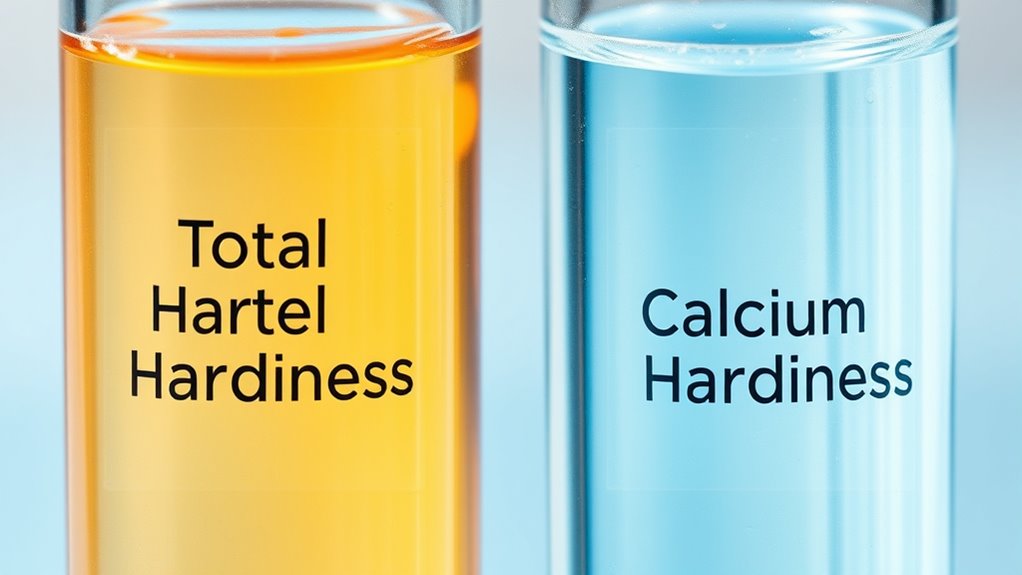
Hardness imbalances in pools often stem from factors outside your immediate control, such as the source water quality and environmental conditions. If your fill water has high mineral content, it can lead to increased calcium or total hardness levels over time. Heavy rainfall or runoff can introduce minerals and contaminants, raising hardness levels unexpectedly. Using certain pool chemicals or algaecides may also contribute to imbalances if they contain minerals or react with existing water chemistry. Additionally, evaporation can concentrate minerals, especially in hot or dry climates. Poor filtration or lack of regular testing allows these issues to go unnoticed, making it harder to maintain balanced water. Recognizing these external influences helps you proactively address hardness fluctuations and keep your pool water properly balanced. Also, local store hours can impact how quickly you can obtain supplies or professional assistance when needed.
Troubleshooting Hardness-Related Water Issues
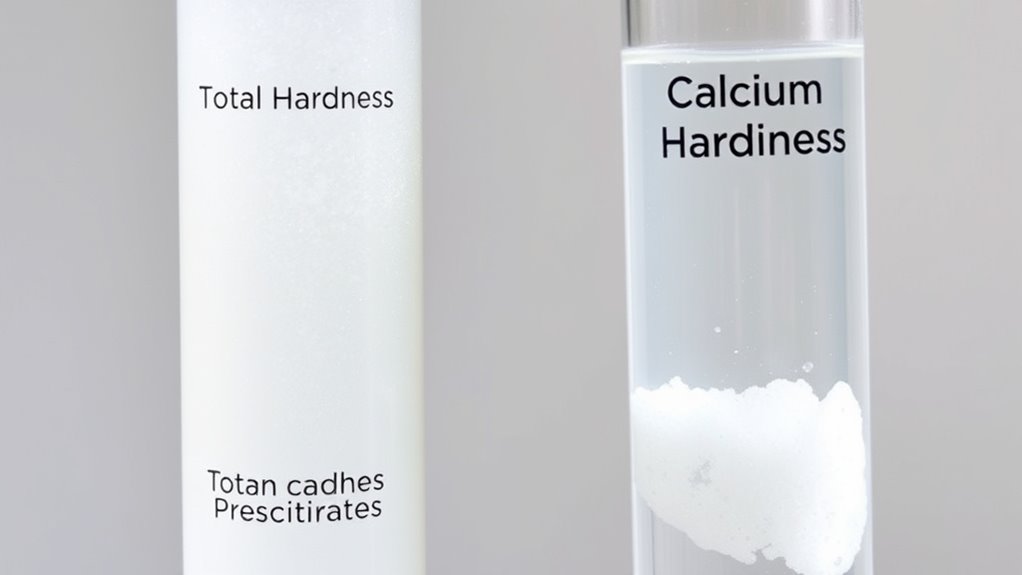
When your water shows signs of hardness, like cloudy appearance or scaling, you can take steps to identify the issue early. Make sure your salt levels are balanced, as improper amounts can worsen problems, and keep an eye on scale buildup around equipment. Being aware of angel number meanings can also provide spiritual insight during troubleshooting. By addressing these points promptly, you’ll prevent more serious water issues and maintain a healthy pool environment.
Identifying Hard Water Signs
Ever notice soap not lathering well or spots on your glassware? These are classic signs of hard water. You might also see mineral deposits around faucets, on showerheads, or inside your appliances. Clothes may feel stiff after washing, and sinks or tubs could develop a chalky film. Hard water can cause soap to form a film instead of creating a rich lather, making cleaning less effective. If you frequently see white or grayish deposits, it indicates high mineral content. Additionally, your skin might feel dry or irritated after showers. Recognizing these signs early helps you identify hard water issues quickly, so you can take steps to address them before they cause more significant problems for your plumbing and appliances. Understanding water chemistry can help you better grasp how minerals affect your water quality.
Adjusting Salt Levels Properly
If you’re noticing persistent soap scum, spots on glassware, or mineral buildup around fixtures, adjusting your salt levels can help improve water quality. First, check your salt levels regularly with a test kit to verify they’re within the recommended range. Second, add salt gradually, about 1-2 pounds per week, until your system reads the ideal level. Third, run the filtration cycle after adding salt to distribute it evenly and remove any excess. Proper adjustment prevents issues like scaling or poor water softening. Keep in mind that too much salt can lead to salty tasting water, while too little won’t adequately soften your water. Regular monitoring and incremental adjustments ensure your system functions efficiently and your water remains clear and soft.
Preventing Scale Buildup
Scale buildup often results from high calcium and total hardness levels in your water, which can clog pipes, reduce appliance efficiency, and leave deposits on fixtures. To prevent this, consider installing a water softener or using a descaling agent regularly. Keep an eye on your water’s hardness levels with testing kits, and adjust treatments accordingly. Using a neutralizing filter can also help reduce mineral buildup. Regular maintenance, like descaling kettles, coffee makers, and water heaters, prevents deposits from forming. Additionally, controlling the source of hardness—such as installing a filtration system—can keep calcium levels in check. Staying proactive ensures your plumbing stays clear, appliances run efficiently, and your fixtures remain spotless, saving you money and hassle over time.
Tips for Maintaining Optimal Water Chemistry Balance
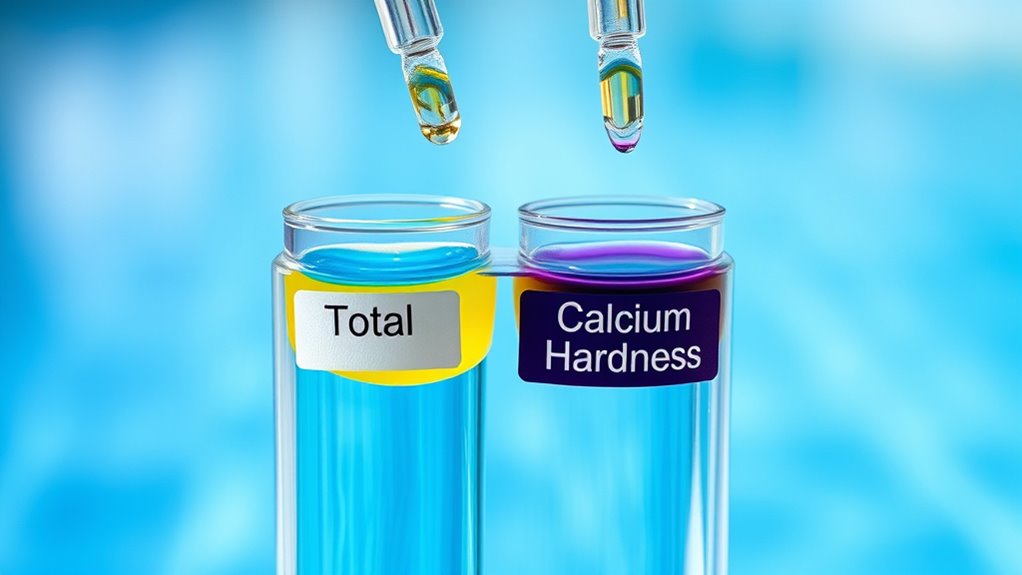
Maintaining ideal water chemistry balance is essential for a healthy and safe swimming environment. To do this effectively, regularly test your water and adjust chemicals accordingly. First, check your pH levels weekly; keep them between 7.2 and 7.6 to prevent irritation and scale formation. Second, monitor sanitizer levels like chlorine or bromine; aim for consistent, proper concentrations to eliminate bacteria. Third, keep an eye on total alkalinity; maintaining it between 80-120 ppm helps stabilize pH and prevents fluctuations. By following these steps, you ensure your water stays balanced, clear, and safe. Regular testing and adjustments are key, so stay vigilant and proactive to enjoy a pristine swimming experience.
Frequently Asked Questions
How Often Should I Test My Pool’s Total and Calcium Hardness?
You should test your pool’s total and calcium hardness at least once a month during the swimming season. If you notice cloudy water, scaling, or other issues, test more frequently to catch problems early. Always follow your test kit instructions for accurate results, and adjust your water chemistry as needed. Regular testing helps maintain clear, balanced water and prevents damage to your pool equipment.
Can Low Calcium Hardness Cause Cloudy Water?
Think of low calcium hardness like a fragile crystal vase—easily chipped and cloudy. When calcium levels drop too low, your pool water can turn cloudy because there’s not enough calcium to keep minerals in suspension. Without proper calcium, the water struggles to stay clear, and algae or other impurities can take hold. To keep your pool sparkling, maintain balanced calcium hardness and regularly test your water.
What Are the Best Products to Increase Calcium Hardness?
You should consider using calcium chloride products to increase calcium hardness in your pool. Look for a high-purity calcium chloride, such as calcium chloride dihydrate or anhydrous calcium chloride, which dissolve easily and quickly raise calcium levels. Follow the manufacturer’s instructions carefully, adding the product gradually to avoid overshooting your desired hardness. Regular testing with a reliable test kit helps maintain ideal calcium levels, ensuring clear, balanced water.
Is There an Ideal Hardness Level for All Pool Types?
Yes, there’s an ideal hardness level, but it varies by pool type. For most residential pools, aim for calcium hardness between 200-400 ppm to prevent scaling or corrosion. If you have a vinyl or painted pool, stay closer to 200 ppm. For saltwater pools, keep it around 300-400 ppm. Regular testing helps you maintain the right level, ensuring your pool stays clear, balanced, and damage-free.
How Do Temperature Changes Affect Water Hardness Readings?
Did you know that temperature fluctuations can cause water hardness readings to shift by up to 10%? When water heats up, calcium carbonate becomes less soluble, making hardness readings appear lower. Conversely, cooling water can increase hardness readings. So, if you test your pool’s water at different temperatures, you might get inconsistent results. Always try to test at consistent temperatures or adjust your readings accordingly for accurate pool maintenance.
Conclusion
Think of your pool water as a delicate symphony, where total and calcium hardness are the key instruments. When these numbers are out of tune, your pool’s harmony suffers—causing damage and clarity issues. By understanding and balancing these elements, you’re the conductor ensuring a flawless performance. Keep a close eye, fine-tune regularly, and let your pool’s water sing beautifully, inviting everyone to enjoy its sparkling, pristine melody.
Fall Picks
fall essentials
As an affiliate, we earn on qualifying purchases.