
European pool standards focus on safety, with detailed regulations for barriers, electrical systems, and water quality, emphasizing safety over aesthetics. US standards provide more flexibility, allowing for diverse designs and personal touches like infinity edges or themed pools, while still prioritizing safety. You’ll find that European rules are more prescriptive, whereas US guidelines support innovation and customization. To understand how these differences might impact your project, explore the key aspects further.
Key Takeaways
- European standards prioritize detailed safety regulations, including barrier heights and anti-entrapment devices, with a focus on minimalistic, natural aesthetics.
- US standards offer greater design flexibility, accommodating diverse styles like infinity edges or themed pools, while maintaining safety protocols.
- Both regions emphasize the use of high-quality materials and regular inspections to ensure pool safety and durability.
- European codes are more prescriptive and comprehensive, whereas US standards allow more innovation within safety guidelines.
- Technological advancements are driving improvements in safety features and aesthetic options in both European and US pool standards.
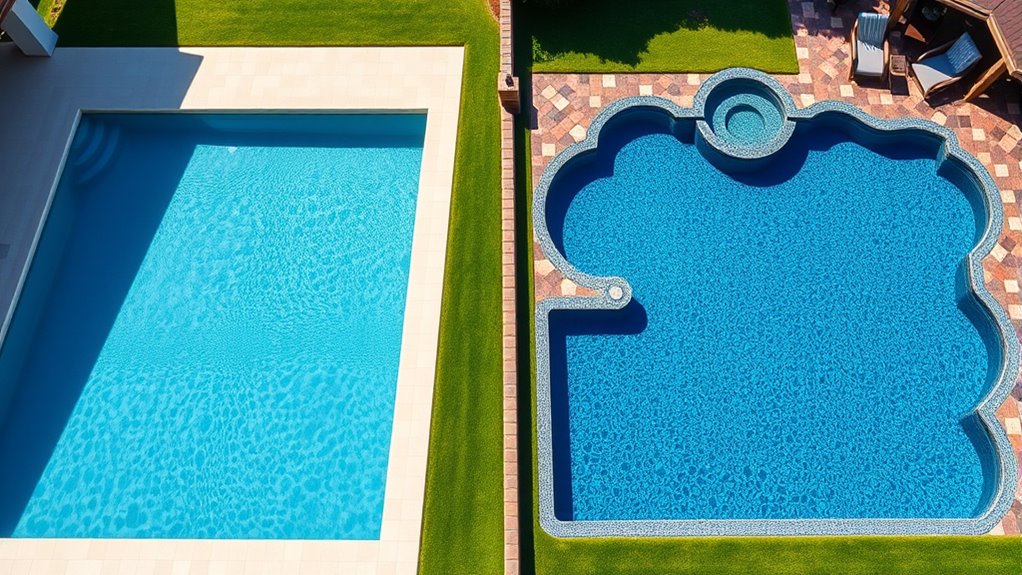
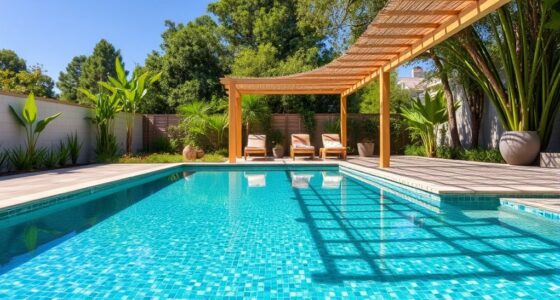
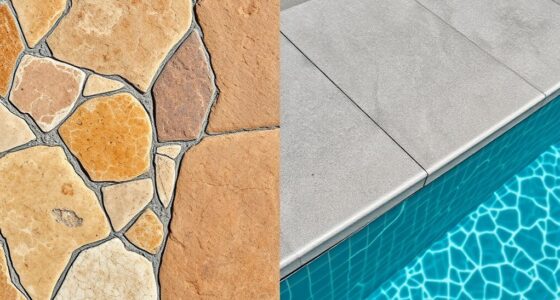
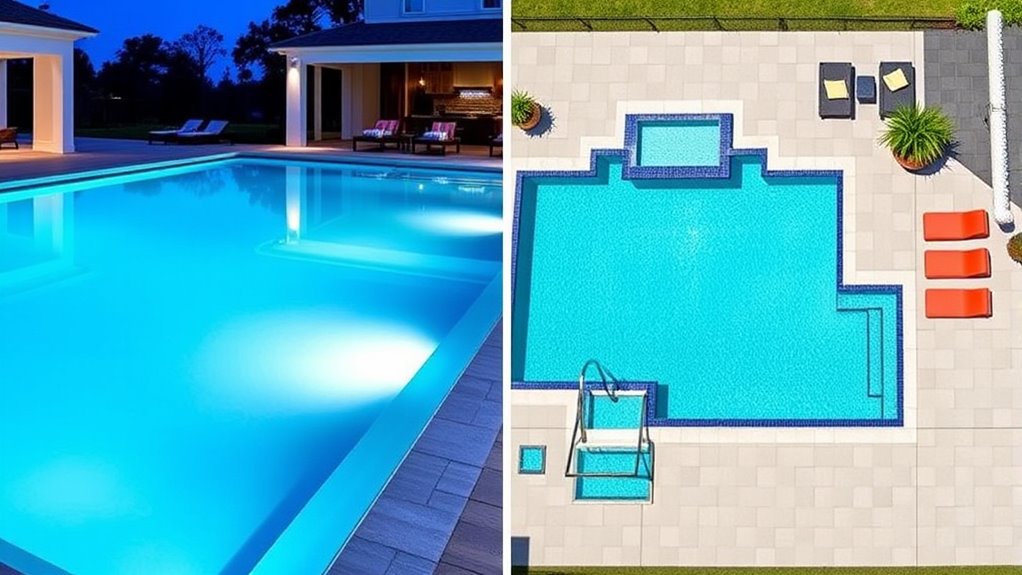
Have you ever wondered how different pool design standards guarantee safety, functionality, and durability? When you’re planning a pool, understanding the standards that guide its construction is essential. In Europe and the US, these standards reflect distinct priorities, especially concerning safety regulations and aesthetic preferences. European pool standards are often rooted in thorough safety protocols designed to minimize risks and protect users, emphasizing rigorous safety regulations. These include specific requirements for pool fencing, barrier heights, and anti-entrapment devices to prevent accidents. European codes tend to be quite detailed, ensuring that every aspect of pool safety is accounted for, from electrical systems to water quality. This meticulous approach helps you feel secure, knowing that safety is a top priority. On the other hand, the US pool standards also focus heavily on safety, but they often incorporate flexibility that caters to regional differences and aesthetic preferences. While safety regulations remain strict, they sometimes allow for a broader interpretation, giving designers and homeowners more creative freedom. For example, the US standards may emphasize safety features like alarms and covers but leave room for customization to match personal style or landscape integration. When it comes to aesthetic preferences, European standards lean toward elegant, minimalist designs that blend seamlessly with the environment, often favoring natural materials and sleek lines. This focus on aesthetics ensures your pool complements the overall landscape, creating a harmonious space that balances beauty and function. In contrast, US standards tend to accommodate a more diverse range of styles, from extravagant custom features to themed pools, aligning with the country’s diverse tastes and trends. This flexibility allows you to choose pools that reflect your personality, whether that’s a modern infinity edge or a rustic, natural look. Despite these differences, both standards aim to ensure your pool is durable and safe for years to come. They require quality materials, proper installation, and regular inspections, but the European approach tends to be more prescriptive, while the US approach offers more room for innovation. Additionally, technological advancements in pool safety and design are increasingly influencing standards, helping to further enhance safety and aesthetic possibilities. Ultimately, your choice will depend on your priorities—whether you value strict safety regulations and minimalist aesthetic harmony or prefer a more versatile design that aligns with your personal style. Understanding these standards helps you make informed decisions, ensuring your pool is not only beautiful but also safe and long-lasting. By paying attention to safety regulations and aesthetic preferences in either region, you set yourself up for a successful pool project that meets your needs and enhances your outdoor space.

Aqua Select Above Ground Swimming Pool Resin Safety Pool Fence Gate | Premium Quality UV Protected Vinyl | Keeps Pool Toys in and Intruders Out | White
POOL SAFETY GATE – Help to keep your outdoor above-ground swimming pool safe with this 24" vinyl safety…
As an affiliate, we earn on qualifying purchases.
As an affiliate, we earn on qualifying purchases.
Frequently Asked Questions
How Do Cultural Preferences Influence Pool Design Standards?
You notice that cultural aesthetics and regional preferences shape pool design standards profoundly. In some cultures, you’ll see pools with intricate mosaics or naturalistic features reflecting local traditions, while others prefer sleek, minimalist styles. Regional preferences also influence features like heating systems or safety measures. By understanding these cultural influences, you can tailor pool designs that resonate with local tastes and meet expectations, ensuring your project fits seamlessly into its environment.
Are There Specific Environmental Considerations in European vs. US Standards?
You should know that European standards emphasize environmental impact and water conservation more than US standards. In Europe, you’ll find stricter regulations on eco-friendly materials, energy efficiency, and water-saving features. US standards tend to prioritize safety and functionality, but they are gradually incorporating environmental considerations. If you’re designing a pool, focus on water-efficient systems and environmentally friendly materials to meet European expectations, while balancing safety and practicality for US compliance.
How Do Safety Regulations Differ Between Europe and the US?
You’ll find that US safety regulations emphasize risk management, requiring fences, alarms, and covers to prevent accidents, especially for children. European standards focus more on material durability and structural safety, ensuring long-term resilience and safety. While both prioritize user protection, the US often mandates specific safety features, whereas Europe emphasizes robust construction and quality materials to reduce risks over time. This difference shapes how pools are designed and maintained in each region.
What Are the Cost Implications of Adhering to Each Standard?
Cost comparisons create clear differences as European standards tend to target safety and sustainability, often raising expenses, while US standards sometimes prioritize affordability and quick construction, reducing costs. Expense factors include materials, inspections, and safety features. You’ll find that European pools often incur higher initial investments, but may save money long-term through durability. Conversely, US pools might have lower upfront costs but could face ongoing maintenance expenses.
How Do Maintenance Requirements Vary Between the Two Standards?
You’ll find that maintenance requirements differ mainly in pool equipment and water chemistry standards. European standards often emphasize easier-to-maintain equipment and balanced water chemistry, reducing chemical use and upkeep time. In contrast, US standards may require more frequent monitoring and specific chemicals, leading to higher maintenance efforts. Regularly checking water chemistry and maintaining quality pool equipment are vital to guarantee safety, longevity, and compliance with each standard’s guidelines.

In The Swim Pool Deluxe Opening Chemical Start Up Kit – Above Ground and In-Ground Swimming Pools – Up to 15,000 White
Save time and take the guesswork out of measuring chemicals when opening your pool with our pre-measured pool…
As an affiliate, we earn on qualifying purchases.
As an affiliate, we earn on qualifying purchases.
Conclusion
Whether you follow European or US pool design standards, remember that safety, durability, and aesthetics all matter. By understanding the differences, you can make informed choices, prioritize quality, and guarantee your pool stands the test of time. Embrace the details that protect, design that pleases, and standards that guide. Ultimately, your pool reflects your commitment to excellence, your dedication to safety, and your passion for creating a space where memories are made.

In The Swim Pool Super Opening Chemical Start Up Kit – Above Ground and In-Ground Swimming Pools – Up to 35,000 Gallons
Save time and take the guesswork out of measuring chemicals when opening your pool with our pre-measured pool…
As an affiliate, we earn on qualifying purchases.
As an affiliate, we earn on qualifying purchases.
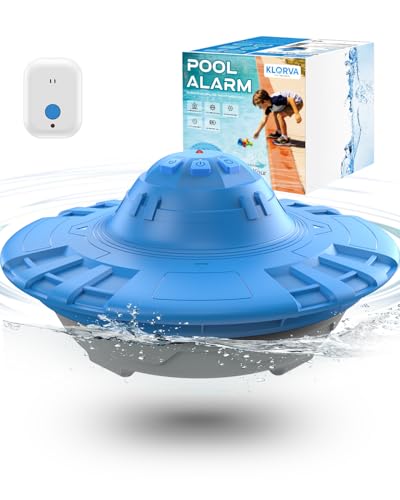
Pool Alarm for Inground & Above Ground Pools,Adjustable Sensitivity Water Detection Alarms Covers 20x40ft,85dB+ Safety Alert for Kids,Pets & Accidental Entry,Weatherproof UV&Corrosion Resistant BU&GR
85dB Loud Pool Alarm with Low Battery Alert: Extra-loud 85dB+ at 10ft alert helps parents and homeowners hear…
As an affiliate, we earn on qualifying purchases.
As an affiliate, we earn on qualifying purchases.