To guarantee water safety and quality, focus on water transparency checks. Clear water allows you to see hazards, swim safely, and assess pollution levels quickly. Reduced visibility signals issues like algae blooms, pollutants, or excess sediments, which can harm aquatic life and pose safety risks. Regularly monitoring water visibility helps you spot problems early and take action. Keep exploring to discover how consistent checks can protect both the environment and your safety in water activities.
Open a free Amazon Business account
Business pricing, bulk buying and tax-exempt orders.
As an affiliate, we earn on qualifying purchases.
Key Takeaways
- Regular water visibility assessments provide a quick indicator of water quality and potential safety hazards.
- Clear water ensures safe navigation and reduces risks during recreational activities like swimming and diving.
- Reduced transparency often signals pollution, algae blooms, or high sediment levels, prompting early intervention.
- Monitoring water clarity helps detect environmental changes and supports ecological balance and conservation efforts.
- Simple, cost-effective visibility checks are essential for environmental management and public safety planning.
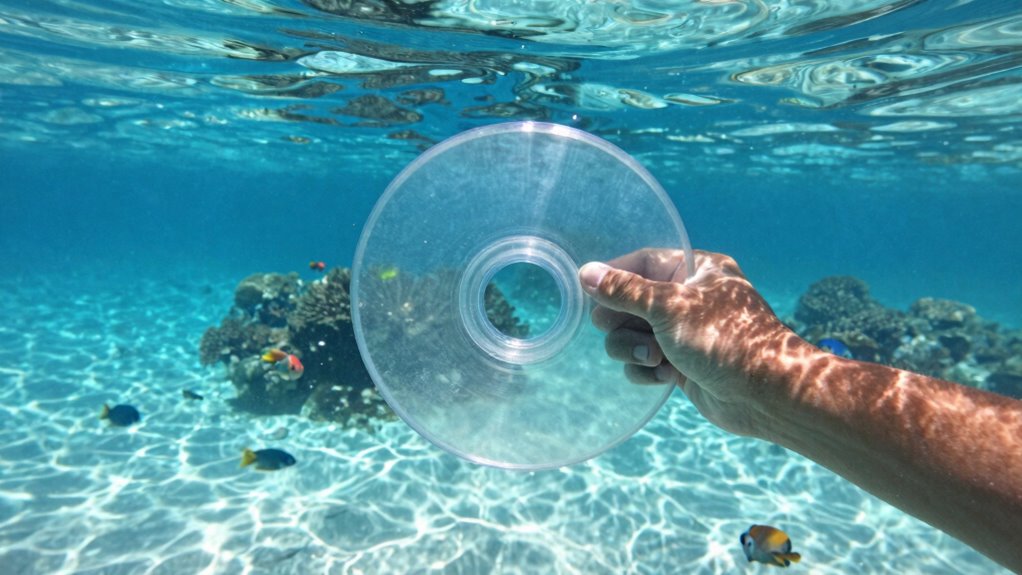
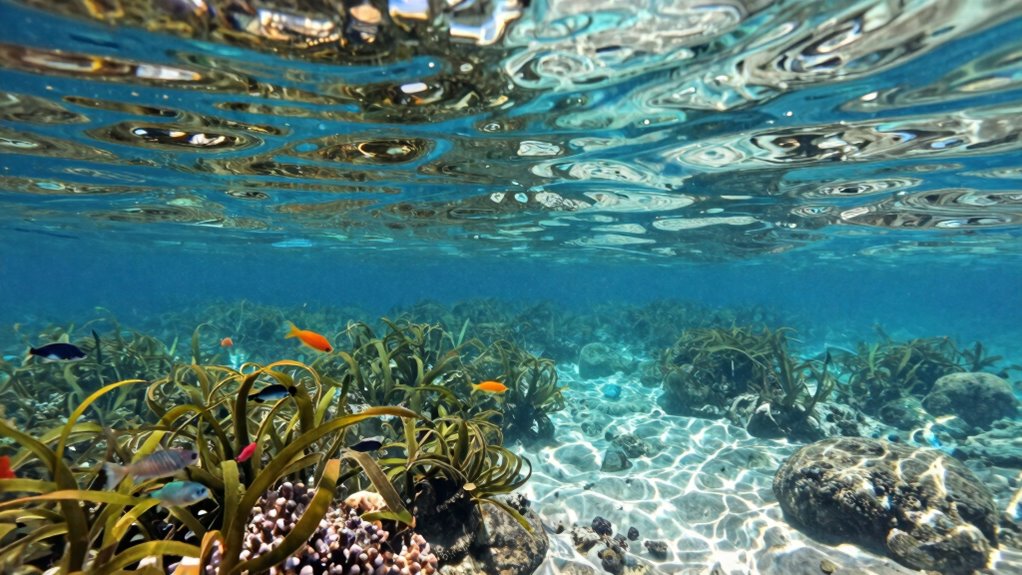
Have you ever wondered why checking water visibility is a vital step in ensuring safety and water quality? It’s because water transparency plays a crucial role in maintaining healthy aquatic ecosystems and preventing potential hazards. When you assess how far you can see beneath the surface, you’re essentially measuring the clarity of the water, which reflects its overall health. Clear water allows sunlight to penetrate deeper, supporting the growth of aquatic plants and sustaining diverse aquatic ecosystems. Conversely, murky or cloudy water signals that something’s off—perhaps excess nutrients, algae blooms, or pollutants—that could threaten both the environment and your safety.
By regularly monitoring water visibility, you gain a quick, straightforward indicator of water quality. If visibility drops significantly, it’s often a sign that the water contains high levels of suspended particles, algae, or contaminants. These substances can diminish oxygen levels, harm aquatic life, and lead to unsafe conditions for swimming, diving, or other water activities. For example, in lakes and ponds, decreased water transparency might indicate nutrient overload, which can spark harmful algal blooms. Such blooms release toxins that are dangerous for both aquatic organisms and humans, making visibility checks an essential part of early detection. Additionally, understanding water transparency helps inform conservation strategies to protect aquatic habitats and maintain ecological balance. Recognizing water quality as a key environmental indicator is vital for effective management and pollution control.
In aquatic ecosystems, water transparency influences the entire food chain. When visibility is high, predators and prey interact more naturally, maintaining ecological balance. But when visibility is compromised, it disrupts these interactions, potentially leading to overpopulation of certain species or decline of others. That’s why understanding and monitoring water transparency helps you not only spot environmental issues early but also support conservation efforts. It’s a simple, cost-effective method to keep tabs on the health of water resources, especially in natural habitats or managed water bodies. Recognizing water clarity as a key environmental indicator can also guide effective management practices and pollution control measures. Furthermore, consistent visibility assessments can help identify trends over time, providing valuable data for long-term ecological studies. Regular evaluations can also reveal the impacts of human activities or climate change on water quality, emphasizing their importance.
For safety, visibility checks are particularly vital in recreational waters. Reduced water transparency can obscure hazards like submerged rocks, debris, or sudden drop-offs, increasing the risk of accidents. Swimmers, snorkelers, and divers rely on clear water for safe navigation. When visibility is poor, it’s a signal to exercise caution, limit activities, or avoid swimming altogether until conditions improve. This proactive approach helps prevent injuries and ensures a safer experience for everyone enjoying the water. Regular visibility assessments also serve as an early warning system for potential water quality issues, prompting further testing or intervention if needed. Being aware of water visibility can also help in making informed decisions about water safety protocols and emergency preparedness.
In essence, water transparency isn’t just about aesthetics; it’s a key indicator of water quality and ecosystem health. By paying attention to how clear the water is, you’re taking an important step in safeguarding aquatic environments and personal safety. Regularly checking water visibility keeps you informed about changing conditions, enabling timely responses to potential problems. It’s a simple but powerful tool that helps protect both the environment and the people who use and rely on our water resources.
As an affiliate, we earn on qualifying purchases.
Frequently Asked Questions
How Often Should Visibility Checks Be Performed in Water Bodies?
You should perform visibility checks in water bodies weekly or more often if conditions change rapidly. Monitoring water clarity helps you assess aquatic ecosystems’ health and safety. Regular checks catch issues like algae blooms or sediment buildup early, ensuring water quality remains high. By staying vigilant and consistent with visibility assessments, you support a safe environment for both aquatic life and recreation, maintaining a balanced and healthy water body.
What Tools Are Best for Conducting Visibility Assessments?
You might think high-tech gadgets are necessary, but often, a simple Secchi disk does the trick for visual clarity. Use this tool alongside a calibrated light meter for accurate assessments. Regularly check your equipment’s calibration to avoid misleading results, because even a tiny misstep can obscure safety concerns. In this case, the best tools are straightforward, reliable, and easy to maintain—saving you from unnecessary confusion and ensuring water quality stays in check.
Can Visibility Checks Detect All Types of Water Contamination?
Visibility checks can’t detect all types of water contamination because of their detection limitations. They are effective for identifying physical issues like turbidity or debris but fall short with contamination types such as chemical pollutants or pathogens. You need specialized tests for these, as visibility assessments alone won’t reveal dissolved chemicals, bacteria, or viruses. Rely on thorough testing methods alongside visibility checks to ensure water safety and quality.
Are There Specific Weather Conditions That Affect Visibility Testing Accuracy?
Weather interference, like fog or heavy rain, can obscure your view, making visibility testing less reliable. Visual obstructions such as floating debris or algae blooms further challenge accurate assessments. These conditions create a hazy veil over water, making it harder to spot potential issues. When weather isn’t cooperating, your ability to conduct precise visibility checks diminishes, emphasizing the need for supplementary testing methods or delaying inspections until conditions improve.
How Do Visibility Results Influence Safety and Water Quality Decisions?
Your visibility results directly impact safety and water quality decisions. Clear water indicates good water clarity and helps detect contamination early. Poor visibility can hide potential hazards or pollutants, prompting you to take action like testing for contamination or issuing advisories. By regularly evaluating water clarity through visibility checks, you guarantee timely detection of issues, safeguarding public health and maintaining water quality standards effectively.
As an affiliate, we earn on qualifying purchases.
Conclusion
By keeping an eye on water visibility, you’re steering clear of hidden dangers and ensuring quality that’s as clear as day. Think of it as your safety lighthouse, guiding you through murky waters to calmer, safer shores. Don’t underestimate the power of a simple visibility check — it’s your front-line defense, turning what might seem like a small detail into a giant leap for water safety and purity. Stay vigilant, and let visibility be your guiding star.
water quality testing kit for lakes
As an affiliate, we earn on qualifying purchases.
As an affiliate, we earn on qualifying purchases.
As an affiliate, we earn on qualifying purchases.
Fall Picks
fall essentials
As an affiliate, we earn on qualifying purchases.