Proper calibration and regular maintenance of your testing equipment are essential to guarantee accurate and reliable results. You should follow a schedule based on manufacturer guidelines, usage, and environment, keeping meticulous records of all activities. Routine inspections, cleaning, and repairs help prevent errors and equipment failure. Doing so not only maintains compliance but also boosts confidence in your measurements. Keep going to discover even more ways to keep your equipment performing at its best.
Key Takeaways
- Establish and follow calibration schedules based on manufacturer guidelines, usage, and environmental factors.
- Maintain detailed records of all calibration and maintenance activities for traceability and compliance.
- Perform routine inspections, cleaning, and repairs to prevent sensor drift and equipment malfunction.
- Use calibrated reference standards to verify equipment accuracy regularly and detect deviations early.
- Document discrepancies, adjust calibration procedures as needed, and implement corrective actions promptly.
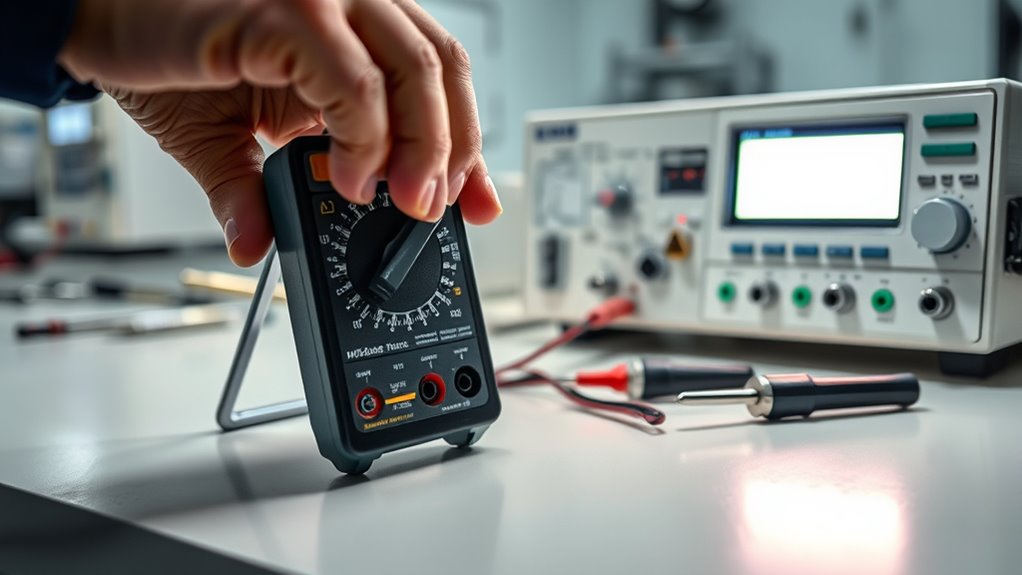
Calibration and maintenance of testing equipment are fundamental to guarantee accurate and reliable results in your operations. When you confirm that your instruments are properly calibrated and maintained, you minimize errors and uphold the integrity of your data. A key aspect of this process involves monitoring sensor accuracy, which directly impacts the quality of measurements you obtain. Over time, sensors can drift or degrade, leading to inaccuracies that compromise your results. To prevent this, it’s essential to establish and follow well-defined calibration schedules. These schedules serve as a roadmap, reminding you when to perform calibration procedures to keep your equipment functioning at its best.
By adhering to regular calibration schedules, you guarantee that your sensors consistently operate within their specified tolerances. This proactive approach helps catch potential issues early, reducing downtime and preventing costly rework. It’s tempting to delay calibration, especially when equipment appears to be functioning normally, but that’s a risky strategy. Small deviations in sensor accuracy can escalate quickly, leading to significant errors that may go unnoticed until they cause major setbacks. Setting clear calibration intervals based on manufacturer recommendations, usage frequency, and the environment helps you maintain precision and consistency.
In your daily operations, it’s essential to document all calibration activities meticulously. Keeping detailed records allows you to trace back issues, verify compliance with industry standards, and demonstrate due diligence during audits. Proper documentation also aids in identifying patterns—if you notice recurring deviations, you can investigate root causes and adjust your calibration schedules accordingly. It’s not just about routine checks; calibration is a critical quality control measure that directly influences your results’ validity. Regularly scheduled calibration ensures your testing equipment remains accurate over time, safeguarding the credibility of your data and the quality of your final products.
Maintaining your equipment goes beyond calibration. Routine inspections, cleaning, and updates are equally important to preserve sensor accuracy and prolong the lifespan of your instruments. Dirty or damaged sensors can produce skewed readings, so cleaning them according to manufacturer instructions is essential. When equipment shows signs of wear or malfunction, prompt repairs or replacements prevent inaccurate measurements from slipping through. Remember, calibration isn’t a one-time event but an ongoing process that demands your attention and discipline. Additionally, understanding the principles of mindfulness can help technicians stay attentive to subtle signs of equipment degradation, promoting proactive maintenance.
Ultimately, prioritizing calibration schedules and consistent maintenance practices helps you achieve trustworthy measurements, reduce errors, and maintain compliance with industry standards. The investment in proper calibration and upkeep pays off by ensuring your testing processes are precise, reliable, and capable of meeting your quality objectives. You’ll gain confidence in your data, streamline your operations, and uphold the high standards your organization strives for.

Continuum Reagents Refractometer Calibration Standard – Seawater Reference for Calibration of Density Measuring Equipment, 60 ml
Designed to provide an accurate reference for the calibration of seawater refractometers, hydrometers and other density measuring equipment
As an affiliate, we earn on qualifying purchases.
As an affiliate, we earn on qualifying purchases.
Frequently Asked Questions
How Often Should Testing Equipment Be Recalibrated?
You should recalibrate your testing equipment based on the calibration intervals recommended by the manufacturer or industry standards, typically every 6 to 12 months. Regular maintenance scheduling helps ensure accuracy and reliability. Keep track of calibration dates and perform recalibration promptly when due. By adhering to these intervals, you prevent measurement errors, maintain compliance, and ensure your testing results remain valid and trustworthy.
What Are Common Signs of Equipment Needing Maintenance?
A stitch in time saves nine—so watch for signs your equipment needs maintenance. Common indicators include inconsistent results, unusual noises, or visible wear and tear. Ignoring these signs can shorten equipment lifespan and disrupt maintenance scheduling. Stay vigilant, perform regular inspections, and address issues early. Proper maintenance keeps your testing equipment reliable, guarantees accuracy, and extends its lifespan, helping you avoid costly repairs and downtime.
Can Calibration Be Performed In-House or Should It Be Outsourced?
You can perform in-house calibration if you have trained staff and proper equipment, but outsourcing calibration is often better for accuracy and compliance. In-house calibration offers quicker turnaround and cost savings, while outsourcing provides access to specialized technicians and certified standards. Consider your team’s expertise, equipment complexity, and regulatory requirements to decide whether in-house calibration or outsourcing calibration suits your needs best.
What Are the Costs Associated With Calibration and Maintenance?
Calibration and maintenance costs are like watering a garden—you need to plan for steady investment. Expect expenses for equipment parts, skilled labor, and potential downtime, which all impact your budget planning. Outsourcing might seem costly upfront, but it can prevent expensive errors. In-house calibration saves money long-term but demands initial setup costs. Weigh these cost implications carefully to guarantee your testing equipment stays reliable without draining your resources.
How Do Calibration Errors Affect Testing Accuracy?
Calibration errors can substantially impact your testing accuracy by causing measurement inaccuracies. When your equipment isn’t properly calibrated, you might get false readings, leading to incorrect conclusions or product defects. This can also result in compliance issues, risking penalties or certification loss. To avoid these problems, you need to regularly calibrate your equipment, ensuring precise measurements and maintaining adherence to industry standards.

UCEC Calibration Weights for Digital Scale, 10mg – 100g Gram Weights Kit, Precision Stainless Steel Balance Scale Calibration Weight Set with Tweezers for Lab Educational Science
17 PCS PRECISION WEIGHTS: This calibration weight set contains 17 pieces of different weights (includes 1x10mg, 2x20mg, 1x50mg,…
As an affiliate, we earn on qualifying purchases.
As an affiliate, we earn on qualifying purchases.
Conclusion
By regularly calibrating and maintaining your testing equipment, you guarantee smooth operations and reliable results. Keeping up with these practices gently guides you toward precision and efficiency, subtly avoiding potential issues before they arise. Think of it as nurturing your tools, allowing them to serve you well over time. With a little consistent care, you’ll find your work becomes easier and more accurate, making excellence an effortless part of your routine.
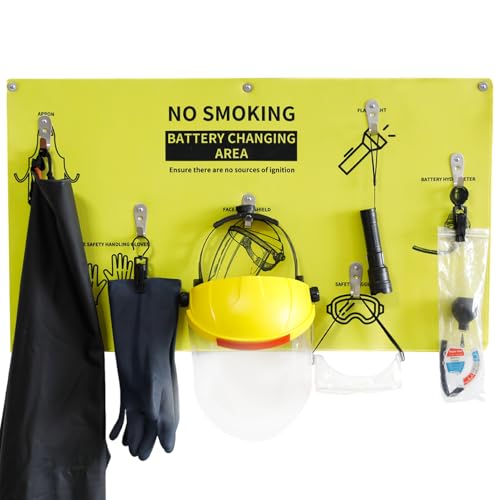
7-in-1 Complete Battery PPE Kit for Forklift Battery Maintenance – Wall-Mount PPE Station for Lift Battery Water Handling, Propane Tasks & Warehouse Safety Gear Storage
【Complete PPE Kit with All Essential Gear Included】Everything needed for forklift battery care and warehouse fluid-handling tasks comes…
As an affiliate, we earn on qualifying purchases.
As an affiliate, we earn on qualifying purchases.

ANGSO-AUTO ADAS Calibration Professional Tool Kit with Radar Aiming Corner Reflector Target Include Stand Marked with 0-30cm Scale- Compatible with Honda, Toyota, Mazda, Kia, Ford, GM and Hyundai
【Includes Radar Aiming Corner Reflector Target with Stand 】 Features a 0-30cm scale for easy height adjustment, ensuring…
As an affiliate, we earn on qualifying purchases.
As an affiliate, we earn on qualifying purchases.